Angle impact wrenches earn their keep in cramped engine bays, under equipment, and anywhere a straight tool feels clumsy. You want enough torque to break stubborn fasteners loose, but you also want a head shape that reaches where your knuckles and a full-size body cannot. This roundup focuses on cordless right-angle and nano-style options, plus one cordless ratchet that fills a similar space for lighter fastening work. The details below should help you match the tool to your space, battery setup, and daily workload.
The Shortlist At A Glance

Milwaukee 2564-20 Right Angle Impact Wrench
Astro Tool 1834 1/2″ Nano Flex-Head Angle Impact Wrench

Astro Tool 1833 3/8″ Nano Flex-Head Angle Impact Wrench

ACROPOW 3/8″ Cordless Ratchet Wrench for Dewalt 20V Battery

Milwaukee 2565-20 M12 FUEL 1/2 in. Cordless Right Angle Impact Wrench
Astro Pneumatic Tool 1832 ONYX 1/2″ Nano Angle Impact Wrench
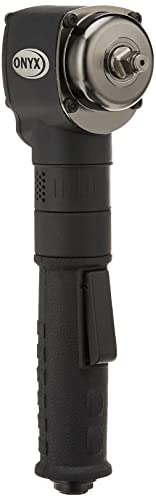
Astro Pneumatic Tool 1838 ONYX 3/8″ Nano Angle Impact Wrench
Milwaukee’s 2564-20 leans into true right-angle reach, which matters in crowded engine bays and along frames where a straight body feels awkward. For routine garage work, that shape can save time and spare your wrists a little strain.
The trade-off is simple, though, the compact head helps access more than brute-force jobs. You’ll appreciate it most for repair work that values placement and control over raw muscle, especially around fasteners tucked beside hoses or brackets.
What We Like
- Right-angle head helps you reach cramped fasteners cleanly.
- Battery-powered format keeps cord management out of the way.
- Useful for overhead or tucked-in work where space is tight.
- Milwaukee’s tool-only format suits users who already own the battery system.
Small Caveats
- Right-angle tools usually give up some leverage to larger impact bodies.
- Tool-only packaging means your battery and charger setup has to match.
Feature Snapshot
Who It Suits Best
DIY mechanics and service techs who work in cramped spots will get the most value here.
A Better Fit Elsewhere
Astro Pneumatic Tool 1832 ONYX 1/2″ Nano Angle Impact Wrench suits you better when higher torque matters more than Milwaukee’s compact convenience.
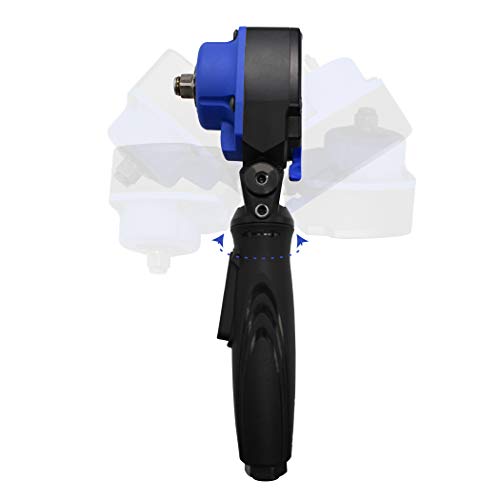
The 1/2-inch drive tells you a lot about this Astro Tool before you even reach for it, because that size is usually aimed at larger fasteners and tougher service work. The flex-head design adds another layer of reach, which helps in awkward corners where a fixed nose would feel stubborn.
You may find this a better match than the Milwaukee 2564-20 when torque and reach need to travel together. The honest read is that it suits serious garage use more than casual weekend tightening, especially around suspension or underbody work.
Reasons To Buy
- 1/2-inch drive suits larger sockets and heavier hardware.
- Flex head adds more angle options in tight zones.
- 400 ft/lb figure signals strong pull for demanding tasks.
- Useful for owners who want one tool for stubborn fasteners and cramped access.
Points To Note
- Bigger drive size can feel less nimble in very narrow spaces.
- Metal parts and joints may need routine wipe-downs after greasy jobs.
- Not as compact as the 3/8-inch Astro sibling for small brackets.
Core Details
Right Fit For
Home mechanics and shop users handling larger fasteners in awkward spots fit this tool well.
Skip It When
Astro Tool 1833 3/8″ Nano Flex-Head Angle Impact Wrench makes more sense for lighter hardware and tighter packaging.
This 3/8-inch version keeps the same Nano flex-head idea as the 1/2-inch Astro, but the smaller drive makes it easier to live with in tighter mechanical spaces. That matters in trim-heavy areas, smaller brackets, and places where you want less bulk around the fastener.
Compared with the Milwaukee 2564-20, this one feels more like a compact specialist than an all-around reach tool. You may prefer it for lighter hardware, while the 1/2-inch Astro models make more sense for more demanding jobs.
Bright Spots
- 3/8-inch drive is friendlier for smaller sockets and fasteners.
- Flex-head design improves access in crowded work areas.
- 400 ft/lb rating keeps it useful for more than trim work alone.
- Smaller drive often stores more easily in packed tool drawers.
Things To Consider
- Not the first pick for especially stubborn, larger hardware.
- Frequent greasy use means the moving head will need attention now and then.
At A Glance
Made For
Detail-oriented garage work and smaller fasteners are where this model makes the most sense.
Another Choice May Suit
Astro Pneumatic Tool 1832 ONYX 1/2″ Nano Angle Impact Wrench is the better match for heavier hardware and bigger sockets.
This ACROPOW is not a pure angle impact wrench, but it belongs in the same shopping conversation because the low-profile body helps in the same cramped spots. The brushless motor means the motor uses electronic control instead of brushes, which generally helps with smoother operation and less routine wear from brush contact.
The included 1/2-inch and 1/4-inch adapters, plus the 3-inch extension bar, make it friendlier for mixed garage tasks than the more dedicated Astro tools. Tool-only packaging suits you best when you already live inside the Dewalt 20V battery system.
Upsides
- Variable speed gives you more control around delicate fasteners.
- Adapters expand what sockets and accessories you can use.
- Brushless motor is a sensible pick for frequent garage use.
- Compact ratchet shape can feel less awkward than bulkier impact bodies.
Room For Improvement
- It is a ratchet wrench, so it does not replace a true angle impact wrench in every task.
- Tool-only format means your battery setup must already be in place.
Feature Rundown
Whose Shelf It Belongs On
Garage tinkerers who already own Dewalt 20V batteries and want a compact fastening helper will fit this well.
Where A Sibling Pick Shines
Milwaukee 2564-20 Right Angle Impact Wrench is the more direct choice for true angle-access fastening.
This Milwaukee keeps the right-angle format of the 2564-20, but the friction ring changes the socket feel in a useful way. A friction ring is a retention collar that holds sockets by spring tension, so swapping accessories tends to feel quicker than with some other retention styles.
For frequent under-hood work or repetitive assembly, that little convenience can matter more than it sounds. The tool-only setup again points toward users already invested in Milwaukee’s M12 system, and that’s where it makes the most sense.
Highlights
- Right-angle body helps in cramped service spaces.
- Friction-ring retention supports quicker socket changes.
- 1/2-inch drive broadens socket and hardware compatibility.
- Tool-only format fits an existing battery collection.
Areas To Watch
- Tool-only packaging adds battery-system dependence.
- Friction-ring retention is handy, but some users prefer a different socket lock feel.
Details At A Glance
The Right Fit
Frequent repair work and users who already own Milwaukee M12 batteries will get the best match here.
Look Elsewhere When
Astro Tool 1834 1/2″ Nano Flex-Head Angle Impact Wrench fits better when you want a flex head in the same size class.
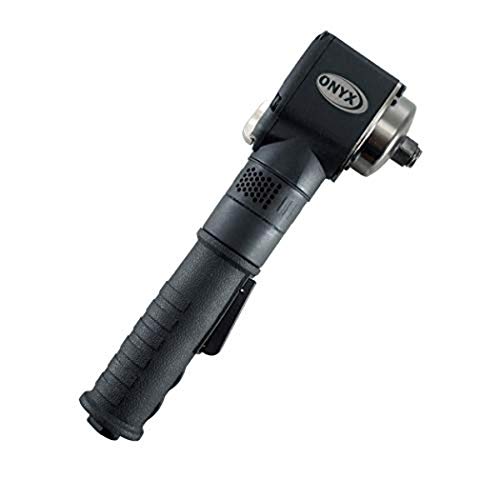
The ONYX 1832 pushes harder than the earlier Astro picks, with a 415 ft/lb rating that points toward more confident fastener removal. That extra output matters most when rust, age, or plain stubborn hardware turns a quick job into a longer one.
Compared with Milwaukee’s right-angle models, this Astro looks more focused on force than brand ecosystem convenience. In most garages, that trade-off makes sense for users who care most about clearing stuck bolts without giving up the angle-friendly body.
Best Bits
- 1/2-inch drive fits serious garage hardware.
- 415 ft/lb rating gives you more headroom for stubborn fasteners.
- Nano format keeps the body more manageable than a full-size impact wrench.
- Good fit for underbody and suspension work where angle clearance matters.
Honest Caveats
- High-output tools can feel like overkill for light trim or small brackets.
- Compact heads still need basic cleaning after dirty jobs to stay easy to handle.
Technical Sheet
Built With In Mind
Serious home mechanics and shop users dealing with larger, stubborn fasteners are the best match here.
Swap It Out When
Astro Tool 1833 3/8″ Nano Flex-Head Angle Impact Wrench suits lighter work and smaller sockets more neatly.
This is the smaller-drive sibling to the 1832 ONYX, and that makes it the more natural fit for tighter socket work without giving up the same 415 ft/lb figure. You get the same compact angle-friendly shape, just tuned more toward 3/8-inch hardware and less bulky fastener access.
For a crowded tool chest or a garage that mixes light assembly with occasional stubborn bolts, it lands in a very usable middle ground. The trade-off is simple, you are still looking at a compact specialist, not a do-everything replacement for a full-size impact wrench.
Positives
- 3/8-inch drive keeps socket selection practical for lighter hardware.
- 415 ft/lb rating brings more strength than many compact tools.
- Angle body helps in narrow engine and chassis spaces.
- Good fit for shops that want one compact wrench for varied jobs.
Minor Gripes
- Not as naturally suited to larger hardware as the 1/2-inch ONYX model.
- Compact angle tools benefit from regular wipe-downs after dirty work.
Quick Facts
Perfect Match For
Compact garages, mixed task setups, and users who want a smaller drive with serious output fit this model well.
A Better Fit Elsewhere
Milwaukee 2565-20 M12 FUEL 1/2 in. Cordless Right Angle Impact Wrench suits you better when socket retention style and right-angle handling matter more than compact drive size.
How To Choose The Right Angle Impact Wrenches
Drive Size And Socket Match
Drive size matters because it sets the socket family you can use, and that shapes the kind of work the tool can handle comfortably. A 3/8-inch drive usually suits smaller fasteners and tighter packaging, while a 1/2-inch drive gives you a wider lane for larger hardware and tougher jobs.
That difference shows up fast in a real garage. Small suspension clips, trim bolts, and space-starved brackets often feel easier with 3/8-inch tools, while larger underbody fasteners tend to make better use of the 1/2-inch class.
Head Shape And Reach
Right-angle and flex-head designs help you work around hoses, rails, and nearby panels without forcing your wrists into awkward positions. A fixed angle brings simpler handling, while a flex head adds more room to line up with the fastener.
The trade-off is usually size versus flexibility. More moving parts can help access, yet they also introduce more joint surfaces to keep clean after greasy work.
Torque And Real Workload
Torque, measured in foot-pounds, is the tool’s twisting force. Higher numbers matter most for stuck fasteners, rusted hardware, and jobs that ask a small tool to act like a larger one.
For routine assembly, too much force can be overkill. You want enough output to finish the job without making the tool feel heavier or less precise than your work demands.
Battery Ecosystem And Ownership Fit
Cordless models are easier to move around the shop, but they only make sense when the battery platform already fits your setup. Tool-only kits are smart for people who already own compatible packs, while another platform can quickly add cost and clutter.
That’s why battery compatibility deserves a hard look before anything else. A well-matched platform usually matters more over time than a small spec advantage on paper.
Things Worth Knowing First
Mistakes Worth Dodging
Many shoppers focus on torque alone and end up with a tool that is too bulky for the space they actually work in. Drive size, head shape, and body length matter just as much when the fastener sits beside a frame rail or hose bundle.
Another common slip is ignoring the battery system. A tool-only wrench looks tidy in a listing, but it makes sense only when your packs and charger already fit that brand line.
The Upgrade Payoff
Higher-tier models often cost more because they pack stronger drive systems, more refined heads, and better control in confined spaces. Those details matter in busy garages where repeat work and awkward angles are part of the routine.
Spending up makes the most sense for frequent use, stubborn fasteners, or a workspace that punishes awkward tools. For occasional jobs, a simpler model can still be the smarter fit.
Frequently Asked Questions
What makes an angle impact wrench different from a standard impact wrench?
The head is set at a right angle or a close variant, so you can reach fasteners in tight spaces more easily. That shape helps around obstacles where a straight body gets in the way.
Is a 1/2-inch drive better than a 3/8-inch drive?
Neither is automatically better, because the right size depends on the hardware you handle most. A 1/2-inch drive usually suits larger fasteners, while a 3/8-inch drive is often easier to manage in tighter spaces.
Does torque alone tell you whether a wrench will fit your work?
No, because torque only tells part of the story. You also need to look at head shape, drive size, and how much room you have around the fastener.
Why do some models come as tool only?
Tool-only models are meant for people who already own compatible batteries and chargers. That can reduce clutter, but it only helps when the platform matches what you already use.
Can a cordless ratchet replace an angle impact wrench?
It can fill a similar space for lighter fastening, especially in close quarters. For tougher removal jobs, a true angle impact wrench usually makes more sense.
Final Thoughts
The right angle impact wrench should feel useful the first time you reach into a cramped spot, not clever for its own sake. Milwaukee’s 2564-20 is the cleanest all-around fit for tight access, the Astro ONYX models bring more force, and the ACROPOW ratchet makes sense for battery-system convenience. Your best choice comes down to socket size, workspace clearance, and how often stubborn hardware shows up in your day. Pick the shape that fits your hands and your garage, and the tool will earn its space quickly.