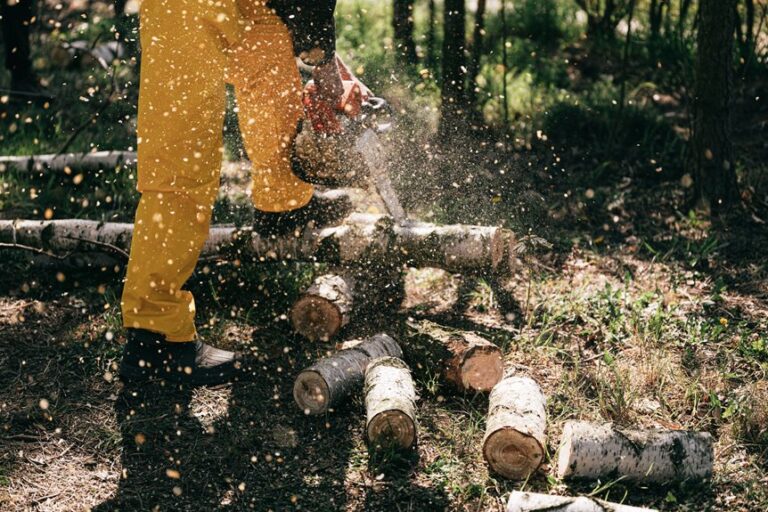
Splitting logs gets easier when the tool matches the wood, the pile, and your own pace. This roundup focuses on axes, a maul, and a manual splitter that suit everything from backyard firewood prep to campsite kindling. You’ll see which picks lean toward heavy rounds, which are easier to carry, and which make sense for smaller splitting jobs.
The right choice saves effort in a very practical way. A 6-pound splitting head and long handle suit steady firewood work, while a lighter hatchet or wedge-style splitter fits faster, smaller tasks. That difference matters most when your wood stack is growing and you want fewer awkward swings.
Quick Look At The Shortlist
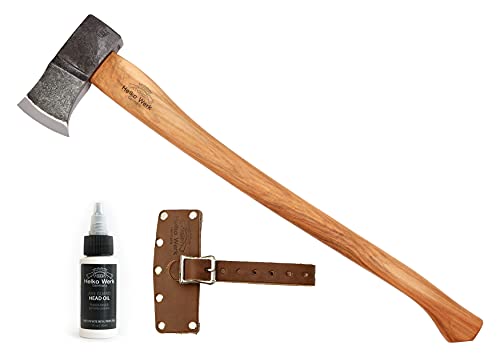
Helko Werk Traditional Saxon Heavy Log Splitting Axe 13588

Helko Werk Classic Scout Light Felling Camping Axe 10492

Helko Werk Vario Medium Size Splitting Axe 10059

Fiskars 36-Inch Super Splitting Axe

Fiskars 28-Inch Chopping Axe 3.5 Pounds
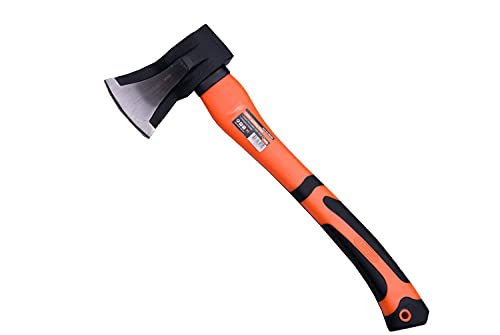
Edward Tools Wood Splitting Maul 17-Inch 3-Lb

DESHIL 15-Inch Wood Splitting Hatchet Axe
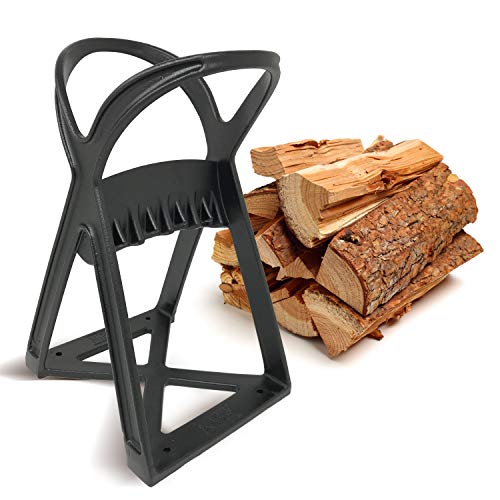
KABIN Kindle Quick Log Splitter
More Details On Our Top Picks
The 6-1/4-pound head and 31-inch handle point this Helko Werk axe straight at serious firewood duty. For a stacked pile of larger rounds, that weight can do much of the work for you, so your swings feel more purposeful than frantic.
The trade-off is clear: it asks for more room and more control than a lighter camp axe. That makes it a better match for backyard splitting than for quick kindling chores, and it sits neatly apart from the lighter Scout model later in this list.
Strong Points
- Heavy head helps drive into stubborn grain.
- Long handle adds leverage for deeper strikes.
- Good fit for regular firewood stacking days.
- Less repetitive effort on larger logs.
Things To Consider
- Bulky for short, close-quarters chores.
- Needs proper storage and occasional edge care.
- Heavier swing weight can feel tiring for brief tasks.
Core Details
Who It Suits Best
Backyard firewood regulars and homeowners splitting medium to large logs will get the most from this shape and weight.
A Better Fit Elsewhere
The 1844 Helko Werk Germany Classic Scout Light Felling Camping Axe 10492 suits campers and light-duty carry work better because it’s easier to move around camp.
This Scout model trims the weight back to 2.5 pounds and keeps the handle at 28 inches, which makes it easier to carry between camp tasks. The lighter feel suits trail use, small campsite chores, and the kind of wood work that happens in short bursts rather than all afternoon.
Compared with the heavier Saxon axe, this one is far less taxing for transport and quick handling. The honest read is that it won’t feel as planted on larger rounds, so it makes more sense beside a tent than beside a full cord stack.
What We Like
- Lower weight makes travel easier.
- 28-inch handle keeps handling manageable.
- Fits camp duty and light wood prep.
- Good bridge between hatchet and full splitter.
Softer Spots
- Less mass for stubborn log ends.
- Not the first choice for heavy firewood work.
- Smaller profile can feel less forceful on big rounds.
Feature Rundown
Made For
Campers, weekend cabin users, and hikers who want one tool for light felling and small splits will find the size easier to live with.
Where A Sibling Pick Shines
The Fiskars 36-Inch Super Splitting Axe suits heavier backyard logs better, especially for people who want more driving force than the Scout can give.
The Vario medium splitter sits in a comfortable middle lane, with a 4.5-pound head and 30-inch handle. That balance should appeal to you in a mixed firewood routine, where some logs split cleanly and others need a bit more authority.
Unlike the heavier Saxon model, this one is easier to move through a long afternoon without feeling overbuilt. It also feels more serious than the Scout, so you’re not stuck choosing between portability and real splitting intent.
Best Bits
- Middleweight head suits many wood sizes.
- 30-inch handle offers solid leverage.
- Useful for routine home firewood prep.
- Less extreme than the heaviest pick here.
- Good compromise for shared household use.
Areas To Watch
- Not as forceful as the 6-1/4-pound option.
- Still more tool than a small camp hatchet.
- Needs enough swing room for safe handling.
Feature Snapshot
Right Fit For
Homeowners who split firewood often enough to value balance over brute force will probably feel comfortable with this size.
Look Elsewhere When
The Fiskars 36-Inch Super Splitting Axe makes more sense for bigger logs and for people who want a longer handle and more driving leverage.
The long 36-inch handle and 6-pound head make this Fiskars axe feel built for logs that push back. In a backyard stack, that extra length usually gives you more leverage and a wider swing path, which can help the tool carry through tougher splits with less strain on your part.
The FiberComp handle is the real differentiator here, because that material is a reinforced composite rather than wood. It helps keep weight managed and can feel less jarring in repeated use, though the longer format does ask for more storage space than the medium Helko Werk options.
Highlights
- Long handle boosts leverage on stubborn rounds.
- 6-pound head adds convincing splitting force.
- FiberComp handle helps reduce shock at impact.
- Well suited to medium and larger logs.
- Strong fit for regular yard cleanup.
Minor Gripes
- Length can feel unwieldy in tight sheds.
- More tool than needed for tiny kindling.
- Composite handle changes the feel versus wood.
Technical Sheet
Who Will Love This
Property owners who split medium to large logs and want a long, forceful tool will get the best match here.
Swap It Out When
For lighter carry and campsite chores, the 1844 Helko Werk Germany Classic Scout Light Felling Camping Axe 10492 is the easier companion.
This 28-inch Fiskars axe sits on the lighter, quicker end of the list. The 3.5-pound weight and balanced feel make it a sensible tool for kindling, small rounds, and general yard tasks where a full-size splitter would feel like overkill.
For most household stacks, that shorter format is easier to guide in a neat chopping motion. It won’t match the raw push of the 36-inch Fiskars splitter, but it asks less from your arms and less from your storage space.
Upsides
- Shorter length is easier to handle.
- Good for kindling and smaller pieces.
- Balanced feel helps with repeated chops.
- Handier than longer splitting models.
Points To Note
- Less suited to large log splitting.
- Shorter reach limits leverage on hard rounds.
- Needs routine edge care to stay sharp.
Details At A Glance
The Right Fit
You’ll likely appreciate this most for kindling prep, light yard work, and smaller fires where speed matters more than raw force.
Another Choice May Suit
The Helko Werk Vario Medium Size Splitting Axe 10059 is a better match for people who want a bit more mass for mixed home firewood.
This maul keeps things compact at 17 inches, but the combined axe-and-sledge shape changes the job quite a bit. The forged steel head gives it a heavier striking character than the short Fiskars chopping axe, so it suits people who want a more direct splitting tool for kindling and small firewood pieces.
The rubber sheath is a thoughtful touch for storage, especially in a garage or tool tote. The honest trade-off is that a shorter maul asks for more deliberate aim and less sweeping leverage, so it’s better for controlled work than for fast, long-session splitting.
Reason To Buy
- Short length makes storage simple.
- Forged steel head feels built for hard use.
- Good for kindling and compact splitting jobs.
- Rubber sheath helps with safer storage.
Room For Improvement
- Short handle reduces leverage on bigger logs.
- Less comfortable for long firewood sessions.
- Sheath needs keeping track of in storage.
Quick Facts
Built With In Mind
Small-property owners and anyone who wants a compact splitting tool for kindling or light rounds will find the size easy to live with.
Reach For A Different Pick When
The Fiskars 36-Inch Super Splitting Axe suits larger logs and longer backyard sessions better because it brings more leverage to the job.
At 15 inches, this DESHIL hatchet keeps the footprint small and the handling direct. The forged steel blade, anti-slip grip, and shock-reduction handle make it feel aimed at light splitting work where you want control more than raw mass.
It’s also the most compact carry option in this lineup apart from the KABIN splitter, though it serves a different role. The catch is simple: a hatchet size like this fits kindling and quick camp chores far better than stubborn log work, so it belongs in a lighter-duty kit.
Positives
- Small size is easy to store.
- Anti-slip handle helps with control.
- Shock reduction can make repeated chops feel calmer.
- Useful for kindling and light splitting.
Honest Caveats
- Too small for serious round splitting.
- Throwing use is a separate activity from wood prep.
- Blade care matters on compact tools like this.
Feature Card
Whose Shelf It Belongs On
Campers, casual homeowners, and anyone building a compact tool kit for kindling will get the best fit here.
Not Your Match When
For larger backyard logs, the Helko Werk Traditional Saxon Heavy Log Splitting Axe 13588 is the more capable choice.
The KABIN splitter takes a very different path from the axes above. Instead of a swinging blade, it uses a steel wedge point and a manual splitting form that’s meant to make kindling from logs with less labor and no axe in hand.
The wide mouth and tall base matter in real use because they help it accept longer, thicker logs than many small hand tools. The slanted alternating teeth are meant to split at an angle and reduce jams, which gives this pick a distinct role beside the traditional axes in this roundup.
What We Like
- Blade-free design changes the handling experience.
- Wide mouth suits thicker logs.
- Tall base helps with longer pieces.
- Good fit for kindling prep around the yard.
Small Caveats
- Not a traditional axe, so the feel is different.
- Needs solid placement and steady setup.
- Works best for kindling, not full-scale log work.
Spec Overview
Best Suited To
You’ll appreciate this most if you want a no-swing splitter for kindling and a calmer setup around the wood pile.
Where Shoppers Go Wrong
The Fiskars 36-Inch Super Splitting Axe is the better route for people who still want a classic swinging tool for larger firewood.
How To Choose The Right Axe For Wood Splittings
Match The Tool To The Wood
Head weight matters because it changes how much momentum the tool carries into the log. A 6-pound splitter suits dense rounds and regular backyard stacks, while a 2.5 to 3.5-pound tool fits kindling and lighter chores.
Handle length changes both reach and leverage. Longer handles, such as 36 inches, help with bigger swings, while shorter lengths are easier to guide in tight sheds or campsites.
Think About Your Space And Routine
Storage is a real part of ownership, even though it gets ignored a lot. A 15-inch hatchet or 17-inch maul is easier to tuck away than a long splitter, and that matters in garages, trucks, and cabin corners.
Routine matters too. A person splitting once a season can live with a heavier, more specialized tool, but regular firewood prep usually rewards a balanced shape that doesn’t wear you out too quickly.
Look At Grip And Build Materials
Handle material affects feel as much as power. Wood gives a traditional touch, while composite or shock-reduction designs can soften vibration and feel steadier during repeated work.
Blade or head material deserves attention as well. Forged steel heads and wedge-style splitters usually suit tougher work, but they also ask for sensible care, edge maintenance, and dry storage.
Choose For The Job You Actually Have
Kindling, small rounds, and campsite cleanup point you toward lighter tools. Larger firewood piles, yard cleanup, and stubborn grain point you toward the heavier Helko Werk and Fiskars splitters.
That’s the simplest way to avoid mismatch: choose for the wood sitting in front of you, not for the tool that sounds most impressive on paper. A well-matched axe feels a lot less like a chore and a lot more like progress.
Things Worth Knowing First
Mistakes Worth Dodging
One common slip is choosing a tool that’s too short or too light for the wood you split most. That often leaves you working harder, not smarter, especially on dense rounds.
Another is ignoring storage and handling. A long splitter needs room, while a compact hatchet suits tight spaces and quick jobs much better.
The Upgrade Payoff
Higher-tier models usually cost more because of better steel, more refined handle geometry, and stronger edge retention. You also tend to get a more thoughtful balance between swing weight and control.
For frequent firewood prep, that upgrade can make sense. For occasional kindling, a simpler tool often covers the need without adding bulk you won’t use much.
Frequently Asked Questions
What size axe works best for firewood?
A medium or heavy splitter usually suits firewood best because it carries more driving force. Smaller axes are better for kindling and lighter log work.
Is a maul different from a splitting axe?
Yes, a maul is usually heavier and built to drive through tougher wood. A splitting axe is often easier to swing and manage for regular home use.
Do long handles make splitting easier?
Long handles add leverage and can help the head move with more force. They also need more room and more control from you.
Can a compact hatchet split logs?
A compact hatchet can handle kindling and small pieces. Larger rounds usually need a bigger head and more length.
What matters more, weight or balance?
Both matter, but balance decides how controlled the tool feels in your hands. Weight decides how much force reaches the wood.
Closing Thoughts
You’ve got a clear spread here, from heavy backyard splitters to compact kindling tools and a very different manual splitter. That range makes it easier to match the tool to the pile in front of you instead of forcing one shape to do everything. For most households, the middleweight Helko Werk and Fiskars options make the easiest day-to-day sense, while the heavy Saxon and 36-inch Fiskars suit bigger, more demanding logs. Choose the tool that fits your space and your wood stack, and the work tends to feel steadier.