Splitting firewood asks a lot from your tool, especially when rounds are knotty, wide, or a little damp from the weather. This roundup focuses on long-handled mauls, heavy splitters, and a few companion tools that matter around a wood stack or fire pit. You’ll find picks for home woodsheds, campsite chores, and heavier weekend cutting. The goal is simple, give you a cleaner match for your log size, swing strength, and storage space.
The Shortlist At A Glance

Wilton B.A.S.H 36" Splitting Maul 8 Lb Head (50836)
1844 Helko Werk Germany Traditional Saxon Heavy Log Splitting Axe 13588
1844 Helko Werk Germany Classic Nordic Large Splitting Axe 13521

1844 Helko Werk Germany Vario Heavy Log Splitter 10058

Fiskars 36" Super Splitting Axe Wood Splitter 6 Pounds Black

40in Heavy Duty Fire Tongs with Scissor Shape Serrated
Edward Tools Wood Splitting Maul 17" 3 lb Forged Steel Head

DESHIL 15-Inch Wood Splitting Hatchet Axe Forged Steel Blade
More Details On Our Top Picks
The Wilton B.A.S.H leans hard into rough-use durability, which makes sense for someone splitting stubborn rounds in a yard shed or out by a woodpile. The 36-inch handle gives you plenty of reach, while the forged 46 HRC head is built for demanding impact work, and that’s where the steel-core handle matters most, since overstrikes are part of real firewood chores.
The anti-vibe neck is the part that will matter after a longer session, because reduced handle shock can help you keep a steadier rhythm. Compared with the lighter Edward Tools maul later in this list, this Wilton feels aimed at heavier, less forgiving wood rather than occasional kindling duty, so the honest trade-off is more weight in exchange for more authority at the strike.
Strong Points
- Forged head suits repeated heavy impact.
- Steel-core handle adds confidence during overstrikes.
- Long handle helps generate strong swing speed.
- Anti-vibe neck should soften fatigue on longer sessions.
- Well matched to dense firewood and tough rounds.
Things To Consider
- The 8 lb head asks for more control than lighter splitters.
- Storage takes a little more wall or rack space than compact tools.
- Most of the benefit shows up with larger logs, not small kindling.
Core Details
Who It Suits Best
You’ll appreciate this most in a regular firewood setup where tougher logs are part of the routine and a heavier head feels natural.
A Better Fit Elsewhere
1844 Helko Werk Germany Classic Nordic Large Splitting Axe 13521 fits you better when you want a slightly lighter, more traditional swing for mixed rounds.
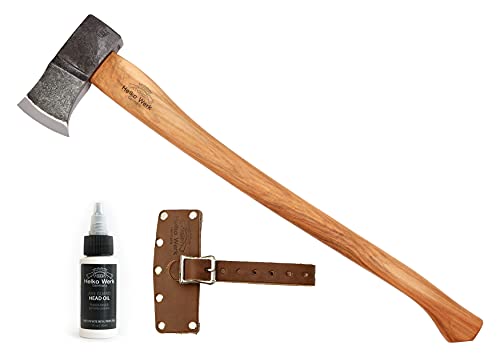
The Saxon profile gives this Helko Werk a more traditional feel than the Wilton above, and that matters for anyone who likes a measured swing rather than an aggressive, industrial look. At 6-1/4 pounds with a 31-inch handle, it sits in a useful middle zone for splitting firewood at home, especially in a setup where control counts as much as raw mass.
You may find the shorter handle easier to manage around stacked logs and narrower work areas, though it also gives up some leverage compared with the longer 36-inch picks in this roundup. The honest read is that this one suits people who want a classic German build and don’t need the most reach every time.
What We Like
- Traditional head shape feels suited to steady splitting.
- 31-inch handle keeps the tool more manageable than longer mauls.
- 6-1/4-pound head gives useful driving force without feeling oversized.
- Good fit for regular backyard firewood duty.
Room For Improvement
- Shorter handle means less leverage on very large rounds.
- Heavier head still asks for deliberate swing control.
- Less reach may matter in cramped woodsheds.
Feature Snapshot
Who Will Love This
You fit this best when you split wood often enough to value balance, but not so often that you want the longest handle on the rack.
Another Choice May Suit
Wilton B.A.S.H 36" Splitting Maul 8 Lb Head (50836) is the stronger match for you if your wood is knotty and you want a longer, more forceful swing.
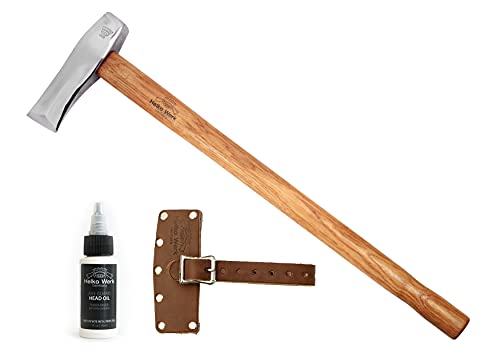
This Nordic-style Helko Werk leans toward round splitting rather than general chopping, and that makes it a sensible middle ground for stacked firewood and heavier log sections. The 5.5-pound head and 31-inch handle should feel a touch easier to manage than the Saxon model above, which can matter during long prep sessions where your shoulders start noticing every ounce.
Because the shape is meant to drive wood apart efficiently, it may feel a little more specialized than the Wilton B.A.S.H, which is built for rougher abuse. That narrower purpose is also the payoff, since you’re getting a tool that stays focused on large rounds instead of trying to be everything at once.
Highlights
- Nordic profile is tuned for splitting rounds cleanly.
- 31-inch handle keeps the swing manageable.
- 5.5-pound head offers solid force without the heaviest feel.
- Good match for regular firewood prep at home.
Points To Note
- More specialized shape may feel less flexible for mixed chores.
- Still substantial enough to demand good swing control.
- Long-term storage care matters, especially around moisture and edge upkeep.
Details At A Glance
Best Suited To
You’ll like this most for a steady home woodpile where heavy rounds matter more than campsite portability.
Where A Sibling Pick Shines
Fiskars 36" Super Splitting Axe Wood Splitter 6 Pounds Black suits you better when you want a longer handle and a more modern feel for frequent yard use.
The Vario Heavy Log Splitter is the most imposing of the Helko Werk group here, and the 36-inch handle gives it the kind of leverage that helps when rounds refuse to open easily. A 6.5-pound head puts it in serious territory, so this is less about casual trimming and more about steady, repeatable work at a proper wood stack.
Compared with the Saxon model, this one gives you more reach and a stronger sense of leverage, though that also means more tool to move around between strikes. For most people, the trade-off makes sense only when you’re dealing with bigger firewood loads or you simply prefer a longer, fuller swing.
Upsides
- 36-inch handle helps generate strong leverage.
- 6.5-pound head brings substantial splitting force.
- Well suited to larger firewood sessions.
- Helko Werk build style should appeal to traditional-tool fans.
Minor Gripes
- Size and weight can feel demanding for casual use.
- Not the easiest option for compact storage.
- Better for committed firewood work than quick chores.
Technical Sheet
Right Fit For
You’ll get the most from this in a home firewood routine where bigger rounds justify a heavier, longer tool.
Look Elsewhere When
Edward Tools Wood Splitting Maul 17" 3 lb Forged Steel Head suits you better when you need something short, compact, and easier to store.
The Fiskars stands out for a more modern approach than the all-steel feel of the Wilton, especially for someone who wants a long handle with a lighter-feeling grip profile. The FiberComp handle is a shock-absorbing composite, meaning the material is designed to soften vibration rather than pass it straight into your hands, which is useful during repetitive yard cleanup or a big firewood session.
The 36-inch length and 6-pound weight give you familiar splitting scale without pushing into the heftiest end of the category. That middle path works well for medium to large logs, and the trade-off is simple: you get easier day-to-day handling than the heaviest mauls, but not quite the brute force of the Wilton or Helko Werk 6.5-pound option.
Bright Spots
- Long handle helps with leverage on medium to large logs.
- Composite handle should feel easier on the hands during repeat use.
- Balanced size suits frequent yard cleanup.
- Good fit for people who want modern materials.
Areas To Watch
- Less traditional feel than the wood-handled Helko Werk options.
- Not as aggressive as the heavier 6.5-pound splitters.
- Composite handles still deserve sensible storage and edge care.
Feature Rundown
The Right Fit
You’ll appreciate this most for regular home wood prep, especially around medium to large logs and routine cleanup.
Swap It Out When
1844 Helko Werk Germany Vario Heavy Log Splitter 10058 makes more sense for you if raw leverage and a heavier head matter more than easy handling.
These fire tongs sit beside the splitting tools rather than replacing them, and that’s useful because log handling matters almost as much as the swing itself. The scissor-style jaws and serrated grip are meant to grab firewood more securely, so you can move hot or awkward pieces around a pit, stove, or outdoor stack without awkward hand placement.
At 40 inches, the reach helps you keep some distance from heat, though the length can feel a bit unwieldy in tight storage spaces. For campfires, backyard fire pits, and indoor fireplace tending, the main value is control, not chopping force, so this is the companion tool you keep near the wood bucket.
Best Bits
- Long reach is helpful around heat sources.
- Serrated jaws are built for steadier log grip.
- Scissor form gives better control than bare hands.
- Useful companion to any splitting setup.
Softer Spots
- Not a splitting tool, so it fills a different role.
- Length can be awkward in smaller storage areas.
- Best value shows up around fireplaces and fire pits.
Core Details
Whose Shelf It Belongs On
You fit this best when your wood setup includes a fireplace, fire pit, or stove and you want better control around hot logs.
Where A Sibling Pick Shines
Fiskars 36" Super Splitting Axe Wood Splitter 6 Pounds Black is the stronger match for you if you need a true splitter rather than a handling tool.
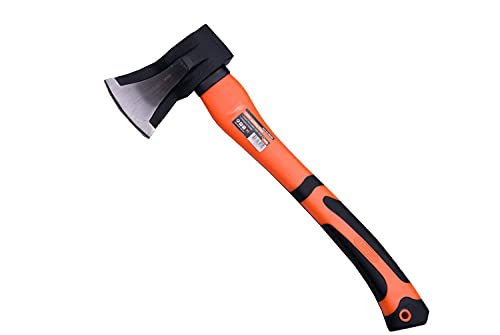
This Edward Tools maul is the short, straightforward option in the lineup, and that makes it easier to keep close at hand for kindling or smaller splits. The 17-inch length and 3-pound head put it well below the full-size mauls above, so the swing feels more like controlled manual work than heavy splitting from the hips.
The forged steel head should appeal to anyone who wants a simple, tough-feeling edge tool for a shed or porch hook. The trade-off is reach and mass, which are both limited compared with the 36-inch models, but that smaller footprint is exactly why it makes sense for tight storage and light-duty use.
Positives
- Short length keeps the tool easy to store.
- 3-pound head is friendlier for light splitting tasks.
- Forged steel head gives a sturdy working feel.
- Good match for kindling and quick chores.
Small Caveats
- Not built for the bigger rounds covered by the longer mauls.
- Short reach means less leverage on stubborn logs.
- Works best as a light-duty tool, not a main splitter.
Spec Overview
Made For
You’ll like this most for kindling, porch-side fire prep, and smaller jobs where a full maul would feel oversized.
Reach For A Different Pick When
Wilton B.A.S.H 36" Splitting Maul 8 Lb Head (50836) suits you better if your split pile includes larger rounds and you want more striking authority.
The DESHIL hatchet sits at the small end of the group, but its anti-slip and shock-reduction handle give it a more comfortable feel than many basic compact axes. A forged steel blade keeps it grounded as a working tool, and the 15-inch size is handy for light splitting, camp chores, and the kind of quick tasks that don’t justify hauling out a full maul.
Compared with the Edward Tools maul, this one feels even more portable and better suited to grab-and-go use, though it gives up the leverage that longer handles deliver. For campers or homeowners who want a small tool with a steadier grip, that trade-off is usually easy to accept.
Reasons To Buy
- Compact size is easy to pack and store.
- Anti-slip handle helps with steadier control.
- Shock-reduction grip can feel friendlier on longer light-duty sessions.
- Forged steel blade suits basic wood-splitting tasks.
Worth Noting
- Short handle limits leverage on bigger logs.
- Better for light chores than serious splitting.
- Throwing use suggests a different role than the mauls above.
Feature Card
The Right Fit
You’ll appreciate this most for camping kits, small wood piles, and light splitting where portability matters more than power.
A Better Fit Elsewhere
Fiskars 36" Super Splitting Axe Wood Splitter 6 Pounds Black suits you better if you want a full-size splitter for regular home firewood work.
How To Choose The Right Axe Splitting Mauls
Match Head Weight To Your Wood
Heavier heads drive deeper into stubborn rounds, while lighter heads feel easier to repeat through a long stack. For seasoned logs, knotty oak, or oversized cuts, the heavier mauls in this list make more sense than compact hatchets.
That extra mass comes with a trade-off, though, since a heavier head asks more from your shoulders and timing. For regular backyard firewood, a middle-weight splitters can be the friendlier daily choice.
Handle Length Changes The Whole Swing
A 36-inch handle gives you more leverage and a wider arc, which helps when you want the tool to do more of the work. Shorter handles feel easier to store and steer, especially in sheds, garages, or tight wood rooms.
The right length depends on your space and your swing style. Long handles suit bigger rounds and more forceful splitting, while shorter handles fit smaller jobs and controlled work near a stack.
Think About Grip Comfort And Shock
Materials matter because vibration adds up fast. A steel-core handle, composite grip, or shock-reduction design can soften that repeated jolt that shows up after a pile of logs.
That comfort matters most for folks who split often, even in smaller batches. The trade-off is usually weight, feel, or style, so the best choice is the one that lets you keep control without fighting the tool.
Pick The Tool For The Job
A true maul handles splitting. Fire tongs handle log movement. A compact hatchet handles kindling and light camp work. Mixing those roles is where a lot of frustration starts.
Start with your largest normal log, then work down from there. That keeps you from buying a tool that feels handy for five minutes and awkward for the rest of the season.
What To Weigh Before You Choose
Common Shopping Slip Ups
Many people size a splitter for kindling, then meet a knotty round and find the tool too small for the job. Another easy miss is choosing length without thinking about storage, because a 36-inch handle takes up more room than it first appears.
Handle material matters too, especially for repeated use. A softer grip or shock-absorbing design can make a long wood session feel more manageable than a basic hard handle.
What The Higher Tier Buys
More expensive mauls usually bring heavier heads, better-balanced handles, and more attention to vibration control. That combination matters when you split often or deal with dense wood that resists a clean first strike.
The upgrade is worth it when your wood stack is large enough to justify the extra comfort and confidence. For occasional use, a simpler tool can make more sense, especially in smaller storage spaces.
Frequently Asked Questions
What size axe splitting maul works for home firewood?
A 31- to 36-inch handle is a practical starting point for many home stacks. A head in the mid-to-heavy range gives you enough force without making the tool feel wildly unwieldy.
Do I need a maul or a splitting axe?
A maul is better for splitting wood apart, especially on larger rounds. A splitting axe feels lighter and can be easier to manage for smaller jobs.
Are short-handled tools only for light work?
Mostly, yes, because a shorter handle limits leverage. That makes them better for kindling, quick cuts, and tighter storage rather than large logs.
Why do some handles mention vibration control?
Vibration control helps soften the shock that moves through the grip after each strike. That can make repeat work feel less tiring over time.
Do fire tongs belong in a splitting setup?
They do, because splitting is only part of the job around a firewood area. Tongs help you move logs safely once they’re cut and stacked.
Final Thoughts
Your best pick depends on how much wood you split and how much control you want in the swing. The Wilton B.A.S.H and the heavier Helko Werk models suit bigger stacks, while the Fiskars feels easier to live with for regular yard work. Smaller tools like the Edward Tools maul and DESHIL hatchet make sense when storage is tight or your jobs stay light. Choose the one that matches your logs, your space, and the way you actually work.