

Bench grinders earn their keep in garages, workshops, and home repair corners where dull tools slow everything down. You’re likely here to compare wheel size, motor strength, speed, and the kind of control that feels steady in day-to-day use. The right pick makes sharpening less fussy and cleanup easier, whether you handle chisels, blades, or rusted hardware.
Quick Look at the Shortlist
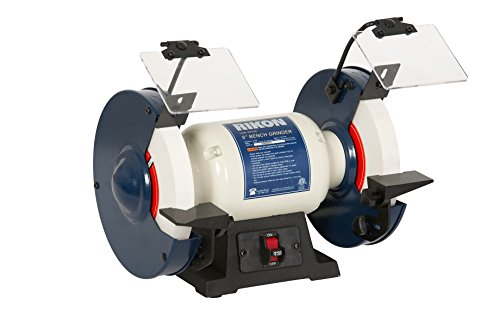
RIKON 80-805 8†Slow Speed Bench Grinder

BUCKTOOL 6-Inch 1/3HP Low-Speed Bench Grinder TLG-150S

BUCKTOOL 8 Inch 3/4 HP Low-Speed Bench Grinder TDS-200C4HL

BUCKTOOL 10 Inch 1.5HP Low Speed Bench Grinder

JET 10-Inch Bench Grinder JBG-10
BUCKTOOL 10-Inch Variable Speed Wet Sharpening System SCM8103
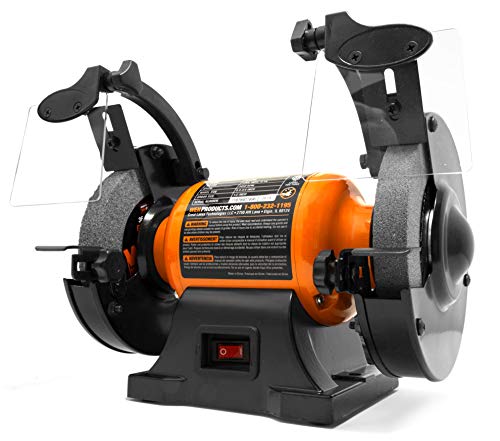
WEN BG4260 2.1-Amp 6-Inch Single Speed Bench Grinder

VEVOR Bench Buffer Polisher 3590RPM
More Details On Our Top Picks
Slow-speed grinding has a clear appeal here, because it gives you more room for careful edge work than a faster shop wheel. The anti-vibration rubber feet are a small but useful touch, especially on a crowded bench where a grinder’s shake can travel through the whole surface.
Compared with the smaller BUCKTOOL 6-inch model, this RIKON feels better suited to steady sharpening sessions rather than quick touch-ups. You’ll likely appreciate it most for chisels, knives, and other tools that benefit from a calmer pace, though the slower speed means it won’t feel as aggressive on heavy material removal.
Strong Points
- Slow wheel speed supports controlled sharpening.
- Rubber feet help keep bench movement down.
- Eight-inch format gives you more wheel area than 6-inch picks.
- Fits workshop tasks that reward patience and control.
Things To Consider
- Slower operation is less suited to rough stock removal.
- Eight-inch tools need more bench space than compact grinders.
- Careful wheel dressing and cleanup still matter for smooth results.
Feature Snapshot
Who It Suits Best
Tool maintenance hobbyists and home workshop users who value control over raw aggressiveness will get the most from this one.
A Better Fit Elsewhere
BUCKTOOL 10 Inch 1.5HP Low Speed Bench Grinder suits heavier shop use better, especially for larger parts and longer grinding sessions.
This is the smallest grinder in the group, and that shape makes sense for a bench with limited room or a garage corner that already feels crowded. The low-speed setup and wobble-free wheel design point toward careful sharpening work, not rough grinding, so the tone is calm rather than forceful.
Compared with the RIKON 80-805, this BUCKTOOL gives you a lighter footprint and a simpler place to start. In most home workshops, that can be enough for drill bits, small blades, and light cleanup, though the 6-inch wheel size leaves less surface to work with on bigger tools.
Positives
- Small 6-inch size fits tight benches well.
- Low-speed operation supports finer control.
- Wobble-free wheel setup helps keep motion steady.
- Good match for light sharpening and detail work.
Minor Gripes
- Smaller wheel size limits room for larger tools.
- Less suited to heavier grinding tasks.
- Compact grinders can feel cramped on busy benches.
Details At A Glance
Made For
Home users who want a compact grinder for occasional sharpening and general touch-up work will find this format easy to live with.
Another Choice May Suit
WEN BG4260 2.1-Amp 6-Inch Single Speed Bench Grinder suits you better when you want a simpler, faster-feeling setup for basic grinding jobs.
CBN wheel compatibility is the thing that separates this BUCKTOOL from the lighter 6-inch model and gives it a more specialized feel. CBN means cubic boron nitride, a wheel material often chosen for durable sharpening setups, and that makes this grinder attractive for more serious tool maintenance routines.
The low-speed motor and wobble-free wheel design support a more deliberate rhythm, which suits users who sharpen often and want the machine to stay composed on the bench. You may find the 8-inch format a better middle ground than the bigger 10-inch units, especially in a shop where space matters but you still want a serious setup.
Highlights
- CBN wheel support broadens sharpening setup options.
- Eight-inch wheel balances size and control well.
- Low-speed operation feels suited to careful edge work.
- Wobble-free design helps keep the wheel steady.
Areas To Watch
- More specialized than a basic home grinder.
- CBN setup focus may matter more to frequent sharpeners.
- Larger than 6-inch picks, so plan bench space accordingly.
Core Details
Right Fit For
Experienced home shop users and tool sharpeners who want a more capable setup without stepping all the way up to a 10-inch machine will appreciate this model.
Where A Sibling Pick Shines
RIKON 80-805 8†Slow Speed Bench Grinder is the gentler match for someone who wants slower, more relaxed sharpening without focusing on specialized wheel compatibility.
The 10-inch wheel and 1.5HP motor make this BUCKTOOL feel aimed at bigger jobs, not casual touch-ups. HP means horsepower, a measure of motor output, and here it signals more muscle for sharpening, rust removal, and weld cleanup in a busier workshop.
Compared with the 8-inch BUCKTOOL TDS-200C4HL, this one leans harder into capacity and bench presence. The cast iron base should help it sit with more authority, and the adjustable tool rests and eye shields are practical touches for hands-on use, though the larger size asks for room and a more permanent spot.
What We Like
- Large 10-inch format suits bigger workpieces.
- 1.5HP motor brings more muscle to demanding tasks.
- Cast iron base helps support a stable setup.
- Adjustable rests add day-to-day usefulness.
- Eye shields and wheel design add practical shop value.
Room For Improvement
- Needs more bench room than smaller grinders.
- Larger footprint is less friendly to portable use.
- Heavier build can feel like a commitment on small benches.
Feature Rundown
Best Suited To
Regular workshop users who sharpen large tools, clean metal parts, or want a grinder that feels built for ongoing bench duty will get the most value here.
Swap It Out When
WEN BG4260 2.1-Amp 6-Inch Single Speed Bench Grinder is the easier fit for lighter garages where space and simplicity matter more than capacity.
The JET JBG-10 reads like a classic bench fixture, with a 10-inch format, 1 HP motor, and 1750 RPM speed that favor steady workshop use. RPM means revolutions per minute, and that slower pace helps the grinder feel more composed for sharpening and cleanup work than a fast, buzzy machine.
Compared with the BUCKTOOL 10-inch model, this JET is less about extra motor output and more about proven shop hardware traits like totally enclosed ball bearings and cast iron wheel guards. Those parts point toward durability and protection in daily use, though the wheel choice, 46-grit and 24-grit vitrified wheels, means you’re working with a more traditional grinding setup.
Positives
- 10-inch wheel suits broader sharpening jobs.
- 1750 RPM supports a calmer grinding pace.
- Enclosed ball bearings help protect moving parts.
- Cast iron guards and dust vents suit workshop wear.
Worth Noting
- Traditional wheel setup may feel less specialized than newer options.
- Larger footprint asks for committed bench space.
- Better for regular shop use than casual one-off tasks.
Spec Overview
Whose Shelf It Belongs On
Workshop regulars who want a straightforward 10-inch grinder with familiar parts and a no-nonsense layout will feel right at home with this one.
Look Elsewhere When
BUCKTOOL 10 Inch 1.5HP Low Speed Bench Grinder is the better match for heavier sharpening and metal cleanup jobs that ask for more motor muscle.
This BUCKTOOL takes a different path from the dry grinders above, because the wet stone system is built around slower, cooler sharpening. That matters for knives, chisels, and axes, where a water-cooled stone can help you work more patiently and keep the edge process under more control.
The two-direction operation and 90 to 160 RPM range make it feel more specialized than the JET or the higher-power BUCKTOOL 10-inch grinder. It suits you best when edge quality matters more than speed, though the wet setup also means more cleanup and a little more routine around the water tray and stone care.
Bright Spots
- Wet sharpening keeps the process slow and controlled.
- Variable speed lets you match the task more closely.
- Two-direction operation adds flexibility at the bench.
- Well matched to knives, chisels, and axes.
Softer Spots
- Wet systems call for more cleanup and care.
- Slower pace is less suited to quick material removal.
- More specialized than a general-purpose dry grinder.
Technical Sheet
The Right Fit
Knife users, woodworkers, and anyone who sharpens fine cutting tools in a careful home shop will likely value this system more than a standard dry grinder.
Where Another Pick Fits Better
RIKON 80-805 8†Slow Speed Bench Grinder is the simpler choice for users who want a more familiar dry-grinding setup with less maintenance around water.
The WEN BG4260 keeps things straightforward, which is often enough for home garages that need a grinder for ordinary sharpening and cleanup. Its 2.1-amp motor drives 6-by-3/4-inch wheels at up to 3450 RPM, so the pace is quicker than the slower models in this roundup.
That higher speed gives you a more brisk feel, but it also makes this less suited to delicate tool tuning than the RIKON or the BUCKTOOL low-speed picks. For occasional use, though, the smaller footprint and simpler single-speed design can be easier to live with than a more specialized machine.
Upsides
- Simple single-speed layout keeps operation easy.
- 6-inch wheel size works well in compact spaces.
- Up to 3450 RPM supports brisk grinding.
- Good match for routine home shop tasks.
Small Caveats
- Faster pace is less gentle for fine sharpening.
- Smaller wheel size limits larger workpieces.
- Best suited to simple jobs rather than specialty edge work.
Core Details
Built With In Mind
Home mechanics and casual DIY users who want a simple grinder for common tasks will find this model easy to understand and easy to place.
Reach For A Different Pick When
BUCKTOOL 6-Inch 1/3HP Low-Speed Bench Grinder TLG-150S suits you better if your priority is calmer wheel motion and more careful sharpening control.
This VEVOR shifts the focus from grinding to polishing and buffing, so it stands apart from the rest of the lineup right away. It comes with wool, abrasive fiber, and grinding wheels, plus 100 tools, which makes it feel more like a finishing station for metal, jewelry, wood, jade, plastic, or silver work.
The 3590 RPM speed gives it a brisker character than the wet BUCKTOOL SCM8103, and that speed is useful for finishing tasks that need a lively wheel. The trade-off is that it’s less of a general-purpose bench grinder, so it fits best in a craft room or detail-focused shop rather than a one-tool garage setup.
Reasons To Buy
- Polishing and buffing focus broadens finishing options.
- Multiple wheel types support different materials.
- 100 included tools add practical workshop value.
- Works across metal, wood, jewelry, and similar crafts.
Points To Note
- Less suited to rough sharpening than true grinders.
- Higher-speed finishing role makes it more specialized.
- Best for detail work rather than heavy shop material removal.
Feature Card
Perfect Match For
Crafters and detail finishers who care more about shine, surface cleanup, and material variety than heavy grinding will get the most from this machine.
Skip It When
JET JBG-10 is the better fit for a workshop that needs a more traditional grinder for sharpening and everyday bench tasks.
How To Choose The Right Bench Grinders
Wheel Size And Workload
Wheel diameter changes the whole feel of a grinder. Six-inch models suit small benches and light touch-ups, while 8-inch and 10-inch machines give you more wheel surface for larger tools and longer sessions.
The trade-off is simple: bigger usually means steadier work, but it also means more space taken up on the bench. For home garages, a compact grinder can be easier to live with, while a busy shop often benefits from the extra surface of a larger wheel.
Speed And Control
Lower RPM usually suits sharpening because it gives you more room to guide the edge and less chance of rushing the job. Faster single-speed grinders still have a place for quick cleanup, shaping, and routine workshop tasks.
Wet systems sit in their own lane. They work slowly and stay cooler, which helps for knives and chisels, but they also ask for more care around water and cleanup.
Motor Strength And Stability
Motor ratings matter most when you use the grinder often or tackle larger pieces. Horsepower and amperage help signal how much effort the machine can handle before it starts to feel strained.
Stability matters just as much. Cast iron bases, anti-vibration feet, and wobble-free wheel designs can make the bench feel calmer, which pays off during long sharpening sessions or in a shop where the grinder stays in one place.
Fit For Your Workflow
The best match depends on what you sharpen most often. Tool users who want careful edge control usually lean toward slow-speed models, while hobby garages may prefer a simpler, faster machine that handles occasional tasks without much setup.
Specialty wheels and included accessories can be worth the extra cost, but only when they match your actual routine. A more specialized grinder can feel like the right tool in the wrong room if your bench work stays basic.
Things Worth Knowing First
Common Shopping Slip Ups
Many people focus on wheel size and ignore the kind of work they actually do. A 10-inch grinder sounds impressive, but it can be too much machine for a small bench and occasional use.
Another easy mistake is overlooking speed. Fast grinders are fine for rough jobs, yet they can feel less friendly for careful sharpening, especially on blades and chisels.
What The Higher Tier Buys
More expensive grinders usually bring stronger motors, heavier bases, better wheel support, or specialty setups like wet sharpening and CBN compatibility. Those details matter because they improve stability, control, or task range, not just the sticker feel of the machine.
The upgrade makes sense when your grinder sees regular use or handles more demanding tools. For occasional home touch-ups, a simpler model often does enough without taking up extra space or asking for more upkeep.
Frequently Asked Questions
What size bench grinder works for home use?
A 6-inch grinder fits small spaces and light sharpening tasks well. An 8-inch model usually gives you a better middle ground for regular tool care.
Is slow speed better for sharpening?
Slow speed often gives you more control and a calmer feel at the wheel. That helps when you’re working on edges that deserve a careful hand.
What does a wet sharpening system change?
A wet system uses water to help keep the stone cooler during sharpening. It suits knives, chisels, and similar tools where a slower process makes sense.
Why does wheel size matter so much?
Larger wheels give you more working surface and tend to feel better for bigger tools. Smaller wheels take up less room and suit simpler setups.
Do you need a heavy base on a bench grinder?
A heavier base can help the machine feel steadier during use. That matters most in a busy shop where vibration can be annoying over time.
Closing Thoughts
The right bench grinder depends on how you work, not just how much power looks appealing on a spec sheet. A compact 6-inch unit makes sense for light jobs, while an 8-inch or 10-inch machine gives you more room for regular sharpening and heavier shop work. Wet sharpeners and buffer polishers sit a bit outside the usual grinder role, but they can be the better fit for finish work and careful edge care. Choose the machine that matches your bench, your tools, and the pace you keep.



