Choosing the right bench plane can make rough stock feel a lot less stubborn. You want clean flattening, controlled trimming, and a tool that suits the kind of work sitting on your bench, whether that’s panels, joinery cleanup, edge work, or small chamfers.
This roundup keeps the focus on real shop use, not showroom gloss. You’ll see compact options for quick trimming, longer planes for flattening wider boards, and a few middle-ground tools that suit everyday woodworking without asking for extra fuss.
Quick Look At The Shortlist


Groz No. 6 Fore Plane Hand Planer (39703)
EXXO No.4 Jack Bench Hand Plane (5360)

9/10 Adjustable Flat Spokeshave Set

STANLEY No. 4 Adjustable Bench Plane

Stanley 5 Irwin Plane 2In 1 12 005
FIRSTINFO Mini Woodworking Hand Plane (H5401)

Saker Chamfer Plane (Combination Upgrade-6 Cutter Heads, Black)
Edge cleanup calls for a tool that stays out of the way, and this compact chisel plane fits that role neatly. In a crowded bench area, that smaller footprint matters because you’re often trimming plugs, smoothing joints, or tidying a corner after glue-up.
The included wrench suggests a tool meant for straightforward setup and adjustment, not a fussy display piece. You may find the narrow format best for detail work rather than broad flattening, which is exactly where it separates itself from the longer Groz No. 6.
Strong Points
- Compact shape suits tight trim work.
- Useful for plug cleanup and joinery touch-ups.
- Smaller body is easier to store in a packed tool chest.
Points To Note
- It is built for detail work, not wide-board flattening.
- The listing gives only a limited sense of construction details.
- You may want to keep the blade clean between short sessions to avoid sticky buildup from fresh adhesive or resin.
Core Details
Who It Suits Best
You’ll get the most from this plane in a small shop, especially for joinery cleanup, plug trimming, and fine edge correction.
A Better Fit Elsewhere
Groz No. 6 Fore Plane Hand Planer (39703) suits woodworkers who need a longer body for flattening boards and panels more than detail trimming.
The longer No. 6 format earns attention fast because it is aimed at flattening broad surfaces, not tiny touch-ups. For a workbench covered in rough boards or door panels, that extra length can help bridge low spots and keep the cut more even.
Its cast-iron body and adjustable frog give it a more traditional, shop-tool feel than the smaller POWERTEC chisel plane. The trade-off is simple: you gain mass and coverage, but you also accept more weight in hand, which matters on long sessions.
What We Like
- Long body helps on wide boards and panels.
- Cast-iron construction adds a solid, grounded feel.
- Adjustable frog supports blade positioning changes.
- Hardened steel blade is suited to regular shop use.
Room For Improvement
- The larger frame is less convenient for small trim jobs.
- Heavier tools can ask more from your wrists during extended passes.
- The cutter width may feel generous for narrow stock.
Feature Card
Made For
This plane suits woodworkers flattening doors, tabletops, and other broad surfaces where body length matters.
Skip It When
POWERTEC Chisel Plane (72162) makes more sense for quick joinery cleanup, because its smaller size is easier to handle in tight spots.
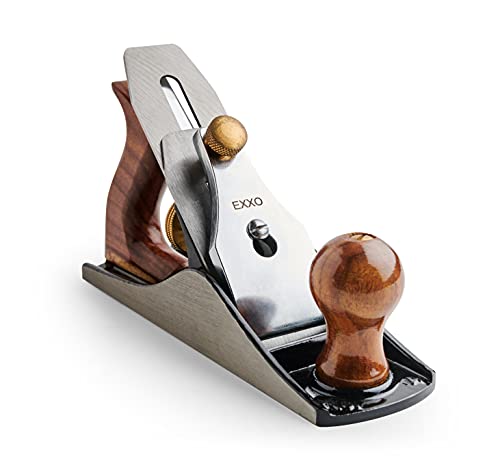
A No. 4 jack bench plane sits in the middle of the bench-plane world, and that middle position is useful more often than people expect. It’s the kind of tool that can smooth rough lumber, knock down high spots, and still stay manageable for everyday bench work.
Compared with the longer Groz No. 6, this EXXO plane should feel handier on shorter stock and smaller projects. The 9-inch body and 2-inch cutter point to a practical setup for makers and carpenters who want one plane that can cover several chores without becoming oversized.
Highlights
- Jack-plane format works across several woodworking tasks.
- Shorter body is easier to steer on smaller parts.
- Good match for flattening, thickness reduction, and smoothing.
- Useful in craft, carpentry, and general shop work.
Softer Spots
- It does not replace a longer fore plane for broad flattening.
- The listing leaves some setup details unclear.
- You may want to check blade sharpness regularly, since jack planes do their best work with a clean, even edge.
Details At A Glance
Whose Shelf It Belongs On
You’ll appreciate this plane most in a home shop or small cabinet setup where a single tool needs to handle several ordinary jobs.
Where A Sibling Pick Shines
STANLEY No. 4 Adjustable Bench Plane suits you better when you want a more established classic bench-plane layout and a cast-iron base.
This set pushes beyond the usual straight-plane shape and gives you more ways to work curved surfaces, flats, and awkward transitions. That flexibility matters in a shop where laminate, plywood, PVC, and shaped parts all show up on the same bench.
The ergonomic handle and included blades make it a more adaptable choice than the single-purpose feel of the compact POWERTEC or FIRSTINFO picks. The trade-off is that a multi-piece set can ask for a little more attention during setup and storage, especially in smaller tool drawers.
Best Bits
- Useful for both curved and flat surfaces.
- Ergonomic handle supports longer shaping sessions.
- Multiple blades add flexibility across materials.
- Works across carpentry and craft applications.
Minor Gripes
- More parts means more to keep track of.
- The kit style is less streamlined than a single plane.
- Blade changes and storage can take extra care in a busy shop.
Feature Rundown
Built With In Mind
This set suits carpenters and wood crafters shaping edges, curved sections, and mixed materials in one shop.
Another Choice May Suit
Saker Chamfer Plane (Combination Upgrade-6 Cutter Heads, Black) is a cleaner fit for straight chamfer tasks where you want a more focused edge-trimming tool.
Some tools feel built for long-term bench duty right away, and this STANLEY plane lands in that category. The cast-iron base, precision-ground sides and bottom, and hardened cutter give it a more traditional shop-plane profile than the lighter, more compact trimming tools in this list.
That kind of construction matters most in a busy woodworking setup, where you want predictable contact on the workpiece and easy blade adjustment. The honest read is that it’s a classic, steady option for people who prefer a familiar No. 4 format over newer multi-piece designs.
Upsides
- Cast-iron base adds stable bench presence.
- Precision-ground sides and bottom support better contact.
- Epoxy coating helps the body hold up over regular use.
- Manual cutter adjustment gives direct depth control.
- Well suited to classic bench-plane work.
Areas To Watch
- It is a traditional tool, so setup can take patience.
- The fixed No. 4 format is less specialized than a purpose-built chamfer or trimming plane.
- Keeping the sole clean matters, especially after dusty sanding or resin-heavy stock.
Spec Overview
Perfect Match For
You’ll like this plane most in a traditional woodworking shop where a steady No. 4 bench tool fits the way you work.
Consider Something Else When
FIRSTINFO Mini Woodworking Hand Plane (H5401) makes more sense for pocket-size trimming and tiny chamfer work on small parts.
A No. 5-style plane usually earns its keep by sitting between a smoother and a longer fore plane, and that middle size can be handy in a real shop. For mixed tasks, that balance gives you enough length for useful flattening without making the tool feel oversized.
Because the source data is sparse here, the listing asks you to judge this one more by format than feature detail. That makes it a sensible look for people who already trust the Stanley profile and want a general-purpose bench plane rather than a specialized edge tool.
Positives
- Middle-sized format can suit many bench tasks.
- Useful for woodworkers who want one versatile plane shape.
- Works as a bridge between detail tools and longer fore planes.
Small Caveats
- The source details leave much of the build story unstated.
- It may feel like a generalist choice rather than a focused specialty tool.
- You may want to confirm parts and setup preferences before committing to it for daily shop use.
At A Glance
The Right Fit
This plane suits you best for general bench work where a middle-ground tool is more useful than a specialist shape.
Look Elsewhere When
STANLEY No. 4 Adjustable Bench Plane is the better match for woodworkers who want the more familiar No. 4 layout with a clearly described cast-iron body.
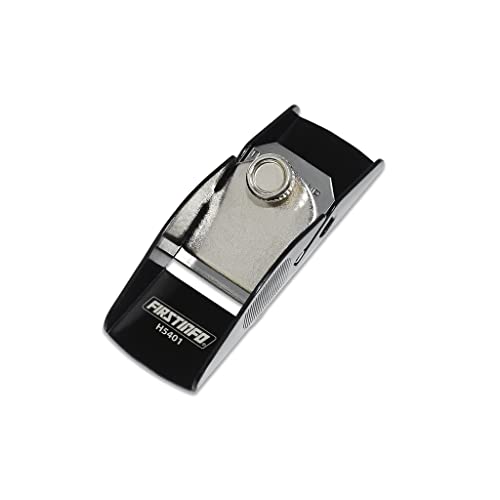
Small planes have a clear job, and this FIRSTINFO model stays squarely in that lane. Its tiny 3.38 by 1.14 by 0.94 inch footprint makes it easy to tuck into a tool roll, a drawer, or a pocket-sized kit for on-site touch-ups.
That size is a real advantage for quick trimming, smoothing, and chamfering on small parts, especially when a full bench plane would feel clumsy. The trade-off is reach, because compact tools shine on detail work and lose appeal once the surface area grows.
Bright Spots
- Very small body is easy to carry.
- Handy for trimming and chamfering tiny parts.
- Simple size makes storage easy in a packed kit.
Room For Improvement
- The miniature format is not suited to broad flattening.
- Short tools can take more care to keep tracking straight.
- Small blades often need regular cleaning after fine dust or sticky wood.
Core Details
Who Should Grab It
You’ll want this plane for small-detail work, kit bags, and quick fixes on trim-sized pieces.
Swap It Out When
POWERTEC Chisel Plane (72162) is the better choice for joinery cleanup and edge trimming on parts that need a little more tool body behind the cut.
Chamfer work can be repetitive, so a plane built around edge rounding and corner cleanup earns attention for all the right reasons. This Saker model adds an auxiliary locator, which points to more guided trimming on wood edges where consistency matters more than brute force.
Compared with the boeray spokeshave set, this option feels narrower in purpose and more centered on quick edge trimming. That focus helps for shop tasks like softening corners or cleaning up a fresh cut, though it also means you’re paying for specialty convenience rather than broad versatility.
Reasons To Buy
- Auxiliary locator helps guide edge trimming.
- Useful for chamfering and corner flattening work.
- Six cutter heads give the set broader setup flexibility.
- Black finish gives the tool a tidy, purposeful look.
Honest Caveats
- Specialty focus makes it less useful as an all-around bench plane.
- Multiple cutter heads mean more pieces to organize.
- Cleaning edge debris after use helps keep the locator area working smoothly.
Feature Snapshot
Best Suited To
This plane suits woodworkers who handle a lot of edge trimming, corner easing, and chamfer cleanup on finished pieces.
Reach For A Different Pick
STANLEY No. 4 Adjustable Bench Plane is the better fit for broader bench work that asks for a traditional general-purpose plane.
How To Choose The Right Bench Planes
Match The Plane To The Workpiece
Length matters more than many new woodworkers expect. A longer fore plane, such as the Groz No. 6, helps on panels and wider boards because the sole bridges dips and keeps the cut steadier, while a No. 4 jack plane feels easier to steer on shorter stock.
Detail jobs want the opposite approach. A compact chisel plane or mini block plane is better for plugs, edges, and small touch-ups because a long body can get in the way.
Look At Blade Control And Body Material
Blade adjustment shapes how predictable the plane feels. A manual depth and alignment system, like the one on the STANLEY No. 4, gives you direct control, which is useful in a home shop where you want to fine-tune without guesswork.
Body material also changes the experience. Cast iron usually brings more weight and a calmer glide on the work, while smaller mixed-material tools feel quicker in the hand but less planted.
Think About Shop Size And Storage
A crowded bench changes the equation fast. Compact planes such as the POWERTEC chisel plane or FIRSTINFO mini plane are easier to keep within reach, and that matters when you’re moving between glue-up cleanup, chamfers, and quick corrections.
Larger planes earn their keep only when you have room to use them properly. In a tight garage shop, a heavy fore plane can feel a bit like parking a truck in a narrow lane, useful but not always convenient.
Choose By Skill Level And Use Pattern
Beginners often do better with a familiar No. 4 format because it covers a broad set of tasks without demanding specialty technique. More experienced woodworkers may prefer a purpose-built chamfer tool or spokeshave set once their projects start mixing curved surfaces, sharp corners, and fine edge cleanup.
Match the tool to the jobs you repeat most. That keeps your bench plane from becoming a drawer ornament and makes the purchase feel useful from the first project onward.
Things Worth Knowing First
Wrong Turns To Avoid
Many shoppers choose a plane by brand alone and miss the format. A long fore plane, a No. 4 jack, and a chamfer plane all solve different problems, so the shape should come before the logo.
Another common mistake is overlooking storage and maintenance. A plane that looks simple still needs blade care, a clean sole, and room to live between sessions.
The Upgrade Payoff
More expensive bench planes usually spend the extra money on body material, machining, and finer adjustment. That can mean flatter contact surfaces, smoother control, and a tool that feels less rough around the edges.
That upgrade makes sense for frequent use, especially in a shop where you flatten panels, true edges, or do steady trim work. For occasional small jobs, a lighter specialty plane can be the smarter buy.
Frequently Asked Questions
What size bench plane works for general woodworking?
A No. 4 or No. 5 plane usually gives you the most flexible starting point. Those sizes sit in the middle enough to handle common bench tasks without feeling overly specialized.
Why does a longer plane help with flattening?
A longer sole bridges shallow dips and highs across the board. That gives you a more even reference as you work a panel or tabletop.
Do compact planes replace a full-size bench plane?
Not really, because they serve different jobs. Compact planes shine on trimming, chamfers, and small parts, while full-size planes handle broader shaping and flattening.
What matters more, body weight or blade sharpness?
Both matter, but blade sharpness usually shows up first in the cut. Body weight mainly affects how steady and planted the plane feels as you move across the wood.
How should you store a hand plane between projects?
Keep it dry, clean, and protected from knocks. A plane that sits in dust or moisture will usually need more attention the next time you reach for it.
Closing Remarks
The right bench plane depends on the kind of work you do most, not on a generic idea of what a woodworking tool should be. Broad flattening calls for length, detail cleanup calls for compact control, and mixed bench work often lands in the middle with a No. 4 or No. 5. You’ll save time and frustration by matching the plane to the shape of your projects, your bench space, and how much adjustment you want in hand. Choose the tool that fits your actual shop rhythm, and the rest tends to fall into place.