Bench planes still earn their keep in shops where you want flatter boards, cleaner edges, and less sanding later. For cabinet work, trim fitting, furniture repair, or rough lumber that needs taming, the right plane can feel like a steady hand rather than a noisy shortcut. The picks below lean toward different jobs, from compact block planes to fuller bench and jointer tools. That mix matters, because your best match depends on wood size, control, and how much material you want to remove.
The Shortlist At A Glance

Groz BP/220 Fixed-Mouth Block Plane
EXXO No.4 Jack Bench Hand Plane
Big Horn 19316 No. 4 Smoothing Bench Plane
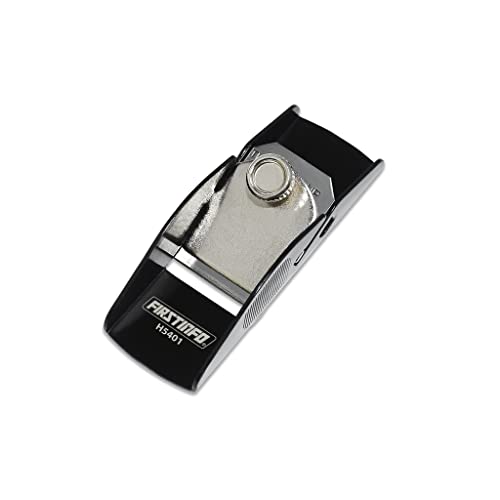
FIRSTINFO Mini Woodworking Hand Plane H5401

Makita 2012NB 12-Inch Portable Planer
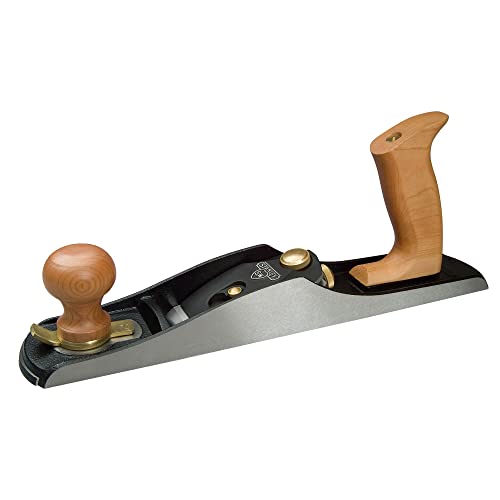
Stanley 1-12-137 62 Low Angle Sweetheart Jack Plane

GreatNeck C4 Bench Hand Plane

CRAFTSMAN CMEW020 Benchtop Jointer
More Details On Our Top Picks
The Groz BP/220 fits the kind of shop task that comes up fast, a trimmed edge, a broken corner, or a quick chamfer before assembly. Its fixed mouth gives it a more set-and-go feel than adjustable planes in this list, and the 42 mm cutter gives you a broad working edge for a small body.
The honest read is that this kind of plane rewards controlled hands more than brute force. The 180 mm body stays compact enough for one-handed work on smaller stock, so it makes sense for furniture touch-ups, trim fitting, and general woodworking where portability matters.
Strong Points
- Fixed-mouth design keeps the setup straightforward for routine edge work.
- Compact 180 mm body is easier to steer on narrow stock.
- 42 mm cutter covers a useful width for quick passes.
- 21 degree blade angle suits chamfering and trimming jobs.
Things To Consider
- Shorter planes can feel less forgiving on long, flat surfaces.
- Fixed-mouth tools leave less room for tuning around difficult grain.
- Compact size helps storage, but it also means less mass behind the cut.
Feature Snapshot
Who It Suits Best
You fit this plane best when your projects lean toward trim, edging, and small workshop corrections rather than long flattening runs.
Where A Sibling Pick Shines
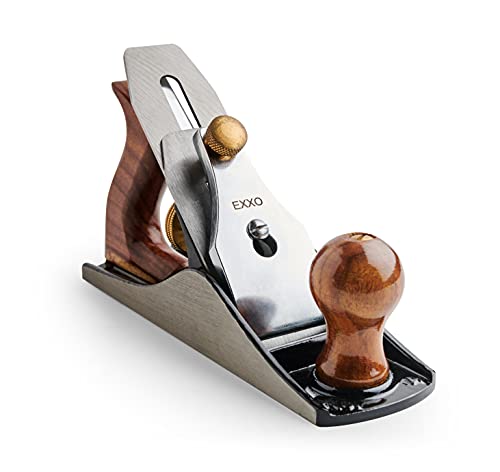
EXXO No.4 Jack Bench Hand Plane makes more sense for a home woodworker who wants a broader jack-plane setup for flattening and stock reduction.
This EXXO jack plane sits in the middle ground between small trimming tools and heavier smoothing planes. The 9 inch format and 2 inch cutter point toward stock flattening, which is the kind of job that shows up in a rough lumber workflow or a weekend woodworking bench.
For most shops, that middle-ground role is useful because it can handle more than edge touch-ups without feeling oversized. The trade-off is the same one you get with many jack planes, it wants a steady hand and a bit of tuning before it settles into smooth work.
What We Like
- Jack-plane sizing gives you a good balance of control and coverage.
- 2 inch cutter helps with broader passes on rough stock.
- Adjustable edge setup gives you room to refine the cut.
- Useful for woodworking, craft, and carpentry benches alike.
Room For Improvement
- Jack planes usually need a careful setup before they feel smooth.
- The larger body is less nimble than the Groz or FIRSTINFO picks.
- Storage and maintenance take a little more space than a block plane.
Core Details
Made For
You suit this plane best when your work includes rough boards, hobby joinery, and general prep before finer smoothing.
A Better Fit Elsewhere
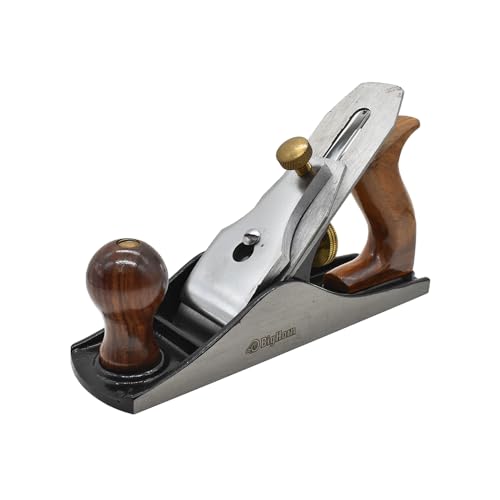
Big Horn 19316 No. 4 Smoothing Bench Plane is the smarter pick for someone who wants the last smoothing step more than rough flattening.
The Big Horn 19316 is aimed at the stage where the board already has shape, and you want a cleaner face before finishing. A No. 4 smoothing plane sits a little more toward surface refinement than a jack plane, so it makes sense for cabinets, tabletops, and other visible work.
That high carbon steel blade is the detail that stands out most here, because blade material shapes how long you can keep a keen edge in regular shop use. Compared with the EXXO jack plane, this one is more about surface refinement than heavy stock removal, which is exactly the split many woodworkers need.
Highlights
- No. 4 format suits smoothing work on finished faces.
- High carbon steel blade gives you a durable cutting edge for routine shop use.
- 9 inch body keeps the tool manageable on benchtop projects.
- Better match for final passes than the deeper-cut jack style.
Softer Spots
- It is less suited to major thickness reduction than a jack plane.
- Edge care matters, since smoother results depend on a keen blade.
- Bench storage is simple, but the body is still larger than a block plane.
Details At A Glance
Right Fit For
You fit this tool best when your boards are already close and you want a cleaner surface before stain or finish.
Another Choice May Suit
Groz BP/220 Fixed-Mouth Block Plane is the better companion for trim work and small chamfers on narrower stock.
Size is the whole story here, and the FIRSTINFO H5401 keeps that story very simple. At 3.38 by 1.14 by 0.94 inches, it slips into a toolbox or project bag without asking for much room, which makes it useful for quick shop corrections and light trim work away from a full bench.
One thing worth considering is that tiny planes trade reach for portability. That works well for model work, small repairs, and travel toolkits, while the Big Horn and EXXO planes make more sense once you need a steadier platform for broader surfaces.
Bright Spots
- Very small footprint makes it easy to carry around a jobsite or hobby bench.
- Useful for trimming, smoothing, and chamfering light edges.
- Lightweight form is handy for quick touch-ups and tight storage.
- Well suited to kits where space matters more than reach.
Points To Note
- Small size means less control on larger boards.
- Short length limits the kind of smoothing you can expect on wide stock.
- It needs careful storage so the compact body does not get misplaced in a crowded bag.
Feature Card
Who Will Love This
You suit this plane best if you keep a small kit for repairs, craft work, or portability-first projects.
Look Elsewhere When
STANLEY 1-12-137 62-Low Angle Sweetheart Jack Plane is a better fit for thicker stock and more demanding bench work.
The Makita 2012NB moves out of hand-plane territory and into portable powered planing, which changes the whole rhythm of the job. A 12-inch planer is about flattening and thickness reduction in repeated passes, so it suits a garage shop, small millwork space, or any setup where you need consistency across multiple boards.
Compared with the manual planes above, this is the pick that trades tactile control for speed and repeatability. That trade-off pays off most when you process boards often, because hand fatigue and uneven passes become much less of a concern.
Upsides
- Powered feed takes a lot of strain out of repeated thickness work.
- 12-inch format gives you a useful size for common lumber widths.
- Well suited to batch jobs where identical thickness matters.
- Good step up from hand planes for busy home shops.
Minor Gripes
- It takes more floor or bench space than any hand plane in this list.
- Powered planers need dust management and room to stage boards.
- Setup matters more than with a simple block or smoothing plane.
Quick Facts
Whose Shelf It Belongs On
You suit this planer best if you work through stacks of lumber and want less manual shaving between glue-ups.
Skip It When
Groz BP/220 Fixed-Mouth Block Plane is the better fit for tiny trim tasks, quick edge easing, and tools that stay easy to carry.
The Stanley 62 low-angle jack plane is the sort of tool that earns attention from people who deal with tricky grain often. A low angle means the blade meets the wood more shallowly, which can help the cut feel smoother on end grain, figured boards, and material that likes to tear out.
That makes it a more specialized choice than the EXXO jack plane, and a more refined one than the GreatNeck. The honest read is that you get more flexibility and better control, but you also pay for a tool that makes the most sense once your shop standards are already fairly high.
Reasons To Buy
- Low-angle geometry suits difficult grain and end-grain work.
- Jack-plane format gives you broad use across prep tasks.
- Useful in shops that want one hand plane with real range.
- Better fit for cleaner cuts on more demanding material.
Small Caveats
- It asks for a bit more skill than a simple trim plane.
- Low-angle tools can feel less forgiving until you get the setup right.
- More refined hardware usually means you’ll want to protect the blade edge during storage.
Feature Rundown
Best Suited To
You suit this plane best if you work on figured stock, end grain, or mixed-use bench projects that need a versatile cutter.
Reach For A Different Pick When
Big Horn 19316 No. 4 Smoothing Bench Plane is the simpler choice for mostly final-pass smoothing on boards that are already close.
The GreatNeck C4 is the classic cast-iron bench plane story, sturdy in feel and straightforward in purpose. Its 9 inch body and 2 inch cutter give it enough reach for general bench use, while the plastic handles aim to keep the grip comfortable during longer passes.
That mix makes sense for a shop that wants a straightforward tool without moving into the more specialized feel of the Stanley low-angle plane. It is not flashy, but it covers the common jobs many people want from a starter or backup bench plane.
Best Bits
- Cast iron body brings a solid, traditional bench-plane feel.
- Adjustable blade control lets you tune the cut for different stock.
- 9 inch length works well for general bench tasks.
- Ergonomic plastic handles help during longer sessions.
Areas To Watch
- It may feel basic beside the Stanley or Makita picks.
- Plastic grips can feel less premium than all-metal alternatives.
- Routine cleaning matters, since cast-iron tools are easier to keep in shape when stored dry.
Technical Sheet
The Right Fit
You suit this plane best if you want a straightforward bench tool for general woodworking and don’t need premium refinement.
Swap It Out When
FIRSTINFO Mini Woodworking Hand Plane H5401 is the better call for ultralight portability and tiny repair kits.
The CRAFTSMAN CMEW020 is less about hand-planing feel and more about powered edge work, which gives it a place in this roundup for shops that need jointer-style prep. A 10 amp corded motor with up to 22,000 cuts per minute points to a tool built for steady stock flattening and edge preparation on a small-shop bench.
Compared with the Makita planer, this feels more focused on jointer duties than thickness reduction, so it serves a different lane even though both are powered tools. You may find it especially useful in a garage workshop where straight edges matter before glue-up, and where a corded setup is easier to manage than a hand tool marathon.
Standout Traits
- Powered cutting speed supports quick edge prep work.
- 10 amp corded setup suits a fixed shop station.
- Handy for straightening stock before joinery.
- Useful upgrade for woodworkers who outgrow manual edge work.
Honest Caveats
- It takes more bench space than any hand plane in the list.
- Powered tools bring more noise and setup than simple manual planes.
- Corded use means your layout needs to account for outlet access.
Core Details
Built With In Mind
You suit this jointer best if your shop workflow centers on square edges, glue-up prep, and repeat work at a fixed bench.
Where Shoppers Go Wrong
Makita 2012NB 12-Inch Portable Planer is the stronger match for thickness reduction, especially when you need a portable machine instead of a jointer-style setup.
How To Choose The Right Bench Planes
Start With The Job, Not The Tool
The right plane starts with the task in front of you. Trim and chamfer work call for a block plane like the Groz BP/220, while rough flattening points you toward a jack plane such as the EXXO No.4 or STANLEY 62.
Smoothing planes sit one step later in the workflow, where surface quality matters more than fast material removal. That is why the Big Horn 19316 makes sense after your board is already close and you want fewer ridges before finishing.
Match Length To Your Workspace
Short planes are easier to carry and steer, but they do less to bridge small dips in a board. The FIRSTINFO H5401 is a good example of portability first, while the 9 inch bench planes give you more control on standard shop stock.
Longer tools and powered machines demand more room to stage work. A benchtop jointer or portable planer fits a fixed workshop better than a cramped bench where every pass needs to be choreographed.
Blade Angle And Cutter Width Matter More Than Hype
Blade angle changes how the tool meets the wood, which is why the Stanley 62 low-angle jack plane can feel calmer on tricky grain. Cutter width affects how much surface you cover with each pass, so the EXXO’s 2 inch cutter and the Groz’s 42 mm cutter serve different jobs.
Those numbers are not just shop jargon, they shape how many passes you make and how much effort each one takes. Wider cutters help on broader stock, while lower angles often help when grain direction gets stubborn.
Comfort, Storage, And Routine Care
A plane that sits well in your hands gets used more often, which is why handles, body weight, and balance matter. Cast iron bodies such as the GreatNeck C4 feel steady, but they do ask for dry storage and a little routine care to stay in shape.
Small tools are easier to stash, though they can disappear in crowded drawers or tool rolls. That trade-off is simple enough to remember, compact tools are convenient, but they reward organized storage.
What To Weigh Before You Choose
Common Shopping Slip Ups
One common mistake is buying a smoothing plane for rough flattening, then wondering why the cut feels slow. Another is choosing a tiny block plane for work that really needs more length and mass.
Blade setup gets overlooked too, and that matters because many bench planes need a little tuning before they feel right. A quick clean, a sharp edge, and proper storage go a long way in this category.
What The Higher Tier Buys
More expensive options usually pay for better machining, stronger materials, or a design that feels more predictable in use. That shows up most in low-angle planes like the Stanley 62 and powered tools like the CRAFTSMAN CMEW020, where control and consistency matter.
The upgrade makes sense once you use the tool often or work on tougher grain. For casual trim jobs, a simpler plane is enough, and the extra money can stay in your pocket.
Frequently Asked Questions
What Size Bench Plane Works For Most General Shop Tasks?
A No. 4 style plane is a sensible middle ground for smoothing and light flattening. A shorter block plane works better for trim, edges, and tight spaces.
Do Low-Angle Planes Help With Difficult Grain?
Yes, a low-angle design can be a smart choice for figured wood and end grain. The Stanley 62 in this list is the clearest example of that approach.
Should You Choose A Manual Plane Or A Powered Tool?
Manual planes suit quiet, precise work and smaller jobs. Powered tools make more sense when you process boards often or need repeat thickness work.
How Much Space Do You Need For A Benchtop Planer Or Jointer?
You need enough room for infeed and outfeed, not just the machine itself. A fixed workshop handles that much better than a crowded multipurpose table.
What Maintenance Matters Most For Bench Planes?
Keep the blade sharp, the sole clean, and the tool dry after use. That routine helps the plane cut better and stay easier to tune over time.
Closing Thoughts
The best plane for you depends on the work you do most, not on how impressive the tool sounds on paper. Trim and chamfer jobs point toward compact block planes, rough boards call for jack planes, and finished surfaces reward a smoother touch. Once your shop moves into steady stock prep, the Makita and CRAFTSMAN powered options step in with a different kind of efficiency. Pick the tool that matches your bench habits, and the work tends to feel a lot less forced.