Black sheet metals cover a lot of ground, from thin aluminum blanks for engraving to thicker steel plates for repairs, trim work, and custom builds. That range matters, because the right sheet for a craft desk is not the same as the right sheet for a kitchen gap, a dashboard panel, or a welded part. You get a much better result when the material matches the job instead of forcing one sheet to do everything. This roundup keeps that choice practical.
Quick Look At Our Top Black Sheet Metal Picks

Polvtor 6 Pack Black Plastic Sheet 8x12x0.04 in Flexible Plastic Sheets
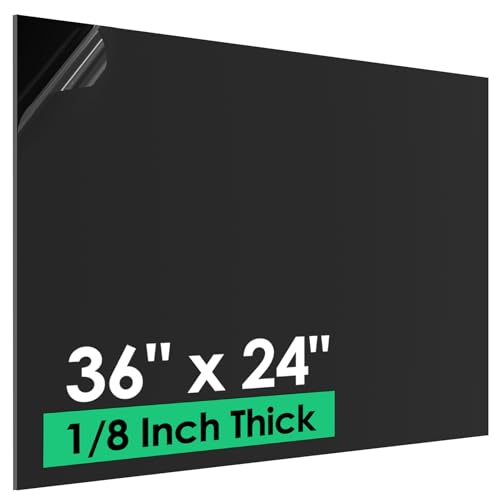
CREGEAR ABS Plastic Sheet 1/8 x 36 x 24 Black Rigid Thermoplastic Board

KAITELA ABS Plastic Sheet 18 x 24 x 1/8 Thick Black Thermoplastic Sheet
Amylove 304 Brushed Stainless Steel Trim Strip Black 2 x 30 Inch

Gisafai 2 Pcs Decorative Cloverleaf Aluminum Sheet 24 x 36 x 0.02 Black

WENHUALI 4 Pcs 20 Gauge Steel Sheet Metal 12 x 6 Cold Rolled Steel Plate

LOYORTY 4PCS 6 x 12 x 1/25 Black Anodized Aluminum Sheet 1MM Engraving Blanks

LOYORTY 4PCS 12 x 12 x 1/32 Black Anodized Aluminum Sheet 0.8MM Engraving Blanks
More Details On Our Top Picks
Thin, flexible sheets like this tend to suit hobby benches, classroom projects, and quick mockups where you need black material without much weight. The 8 by 12 inch size keeps handling simple, and the 0.04 inch thickness makes it easier to cut than a rigid plate. That trade-off is plain, though, because you are choosing adaptability over stiffness.
Compared with CREGEAR’s ABS sheet, this Polvtor pack feels more approachable for lightweight work than for structural panels. It fits nicely for home décor accents, model parts, and craft cutouts, especially when you want several pieces instead of one large board. The honest read is that it’s more of a utility stack than a showpiece material.
Strong Points
- Flexible format makes hand cutting and trimming less of a chore.
- Small sheet size is easier to store in a drawer or craft bin.
- Useful for layered décor, templates, and lightweight mockups.
- Pack quantity gives you more room for mistakes on practice cuts.
Room For Improvement
- Thin plastic will not satisfy jobs that need real rigidity.
- The compact size can feel limiting for larger panels or signage.
- Smooth handling still matters, since thin sheets can mark up during storage.
Core Details
Who It Suits Best
Craft hobbyists, teachers, and home decorators who need lightweight black sheet material for small parts will get the most from it.
A Better Fit Elsewhere
KAITELA’s ABS Plastic Sheet makes more sense for anyone who wants a sturdier thermoplastic panel with more room to work.
The dual-surface layout is the big story here: one face is textured, the other smooth, so you can choose the finish that fits the job. ABS, short for acrylonitrile butadiene styrene, is a rigid thermoplastic known for taking impact well and holding up better than many casual craft sheets. In a garage or sign shop, that flexibility of finish can save time.
Unlike the thinner Polvtor pack, this sheet is built more like a true panel, so it makes more sense for signage, control faces, and cleaner project edges. It does ask for more deliberate cutting, and the larger size can be awkward on a cramped desk. For makers who want one material with several surface options, that’s a fair trade.
What We Like
- Textured and smooth faces give you two finish choices in one sheet.
- Large format works well for signs, covers, and wider panels.
- ABS construction suits projects that need a firmer, more dependable board.
- The size can help reduce seam lines on single-piece layouts.
Things To Consider
- Bigger dimensions can be less convenient to store and handle.
- Rigid plastic usually asks for better tools and cleaner cutting lines.
- Surface choice is useful, but you still need to plan the final finish.
Feature Snapshot
Right Fit For
Sign makers, DIY tinkerers, and hobby builders who want a large black ABS panel with two usable faces will appreciate it most.
Look Elsewhere When
WENHUALI’s 20 Gauge Steel Sheet Metal suits projects that need weldable metal instead of thermoplastic.
This KAITELA sheet lands in the useful middle ground between the smaller craft pack and the larger CREGEAR board. At 18 by 24 inches and 1/8 inch thick, it gives you enough working area for panels, covers, and props without becoming unwieldy. The textured and smooth finishes add a little more room to choose the final look.
It also suits jobs that need easier forming than acrylic, since ABS is generally easier to bend and shape with heat. That matters in home builds, dashboard-style panels, and custom protective covers where a little flex can help. The catch is simple, it still needs careful cutting to stay neat.
Highlights
- Mid-size sheet keeps it manageable on a worktable.
- ABS material gives you a practical mix of form and strength.
- Two finished faces help with visible surfaces and hidden backs.
- Works across hobby, repair, and light fabrication tasks.
Minor Gripes
- Large enough to need planning, small enough to waste less than a full board.
- Heat-forming still calls for patience and a steady hand.
- The smoother face can show handling marks during setup.
Details At A Glance
Whose Shelf It Belongs On
Hobbyists and home fabricators who want a versatile black ABS sheet for panels, templates, and covers will find the format easy to live with.
Another Choice May Suit
CREGEAR’s ABS Plastic Sheet is the stronger match for anyone who wants a full 36 by 24 inch board for larger layouts.
This trim strip speaks to a very different use case from the plastic sheets above, because it is meant to finish edges, not serve as a blank panel. The 304 stainless steel base gives it the feel of a hardwearing finishing piece, while the black look keeps it visually quiet on kitchen and home surfaces. In a busy kitchen, that kind of gap filler can tidy the line between two surfaces without drawing attention.
The trade-off is obvious, though, since a trim strip is narrow and specialized compared with the broader ABS or aluminum sheets in this roundup. You gain precision and a cleaner finish, but you lose surface area for custom shaping. For homeowners focused on neat detailing, that’s often exactly the point.
Best Bits
- Made for edge finishing, so it fills a narrow role very well.
- Stainless steel construction feels suited to regular household use.
- The slim size helps you patch visual gaps with less fuss.
- Black finish blends more easily into modern interiors.
Areas To Watch
- Its narrow width limits it to trim and gap-cover tasks.
- Installation usually needs careful alignment for a neat result.
- Cleaning around seams can take a little extra attention.
Technical Sheet
The Right Fit
Homeowners and installers who want a neat black trim piece for kitchens or interior finishing work will get the most out of it.
Swap It Out When
LOYORTY’s 12 x 12 anodized aluminum sheet suits anyone who needs a full panel for engraving or décor rather than a strip.
The perforated cloverleaf pattern gives this aluminum sheet a decorative edge that plain panels cannot match. At 24 by 36 inches and just 0.02 inch thick, it reads as a light-duty surface for visual projects rather than load-bearing work. That makes it a natural fit for indoor accents, outdoor decorative panels, and places where texture matters as much as color.
Compared with the plain ABS sheets, this one is more about airflow, light play, and pattern than about clean blank coverage. The thin build also means you’ll want a careful hand during handling and mounting. For decorative work, though, the finished look can carry more of the visual load than a solid plate.
Upsides
- Decorative cutout pattern adds visual interest right away.
- Large sheet size gives you room for wall or panel coverage.
- Thin aluminum keeps the material light for decorative installs.
- Useful for projects where a plain solid sheet would feel flat.
Softer Spots
- Very thin material is better for décor than for demanding support.
- Perforated design needs more careful handling during installation.
- Cleaning can take a little extra attention around the openings.
Core Details
Best Suited To
Decorators and hobby builders who want a patterned black aluminum sheet for panels, accents, or display pieces will feel at home with it.
Where A Sibling Pick Shines
Amylove’s stainless steel trim strip is the better call for tidy edge work in kitchens or narrow finishing zones.
This is the first option in the group that clearly leans toward fabrication work, thanks to its cold-rolled steel build and weldable format. Twenty gauge means the sheet is relatively thin for steel, yet still more serious than the plastic picks above, so it can suit repairs, brackets, and precision cuts in a workshop. The unpolished finish keeps the material straightforward rather than decorative.
Compared with the trim strip and decorative aluminum sheets, this WENHUALI set is about function first and appearance second. It is also the most likely choice for anyone who wants metal that can take bending and regular shop handling without feeling fragile. The honest trade-off is weight and finishing effort, since raw steel usually asks more from your tools and cleanup.
Positives
- Cold-rolled steel suits workshop fabrication and repair tasks.
- Weldable format opens the door to more serious projects.
- Set of four helps with repeat cuts or matched parts.
- Small plate size can be handy on a bench or vise.
Small Caveats
- Raw steel usually needs more finishing care after cutting.
- Smaller sheets may not suit wider panel projects.
- Storage should stay dry to keep surface care simple.
Spec Overview
Built With In Mind
Fabricators, metal hobbyists, and repair-minded DIYers who want small weldable steel plates will get the most from this set.
Reach For A Different Pick When
Polvtor’s black plastic sheet works better for lightweight craft work that doesn’t need steel-level handling.
The size here is the main appeal, because 6 by 12 inches is easy to manage on a desktop laser setup or a small craft table. Anodizing is a surface treatment that hardens the outer layer of aluminum and helps the black finish stay consistent, which matters for engraving blanks and decorative pieces. In small-format work, that kind of uniformity saves time during layout.
It also sits in a more specialized lane than the larger KAITELA and CREGEAR sheets, since it favors blanks and compact signs over broad coverage. The thinner 1 mm profile is handy for engraving, but it does not ask the sheet to do heavy-duty work. For tabletop makers, that is usually the sweet spot.
Bright Spots
- Small size fits compact cutters and desktop craft spaces.
- Anodized finish gives engraving projects a cleaner visual base.
- Pack of four gives you room for practice and repeats.
- Good shape for tags, plates, and small display pieces.
Worth Noting
- Small blanks are less suited to larger signs or panels.
- Thin aluminum is better for engraving than for structural work.
- Surface marks can show up if storage gets rough.
Feature Card
Who Should Grab It
Desktop engravers, crafters, and people making small black labels or signs will appreciate the compact format.
Where Shoppers Go Wrong
WENHUALI’s steel sheet is the better path for anyone who needs something weldable rather than an engraving blank.
This LOYORTY set keeps the same engraving-friendly idea as the smaller 6 by 12 option, but the 12 by 12 format gives you a larger canvas for signs, nameplates, and décor. At 0.8 mm thick, it stays in the thin-plate range, so layout and cutting remain manageable for light craft work. In a home shop, that extra square surface can make spacing and alignment much easier.
Compared with the other LOYORTY blank, this one gives you more room to spread out a design without stepping into the heavier steel category. It still belongs in the decorative and engraving lane, not the structural one. For many people, that wider footprint is the more useful version of the same idea.
Reasons To Buy
- Square format works nicely for signs and wall décor.
- Thin anodized aluminum suits engraving and light crafting.
- Four-piece pack supports repeated projects or backups.
- More surface area than the smaller LOYORTY blank.
Points To Note
- Thin metal is better for display work than for heavy use.
- Large blank size can create more waste on tiny designs.
- Storage should stay flat to keep handling simple.
Core Details
Perfect Match For
Sign makers, décor crafters, and engraving hobbyists who want a larger black anodized blank will get the most from it.
Skip It When
Polvtor’s flexible plastic sheet is a better fit for lightweight cutouts that do not need metal at all.
How To Choose The Right Black Sheet Metals
Match The Material To The Job
Black sheet metals are not all serving the same purpose, and that matters more than the color on the label. Plastic sheets work well for lightweight craft jobs, ABS panels suit signs and covers, stainless trim handles finishing work, and steel belongs in fabrication or repair. The first decision is really about stiffness, cutting behavior, and the amount of load the sheet needs to handle.
In a home shop, a thin aluminum blank can be the right call for engraving, while a cold-rolled steel plate makes more sense for weldable parts. The material tells you how much shaping effort you’ll need and how much cleanup comes after the cut. That simple match saves time and frustration.
Look Closely At Thickness And Size
Thickness changes both feel and use. A 0.04 inch plastic sheet bends far more easily than a 20 gauge steel plate, and a 36 by 24 inch ABS board solves a different problem than a 6 by 12 engraving blank. Larger sheets reduce seams, but they also take more storage space and can be harder to handle on a small bench.
You’ll also want to think about waste. Small project parts fit neatly on compact blanks, while décor panels or larger signs benefit from broader surfaces that leave room for layout mistakes. The right dimensions make the job look planned instead of patched together.
Choose Surface Finish With A Real Use Case In Mind
Texture, anodizing, and brushed surfaces are not just visual details. A textured ABS face can help with grip or hide handling marks, while a smooth side is easier to present cleanly on a visible panel. Anodized aluminum gives engraving blanks a more uniform look, and a brushed stainless trim strip fits home finishes without shouting for attention.
Think about where the sheet will live once installed. Kitchen trim, display pieces, and wall accents benefit from surfaces that stay visually calm, while workshop parts care more about cut quality and durability than appearance. The finish should support the job, not fight it.
Plan For Cutting, Forming, And Storage
Thin plastics are friendlier to hand tools, but they can scratch or warp more easily. Steel needs more effort and cleaner shop habits, while aluminum often sits between those two extremes. If your setup is basic, choose the sheet that works with your tools instead of against them.
Storage matters too. Flat stacking helps keep thin blanks from bending, and keeping raw steel dry simplifies upkeep. A material that fits your workspace will usually serve you longer than one that only looks right on paper.
A Quick Reality Check
Mistakes Worth Dodging
People often mix up decorative sheets and structural sheets, then wonder why a thin blank feels too delicate. Another common slip is buying a large board for a tiny job, which leaves you with more waste than progress. Start with the task, then choose the size and thickness around it.
Surface finish causes trouble too. A smooth face can show marks faster, and a perforated design can be awkward where you really need a solid panel. Match the finish to the final location, not just the photo on the listing.
The Upgrade Payoff
Higher-tier options in this category usually cost more because they give you better material consistency, more usable surface area, or a finish that makes the final result look cleaner. That extra spend also buys more convenience, since a dual-surface ABS sheet or a larger anodized blank can simplify layout and reduce compromise. The difference shows up most in projects you expect to keep or display.
That upgrade is easier to justify for signs, kitchen trim, and precision builds than for rough practice pieces. For throwaway mockups or one-off shapes, a simpler sheet often makes more sense. The value comes from fit, not from chasing the fanciest material on the page.
Frequently Asked Questions
What does ABS add to a black sheet?
ABS is a rigid thermoplastic, so it usually brings more form and impact tolerance than basic craft plastic. It suits panels, covers, and signs where you want a firmer sheet without stepping into metal.
Is anodized aluminum good for engraving?
Anodized aluminum is a common fit for engraving blanks because the surface treatment helps create a clean, even look. It works especially well for labels, plaques, and small décor pieces.
Why choose 304 stainless steel trim?
304 stainless steel is a practical choice for trim because it gives you a durable metal base for finishing edges. The narrow shape makes it more about neat coverage than broad sheet work.
How do you choose between 12 x 12 and 6 x 12 sheets?
The 12 x 12 format gives you more room for centered designs and signs. The 6 x 12 size is easier to store and fits smaller engraving jobs with less waste.
What matters most for workshop steel sheets?
Gauge, size, and whether the sheet is weldable matter most for shop work. A 20 gauge cold-rolled plate suits small fabrication jobs better than a thin decorative blank.
Final Thoughts
The best black sheet metal for your project depends on whether you need flexibility, finish, or true fabrication strength. Thin plastic sheets are handy for quick craft work, ABS handles panels and covers with more structure, and steel belongs where cutting and welding matter. Decorative aluminum sheets bring a visual layer that plain panels do not. Pick the material that matches the job, and the rest of the project gets easier.