

Choosing a brazing rod for steel work gets easier once you match the rod to the metal, the joint size, and the kind of repair sitting on your bench. Some of these picks suit everyday fixes on steel, cast iron, and copper, while others lean toward aluminum, brass, or arc welding tasks that belong in a different corner of the toolbox. The right match saves frustration, especially on a busy repair day when you want the rod to flow cleanly and leave you with less cleanup.
That’s why this roundup stays focused on real-use fit. You’ll see which rods make sense for field repairs, hobby projects, pipe work, and heavier fabrication, plus the trade-offs that matter before you commit to a pack.
Quick Look At The Shortlist

Bernzomatic Bronze Flux-Coated Brazing and Welding Rods 4-Pack 12-Inch

Hobart 770206 Brazing Rod 1/8-Inch by 18-Inch 7-Pack Aluminum

Aluminum Welding Rods Low Temp Flux-Cored Aluminum Brazing Rods 50Pcs Low Temperature Easy Melt

Tandefio 24 Pcs Low Temperature Universal Welding Rod Sticks Classic
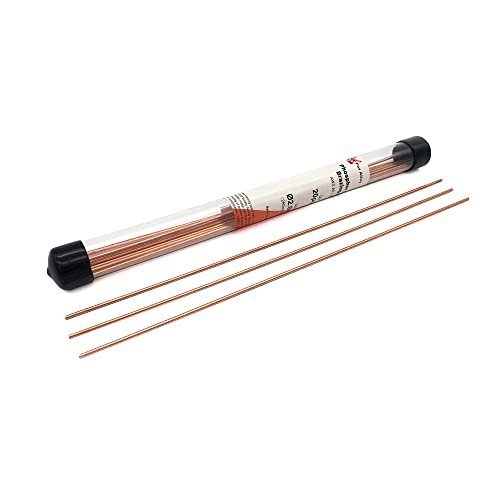
20pcs Copper Brazing Rods BCuP-2 2mm Self Fluxing Brass Brazing Rod Sticks Bcup-2 20PCS

Bernzomatic NS3 Nickel-Silver Flux Coated Brazing/Welding Rods 2-Piece Blue

ARCCAPTAIN E7018 Welding Rod 3/32 5LB Low Hydrogen Carbon Steel Welding Sticks Electrodes

Moxweyeni 40 Pcs Brass Rods 1.5/2 mm Brass Brazing Rods 1.5 mm
More Details On Our Top Picks
Bronze rods like this one make sense for the bench where steel, cast iron, and copper repairs all show up in the same week. The flux coating matters because it helps the filler move more cleanly across the joint, so you spend less time fighting surface contamination. Its 12-inch length also gives you room to work without feeling cramped over a hot joint.
The trade-off is simple, this is a general-purpose repair rod, not a specialty answer for every metal. The stated working range of 1,595° to 1,630° F gives you a useful reference point for torch work, but the rod still asks for controlled heat and a steady hand. For garage fixes, hardware maintenance, and farm-style patch jobs, that balance feels sensible.
Strong Points
- Bronze filler suits several common repair metals.
- Flux coating helps reduce extra prep on the joint.
- 12-inch rods give you decent reach around awkward seams.
- Good fit for a home shop that sees mixed repairs.
Things To Consider
- It’s a general-use option, so specialty jobs may call for a narrower match.
- Flux residue still means cleanup after the joint cools.
- You’ll want solid torch control for consistent results.
Feature Snapshot
Who It Suits Best
You’re a solid match for this rod set if your projects swing between steel touch-ups, cast iron fixes, and copper joints around the garage or workshop.
A Better Fit Elsewhere
Hobart 770206 Brazing Rod suits you better when your work stays on aluminum and you want a longer 18-inch rod for a different kind of setup.
This Hobart pack takes a narrower path than Bernzomatic’s bronze set, because it’s aimed at aluminum rather than mixed-metal repair. The 18-inch length gives you more reach, which helps on longer seams or when you want to keep the torch hand farther from the work. That extra reach can feel welcome on a bench setup, though it also means you’ll want a little more storage space.
Seven rods is a practical count for someone who handles repeat aluminum tasks and wants a tidy stash rather than a huge bundle. The honest read is that the aluminum-only focus is both the strength and the limit, since it won’t cover the steel repairs that the first pick handles more comfortably. For radiator-like light fabrication or general aluminum maintenance, it makes a lot of sense.
What We Like
- Longer 18-inch rods give you more working reach.
- Aluminum focus keeps the choice straightforward.
- Seven rods suit routine shop use without clutter.
- Good match for aluminum-specific repair habits.
Room For Improvement
- It stays centered on aluminum, so it won’t replace a steel repair rod.
- The longer rods need a bit more storage room.
Core Details
Who Should Grab It
You’ll get the most from this rod set in an aluminum-focused workspace where longer rods and a simple pack count fit the way you already work.
Where A Sibling Pick Shines
Bernzomatic Bronze Flux-Coated Brazing and Welding Rods is the better match for steel, cast iron, and copper repairs that demand more material flexibility.
For repeat aluminum repairs, this 50-piece pack gives you a lot of runway before you need another order. Flux-cored means the flux sits inside the rod rather than needing a separate coating layer, which simplifies the setup for light repair work. That can be a real help in a busy garage where you want fewer steps and a smaller pile of extras on the bench.
Its low-temperature focus is the part that matters most, because easier melting is usually more comfortable for thin or delicate aluminum pieces. The catch is that the item is clearly built around aluminum only, so it doesn’t belong in the same conversation as the bronze or nickel-silver picks for steel. For volume-minded aluminum work, though, the pack size is hard to ignore.
Highlights
- Large 50-piece count supports frequent use.
- Flux-cored design reduces setup clutter.
- Low-temperature behavior suits lighter aluminum jobs.
- Good for keeping a spare supply in the workshop.
Small Caveats
- Aluminum-only use keeps it from handling steel repairs.
- Big packs take more drawer or bin space.
- Delicate parts still call for careful heat control.
Details At A Glance
The Right Fit
This suits you best for repeated aluminum fixes, especially in a workshop where a larger rod supply matters more than a broad material range.
Another Choice May Suit
Bernzomatic Bronze Flux-Coated Brazing and Welding Rods is a better match for steel and cast iron work that needs more material flexibility.
This Tandefio pack leans toward beginner-friendly handling because it’s built around low-temperature use and a fairly simple rod count. Compared with the aluminum-only Hobart and guangfan picks, it reads more like a general light-repair option for mixed household or shop tasks. That broader setup can be handy on a workbench where you do not want a separate pack for every small job.
One thing worth considering is that “universal” in product names often sounds broader than the real fit, so a close look at your base metal still matters. The rod style is better for light repairs and learning the rhythm of filler flow than for heavier structural work. For beginners and casual repair jobs, that’s usually enough.
Positives
- Low-temperature handling is friendlier for light repair work.
- 24 pieces give you a usable mid-size supply.
- Broad positioning suits mixed small projects around the house.
- Good stepping stone for someone still learning rod control.
Points To Note
- “Universal” still needs a careful check against your base metal.
- It’s better for lighter jobs than heavy fabrication.
- Storage is simple, but the rod style still benefits from dry handling.
Feature Rundown
Built With In Mind
You’re the right fit here if you want a starter-friendly rod pack for small repair jobs and simple practice sessions.
Where Shoppers Go Wrong
ARCCAPTAIN E7018 Welding Rod makes more sense for heavier carbon steel arc work, especially for people who need a low-hydrogen electrode.
This Fox Alloy pack stands apart because the copper-phosphorus formula is tuned for small-gap flow, which matters on pipe joints that need the filler to move into tight spaces. The self-fluxing design reduces one extra step in the setup, so the rod can feel cleaner to work with during HVAC-style tasks. Compared with the bronze and aluminum picks, this one lives in a more specific lane.
The stated 640° to 770°C melting range gives you a concrete temperature window, and that helps when you want a clearer target for torch work. The trade-off is that the kit makes sense for copper and brass pipe work far more than broad steel repair, so it is not the all-purpose answer in this list. For air-conditioning lines and refrigerator tubing, though, it looks well matched.
Best Bits
- Self-fluxing design cuts down on extra setup steps.
- Good flow into narrow gaps around pipe joints.
- 20-piece count suits recurring plumbing-style work.
- Concrete melt range helps you plan torch heat.
Areas To Watch
- It is much more specialized than a general steel repair rod.
- Pipe work needs careful joint prep and clean surfaces.
- Storage is easy, though keeping the rods dry still helps.
Technical Sheet
Whose Shelf It Belongs On
This belongs with you if your work centers on copper or brass piping, especially in HVAC-style repair spaces.
Skip It When
Bernzomatic Bronze Flux-Coated Brazing and Welding Rods is the more useful pick for mixed steel, cast iron, and copper repairs around a general shop.
Nickel-silver rods usually appeal to people who want a cleaner-looking finish than a basic repair rod can offer. This Bernzomatic NS3 set is compact at two pieces, so it suits small repairs, trim work, and the sort of bench tasks where you do not need a large supply. The flux coating is useful here because it supports smoother wetting, which is the way filler spreads over the heated base metal.
That small pack size is also the main limitation, since it runs out fast during repeated work. Compared with the bronze set earlier in the list, this one feels more specialized and a little more selective about use case. For detail-minded repairs, though, it has a tidy, focused character.
Upsides
- Nickel-silver suits detail-oriented repair work.
- Flux coating helps the rod move cleanly across the joint.
- Two-piece pack keeps storage simple.
- Good match for smaller, more controlled projects.
Softer Spots
- Two rods go quickly on repeated jobs.
- It feels more specialized than the bronze multi-metal option.
- You’ll want to keep the small pack organized so it doesn’t wander off in the toolbox.
Feature Card
Right Fit For
You’re the best match for this set when your projects are small, careful, and centered on a neater-looking repair outcome.
Look Elsewhere When
Hobart 770206 Brazing Rod fits better for someone who needs longer aluminum rods and a larger working reach.
This ARCCAPTAIN pack sits a step away from brazing in the narrow sense, because it’s a welding electrode rather than a brazing rod. That matters for steel work, since low-hydrogen rods are often chosen when a cleaner arc-welding approach is needed on carbon steel. The 3/32-inch size is also a practical middle ground for many shop tasks.
Five pounds gives you a serious supply for repeated jobs, which is helpful in a fabrication space or maintenance bay. The trade-off is that this is not the casual torch-side option of the earlier rods, so the setup and technique expectations are different. For structural steel work, it earns its place.
Strong Points
- Low-hydrogen design suits steel welding work.
- 3/32-inch size is manageable for many common joints.
- Five-pound pack supports higher-volume use.
- Good fit for a more serious welding setup.
Honest Caveats
- It’s a welding electrode, not a brazing rod, so use-case fit is different.
- Bulk pack size calls for dry, organized storage.
- Technique matters more here than with the lighter repair rods.
Core Details
Best Suited To
You’ll benefit most from this rod if your work center is built around carbon steel arc welding and you want a larger supply on hand.
Not Your Match When
Bernzomatic Bronze Flux-Coated Brazing and Welding Rods is the better fit for torch-brazing repairs on mixed household metals.
Brass rods at this diameter are useful for small-format work, especially knife-handle or craft repairs where slimmer stock feels easier to manage. The 40-piece count gives you plenty of material for repeated fitting and trimming, which helps in a bench setting where small adjustments are part of the process. Compared with the heavier ARCCAPTAIN pack, this one clearly belongs in lighter, more delicate jobs.
The 1.5 mm sizing is the detail that will matter most, because thin stock is easier to place in compact work areas but less suited to larger joints. That makes this a neat fit for small hardware, hobby builds, and fine repair work that benefits from controlled material size. It’s not a steel-all-rounder, but it does know its lane.
Positives
- Thin brass stock is handy for compact repairs.
- 40 pieces provide a generous working supply.
- Small diameter makes careful placement easier.
- Good for craft and handle work around the bench.
Minor Gripes
- Thin rod size is less useful for larger joints.
- It stays focused on light brass work rather than broader metal repair.
- Keeping small pieces sorted helps avoid bench clutter.
Spec Overview
Made For
You’re the best match for this pack when your repairs are small, tidy, and centered on brass stock rather than steel brazing.
Reach For A Different Pick When
ARCCAPTAIN E7018 Welding Rod suits heavier steel welding work far better than this brass set.
How To Choose The Right Brazing Rod For Steels
Match The Rod To The Base Metal
Steel brazing starts with the metal underneath, not the rod on top. Bronze rods, nickel-silver rods, brass rods, and welding electrodes each behave differently, so the right choice depends on whether you’re repairing steel, cast iron, copper, aluminum, or moving into arc welding territory.
That’s why material compatibility should come before pack count or marketing wording. A rod that flows well on aluminum can be a poor fit for steel, and a low-hydrogen electrode belongs in a different workflow altogether.
Look At Diameter, Length, And Pack Size
Rod diameter changes how much filler you’re feeding into the joint, while length affects reach and handling near tight seams. A 12-inch rod like the Bernzomatic bronze set feels manageable for general repairs, while an 18-inch rod gives you more working distance and a little more room around heat.
Pack size matters too, because a two-piece kit works for occasional detail jobs, while 40 or 50 pieces make more sense for frequent bench work. The honest read is that bigger packs help only when you actually keep using them.
Pay Attention To Flux And Temperature Behavior
Flux, the coating or built-in compound that helps the filler move and bond more cleanly, changes how much prep you need and how smoothly the rod wets the joint. Flux-coated and flux-cored rods reduce some setup steps, but they still leave cleanup and heat control in your hands.
Temperature range matters for the same reason, because it tells you how hot the work needs to get before the filler behaves the way you want. Lower-temperature rods are often friendlier for thin or delicate parts, while higher-heat work tends to fit sturdier repairs.
Choose For The Job, Not Just The Label
Steel repair in a garage, pipe work in a mechanical room, and hobby metalwork on a small bench each call for a different shape of rod. A general bronze rod makes sense for mixed repairs, but a copper-phosphorus set is more focused on pipe joints, and an E7018 electrode is built for arc welding steel.
That’s the clearest shortcut: start with the joint, then match the rod type to the task. You end up with fewer mismatches, less wasted material, and a smoother repair day.
A Quick Reality Check
Common Shopping Slip Ups
Many people grab a rod pack by metal name alone, then discover the job needs a different filler type or a different welding process. A steel repair rod and a welding electrode are not interchangeable, even when both sit in the same category on a listing page.
Another common miss is overlooking rod length and pack count. Small packs work fine for occasional fixes, but they can feel short in a workshop that sees regular use.
The Upgrade Payoff
Higher-tier rods often cost more because the alloy choice, flux behavior, and pack format are more tightly tuned to a specific job. That extra detail can show up as smoother flow, better reach, or a cleaner finish on the right material.
The upgrade makes the most sense when you do repeat work in one lane, such as aluminum repair, pipe brazing, or steel arc welding. For casual use, a simpler pack often covers the need just fine.
Frequently Asked Questions
Are brazing rods the same as welding rods?
No, they serve different jobs and often use different heat and technique. Brazing rods are built to join metal with filler metal, while welding electrodes like E7018 are made for arc welding steel.
Which rod type works best on steel?
Bronze flux-coated rods are a practical starting point for many steel repairs. For arc welding on carbon steel, a low-hydrogen electrode such as E7018 fits a different workflow.
Can you use aluminum rods on steel?
That usually is not the right match, because aluminum rods are designed around aluminum work. The metal under the torch should guide your choice.
Why does flux matter so much?
Flux helps the filler move more smoothly across the joint and can reduce some prep steps. It still leaves you with cleanup and heat control, so it is helpful but not magic.
What pack size makes sense for home use?
A small pack works for occasional fixes, while a larger count suits frequent repair sessions. Your own project rhythm should decide whether a 2-pack, 4-pack, 20-pack, or 50-pack feels sensible.
Closing Thoughts
The right brazing rod for steel work comes down to material fit, rod size, and the kind of repair sitting in front of you. A bronze set handles mixed shop repairs well, while aluminum, copper, brass, and arc-welding options each serve a narrower need. That narrowness is a strength, not a flaw, because it helps you avoid wasted effort on the bench. Choose the rod that matches your most common job, and the rest gets a lot easier.



