Cracked joints, chipped patches, and messy mortar lines can turn a small repair into a bigger headache than it should be. This roundup helps you sort out repair compounds, fire-safe mortar, coloring powder, and the right bag for placing material cleanly, so you can match the product to the job instead of guessing in the aisle. For a fireplace, a patio wall, or a tile project, the right choice saves time and cuts down on rework.
The Shortlist At A Glance

DAP Concrete and Mortar Repair 32 oz

DAP High Heat Fire Resistant Mortar 10 oz

DAP Concrete and Mortar Filler and Sealant 10.1 oz

DAP Textured Mortar Premium Elastomeric Latex Filler & Sealant Gray 10.1 oz

DAP Textured Mortar Premium Elastomeric Latex Filler & Sealant Beige 10.1 oz
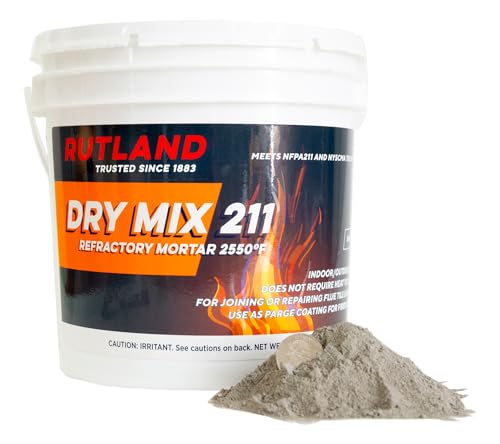
Rutland Dry Mix 211 Refractory Mortar 10 Pound

GOODTAKE Concrete Pigment Wine Red 4 oz

3 Pack Tile Grout Masonry Mortar Bag 12×24 inch Blue
More Details On Our Top Picks
For cracked walks, chipped steps, or broken masonry edges, this repair compound aims at the plain-vanilla fix you reach for first. The 32 oz size makes sense for patch work that’s too large for a tiny tube but not large enough to justify a heavy-duty bag of mix.
The non-sinking, non-shrinking formula matters because a patch that settles can leave a shallow dip after it dries. You’ll still want a surface that stays above 40 degrees Fahrenheit during application, so chilly garages and early-spring outdoor jobs need a little planning.
Strong Points
- Useful for concrete and masonry touch-ups
- Designed to hold its shape as it cures
- Handy 32 oz size for common repairs
- Works for curb, wall, and step patching
Things To Consider
- Cold weather application is a poor match
- Color is gray, so finish matching stays basic
- Best for patching, not large resurfacing work
Feature Snapshot
Who It Suits Best
Homeowners handling straightforward masonry repairs around steps, sidewalks, and block walls will get the most from it.
A Better Fit Elsewhere
Rutland Dry Mix 211 Refractory Mortar 10 Pound fits fireplace and oven repairs better, since DAP Concrete and Mortar Repair is made for general patching rather than sustained heat.
Fireplace seams need a different kind of mortar than a garden wall, and this black heat-resistant option is aimed at that narrower job. The 10 fl oz size keeps it compact, which suits small repair spots around firebrick, flue joints, or similar high-heat masonry.
The trade-off is simple, it’s not the all-purpose tube you’d grab for outdoor cracks across a driveway. For a hearth repair in a home that sees regular use, the focused formula makes more sense than a general patch product like DAP Concrete and Mortar Repair.
Highlights
- Built for high-temperature masonry areas
- Black color suits darker fireplace surfaces
- Compact tube suits targeted repairs
- Good match for firebrick joints and seams
Small Caveats
- Specialized use narrows the project list
- Small size is less handy for larger gaps
- Black finish may stand out on lighter masonry
Core Details
Made For
Homeowners repairing fireplaces, hearth edging, or other heat-heavy masonry spaces will find the focus useful.
Swap It Out When
Rutland Dry Mix 211 Refractory Mortar 10 Pound is the better match for larger hearth builds or brickwork that needs a dry mix approach instead of a small ready-to-use tube.
This one sits close to the middle of the road, which is a useful place for routine seal-ups around masonry. The 10.1 oz tube is the kind of size that suits small cracks, minor edge gaps, and the occasional touch-up on concrete or mortar lines.
Compared with DAP Concrete and Mortar Repair, this version reads more like a sealing helper than a broader patch material. For small jobs around a porch step or a retaining wall, that narrower focus can feel easier to manage.
Upsides
- Compact tube suits quick touch-up work
- Useful for cracks and narrow openings
- Gray finish keeps the look understated
Areas To Watch
- Small size is not meant for broad repairs
- Best suited to light maintenance rather than rebuilding
At A Glance
Whose Shelf It Belongs On
It suits homeowners who want a simple repair tube for basic masonry maintenance rather than a specialty mix.
Where A Sibling Pick Shines
DAP Textured Mortar Premium Elastomeric Latex Filler & Sealant Gray 10.1 oz is the better fit for surfaces where a closer texture match matters more than sheer simplicity.
Texture is the point here, and that matters most on visible masonry where a flat patch can look out of place. The elastomeric latex base means the material is meant to have some flexibility, which is useful on surfaces that move a little with weather and age.
Compared with the simpler DAP Concrete and Mortar Filler and Sealant, this one aims a little higher on finish quality. In a front walkway, porch wall, or chimney face, that extra texture can make the repair feel less obvious without asking you to chase a perfect cosmetic match.
What We Like
- Textured finish helps repairs sit more naturally
- Elastomeric latex adds flexibility for masonry movement
- Gray color works on many concrete surfaces
- Useful for interior or exterior repairs
- Good choice for visible patch areas
Room For Improvement
- Texture match still depends on the surrounding surface
- 10.1 oz size keeps projects fairly small
- Best results come from careful surface prep
Details At A Glance
Built With In Mind
This suits homeowners who want a cleaner-looking patch on exposed masonry and do not want the repair to shout for attention.
Look Elsewhere When
GOODTAKE Concrete Pigment Wine Red 4 oz makes more sense when the project calls for color adjustment rather than patching texture.
Beige gives this version a more surface-friendly look on tan brick, older mortar, and sun-warmed masonry where gray would feel too stark. The 10.1 oz tube keeps the job focused, which is fine for spot fixes and edge repairs around the house.
That shade difference matters more than you might think on a front stoop or accent wall, where a patch sits in plain sight. Compared with the gray DAP Textured Mortar Premium Elastomeric Latex Filler & Sealant, this one is the easier match for warmer stone and mortar tones.
Positives
- Beige tone suits warmer masonry colors
- Textured finish helps the repair blend in
- Useful for inside and outside patching
- Elastomeric latex supports a little flexibility
Points To Note
- Color fit still depends on your surface shade
- Small tube keeps it to smaller projects
- Careful cleanup matters for a neat finish
Feature Rundown
Who Should Grab It
It suits homeowners patching beige or tan masonry where the repair line sits in a visible spot.
Another Choice May Suit
DAP Concrete and Mortar Repair 32 oz is the broader choice for larger cracks, since the beige textured tube is more about finish matching than covering a lot of surface area.
This is the specialist in the group, and that specialty shows in the way it’s built for high-temperature masonry work rather than general patching. A dry mix format gives you control over consistency, which matters in fireplace brick, kiln repairs, forge work, and pizza oven builds.
For a masonry project that sees serious heat, a product like Rutland Dry Mix 211 Refractory Mortar makes more sense than a ready-to-go tube. The trade-off is the extra prep step, so it suits hands-on work better than a quick squeeze-and-smooth fix.
Bright Spots
- Designed for high-heat masonry applications
- Dry mix format suits custom preparation
- Useful across fireplace, kiln, and oven work
- Ten-pound bag supports larger jobs
Softer Spots
- Needs mixing before use
- Specialty focus narrows everyday usefulness
- Better for experienced hands or patient DIY work
Technical Sheet
The Right Fit
It belongs on the shelf of someone repairing fireplaces, fire pits, kilns, or similar masonry that runs hot.
Where Another Pick Suits Better
DAP Concrete and Mortar Repair 32 oz is the easier route for ordinary cracks and chips, since Rutland Dry Mix 211 Refractory Mortar asks for more setup and a narrower use case.
This is not a mortar repair product, it’s a color additive for mixes that need a specific tone. Wine red suits projects where brick, tile, grout, or plaster needs a deeper finish, and that can be handy for accents or matching older materials.
The powder form gives you a lot of control over color intensity, though consistency depends on how well you blend it into the base material. For homeowners doing decorative masonry or small color corrections, that flexibility is the whole point.
Reasons To Buy
- Works with many cement-based materials
- Wine red supports decorative color work
- Powder format gives you mix control
- Useful for grout, mortar, and plaster projects
Worth Noting
- Needs a base mix rather than standalone use
- Color results depend on how evenly you blend it
- Best for appearance work, not structural repair
Feature Card
Who Will Love This
It suits DIY projects that need color matching, accent work, or a deeper decorative tone in cement-based materials.
Skip It When
Tahikem 3 Pack Tile Grout Masonry Mortar Bag 12×24 inch Blue is the better fit for placing material, since GOODTAKE Concrete Pigment is meant to color the mix rather than deliver it.
For tile work and tuck-pointing, a mortar bag can make the job neater than scooping material with a trowel alone. This 12 by 24 inch size gives you a long, manageable tube for directing grout or mortar into joints, and the three-piece set adds useful backup for busy project days.
The included brick jointer and tuck pointers make this feel more like a small hand-tool kit than a single-purpose bag. That said, it’s still a placement tool, so the payoff depends on how comfortable you are squeezing material steadily and cleaning tools after use.
Best Bits
- Three-bag set gives you extra capacity for projects
- 12 by 24 inch size suits mortar placement
- Heavy-duty build is made for repeated handling
- Includes a brick jointer and tuck pointers
Minor Gripes
- Hand tool use takes a bit of practice
- Cleaning matters after messy grout work
- Better for placement than for mixing material
Core Details
Built For In Mind
It suits tile installers, masonry DIYers, and anyone filling joints by hand rather than pouring material from a bucket.
Reach For A Different Pick When
GOODTAKE Concrete Pigment Wine Red 4 oz is a better match for color work, since Tahikem 3 Pack Tile Grout Masonry Mortar Bag 12×24 inch Blue is built for placement and finishing.
How To Choose The Right Brick Mortars
Match The Mix To The Job
General patch compounds work for cracks in sidewalks, retaining walls, and blockwork, while refractory mortar belongs around firebrick, ovens, and other high-heat masonry. That split matters more than brand name, because the wrong formula can make the repair harder to live with later.
Tube products suit small repairs and touch-ups. Dry mix products make more sense for larger work, where you want control over batch size and texture.
Pay Attention To Finish And Color
Gray is the safest middle ground for concrete and old mortar, but it can look obvious on tan brick or buff stone. Textured formulas help a patch sit more naturally on rough masonry, and that matters on a front step or chimney face where the repair stays in view.
Color pigment belongs in projects where appearance is part of the job. It changes the look of the mix, not the structure of the repair.
Think About Application Conditions
Temperature windows matter for cure quality and ease of use. DAP Concrete and Mortar Repair, for example, calls for application above 40 degrees Fahrenheit, so outdoor work in cold weather needs timing.
Also think about cleanup and storage. Small tubes are simpler for casual use, while mortar bags and dry mixes create more prep but can feel better on larger projects.
Choose For The Person Using It
Quick home fixes call for ready-to-use compounds with familiar handling. A fireplace repair or kiln job calls for a specialty mortar that matches heat exposure, even if it takes more setup.
For many household repairs, the best choice is the one that trims hassle without forcing you to compromise on the actual masonry job.
Things Worth Knowing First
Common Shopping Slip Ups
One common mistake is treating all mortar the same. A fireplace or oven repair needs a heat-focused formula, while a driveway crack usually needs a general repair compound.
Another trap is buying by color alone. Gray, beige, and textured finishes each serve a different surface, so the right shade still needs the right base material.
The Upgrade Payoff
Higher-tier masonry products often spend more on finish control, heat tolerance, or flexibility. That matters on visible walls, firebrick, and older surfaces that need a cleaner look after the patch goes on.
You also pay for convenience in some cases, such as better texture matching or a tool set that helps with placement and finishing. For larger or more visible jobs, that extra control can be worth the step up.
Frequently Asked Questions
What kind of brick mortar works for small wall cracks?
DAP Concrete and Mortar Repair 32 oz fits that kind of routine patch work well. It gives you a general-purpose option for concrete and masonry surfaces.
Do you need special mortar for a fireplace?
Yes, heat-heavy areas call for refractory mortar instead of a standard patch compound. Rutland Dry Mix 211 Refractory Mortar is built for that use.
Can you change the color of mortar mixes?
Yes, a pigment powder lets you adjust the color before application. GOODTAKE Concrete Pigment is made for that kind of mix coloring.
What helps a repair blend in better?
Texture and color both matter, especially on visible masonry. DAP Textured Mortar Premium Elastomeric Latex Filler & Sealant in gray or beige gives you more finish control.
Why use a mortar bag instead of a trowel?
A mortar bag helps direct material into joints with more control. Tahikem 3 Pack Tile Grout Masonry Mortar Bag 12×24 inch Blue also comes with jointer and tuck pointer tools.
Closing Thoughts
You do not need the same mortar for every crack, seam, or patch line, and that’s the whole point of this list. DAP Concrete and Mortar Repair handles ordinary masonry fixes, Rutland Dry Mix 211 focuses on heat, and the textured DAP options help visible repairs sit more quietly on the surface. Once you match the material to the job, the work feels less like guesswork and more like a proper repair.