

Epoxy work gets messy fast, so your brush or stir tool needs to handle sticky resin without making cleanup feel like a second project. You also want the right shape for the job, whether that means broad coverage, narrow touch-ups, or silicone tools that help keep residue in check. This roundup focuses on practical fits for resin crafts, coating tasks, and mixed-use studio work.
Quick Look At The Shortlist

Outus Silicone Paint Brush Set 1 Inch, 2 Inch

Genixart Double Thick Chip Paint Brush 3 inch

GACDR 1 Inch Flat Paint Brushes, 12 Pieces

Pro Grade Acid Brushes 3/8 Inch, 72 Count

Patelai Silicone Stir Sticks Kit 12 Pcs, Assorted Color

Patelai Silicone Stir Sticks Kit 12 Pcs, Bright Color
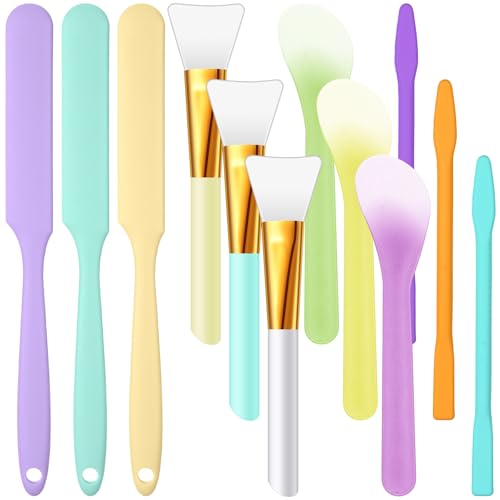
Patelai Silicone Stir Sticks Kit 12 Pcs, Elegant Color

EGOSKY Silicone Stir Sticks Kit 16 Pcs
Silicone tips make this set feel better suited to sticky mediums than a standard bristle brush. The 1 inch and 2 inch sizes give you a simple spread between tight edging and broader resin passes, which helps in small trays, craft panels, and touch-up work around cured edges.
Compared with the bulk brush packs later in the list, this one feels more purpose-built for controlled shaping than for volume work. That trade-off makes sense for resin artists who want fewer stray hairs and less cleanup around detailed pours.
What We Like
- Silicone heads suit resin, where bristles can hold onto residue.
- Two widths make it easier to move from detail work to wider passes.
- Useful for shaping edges in a small studio or tabletop craft area.
- Simple tool count keeps storage easy in a crowded supply drawer.
Points To Note
- Silicone tools are better for spreading and shaping than for painterly brush texture.
- The two-piece format gives less size flexibility than the larger kits in this roundup.
- Care still matters, since cured resin can cling to grooves or seams.
Feature Rundown
Who It Suits Best
Studio crafters working on small resin pours, edge cleanup, or shaped color work will get the most from it.
A Better Fit Elsewhere
GACDR 1 Inch Flat Paint Brushes, 12 Pieces suits you better for repeated brush use across acrylic, oil, or craft sessions.
A 3 inch chip brush brings more surface coverage than the silicone pair above, so this one leans toward broader coating jobs. The wooden handle and thick brush build suit fence staining, wall work, paste, gesso, limewash, and similar heavier finishes in a garage or workshop.
The honest read is that this style is less about delicate shaping and more about moving material quickly across larger areas. That makes it handy for epoxy-adjacent prep and coating tasks, but not the neatest fit for fine art detail.
Highlights
- Wide 3 inch head covers larger sections without constant reloading.
- Thick build suits heavier materials that need a sturdier applicator.
- Wood handle gives a familiar grip for longer coating sessions.
- Works across several common home and craft surface jobs.
Small Caveats
- Broad size makes it less precise than the smaller Outus set.
- Brush maintenance matters, since thicker products can dry into the fibers.
- The focused coating style is less useful for tiny detail areas.
Core Details
Who Will Love This
Home improvers and craft users handling larger coating jobs will appreciate the extra coverage.
Skip It When
Outus Silicone Paint Brush Set 1 Inch, 2 Inch is the neater pick for resin shaping and close-in control.
This twelve-pack is built for repeat use, which helps a lot in a workspace where one brush can quickly end up dedicated to one color or one medium. The flat 1 inch shape gives you a middle ground between the tiny Outus set and the broader chip brush, so it works well for acrylic, watercolor, oil, and general craft jobs.
For resin-related projects, the appeal is less about specialty shaping and more about keeping a steady supply of brush heads on hand. That suits makers who cycle through tools often, especially in a classroom, home studio, or shared craft table.
Best Bits
- Twelve brushes in one set help you separate colors or materials.
- Flat 1 inch heads handle broad strokes without feeling oversized.
- Wood handles give a familiar grip for routine art sessions.
- Useful across several mediums, so the set carries beyond resin work.
Areas To Watch
- Standard bristle brushes need more cleanup than silicone tools.
- The set is less specialized for resin shaping than the Outus silicone pair.
- Bulk packs can invite clutter unless you already sort supplies well.
Details At A Glance
Right Fit For
Project crafters who want a steady supply of flat brushes for mixed-medium work will get solid value here.
Look Elsewhere When
Pro Grade Acid Brushes 3/8 Inch, 72 Count suits finer epoxy seams and tighter touch work better.
Small-format brushes like this are the quiet specialists in the group. A 3/8 inch head is narrow enough for seam work, epoxy edges, glue lines, grease spots, and detailed touch jobs where a 1 inch brush would feel clumsy.
Compared with the broader GACDR set, this one is all about precision and quantity rather than a single all-purpose brush shape. The 72-count pack also makes sense in workshop settings where disposable or task-specific brushes are easier than trying to clean one carefully every time.
Strong Points
- Small 3/8 inch size helps you stay controlled in tight areas.
- Large count suits repeated jobs, shared spaces, or task-specific use.
- Boar hair bristles add a more traditional brush feel.
- Metal ferrule strengthens the junction between head and handle.
Softer Spots
- These are less polished than silicone tools for easy wipe-down cleanup.
- Fine brushes take more attention during storage to keep their shape.
- The narrow profile is not the right tool for broad coating work.
Feature Card
Built With In Mind
Detail-oriented makers who need narrow applicators for epoxy edges, glue, or small craft joints will find the fit strong.
Another Choice May Suit
Outus Silicone Paint Brush Set 1 Inch, 2 Inch suits you better for reusable shaping and broader resin handling.
This set is less about a single brush and more about giving you a small resin toolkit in one package. The mix of stir sticks, silicone epoxy brushes, a mixing spoon, and a scraper helps when your bench needs tools for mixing, spreading, and cleanup rather than just application.
For a new resin setup, that variety can save time because you do not have to piece together every tool separately. The trade-off is that each part is fairly simple, so experienced makers may still want a more specialized brush for detailed finishing.
Reasons To Buy
- Multiple tool types support mixing, spreading, and scraping in one kit.
- Silicone pieces are practical for sticky resin work and easier wipe-down care.
- Assorted colors make sorting a little easier at the bench.
- Useful starter set for hobby work, school projects, or casual craft nights.
Worth Noting
- The kit format spreads value across tools instead of one premium brush shape.
- Some users will still want a dedicated brush for edge refinement.
- Loose pieces need storage space, so drawer organization helps.
Core Details
Made For
Beginners building a resin table or hobbyists who want a compact multi-tool set will get the most from it.
Where A Sibling Pick Shines
EGOSKY Silicone Stir Sticks Kit 16Pcs is the better fit for you if you want a larger mixed kit with more pieces on hand.
Bright color coding sounds minor until your workspace fills with mixed resin tools, stir sticks, and little scraps of cured material. That’s where this version helps, because the colorful pieces are easier to spot on a crowded bench than plain neutral tools.
Like the assorted-color Patelai kit, this one works best as a practical starter or backup set rather than a specialized finishing tool. The silicone construction keeps the focus on easy handling and simple cleanup, which matters in busy craft spaces.
Positives
- Bright colors make the set easier to spot during active projects.
- Silicone material suits resin stirring and spreading tasks.
- Multiple pieces help you keep one tool for one job.
- Good match for shared tables where tools need to stay organized.
Trade Offs
- The set leans toward utility, not fine finishing control.
- Color variety helps visibility, though it does not add extra function.
- Simple tools still need cleaning before resin hardens on them.
Spec Overview
Best Suited To
Craft rooms that need simple, easy-to-find resin tools will appreciate the bright color layout.
Swap It Out When
Outus Silicone Paint Brush Set 1 Inch, 2 Inch is better when you want a more brush-like shaping tool.
This version is the same broad 12-piece silicone idea, but the more refined color treatment gives it a tidier look on a bench or in a gift box. That matters more than people expect, because resin work often spills across a table and a calmer visual palette can make the setup feel less chaotic.
In use, the appeal is still practicality first, style second. You get the same kind of silicone handling and mixed-tool flexibility as the other Patelai kits, so the main draw here is the presentation rather than a different tool profile.
Bright Spots
- Elegant color styling gives the kit a cleaner, more polished look.
- Silicone tools fit resin mixing and spreading jobs well.
- Multiple parts help you separate tasks at the table.
- Nice option for a presentable craft station or gift set.
Room For Improvement
- Style does most of the work here, not a new functional upgrade.
- The set still needs the same cleaning discipline as the other silicone kits.
- Some resin users will want a dedicated brush for finer edges.
Technical Sheet
Whose Shelf It Belongs On
Style-conscious hobbyists who still want practical resin tools will find this version a comfortable fit.
Reach For A Different Pick When
Pro Grade Acid Brushes 3/8 Inch, 72 Count is better for narrow epoxy work and task-specific use.
The larger 16-piece count gives this set a little more breathing room than the Patelai kits. That extra spread suits jewelry casting, resin pouring, and mixed craft stations where you want more than one stirring, scraping, or mixing tool within reach.
Compared with the smaller Patelai options, this one feels more complete for a shared bench or a project box that needs extras. The shape mix still stays straightforward, so the value comes from variety and quantity rather than one unusually specialized piece.
Strong Points
- Sixteen pieces give you more room to sort by task.
- Silicone construction works well with resin and other sticky craft media.
- Useful for jewelry casting setups that need several small tools.
- Good backup kit for desks, studios, or craft classes.
Minor Gripes
- More pieces mean a little more storage planning.
- The set focuses on utility, so it still lacks a true detail brush feel.
- Cleaning remains part of the routine, especially after resin cures.
Feature Snapshot
The Right Fit
Jewelry makers and resin crafters who want a fuller tool kit will get the most from this set.
Where Shoppers Go Wrong
Patelai Silicone Stir Sticks Kit 12 Pcs, Bright Color is the better pick when easier visual sorting matters more than a bigger set.
How To Choose The Right Brush For Epoxy Resins
Match The Tool To The Resin Task
Epoxy work asks different things from a brush than wall paint or watercolor does. Silicone heads help with spreading, shaping, and easier residue release, while bristle brushes still make sense for certain coatings, seam work, and disposable tasks. The smart move is to start with your most common job, then choose the tool that fits that motion first.
That means a wide chip brush can suit broad coating passes, while a narrow acid brush works better around edges, joints, and small repairs. A silicone stir set is useful when you need one kit for mixing and scraping, not just painting. For most craft benches, the right choice is the one that matches how you actually move resin across a surface.
Think About Cleanup And Storage
Epoxy residue hardens fast, so cleanup should be part of the purchase decision, not an afterthought. Silicone tools usually wipe down more easily than fiber brushes, which can matter in a home studio where you’re working around a sink, a trash bin, or a small storage drawer.
Brush count matters too. A 12-piece or 16-piece kit can help you keep one tool per color or step, while a 72-count narrow brush pack suits work that uses many small applicators. More pieces add convenience, but they also need better sorting so the bench does not turn into a jumble.
Choose Width And Shape With Intention
Width changes how much control you get. A 3/8 inch brush suits fine detail and tight seams, a 1 inch flat brush gives a middle ground, and a 3 inch chip brush pushes you toward broad coverage. Those sizes are not interchangeable in practice, especially once the resin starts to thicken.
Shape matters just as much as size. Flat brushes lay material differently from silicone shapers, and stir-tool kits put more weight on mixing, scraping, and simple bench work. A calm choice here saves time later, like picking the right key before the lock refuses to move.
What To Weigh Before You Choose
Common Shopping Slip Ups
A lot of resin setups go wrong because the tool is chosen for looks, not for the motion of the job. A pretty kit can still be awkward for edge cleanup, while a narrow brush can feel useless on a large pour.
Another common miss is forgetting cleanup. Bristle brushes ask for more care, while silicone tools ask for less fuss but still need prompt wiping before cured residue sets in.
The Upgrade Payoff
Higher-tier choices usually bring better material pairing, tighter size selection, or a fuller set of tools. In this category, that often means silicone pieces, stronger ferrules, more pieces in the box, or a shape that fits a very specific resin task.
You usually feel the upgrade most in convenience, not flash. That matters in a busy craft room, because a better-suited tool saves time every session instead of asking for workarounds.
Frequently Asked Questions
What kind of brush works best with epoxy resin?
Silicone tools are often the easiest fit for sticky resin because they release material more cleanly. Narrow bristle brushes still make sense for detail work and small seams.
Can you reuse a brush after epoxy use?
You can reuse some tools, especially silicone ones, as long as you clean them before the resin cures. Fiber brushes are harder to keep in shape once material dries into the bristles.
Is a wider brush always better for resin?
No, wider brushes help with coverage but can feel clumsy in corners and narrow spaces. Smaller brushes or silicone shapers are better for edges, trim, and detailed touch work.
Why do some resin kits include stir sticks instead of brushes?
Stir sticks help with mixing, scraping, and basic spreading, which are common resin steps. They are useful for setup work, though they do not replace a true brush for every finish task.
How many resin tools should a home craft station have?
A small station works well with a few dedicated tools for mixing, spreading, and cleanup. A larger kit makes sense once you start separating colors, batch sizes, or project stages.
Closing Thoughts
The best brush for epoxy resins depends on how you work, not just on the tool shape. Silicone shapers make life easier for sticky cleanup, chip brushes suit broad coating jobs, and narrow acid brushes help with tight seams. Multi-piece stir kits fill in the gaps when you need mixing, scraping, and spreading in one place. Pick the shape that matches your usual project, and your bench will feel a lot less improvised.



