Choosing a brush for urethane work comes down to control, finish quality, and how much cleanup you want to handle afterward. Some picks suit trim and cabinets, while others fit varnish, touch-up work, or small craft jobs where a smoother laydown matters more than speed.
This roundup helps you sort through foam, synthetic, and specialty urethane brushes without guessing at the trade-offs. You’ll see which options feel practical for furniture, doors, fences, and detail work, so your next coat lands the way you want it to.
The Shortlist At A Glance
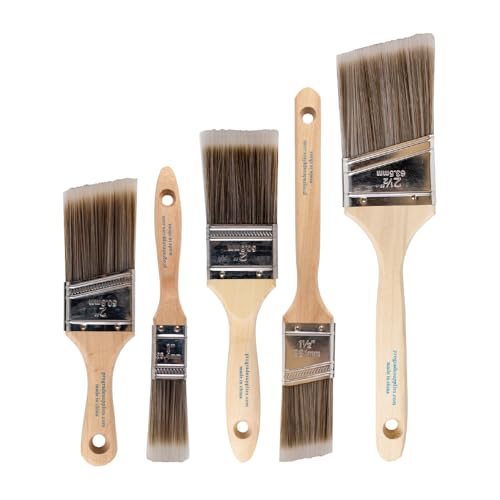
Pro Grade Paint Brush Set 5-Piece
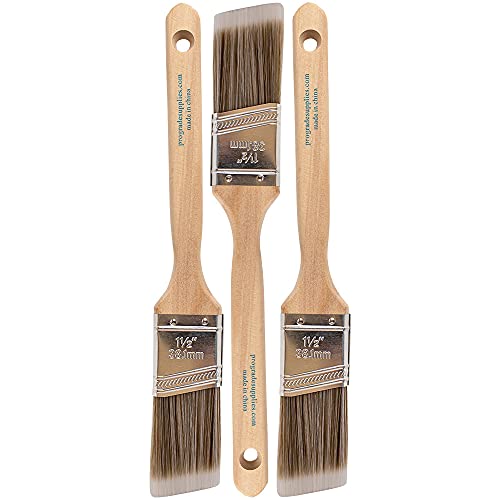
Pro Grade Angled Paint Brushes 1.5 Inch 3 Pc

Pro Grade Flat & Angled Paint Brush Set 2 Pc

FoamPRO 715-4 1 1/2 Inch Foam Brush with 4 Refills

Handy Crown Sponge Brush 3.0 Inch

Corona Brush 1 1/2 URETHANER Brush
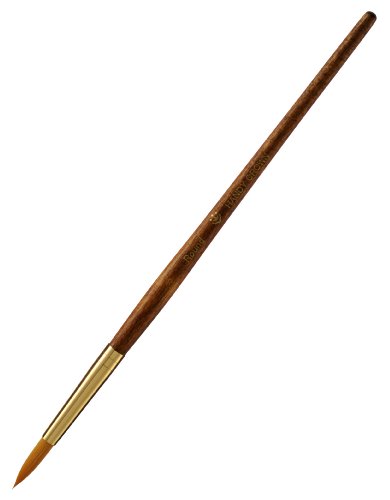
Handy Crown Round Brush No. 8 Synthetic Fiber Brush

Corona Brush 2 URETHANER Brush
More Details On Our Top Picks
For broad home projects, this set makes sense because it covers walls, trim, stain, cabinets, doors, furniture, and decks without forcing you into a specialty shape right away. The synthetic bristles suit latex and oil-based coatings, while the softwood handles keep the feel familiar in hand.
The honest trade-off is that a general-purpose set rarely feels as tuned as a dedicated trim brush or a foam applicator. You benefit most when you want one kit for a garage shelf job, a hallway repaint, or a weekend cabinet refresh.
What We Like
- Five-piece set gives you more than a single brush size.
- Synthetic bristles help with latex and oil-based coatings.
- Softwood handles feel natural during longer touch-up sessions.
- Works across walls, trim, furniture, and outdoor pieces.
- Useful for keeping one kit around the house.
Points To Note
- A broad set is less specialized than a urethane-only brush.
- Cleanup matters, especially after oil-based material.
- The softwood handles may not suit everyone’s grip preference.
Feature Snapshot
Who It Suits Best
Home project planners who want one set for several surfaces will get the most from this brush kit.
A Better Fit Elsewhere
Pro Grade Angled Paint Brushes 1.5 Inch 3 Pc suits trim-focused work more closely, especially for cabinetry and door edges.
An angled head changes the feel of trim work right away, because the slanted edge reaches corners and profiles with less wrist twisting. This three-piece set brings that shape to furniture, cabinets, doors, and fences, so it suits places where straight brushes can feel clumsy.
Medium stiff bristles give the brush more structure than the softer all-purpose set above, which helps on edges and controlled strokes. The trade-off is that firmer bristles can feel less forgiving on delicate surfaces, so you get better line control than plush coverage.
Strong Points
- Angled shape helps with corners and edge lines.
- Medium stiff bristles support controlled strokes.
- Three brushes give you a compact trim kit.
- Useful on furniture, cabinets, doors, and fences.
Softer Spots
- Firmer bristles are less cushioned on delicate finishes.
- It is more trim-focused than wide-surface focused.
- Cleaning still matters after latex or oil-based paint.
Core Details
Made For
Detail-oriented painters working around trim, cabinet doors, and furniture edges will get the clearest benefit here.
Look Elsewhere When
Pro Grade Paint Brush Set 5-Piece fits better for broader jobs where you want more surface coverage and more size variety.
This two-brush set gives you a simple split between flat and angled shapes, which is handy for rooms where walls and trim get the same treatment. The synthetic bristles are built for latex, oil, and stain, so you can move between common coating types without changing tool families.
Compared with the angled-only Pro Grade set, this one brings more flexibility, while staying smaller than the five-piece kit. The hardwood handles also change the feel a bit, offering a sturdier grip that suits people who prefer a firmer handhold.
Highlights
- Flat and angled brushes cover two common tasks.
- Works with latex, oil, and stain.
- Hardwood handles add a firmer feel in hand.
- Good size for cabinets, doors, fences, and decks.
Room For Improvement
- Two-piece packs leave less backup than larger sets.
- It still needs careful cleanup after stain or oil.
- Not as trim-specialized as the 1.5-inch angled set.
Details At A Glance
Whose Shelf It Belongs On
DIY painters who want a small but flexible brush set will likely appreciate this mix.
Swap It Out When
Pro Grade Angled Paint Brushes 1.5 Inch 3 Pc suits you better for tighter trim lines and more edge-heavy work.
Foam brushes behave differently from bristle brushes, and that matters with urethane because the applicator can influence how smooth the finish looks. This FoamPRO set includes a 1.5-inch foam head plus four refills, so you can keep a spare ready for repeated cabinet, furniture, or varnish work.
The reusable handles are the real practical touch here, since you keep the grip and swap the foam heads as needed. The catch is that foam tools suit smooth application more than heavy, aggressive coating, so they fit people who care about a cleaner laydown rather than fast coverage.
Bright Spots
- Foam heads can leave a smoother-looking pass.
- Four refills extend the life of the set.
- Reusable handles reduce the need to replace the grip.
- Useful for urethanes, varnishes, stains, and paints.
- Good match for cabinets and furniture touch-ups.
Minor Gripes
- Foam brushes are less forgiving on rough surfaces.
- They suit smooth laydown more than heavy coverage.
- Refills add value, but storage still needs care.
Feature Card
Right Fit For
Homeowners who want a smoother tool for urethane, varnish, or fine furniture work will find this set appealing.
A Better Fit Elsewhere
Pro Grade Paint Brush Set 5-Piece fits broader house projects more comfortably than a foam-first kit.
This sponge brush is aimed at small surfaces, so it makes more sense for touch-ups, crafts, and narrow jobs than for broad finishing work. The 3.0-inch width gives you a little more coverage than a tiny detail tool, but it still keeps a compact feel that suits a bench, hobby table, or quick patch.
Because it’s listed for water-based paints, the fit is narrower than the urethane-specific picks above. That narrower focus is useful, though, since you’re less likely to wrestle with an oversized brush in cramped spaces or on small objects.
Reasons To Buy
- 3.0-inch size balances reach and control.
- Well suited to crafts and small-item touch-up.
- Compact shape stores easily in a toolbox.
- Good choice for quick, low-fuss spot work.
Areas To Watch
- Best fit is narrower because it’s for water-based paints.
- Not the right match for larger urethane jobs.
- Sponge tools can wear differently from bristle brushes.
Quick Facts
The Right Fit
Hobbyists and homeowners handling small touch-up work will get the most value from this sponge brush.
Another Choice May Suit
FoamPRO 715-4 1 1/2 Inch Foam Brush with 4 Refills suits urethane and varnish work more directly.
Once you move into urethane-specific tools, this brush stands out for being purpose-built rather than general-purpose. The 1.5-inch size gives you controlled strokes for finish work, and that narrower profile usually makes more sense on doors, trim edges, or furniture parts than a wider brush does.
The trade-off is obvious, though, because a focused urethane brush is less flexible than the Pro Grade multi-use sets. For someone who keeps reaching for the same coating type, that focus can be helpful rather than limiting.
Best Bits
- Purpose-built for urethane work.
- 1.5-inch width supports tighter control.
- Useful for edges and finish-heavy areas.
- Good match for repeat detail work.
Small Caveats
- Less versatile than general paint brush sets.
- Smaller width slows down larger surfaces.
- Best results usually depend on careful cleaning.
Feature Rundown
Built With In Mind
People who work often with urethane coatings and want a dedicated brush will appreciate this setup.
Reach For A Different Pick When
Pro Grade Paint Brush Set 5-Piece is the better fit for mixed jobs that go beyond finish-specific coating work.
A round brush changes the way you approach detail work, because the tip naturally narrows for corners, accents, and small repair spots. This Handy Crown brush also uses synthetic fiber, which gives it a wider coating list than a specialty urethane-only brush and makes it feel more versatile for hobby or touch-up tasks.
That versatility comes with a mild trade-off, since a round profile is not the same as a broad trim brush. Still, for sheet metal repair, varnishing, lacquer, or small creative projects, the shape can feel like the right tool in a tight space.
Upsides
- Round tip works well for detail and touch-up.
- Synthetic fiber supports several coating types.
- Useful for hobby work and small repairs.
- Easy to steer in tight corners.
Trade Offs
- Round brushes are less efficient on wide surfaces.
- It is a specialty shape, not a general house brush.
- Cleaning habits still affect how long it stays useful.
At A Glance
Who Will Love This
People who need a detail-friendly brush for mixed small projects will likely appreciate the round shape here.
Not Your Match When
Corona Brush 2 URETHANER Brush suits broader finish passes better than a round detail brush.
This brush keeps the urethane focus but opens up a broader stroke width than the 1.5-inch version above. That extra width can make it easier to cover larger trim runs or furniture sections without stepping all the way up to a much wider brush.
The honest trade-off is that broader coverage can feel a little less nimble in tight corners. For people who want a simpler single-brush option for regular finish work, that middle-ground size makes a lot of sense.
Positives
- Broader than the smaller Corona urethane brush.
- Still focused enough for finish work.
- Useful for larger trim sections.
- Simple shape keeps the tool easy to reach for.
Room For Improvement
- Less nimble in very tight spaces.
- Single-brush setup gives you less variety.
- Works best when you keep the cleaning routine consistent.
Core Details
Perfect Match For
Home finishers who want a straightforward brush for broader urethane passes will feel at home with this pick.
Where A Sibling Pick Shines
Corona Brush 1 1/2 URETHANER Brush suits tighter detail work better when your surfaces are smaller and more precise.
How To Choose The Right Brush For Urethanes
Bristle Or Foam, And Why That Choice Matters
For urethane work, the applicator shape affects how the finish settles. Foam brushes, like the FoamPRO pick, lean toward smoother laydown, while synthetic and specialty bristle brushes can give you more control on edges and corners.
That means you should match the tool to the surface, not just the coating name. Cabinets and furniture often benefit from a smoother applicator, while trim and door edges tend to reward firmer control.
Width, Shape, And Surface Size
Brush width changes both speed and accuracy. A 1.5-inch brush makes sense for narrow trim and detail work, while a 2-inch option gives you a little more coverage without getting bulky.
Round brushes are a different lane altogether, since their tapered shape helps in tight spots and small repairs. Larger flat brushes are better for broad passes, but they lose some finesse around corners.
Handle Feel And Cleaning Habits
Handle material matters more than it first appears. Softwood handles feel familiar and light, while hardwood handles usually feel firmer and a bit more solid in the hand.
Cleaning also deserves attention, especially after oil-based coatings or urethane. Brushes that keep their shape and clean up well tend to stay useful longer, which matters more than fancy packaging.
Match The Brush To The Job, Not The Label
For a long trim run, you want a brush that holds its line and doesn’t wander. For touch-up work, a compact sponge or round brush can be easier to manage than a larger general-purpose set.
That’s the simple filter here, choose the shape that fits the surface you touch most often. The right fit usually feels obvious once you picture the next project.
Things Worth Knowing First
Mistakes Worth Dodging
One common mistake is treating all urethane brushes like they behave the same. Foam, angled bristle, and round detail brushes each serve a different kind of surface.
Another slip is buying too much width for tight trim. A wider brush can slow you down in corners, even when it looks useful on paper.
The Upgrade Payoff
Higher-tier brushes usually cost more because of shape control, material quality, and cleaner finishes on the surface. That extra spend tends to show up in more consistent strokes and fewer frustrations on detailed work.
People doing cabinets, furniture, or repeated trim jobs often notice the difference most. For occasional touch-up tasks, a simpler brush often makes more sense than paying for extras you won’t use.
Frequently Asked Questions
What makes a brush suitable for urethane?
A urethane brush usually has a shape and material that help the coating settle smoothly. Foam and fine synthetic options are common because they support cleaner application.
Is foam better than bristles for urethane?
Foam often suits smoother laydown on smaller surfaces. Bristles tend to offer more control on edges and broader task variety.
What size works best for trim?
A 1.5-inch brush is a strong fit for narrow trim and detailed edges. A 2-inch brush gives you a little more reach for wider sections.
Can one brush handle both paint and urethane?
Some synthetic brushes can handle multiple coatings. Dedicated urethane brushes usually make more sense when your finish work is frequent.
How should you store urethane brushes after use?
Cleaning them promptly helps preserve shape and feel. Dry storage in a covered spot keeps the bristles or foam from getting crushed.
Closing Thoughts
The right brush for urethane work depends on the surface in front of you, not just the coating itself. Foam suits smoother application, angled bristles help with trim, and dedicated urethane brushes earn their keep when finish quality matters more than speed. That’s why the Pro Grade sets, FoamPRO option, and Corona brushes each fill a different job. Choose the shape that matches your usual project, and your next finish will feel a lot less fussy.