Chainsaw mills make sense when you want lumber from logs without hauling everything to a full sawmill. For landowners, homesteaders, and weekend woodworkers, the real challenge is matching the mill to your bar length, log size, and the kind of cuts you actually plan to make.
Some setups are built for wide slabs, others are better for smaller logs, guide rails, or vertical cuts. The right choice keeps the work steady instead of turning every cut into a wrestling match.
Quick Look At The Shortlist

Granberg 36-Inch Alaskan MKIV Chainsaw Mill G778-36
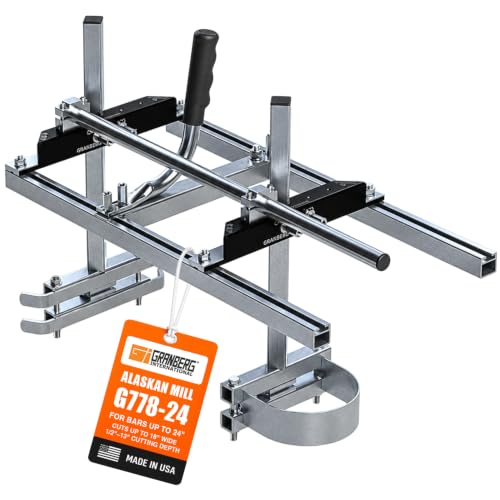
Granberg 24-Inch Alaskan MKIV Chainsaw Mill G778-24
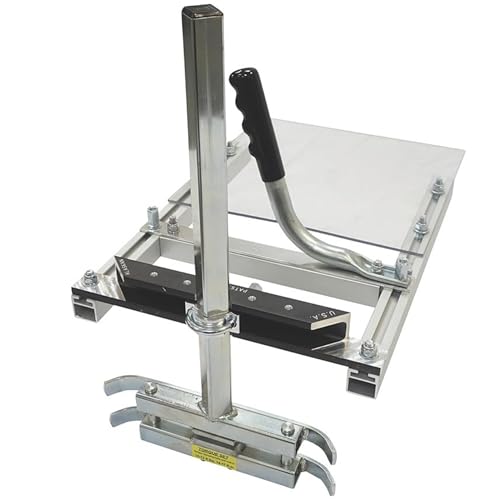
Granberg Chainsaw Alaskan Small Log Mill G777

Zozen Chainsaw Mill Guide Rail Brackets 2 Pack

VEVOR Chainsaw Mill 14-36 Guide Bar
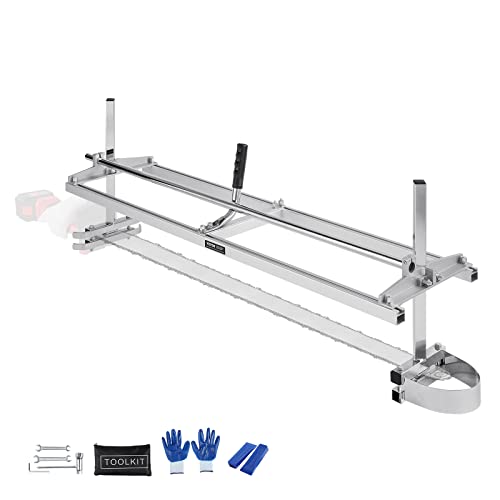
VEVOR Chainsaw Mill 14-48 Guide Bar

FARMMAC Chainsaw-Mill-Portable-Saw-Mill 36 Inch

VEVOR Vertical Lumber Cutting Guide 2-6 Cutting Width
More Details On Our Top Picks
Wide slabs are where the Granberg 36-Inch Alaskan MKIV starts to make sense. For landowners with large felled timber, the 36-inch capacity gives you room that the 24-inch Granberg model simply doesn’t offer.
The trade-off is straightforward, this much reach asks more from your chainsaw, your setup time, and your patience on the first few cuts. In a backyard mill station or remote lot, that extra span can be the difference between making the board you want and trimming your plan around the tool.
Strong Points
- 36-inch capacity suits wider logs and slab projects.
- Good match for on-site milling near downed timber.
- Simple jig-style layout helps keep the cut path steady.
- Useful upgrade from the 24-inch Granberg when log width matters.
Things To Consider
- Large-capacity milling usually takes more effort to keep aligned.
- Storage space matters, since a longer mill is less convenient to stash.
- Cleanup around pitch and sawdust is part of regular ownership.
Feature Snapshot
Who It Suits Best
Carpenters, homesteaders, and property owners working with larger-diameter logs will get the most from this size.
A Better Fit Elsewhere
Granberg 24-Inch Alaskan MKIV Chainsaw Mill G778-24 suits you better for smaller logs and easier handling in tighter work areas.
For most mixed-size milling jobs, the 24-inch Granberg feels easier to live with than the 36-inch version. It still handles meaningful slabs, but the shorter span is less awkward when you move it around a property or set up close to a log pile.
That balance matters for weekend milling, especially when your work shifts between boards, beams, and rough lumber cleanup. The honest read is that you’ll give up some width, yet gain a little more control and less bulk.
What We Like
- 24-inch reach covers a wide range of common log sizes.
- More manageable than the 36-inch Granberg for repeated setup.
- Good middle ground for homeowners who mill occasionally.
- Works well for slabs, boards, and general timber processing.
Minor Gripes
- Smaller capacity than the 36-inch Granberg, so oversized logs need a different setup.
- Like most mill frames, alignment checks still matter before each run.
- Wood dust and chain residue mean regular cleaning is part of the routine.
Core Details
Who Will Love This
Homeowners and part-time woodworkers who want a more manageable mill for regular projects will feel at home here.
Swap It Out When
Granberg 36-Inch Alaskan MKIV Chainsaw Mill G778-36 suits you better for wider logs and larger slab goals.
The G777 makes the most sense around smaller logs and shorter bars, especially the 16 to 20 inch range. Compared with the two larger Granberg Alaskan mills, it keeps the footprint tighter, which helps in cramped yards or at a cabin site.
One thing worth considering is that smaller capacity can be a plus, not a weakness, when your logs are modest and your storage space is limited. It feels like a purpose-built tool rather than a do-everything frame, and that focus helps.
Highlights
- Made for 16 to 20 inch bars, which keeps the match simple.
- Smaller footprint is easier to handle and store.
- Good fit for light milling jobs and compact work areas.
- Less overkill than the 24-inch and 36-inch Granberg options.
Room For Improvement
- Smaller logs only, so it won’t suit wider slab ambitions.
- Less flexible than the larger Granberg models for future growth.
- Regular cleaning still matters after sawdust-heavy sessions.
Details At A Glance
Right Fit For
You benefit most here when your logs are small, your workspace is tight, and you want a simple milling attachment.
Another Choice May Suit
VEVOR Chainsaw Mill 14-36 Guide Bar gives you more room for larger material and suits builders who want a wider working range.
The Zozen bracket set is less about the cut itself and more about keeping your guide rail where it belongs. That matters a lot on long logs, because a small setup error early on can throw off the whole run.
Since these brackets work with 2×4 lumber and logs from 3 to 36 inches in diameter, they suit a wide range of rough setups. For a driveway milling station or a temporary job site, they add structure without asking you to overcomplicate the build.
What We Like
- Bracket-and-level setup helps keep the rail aligned.
- Fits a broad log range, from 3 to 36 inches in diameter.
- Two-pack format gives you a more complete guide setup.
- Useful companion piece for someone building a mill station.
Points To Note
- These are support pieces, not a full milling frame.
- Guide rails still need careful positioning before work starts.
- Metal parts call for ordinary cleaning and dry storage after use.
Spec Overview
Built With In Mind
You get the most from this set when you already have a milling plan and need guide support for a temporary or semi-permanent rail.
A Better Fit Elsewhere
Granberg 24-Inch Alaskan MKIV Chainsaw Mill G778-24 suits you better if you want a complete milling frame instead of guide hardware.
The VEVOR 14-36 model sits in a useful middle zone, with a guide bar range that works for many common milling setups. Galvanized steel, meaning steel with a protective zinc layer, is the sort of material choice that usually matters more after a season of storage than on day one.
That makes it a practical match for builders and woodworkers who want a straightforward planking mill without stepping into the larger 48-inch format. Compared with the Granberg options, it feels more about broad versatility than brand-specific sizing.
Reasons To Buy
- 14 to 36 inch guide bar range covers many saw setups.
- Galvanized steel should suit routine outdoor storage better than bare metal.
- 0.2 to 11.81 inch cutting thickness gives useful working range.
- Good middle-ground choice for builders and woodworkers.
Small Caveats
- It still takes careful setup to keep cuts even.
- Larger milling jobs may push you toward the 48-inch VEVOR version.
- Sawdust cleanup and bolt checks are part of normal upkeep.
Core Details
The Right Fit
This suits you well for general milling work where a moderate bar range and steel frame feel like the right balance.
Where A Sibling Pick Shines
VEVOR Chainsaw Mill 14-48 Guide Bar fits you better when your saw setup and log size call for more reach.
The 48-inch VEVOR opens the door to larger guide-bar setups than the 14-36 version, so it deserves attention from anyone working with wider timber. For remote land cleanup or bigger slab goals, that extra reach can save you from outgrowing the mill too quickly.
The honest trade-off is that bigger capacity usually asks for a bit more care in handling and storage. You get more range, but you also give up some convenience, which is fair in a tool like this.
Upsides
- 48-inch guide bar range covers broader timber sizes.
- Galvanized steel frame should hold up well in routine use.
- Same 0.2 to 11.81 inch cutting thickness range as the smaller version.
- Strong fit for users who expect their milling needs to grow.
Areas To Watch
- Bigger reach usually means more space needed for storage and handling.
- Setup care matters more as the working span increases.
- Regular bolt checks and cleaning help keep the frame ready.
Technical Sheet
Made For
You fit this model best when you want more long-term headroom for larger logs and wider cuts.
Look Elsewhere When
VEVOR Chainsaw Mill 14-36 Guide Bar is the better fit for lighter storage needs and a smaller milling station.
The FARMMAC kit stands apart because it is framed as a gas-powered 36-inch mill package, which hints at a more serious setup than the simpler attachment-style tools above. For long milling sessions on rough timber, that kind of format often appeals to people who want the job to feel less improvised.
Coverage notes from the listing also point to support after the maker’s warranty period, which adds a little peace of mind on a piece of gear that lives in a dusty, high-use environment. The trade-off is that a kit approach can demand more from your own setup discipline.
Best Bits
- 36-inch format gives substantial milling reach.
- Gas-powered kit setup suits larger outdoor jobs.
- Coverage language suggests support beyond the maker warranty period.
- Good match for frequent use around rough timber.
Softer Spots
- Kit-style setups usually ask for more assembly patience.
- Gas-powered gear can mean more upkeep and storage planning.
- Long sessions work best with routine checks on fasteners and alignment.
Core Details
Whose Shelf It Belongs On
You suit this pick best when you want a 36-inch gas-powered milling kit for larger, more regular jobs.
Reach For A Different Pick When
Granberg 24-Inch Alaskan MKIV Chainsaw Mill G778-24 is easier to live with for lighter work and simpler storage.
The VEVOR vertical cutting guide is a different kind of tool from the slab-first mills above, because it focuses on upright lumber cutting with a 2 to 6 inch width range. Cast iron gives it a heavier feel on paper, which often matters most when you want a steady attachment for narrow stock.
That narrower role makes it a smart fit for builders handling straight timber pieces instead of wide slabs. It won’t replace the 36-inch or 48-inch mills, but it does fill a specific job neatly.
Positives
- Vertical cutting guide format suits upright lumber work.
- 2 to 6 inch cutting width keeps the role focused.
- Cast iron construction supports a solid, planted feel.
- Good companion tool for narrow timber milling tasks.
Points To Note
- It is a specialty tool, so it won’t replace a full slab mill.
- Narrow width range limits what kinds of cuts it can handle.
- Cast iron benefits from dry storage and basic rust care.
Feature Rundown
Perfect Match For
You fit this tool best when you need a vertical guide for narrow timber cuts rather than a wide slab-milling setup.
Consider Something Else When
Granberg 36-Inch Alaskan MKIV Chainsaw Mill G778-36 is the better route for broad logs and larger boards.
How To Choose The Right Chainsaw Mills
Match The Mill To Your Log Size
Bar length and log diameter should guide the first decision. The 36-inch Granberg and the 48-inch VEVOR exist for a reason, they give you room for wider timber that would frustrate a smaller frame.
Smaller properties and occasional milling jobs often do better with the 24-inch Granberg or the G777. Those models are easier to manage, and they usually fit the kind of logs people actually end up cutting in yards, cabins, and small shops.
Think About Setup And Storage
Longer mills take more space on the wall, in the truck, and around the log pile. That matters more than many first-time shoppers expect, especially once sawdust, wedges, and guide rails start sharing the same corner.
Attachment pieces like the Zozen brackets can help you build a cleaner setup around an existing plan. Full-frame mills make sense when you want a self-contained approach, while guide hardware suits hands-on setups that you don’t mind adjusting.
Choose Material And Format For Your Routine
Galvanized steel and cast iron each have a role. Galvanized steel usually makes more sense for gear that may sit outside between jobs, while cast iron tends to suit a heavier, more planted feel in a fixed work area.
Gas-powered kits can bring a more serious tone to larger milling sessions, but they also ask more from storage, fuel planning, and upkeep. For many home setups, a simpler attachment is easier to live with over the long haul.
Focus On The Job You Do Most
Wide slab cutting, narrow timber trimming, and guide-rail support are not the same task, even though they live in the same category. The right pick is the one that matches your most common project instead of your rarest one.
That mindset keeps you from overbuying a mill that spends most of its life under a tarp. It also keeps the work cleaner, because the tool is doing the job it was built to do.
Things Worth Knowing First
Mistakes Worth Dodging
One common slip is buying for maximum width without checking the saw and bar you already own. Another is overlooking the space you need for setup, because a long mill in a cramped work area gets awkward fast.
It also helps to think about storage and cleanup before the first cut. A mill that lives outside, near sap, dust, and rain splash, needs a different routine than a tool kept in a dry workshop.
The Upgrade Payoff
Higher-tier mills usually cost more because they bring larger capacity, thicker materials, or a more specialized format. A 48-inch guide range, for example, opens doors that a smaller frame simply can’t.
That upgrade makes sense when you mill often, handle larger logs, or want a tool that won’t feel cramped in six months. For light weekend use, the extra expense can be more tool than you need.
Frequently Asked Questions
What size chainsaw mill should you start with?
A 24-inch class model suits many home milling jobs and keeps handling easier. Larger logs and wider slabs call for the 36-inch or 48-inch options.
Are guide brackets enough on their own?
Guide brackets support alignment, but they are not a full milling frame. You still need a solid rail setup and careful positioning before you start cutting.
Why does material choice matter so much?
Galvanized steel and cast iron change how the tool feels, stores, and resists routine wear from outdoor use. The right material choice depends on how often you move the mill and where you keep it.
Can a smaller mill still be useful?
Yes, especially for smaller logs, lighter storage needs, and tighter work areas. The G777 is a good example of a compact tool with a clear job.
Do you need a gas-powered kit?
Gas-powered kits suit larger or more frequent milling sessions where you want a more substantial setup. For casual use, a simpler attachment usually keeps ownership easier.
Final Thoughts
Chainsaw mills work best when the size and format match the timber you actually handle, not the biggest log you might see someday. The Granberg 36-inch and 24-inch models make the most sense for slab work, while the G777 fits smaller bars and tighter spaces. VEVOR’s 14-36 and 14-48 options give you a broader material range, and the Zozen brackets help build a steadier guide system. Choose the tool that fits your yard, your storage, and your usual projects, and the job feels a lot more manageable.