Choosing jointer and planer gear gets easier once you separate handheld work from benchtop milling and edge cleanup. This roundup covers compact planers, a benchtop jointer, replacement blades, and a chamfer tool, so you can match the tool to the kind of lumber work you actually do in a garage shop or busy home workspace. Some picks suit quick trim work, while others make more sense for longer stock and more repeatable results. The right match saves time, reduces cleanup, and keeps your workflow calm instead of fussy.
Quick Look At The Shortlist
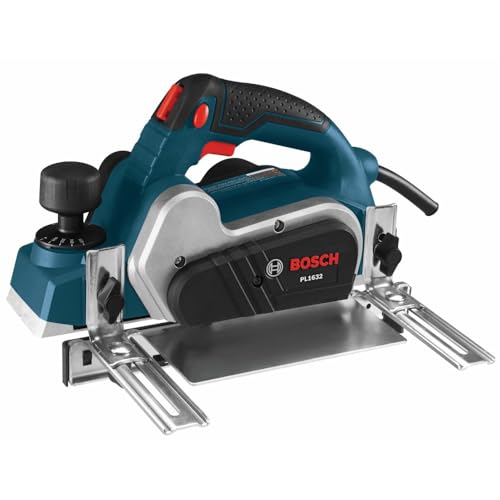
Bosch PL1632 3-1/4 In. Planer

FOXBC 3-1/4 Inch 82mm TCT Carbide Planer Blades

Makita KP0800K 3-1/4″ Planer with Tool Case

Saker Chamfer Plane-Woodworking Edge Corner Flattening Tool

CRAFTSMAN Hand Planer 6-Amp CMEW300

Makita 2012NB 12″ Portable Planer

CRAFTSMAN Benchtop Jointer CMEW020
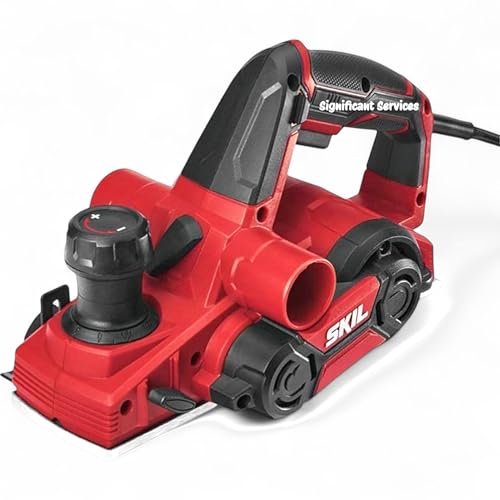
SKIL 6.5 AMP Electric 3-1/4 Inch Corded Planer PL201201
More Details On Our Top Picks
For trim work around doors, shelving, and rough lumber edges, this Bosch keeps the format plain and manageable. A 3-1/4 inch handheld planer like this suits you best when you want to shave material without dragging a bench tool into the middle of the shop.
The honest read is that this kind of planer asks for steady hands and patience, especially on long boards or knotty stock. Still, it makes sense for homeowners and weekend woodworkers who want a familiar handheld shape and a straightforward tool path.
What We Like
- Handheld format keeps it easy to move from one project to the next.
- The 3-1/4 inch cutting width covers common trim and edge work well.
- It fits neatly into a small shop where storage space is tight.
- Best for quick correction work, not a full lumber-milling setup.
Things To Consider
- Handheld planing still calls for a careful touch, especially on longer passes.
- Dust control and blade upkeep matter in everyday use.
Feature Snapshot
Who It Suits Best
Home woodworkers who want a compact planer for routine cleanup and edge shaving will get the most from it.
Where A Sibling Pick Shines
Makita KP0800K 3-1/4" Planer with Tool Case suits you better when you want a similar handheld tool with a carry case for moving between rooms or job sites.
Replacement blades matter more than people expect, because a tired cutter can make even a decent planer feel sloppy. These FOXBC carbide knives are aimed at owners of several Makita, DeWalt, Bosch, and Ryobi handheld planers, so the real value sits in fit range and convenience.
The trade-off is simple, blade replacements are only useful when your tool matches the size and mounting pattern. For someone keeping a handheld planer in regular rotation, though, a spare set like this can help extend the useful life of the tool without replacing the whole unit.
Positives
- Carbide construction suits routine wear better than soft steel alternatives.
- It covers a wide set of popular handheld planer models.
- Blade replacement is a practical way to restore cleaner cuts.
Points To Note
- Fit matters, so you need to match your planer model carefully.
- Blade swaps add a maintenance step that some casual users forget.
Core Details
Who Will Love This
Handheld planer owners who maintain their own tools and want a replacement blade set will benefit most.
Swap It Out When
Makita KP0800K 3-1/4" Planer with Tool Case is the better fit for someone who needs the whole tool rather than just the cutting edges.
This Makita feels like the most travel-friendly handheld pick in the group because the tool case changes how you store and carry it. For contractors moving between rooms, or for a garage shop that gets packed away after each session, that extra organization pays off in everyday convenience.
The blue housing keeps it clearly in the Makita family, and the compact 3-1/4 inch format stays close to the Bosch above. The difference is that this one leans harder into portability, which makes it a better fit for tool bags, truck beds, and shared workspaces.
Highlights
- Tool case makes transport and storage cleaner.
- Handheld size suits trim, door, and edge cleanup.
- Compact layout works well in mixed-use shops.
- Easy to tuck away between projects.
Room For Improvement
- Handheld planing still needs a steady pass and careful setup.
- The case adds convenience, but it also takes up its own storage space.
Details At A Glance
Built With In Mind
Moving workers, hobbyists with limited bench space, and anyone who stores tools after each session will get the most from it.
Another Choice May Suit
CRAFTSMAN Benchtop Jointer CMEW020 suits you better if your priority is edge jointing on a fixed work surface instead of portable planing.
Edge treatment is where this Saker tool separates itself from the straight-planer crowd. The auxiliary locator helps guide corner work, and the six cutter heads make it a more specialized pick for chamfers, small trims, and detail passes on wood.
You may find it especially handy in a cabinet shop or for finishing touches on hobby projects, where a full-size planer would be too blunt an instrument. The trade-off is obvious, it solves a narrow job very well, but it is not the same kind of all-purpose machine as the Bosch or Makita handheld models.
Reasons To Buy
- Auxiliary locator gives extra guidance on edge work.
- Six cutter heads increase flexibility for trim tasks.
- Specialized shape suits chamfering and corner flattening.
Small Caveats
- Special-purpose tools make the most sense for specific finishing jobs.
- Storage and cleaning still matter after detail work.
Feature Card
Whose Shelf It Belongs On
Detail-focused woodworkers who spend time on edge finishing and corner smoothing will appreciate it most.
Look Elsewhere When
Makita 2012NB 12" Portable Planer is the stronger fit for you when the job calls for larger stock and a more conventional benchtop workflow.
This CRAFTSMAN planer takes a more workhorse-minded route than the Bosch and Makita handhelds. The 6-amp motor and 5/64-inch cut depth make it feel suited to heavier stock removal, especially for shop users who want a corded tool with a straightforward layout.
The honest read is that more power can also mean more responsibility at the board surface, so a careful setup still matters. For rough lumber cleanup, door edge tuning, and routine flattening tasks, it gives you a serious handheld option without moving into benchtop territory.
Upsides
- 6-amp power suits tougher handheld planing jobs.
- 5/64-inch cut depth helps with faster material removal.
- Corded layout keeps runtime straightforward in the shop.
- Good fit for rough shaping before finer finishing.
Areas To Watch
- Heavier cutting calls for more control from you.
- Regular blade care helps the tool stay consistent.
Technical Sheet
Who Should Grab It
Hands-on woodworkers who want a stronger corded planer for regular shaping work will find the fit sensible.
Reach For A Different Pick When
SKIL 6.5 AMP Electric 3-1/4 Inch Corded Planer PL201201 is the easier match for you if you want a similar handheld category with a different power balance.
This Makita moves the roundup into benchtop territory, which changes the whole experience. A 12 inch portable planer is better suited to stock prep, wider boards, and a more stationary workshop rhythm than any of the handheld units above.
You may find the form factor especially useful in a home shop where repeatable thickness work matters more than grab-and-go portability. It asks for more floor or bench space, yet that trade-off buys you a calmer workflow for longer boards and larger batches of lumber.
Bright Spots
- 12 inch capacity supports wider stock than handheld planers.
- Portable benchtop format works well in a dedicated shop.
- Better suited to repeatable lumber prep tasks.
- Good step up from trim-only handheld tools.
Honest Caveats
- It asks for more room than a handheld planer.
- Benchtop ownership makes setup and cleanup part of the routine.
Core Details
Perfect Match For
Home woodworkers who prep wider boards and want a stationary machine with portable handling will appreciate this style.
A Better Fit Elsewhere
Bosch PL1632 3-1/4 In. Planer suits you better when portability and a lighter handheld routine matter more than width.
A benchtop jointer changes how you prepare boards, because it focuses on flattening edges and getting lumber ready for cleaner joins. This CRAFTSMAN model brings a 10 amp corded setup and a very high cut rate figure, so it reads as the most aggressive shop machine in the roundup.
That makes it a strong fit for a garage workshop or small professional setup where straightening edges matters more than portability. The catch is that jointers ask for a stable setup and enough room to work safely around longer material, so they suit dedicated spaces better than crowded benches.
Strong Points
- Benchtop format is better for straightening board edges.
- 10 amp corded power suits regular shop use.
- High cut rate supports fast material removal.
- Works well as a dedicated jointer station.
Worth Noting
- It needs more setup room than a handheld planer.
- Dedicated cleanup and dust management are part of ownership.
- Not the right fit for grab-and-go trimming.
Spec Overview
The Right Fit
Workshop owners who need a fixed jointer for edge preparation and regular board truing will benefit most.
Not Your Match When
SKIL 6.5 AMP Electric 3-1/4 Inch Corded Planer PL201201 suits you better if your work stays portable and centered on handheld smoothing.
The SKIL sits in a useful middle ground, because it keeps the familiar 3-1/4 inch handheld format while adding a 6.5 amp motor. That combination makes sense for routine shop cleanup, door work, and weekend projects where you want enough power without moving into a heavier jointer or benchtop planer.
Compared with the Bosch and Makita handheld options, this one leans more toward general-purpose use than carry-case convenience. The trade-off is that it’s still a corded handheld tool, so it asks for the same steady passes and clear workspace that any planer of this size demands.
Best Bits
- 6.5 amp power gives it a solid everyday feel.
- 3-1/4 inch width matches common trim tasks.
- Corded design works well for repeated shop use.
- Good balance for homeowners and hobby woodworkers.
Minor Gripes
- Handheld control still matters on longer boards.
- Blade care and dust cleanup stay part of regular use.
Feature Rundown
Made For
Home woodworkers who want a practical corded planer for recurring cleanup work will feel at home with it.
Skip It When
Makita 2012NB 12" Portable Planer is the better route for you if your work calls for wider boards and a benchtop setup.
How To Choose The Right Combination Jointer Planers
Match The Tool To The Job
Handheld planers and benchtop jointers solve different problems, even though shoppers often group them together. A handheld planer trims edges, evens high spots, and cleans rough boards, while a benchtop jointer focuses on flattening an edge or face so boards fit together more cleanly. The right choice starts with the kind of lumber work you do most often, not the tool name on the box.
For small shops, portability matters almost as much as cutting power. A 3-1/4 inch corded planer works well for doors, shelf stock, and weekend fixes, while a larger portable planer or jointer makes more sense once you’re prepping wider boards in regular batches.
Pay Attention To Cut Width And Motor Size
Cut width tells you how much material the tool can cover in one pass. On handheld planers, the common 3-1/4 inch size is enough for trim and edge work, but it won’t replace a wider benchtop machine for bigger lumber jobs.
Motor size matters just as much, because more power can help the tool stay steady in tougher grain, though it also asks for firmer control from you. A 6-amp handheld planer suits general work, while a 10-amp benchtop jointer or 12-inch portable planer makes more sense for a dedicated workspace with heavier stock prep.
Look At Storage, Transport, And Cleanup
Tool shape changes ownership more than many shoppers expect. A carry case, compact body, or lightweight handheld frame makes day-to-day storage easier, especially in a garage that doubles as a parking space or hobby area.
Benchtop tools need more room, more dust management, and a steadier setup. That extra footprint is the trade you make for repeatable work, so it’s worth choosing with your shop layout in mind instead of thinking only about cutting ability.
Choose Parts And Accessories With Care
Replacement blades and specialized edge tools deserve their own attention. A blade set only helps when the fit is exact, and a chamfer plane only makes sense when your work involves corners, edges, or small decorative trims.
That’s where the category gets practical. The best long-term choice is the tool that matches your most common project, because easy upkeep and good fit matter as much as raw power.
Things Worth Knowing First
Wrong Turns To Avoid
Many shoppers focus on motor size and forget the work surface, storage space, and stock width they actually have. A benchtop jointer can be the wrong move for a crowded garage, while a handheld planer may feel too limited for larger boards.
Another common miss is buying replacement blades without checking compatibility. Fit rules this category, and the wrong knife set is just spare metal taking up drawer space.
The Upgrade Payoff
Higher-tier machines usually cost more because they bring wider capacity, more stable construction, or a more specialized workflow. That added structure matters in a real shop, where repeatable cuts and smoother feed control can save a lot of fiddling.
Spending up makes sense once you process lumber often enough that tool consistency starts to matter. For occasional touch-up work, a simpler handheld planer is usually enough, but regular stock prep points you toward the sturdier class.
Frequently Asked Questions
What’s the main difference between a planer and a jointer?
A planer changes thickness and smooths a board’s face, while a jointer focuses on making an edge or face flat. They complement each other in a shop that handles rough lumber.
Are handheld planers useful for home workshops?
Yes, they fit well in smaller spaces and handle trim, door edges, and quick cleanup work. They also store more easily than benchtop machines.
Why do replacement blades matter so much?
Sharp blades make the cut cleaner and the tool easier to control. A dull edge can make planing feel rough and inconsistent.
Do benchtop jointers need a lot of space?
They usually need more room than handheld tools because the stock needs infeed and outfeed space. A dedicated shop corner works better than a cramped bench.
Is a 3-1/4 inch planer enough for most small projects?
For trim, doors, and routine smoothing, yes, it covers a lot of common work. Wider boards and heavier shop prep call for a larger machine.
Closing Thoughts
Your best choice comes down to how you work, not just how powerful a tool looks on paper. Handheld planers are the sensible fit for trim, touch-ups, and small shop storage, while a benchtop jointer or portable planer earns its place when wider stock and repeatable prep matter more. The blade set and chamfer tool round out the list for owners who already know their main machine. Pick the tool that matches your space, your lumber, and your patience, and the work gets a lot smoother.