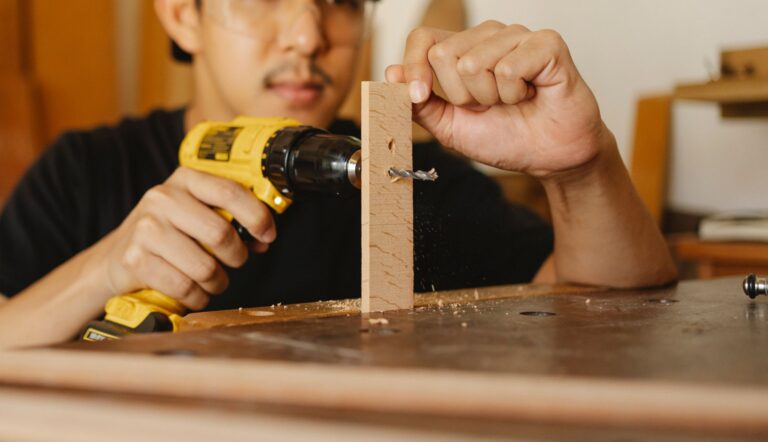
One tool offers cleaner control, while the other trades finesse for fast, aggressive cutting power. A jigsaw is for curves, visible edges, and plunge cuts, while a reciprocating saw handles demolition work, pruning, pipes, and nailed framing with less concern for finish quality.
This guide covers the jigsaw vs reciprocating saw decision, showing which tool suits renovation, trim, plumbing, and yard work, plus how blade choice, material thickness, and cut quality shape the result.
The Practical Split Between Precision And Power
A jigsaw uses a narrow blade that moves up and down in a short stroke, so it tracks a marked line with more control. That makes it a better fit for plywood, laminate, and thin boards when you want cutting precision instead of speed.
A reciprocating saw uses a longer stroke and a front-heavy body, so it favors force over finish. That extra reach helps you cut through demolition material, framing lumber, pipe, and embedded fasteners without worrying about a polished edge.
Why The Blade Path Changes The Cut
The blade sits close to the work surface on a jigsaw, so the tool feels steady in your hands. Short travel keeps the cut path predictable, which helps you follow a pencil line without the blade whipping around.
A reciprocating saw blade moves in a wider arc and hangs farther from the body, so vibration shows up fast. That longer travel clears debris quickly, but it also makes fine steering harder and leaves a rougher edge.
What That Means For Your Job
- Choose control for trim cuts, curved patterns, and visible edges.
- Choose force for teardown, pruning, pipe removal, and nailed lumber.
- Choose cleaner finish for plywood and laminate that stay in view.
- Choose reach for awkward spots where a blade must enter quickly.
That split explains most of the jigsaw vs reciprocating saw decision before blade type even enters the picture. Once you match the motion to the task, the rest of the choice gets simpler. The next step is looking at the jobs each tool actually handles best.
That simple rule only works when each tool’s strengths match the work ahead.
Where Each Saw Earns Its Keep
That motion difference shows up most clearly when you move from theory to a real project. Plywood, laminate, and thin boards belong in the jigsaw column because the blade can stay on a marked path without shredding the edge. That matters on cabinet panels, countertop openings, and any place where the cut line stays visible after the tool goes away.
Teardown work pushes you toward a reciprocating saw. It cuts plumbing stub-outs, old nails, framing lumber, and drywall fast, so you can remove material instead of polishing it. A Milwaukee Sawzall, for example, is a common jobsite reference point because the name has become shorthand for this rough-cut category.
Jobs That Suit A Jigsaw
A jigsaw works best on sink cutouts, flooring notches, trim adjustments, and decorative shapes in wood. It also handles shallow plunge cuts in sheet goods better than a rough demolition saw because the blade starts with less violence.
For a cabinet installer, that difference matters on the last opening near a finished face. For a homeowner, it matters any time a cut line will be seen from across the room. That is also where the question of which saw is better for precision cutting turns into a finish-quality decision.
Jobs That Suit A Reciprocating Saw
A reciprocating saw makes sense for pruning branches, removing old deck boards, breaking down framing, and cutting through nails that slow the job. It also handles metal pipe and conduit well with the right blade type.
Sawzall gets used as shorthand for this tool, and the brand name sticks because the tool feels built for punishment. That reputation comes from its real strength: rough work that would stall a cleaner saw.
Quick Project Matchup
- Trim and casing go to the jigsaw for cleaner, shorter cuts.
- Flooring and plywood go to the jigsaw for tighter control.
- Pipe and nails go to the reciprocating saw for speed and clearance.
- Pruning and teardown go to the reciprocating saw for reach and force.
That project-by-project split keeps you from overthinking the purchase. It also sets up the real comparison, because speed and control look very different once the blade hits material. Blade choice makes that gap even wider.
Once the blade meets the material, the tradeoff between speed and control becomes impossible to ignore.
Cut Quality, Speed, And Control In Real Use
The cut-quality gap is easy to see on scrap wood. A jigsaw usually leaves a neater edge, while a reciprocating saw leaves more chatter, more tear-out, and a wider kerf that needs cleanup.
Speed tells a different story. A reciprocating saw cuts fast through rough stock and mixed material, while a jigsaw slows down when the blade has to stay accurate through a curve or a tight line. That is why jigsaw vs reciprocating saw for wood rarely comes down to raw power alone.
| Factor | Jigsaw | Reciprocating Saw |
|---|---|---|
| Finish quality | Cleaner edge, less tear-out | Rough edge, more cleanup |
| Cutting speed | Slower on dense stock | Fast on rough or mixed material |
| Maneuverability | Steers well on curves | Moves through bulky material, not detail |
| User control | Higher control for detail work | Harder to steady for fine lines |
| Best cut shapes | Curves, straight lines, plunge cuts | Flush cuts, rough openings, demolition cuts |
The body motion explains most of that table. A jigsaw blade makes short strokes and stays near the work, while a reciprocating saw blade swings farther and throws more vibration into your hands. That extra motion can also make you feel the difference in jigsaw vs Sawzall comparisons almost immediately.
That vibration matters more than new users expect. A tool that chatters less is easier to keep on line, and that is why jigsaws handle scroll cutting and plunge cuts with more confidence than a demolition saw does. You will notice the difference most when the cut line stays visible after installation.
That sharper finish comes from the blade itself, especially when tooth geometry changes the cut.
Blade Choice And Tooth Geometry Matter More Than Most Buyers Think
Blade selection changes the result as much as the saw itself. Tooth count, tooth shape, and blade material decide whether the cut stays clean, wanders, or tears the work face.
A fine-tooth blade removes less material with each stroke, so it leaves a smoother edge in wood and thin metal. An aggressive tooth pattern clears chips faster, which helps on rough lumber and quick teardown cuts. That same logic also shapes jigsaw vs reciprocating saw for metal, where heat and tooth wear become part of the job.
Blade Styles That Change The Finish
A wood blade for a jigsaw with a high tooth count is a smart choice for laminate and finish work. Fewer teeth per inch remove less fiber per stroke, which cuts down on tear-out along the top face.
A bi-metal blade matters in metal work because the teeth stay tougher under heat and friction. For a reciprocating saw, that build helps you cut pipe, nails, and mixed scraps without the blade dulling as fast. Bosch, DEWALT, and Diablo all sell blades in these categories, so you can match the blade to the material instead of forcing one blade to do everything.
Tpi And Tooth Shape In Plain Language
TPI means teeth per inch. A higher-TPI blade cuts slower but leaves a cleaner surface, while a lower-TPI blade cuts faster and rougher.
Tooth geometry changes chip removal. Hooked or aggressive teeth bite fast in wood, while finer teeth and tighter gullets work better in thin metal where control matters more than speed. That is the part most buyers miss when they compare jigsaw vs reciprocating saw for metal and focus only on motor size.
Pick the blade for the material before you blame the saw. A good blade can calm wandering, cut down vibration, and save the edge from ugly tear-out.
Blade Fit For Common Materials
- Wood blades suit plywood, pine, trim, and general carpentry.
- Metal blades suit conduit, pipe, bolts, and thin steel.
- Bi-metal blades handle mixed cutting where fasteners hide in the path.
- Fine blades suit visible surfaces where edge quality matters most.
Blade choice also changes wandering. A coarse blade in a jigsaw can drift on a curve, while a short, stiff blade holds line better and leaves you less sanding later. That matters once thickness enters the picture for your cut, especially on sheet goods and finish carpentry. The same idea helps explain which saw to use for curves and rough cuts.
Those details matter because thickness and depth decide how cleanly each saw can move through material.
Thickness, Depth, And The Limits Of Each Tool
Nominal specs tell part of the story, but real cut depth depends on blade stiffness, material density, and how much control you can keep under load. A saw that can reach the depth on paper still fails the job if the blade flexes.
A 2×4 can be cut with a jigsaw in many cases, yet the result depends on blade length and steadiness. For a quick notch or a small trim, it can work acceptably; for repeated framing cuts, it is the slower, shakier choice. That is why jigsaw vs reciprocating saw for wood often ends with a practicality check, not a spec-sheet argument.
| Material Situation | Jigsaw Fit | Reciprocating Saw Fit |
|---|---|---|
| Thin sheet goods | Strong fit, clean edge | Works, but edge gets rough |
| 2×4 lumber | Possible with the right blade | Easy and fast |
| Thick framing | Slower and less steady | Better reach and force |
| Embedded fasteners | Poor fit, blade wear rises | Strong fit with bi-metal blades |
Depth Limits In Real Projects
The practical answer to can I cut a 2×4 with a jigsaw is yes, but not as the default choice. A circular saw handles repeated straight cuts better, and a miter saw does cleaner crosscuts on lumber all day long.
Reciprocating saws pull ahead once the work includes nails or awkward demolition angles. The blade can enter from rough openings, so you waste less time clearing material before the cut starts. A DeWalt or Makita reciprocating saw with the right bi-metal blade earns its keep fastest in that kind of rough opening work.
Rough openings are only part of the story, though, because comfort and control shape the whole job.
Safety, Noise, Vibration, And Fatigue On The Job
A reciprocating saw is louder, rougher, and harder on your hands than a jigsaw. The long stroke and heavier motion send more vibration through the grip, so fatigue builds faster during extended use.
A jigsaw feels calmer because the blade stroke is shorter and the body stays more planted on the surface. That steadier contact makes it friendlier for beginners who need control more than brute force. It also makes the answer to it for precision cutting very plain in long sessions.
Keep the shoe flat, brace the work, and let the blade do the cutting. A loose board turns any saw into a guessing game, and a reciprocating saw punishes that mistake fast.
Safer Habits With A Reciprocating Saw
- Clamp the work so the material does not jump under load.
- Start with a clear path before the blade touches hidden fasteners.
- Keep both hands firm because kickback risk rises with twisting stock.
- Watch the blade exit so it does not strike a pipe, stud, or hand.
What you should not do with a reciprocating saw is press hard and force a crooked cut. That habit creates binding, extra vibration, and a blade that can chatter so much the line disappears.
Jigsaws still demand care, but they forgive small mistakes better. Their lower vibration and easier steering make them safer for detailed work where a tiny hand movement changes the result. That calmer feel is one reason you will see them on finish carpentry benches next to clamps and layout tools.
A steadier cut also matters at home, where smaller projects reward tools that feel easy to handle.
Choosing The Right Saw For Common Homeowner Jobs
A quick decision tree helps more than tool jargon. Start with the material, then ask whether the cut will stay visible, whether fasteners are in the way, and whether the shape needs a curve or a rough opening.
That approach settles most it decisions without overthinking the purchase. It also shows you where a circular saw, miter saw, or oscillating tool fits better than either option. A 2023 study from the National Association of Home Builders is not needed to see the pattern; the tool choice follows the job shape and the cleanup you want afterward.
Use The Right Tool For The Job
- Trim work goes to the jigsaw for controlled, visible cuts.
- Plywood panels go to the jigsaw for cleaner sheet edges.
- Pipe cutting goes to the reciprocating saw for reach and speed.
- Drywall tear-out goes to the reciprocating saw for rough openings.
- Pruning branches goes to the reciprocating saw for fast outdoor cuts.
- Demolition cleanup goes to the reciprocating saw for nails and framing.
Where A Substitution Breaks Down
A reciprocating saw can stand in for a jigsaw during rough cuts, but the tradeoff is finish quality and control. That swap works for hidden work inside walls or on scraps, not for a curved shelf edge or a sink opening that will stay visible.
A jigsaw can cover a surprising range, including some 2×4 cuts and light framing work, yet it slows down fast on dense or nailed material. For repeated rough cuts, the reciprocating saw wins on speed and the jigsaw loses on endurance. That is the point where it for metal and wood both start to separate by task, not by brand.
Times Neither Saw Fits Well
A circular saw handles long straight cuts in sheet goods and lumber better than either tool. A miter saw gives you cleaner crosscuts on trim and framing, while an oscillating tool shines in tight trim removal, undercutting, and detail work near finished surfaces.
That distinction saves time and blade wear. The right tool for the cut shape matters more than the tool brand on the side. Freud, Starrett, and Lenox make specialty blades and accessories that can improve the result, but they cannot turn the wrong tool into the right one.
Even with better blades and accessories, the smartest purchase still starts with choosing the right saw.
A Simple Buy-Once Decision For Beginners
Accuracy, speed, and material should drive the choice. A jigsaw gives you the cleaner, calmer cut path, while a reciprocating saw gives you the rough muscle for demolition and outdoor work.
That split also matches how most people actually use the tools. A homeowner who cuts trim, plywood, and laminate will live happier with a jigsaw, while someone who clears branches, pipe, and old framing will get more use from a reciprocating saw.
For a single-tool start, match the saw to the messiest job on your list. Cleanup, pruning, and teardown favor the reciprocating saw; detail work and finish cuts favor the jigsaw.
Variable speed helps both tools because slower starts reduce wandering at the cut line. A cordless tool adds portability, but the blade still does the real work, so blade quality and fit matter more than battery count. That is why the answer to jigsaw or reciprocating saw should follow the material, not the battery platform.
That is the clean answer to it for wood and metal alike. Pick the jigsaw for cleaner cuts and curves, pick the reciprocating saw for rough utility work, and save the wrong tool for the scraps.
FAQ
Can you use a reciprocating saw as a jigsaw?
You can use it for rough cuts, but the result will not match a jigsaw on curves or visible edges. The longer stroke and stronger vibration make it harder to follow a marked line with any finesse.
What should you not do with a reciprocating saw?
Do not force the blade, twist the body mid-cut, or press the shoe into unstable material. Those habits raise vibration, increase binding, and make control slip fast.
Can I cut a 2×4 with a jigsaw?
With the right blade and a steady hand, a jigsaw can slice through a 2×4 without much trouble. It works best for occasional cuts, while a circular saw or miter saw handles repeated lumber cuts with less strain.
Do jigsaws cut more precisely than reciprocating saws?
That, a jigsaw is the better choice for precision cutting. Its shorter blade stroke, lower vibration, and better steering give you cleaner lines, especially on curves and cutouts.
Which saw is better for plunge cuts?
For cleaner plunge cuts, a jigsaw usually beats a reciprocating saw. The blade enters the material with more control, so you can start an interior cut without as much tear-out.
When should you use a reciprocating saw instead of a jigsaw?
Use the reciprocating saw for demolition, pruning, pipe removal, and any cut that may hit nails or mixed material. It is the faster pick when finish quality matters less than getting through the job.