Generator size for power tools refers to the generator wattage you need for the tools’ running watts plus the surge watts a motor pulls at startup. A 15-amp circular saw on 120 volts can demand about 1,800 watts before you account for startup, so a small unit can trip the moment two tools spin up together.
This guide covers how to choose a generator for saws, drills, and other jobsite tools, with practical wattage estimates, startup spikes, and real-world combinations that help avoid annoying shutdowns.
Start With The Load Your Tools Actually Draw
A generator works from the load you place on it, not from the badge on the tool. If a saw draws 15 amps at 120 volts, that is about 1,800 watts of running load before surge watts enter the picture, so your first step is the combined running total.
You need the tools that will run together, not the biggest tool in the shop. A drill alone is a light pull, while a saw plus a shop vac can climb fast because both motors add demand at the same time.
Add headroom after you total the load. A unit pinned at its limit runs hotter, trips sooner, and leaves less room for another motor to start cleanly.
Separate Solo Use From Mixed Use
A finish sander by itself is a light load. The same sander beside task lights and a battery charger becomes a small cluster that still needs a cushion.
A garage setup changes slowly, but a jobsite stack changes by the hour. Once you pair tools, the combined running watts matter more than the rating of any single corded tool.
Leave Room Above The Total
Generator output should sit above your expected peak, not equal to it. A 20 percent cushion works well for most corded setups because it covers motor spike and a little line loss.
That buffer also helps during long cuts and compressor restarts, which is where a marginal unit starts to feel shaky. The next step is turning tool labels into numbers you can actually use.
That makes the math matter, because a simple wattage estimate is the easiest way to size the supply.
Turn Amps And Volts Into A Usable Wattage Estimate
Tool labels often list amps instead of watts, and that is enough to size the load. Multiply volts by amps to get a usable estimate, so a 120-volt tool drawing 10 amps needs about 1,200 watts before startup surge.
That conversion is the practical version of a generator calculator for tool load. A 240-volt tool draws fewer amps for the same power, so it can need a different receptacle and a different setup than a similar 120-volt model.
Use The Label Data First
A nameplate or manual gives the cleanest starting point. If a miter saw lists 15 amps at 120 volts, use 1,800 watts as the running estimate and size upward from there.
Variable-speed motors and electronic controls deserve extra caution because their draw can change during the cut. Soft-start circuits help, but they do not erase startup demand.
Treat 120 Volt And 240 Volt Tools Differently
Most handheld corded tools in North American shops run on 120 volts. Larger table saws, welders, some compressors, and site equipment may use 240 volts, which means the plug, outlet, and generator output must all match.
A 240-volt tool can look efficient on amps and still need a much larger generator because the receptacle and power path must fit the load. Check the actual plug shape before you decide what size generator is needed for construction tools.
Motor loads can look manageable on paper, yet startup surge can still double the demand for a brief moment.
Voltage drop starts where the wire gets long and thin. A tool can sound weak, cut slower, or stall sooner even though the generator size looked adequate on paper.
Why Startup Surge Changes The Answer
Motor startup is short, but it changes sizing more than the running number does. Inductive loads can pull several times their running power at the instant they start, and that spike is what trips smaller units.
Saws, compressors, pumps, and shop vacs cause the most trouble because the motor must overcome inertia before it settles into steady draw. A generator that matches the steady load but misses the surge will still fail the job at the wrong moment.
Motor Surge Is A Physics Problem
A rotating motor resists motion at startup, then settles as back electromotive force builds inside the windings. That gap between still and spinning is where current climbs sharply, which is why surge wattage matters more than the nameplate suggests.
The mechanical load matters too. A compressor with tank pressure already high starts harder than a light drill, and a wet pump can pull harder than a dry one because the impeller fights fluid resistance.
Peak Load Beats Equal Ratings
A generator should be rated above the peak you expect, not equal to it. Equal numbers leave no margin for line loss, cold starts, or the extra pull that shows up as blades bite into dense stock.
Think of startup surge as a cliff edge, not a slope. Once you cross the edge with one motor, another tool can start without dragging the whole system down.
With that spike in mind, the wattage bands become much easier to read against everyday tools.
Common Power Tools And Their Typical Wattage Bands
A wattage table helps you sort light tools from the loads that push into larger portable units. These bands are representative, not fixed, because blade size, motor efficiency, and voltage all change the draw.
120-volt tools usually stay in the smaller bands unless the motor is large. 240-volt tools pull less current per watt, but they still need the right output and outlet type.
| Tool | Typical running watts | Startup surge range | Generator fit |
|---|---|---|---|
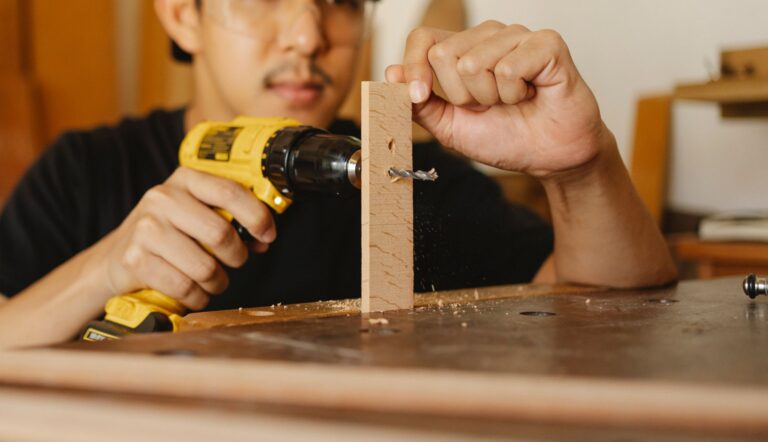
| Drill | 300 to 700 | Low to moderate | Small inverter unit for light work |
| Circular saw | 1,200 to 1,800 | Moderate to high | Small to mid portable unit |
| Miter saw | 1,200 to 2,000 | High on larger blades | Mid portable unit or larger |
| Table saw | 1,500 to 2,400 | High | Mid to larger portable unit |
| Shop vac | 1,000 to 1,400 | Moderate | Small inverter for one unit, larger for pairing |
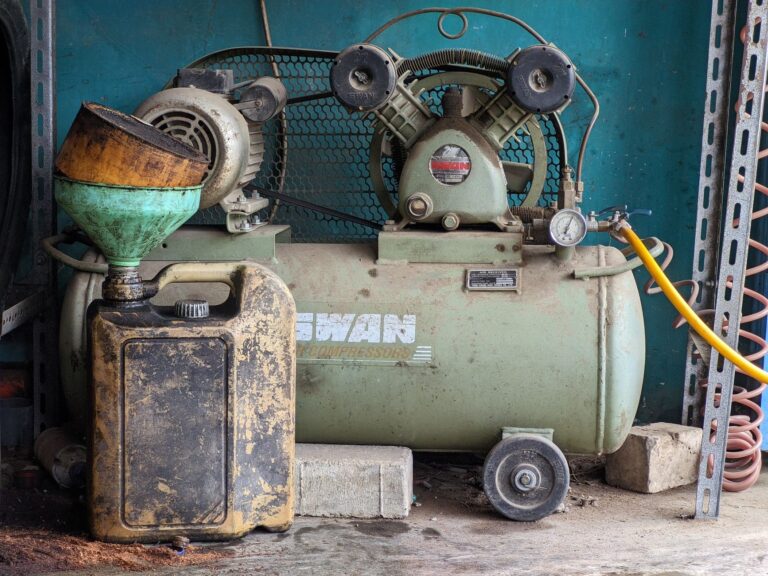
| Air compressor | 1,200 to 2,500 | Very high | Larger portable or jobsite unit |
Small inverter units can handle a drill, light corded trim work, or a single shop vac with care. Table saws and compressors move you into higher output fast, especially once startup surge enters the equation.
- Light-duty tools stay friendly to compact inverter generators.
- Single saw use often needs a mid-range portable unit.
- Compressors and vacs need extra surge headroom.
- 240 volt tools need the correct receptacle and output class.
Those bands make the jump from one tool to two tools easier to see, and that is where sizing gets more specific.
A single saw is one thing; a saw plus a vac quickly turns those bands into real planning decisions.
Real-World Tool Combinations And The Generator Sizes They Need
The load grows fast once two motors share the same source. A saw and a vacuum can start fine on separate circuits, then collide on a small generator because both want extra power at the same instant.
That is where jobsite sizing gets practical. The right portable generator size for power tools depends on the combined running watts plus the biggest startup event you expect to hit.
Saw Plus Vac
A circular saw around 1,500 watts paired with a shop vac around 1,100 watts lands near 2,600 running watts before surge. A 3,500-watt unit gives workable room for that pairing, while a 2,000-watt unit is often too tight.
Compressor Plus Nailer
The nailer itself draws little, but the compressor does the heavy lifting. A small pancake compressor can still spike hard enough to need more than a 2,000-watt machine, and larger trim compressors push into jobsite-size territory fast.
Drill Plus Lights
A drill, LED work lights, and a battery charger can stay under 1,000 watts. That load fits a 1,200-watt generator in many cases, as long as nothing with a motor starts on top of it.
| Tool pair | Rough running watts | Practical generator class | Startup issue |
|---|---|---|---|
| Drill plus lights | 500 to 1,000 | 1200W class | Low |
| Circular saw plus vac | 2,200 to 3,000 | 2000W to 3500W class | High |
| Compressor plus nailer | 1,500 to 2,500 | 3500W class or jobsite unit | Very high |
| Table saw plus dust control | 2,500 to 4,000 | Jobsite-size generator | High |
Sequencing matters as much as raw wattage. Start the largest motor alone, let it settle, then bring on the second load so both surges do not hit the generator together.
That sequence matters even more once you choose the generator type, because not every unit handles motor starts the same way.
For that reason, the same load can fit one generator and overwhelm another depending on its design.
Inverter, Portable, And Industrial Units Serve Different Tool Loads
An inverter generator makes clean power that suits electronics and variable-speed tools. Honda and Champion both sell inverter models because the electronics inside smooth voltage and frequency, which helps sensitive gear and keeps noise lower.
A conventional portable generator gives you more outlet choices and stronger jobsite value for rugged loads. Industrial units go further, with higher output for repeated startup surges, longer construction shifts, and multiple tools that cycle all day.
Choose Inverter For Cleaner Output
Variable-speed drills, compact saws, and electronics tied to the jobsite often run better on inverter power. The stable sine wave matters because many tool controllers sample voltage quickly and react to dirty power with chatter or hesitation.
Choose Conventional Portable For Tough Loads
Open-frame units handle hard startup loads well and cost less per watt. They also give you more outlets in the size range that contractors use for saws, vacs, and compressors.
Choose Industrial For Repeated Surges
Industrial units make sense where the same motor starts again and again through a shift. Their higher kVA ratings and heavier alternators handle that repeated stress with less voltage sag.
Repeated starts are where sturdier machines earn their keep, especially when voltage stability starts to matter.
Noise and runtime belong in the sizing decision. A larger tank or better fuel efficiency can matter as much as raw wattage on a long day, especially where fuel stops waste time.
Extension Cord Length And Voltage Drop Can Undermine Performance
A long cord acts like a small resistor in series with your tool, so voltage falls before the load reaches the motor. The result is weak starting, hotter windings, and a generator that looks undersized even though the math seemed fine.
Match cord gauge to both distance and load. A 12-gauge cord handles more than a 16-gauge cord, and shorter runs always waste less voltage than long ones on a busy site.
Pick The Cord For The Load
Heavy saws, vacs, and compressors deserve thicker cable and shorter runs. Light drills and chargers tolerate more length, but the moment a motor starts, the margin shrinks.
Match The Receptacle Before You Shop
A generator’s receptacle type must match the tool plug and voltage requirement. A 240-volt tool with the wrong outlet shape or breaker setup will not perform the way the label suggests, no matter how large the unit looks.
Even a properly sized cord can introduce enough drop to make a good setup behave badly.
Sizing Rules That Keep You Out Of Trouble
Buying to the exact watt is a mistake because motor loads do not stay flat. A buffer of 20 percent above calculated load gives room for startup surge, cord loss, and the extra draw that appears during hard cuts.
Mixed loads call for a larger unit than single-tool work. Compressor startups, table saws, and trade work with several cords in play all justify moving up a size rather than hoping the breaker stays quiet.
- Leave spare capacity above the calculated running load.
- Use larger units for compressors, saws, and paired tools.
- Factor runtime into fuel use and refill timing.
- Check noise limits before the generator lands on site.
- Match outlets to the plugs your tools actually use.
That last point saves a lot of frustration. A generator that runs the wattage but lacks the right outlet or voltage path is still the wrong machine for your setup, even with plenty of capacity.
All of that points back to one rule: capacity means little if the electrical path cannot deliver it cleanly.
Final Thoughts
The safest path is plain: total the running watts of the tools you will use together, then size above the largest starting wattage surge. Once you add cord loss, receptacle fit, runtime, and noise, the right generator size for power tools becomes a practical choice instead of a gamble.
FAQ
What generator size do I need for power tools?
You need a generator sized to the combined running watts of the tools you will use at the same time, plus enough surge watts for the biggest motor start. A single drill can fit a compact unit, while a saw plus vacuum or compressor usually needs a larger portable generator.
How do I calculate running watts and starting watts for my tools?
Use the nameplate amps and volts first. Multiply volts by amps to get running watts, then add headroom for startup surge because motors can pull several times their running load for a brief moment.
Will a 2000 watt generator run power tools?
A 2000-watt unit can run light tools such as a drill, a small sander, or a single LED work light. It struggles with saw plus vac combinations and most compressor starts because the surge load climbs above the continuous rating.
Will a 1200 watt generator run power tools?
A 1200-watt generator handles light-duty corded tools and charging tasks, but it runs out of room fast once a motor starts. Small drills and lights fit better than circular saws, shop vacs, or compressors.
Will a 3500 watt generator run power tools?
A 3500-watt generator covers many DIY and light contractor setups, including a saw plus vacuum in some cases. It falls short when several motors start together, or when a larger table saw or compressor enters the mix.
What is the 20 20 20 rule for generators?
Keeping a generator well below its continuous rating leaves room for startup surges and voltage drop in long cords. In plain terms, keep a comfortable buffer instead of pushing the machine near its limit.