Rusty metal asks for more than a quick coat, and the wrong primer can leave flakes, peeling, and extra sanding behind. You need a product that matches the surface, the job size, and how much prep time you can live with. This roundup keeps the focus on truck frames, trailers, rails, aluminum parts, and other metal that sees weather, moisture, and hard use.
You’ll also see a mix of brush-on, spray, converter, and bonding options, so you can match the product to the repair instead of forcing the repair to fit the product. The stronger choices here are the ones that save time without pretending rust never happened.
Quick Look At The Shortlist

Meuvcol 2 in 1 Rust Converter & Metal Primer 35 oz
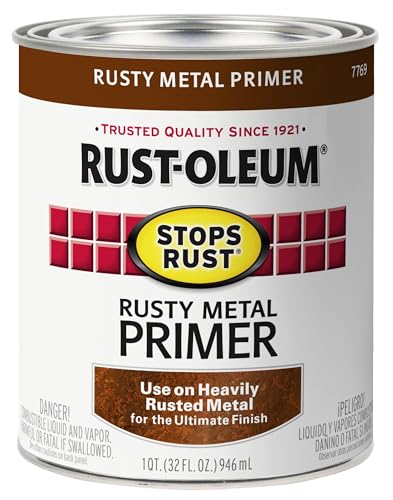
Rust-Oleum Stops Rust Brush On Rusty Metal Primer, Flat, Quart

Rust-Oleum 7769502 Protective Enamel Paint Stops Rust, Quart Pack of 2

Rust-Oleum Stops Rust Universal Bonding Primer Spray, Flat White

Rust-Oleum 254170 Professional Aluminum Primer Spray 15 oz

Seymour 16-45 Rust Converter, Black
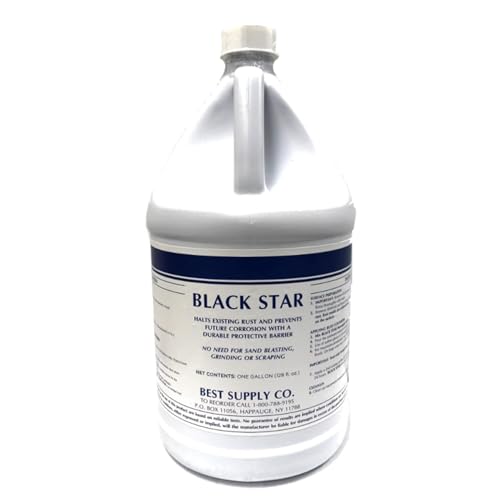
BLACK STAR MRO Chem Rust Converter 1 Gallon
More Details On Our Top Picks
This Meuvcol option leans into bigger rust jobs, especially on trailers, truck frames, and chassis parts that need more than a cosmetic coat. The 35 fl oz size gives you room for broader coverage, and the ready-to-use format saves the nuisance of mixing. It’s the sort of pick that makes sense in a driveway repair or a busy home garage where you want fewer steps.
The trade-off is simple, it’s less convenient for tiny touch-ups than a compact spray can. Still, for rusted steel that needs both conversion and primer behavior in one product, the all-in-one approach can keep a project moving without constant stop-and-start prep.
Reasons To Buy
- Combines rust conversion with priming in one coating
- Larger bottle suits wider surface repairs
- Helps protect against water, salt, and chemical exposure
- Ready to use, which cuts prep time
Areas To Watch
- Bulk size is more than many small patch jobs need
- Brush or roller cleanup takes more effort than spray formats
- Black finish may not suit every final look
Feature Rundown
Who It Suits Best
Truck owners, trailer owners, and garage tinkerers with broad rust patches will get the most from this size and format.
A Better Fit Elsewhere
Rust-Oleum Stops Rust Brush On Rusty Metal Primer, Flat, Quart suits smaller hand-brushed projects where tighter control matters more than large-volume coverage.
Brush-on primers still have a place because they let you slow down and work edges, seams, and awkward corners with more control. This Rust-Oleum quart fits that kind of repair better than Meuvcol’s bulkier 35 oz container, especially on patio rails, metal furniture, and similar mid-size jobs. The flat finish also keeps the surface from looking overly glossy under light.
You may find the brush format a little slower on large flat panels, but that’s part of the appeal when the goal is careful coverage instead of speed. For home repairs where cleanup, control, and familiarity matter, it’s an easy style to live with.
What We Like
- Brush-on format gives precise control on detail work
- Works for indoor and outdoor use
- Quart size suits repair work without excess bulk
- Flat finish helps keep the look understated
Minor Gripes
- Brush application takes longer on broad panels
- Cleanup is more involved than a spray can
Core Details
Made For
Homeowners handling fences, furniture, or trim pieces will appreciate the steadier brush-on application.
Another Choice May Suit
Seymour 16-45 Rust Converter, Black fits you better when the rusty surface is rough and you want a faster rust-to-primer step before topcoating.
This pack of two quarts makes sense for repeat projects, especially in a garage where one repair usually turns into three. Compared with the single-quart Rust-Oleum brush-on primer, this option leans more toward having extra material on hand for larger backlogged work. The flat profile keeps it practical for metal pieces that you plan to topcoat later.
The honest read is that the pack format is useful only when you know you’ll need the volume. For a one-off hinge, bracket, or small rail patch, it can feel like more product than you need, but it’s a sensible spare to keep around for ongoing maintenance.
Positives
- Two-quart pack helps with repeat repairs
- Protective enamel format suits metal topcoating plans
- Flat finish works well under later paint
Softer Spots
- Volume can be more than a small repair calls for
- Best value shows up only with multiple projects
Technical Sheet
Best Suited To
You’ll like this most in a home shop or property-maintenance setup where metal repairs come in waves.
Swap It Out When
Rust-Oleum Stops Rust Universal Bonding Primer Spray, Flat White suits you better for fast coverage on mixed surfaces or awkward angles.
This spray primer stands out because it targets difficult surfaces instead of behaving like a general one-trick coating. For shelves, brackets, and mixed-material jobs where brush marks would get in the way, the aerosol format is much easier to move around tight spots. It also works well as a base layer when you care about how the topcoat lays down.
Compared with the brush-on Rust-Oleum primer above, this one is faster to cover odd angles but less exact on tiny edges. The 12 oz size is handy for small projects, though you may need more than one can for broader metal panels.
Highlights
- Bonds well to difficult surfaces
- Spray format reaches corners and odd angles easily
- Helps improve later topcoat results
- Suitable for indoor or outdoor use
Points To Note
- Spray coverage can go faster than the can size
- Less precise than a brush on detail-heavy edges
- Best suited to smaller or medium projects
At A Glance
Who Will Love This
DIY painters handling quick prep work on awkward shapes will appreciate the spray control and bonding focus.
Where A Sibling Pick Shines
Rust-Oleum 254170 Professional Aluminum Primer Spray works better for bare aluminum parts that need a more material-specific primer.
Aluminum is a different animal from rusty steel, and that’s why this spray earns a spot here. It’s made for bare aluminum, so it speaks to people restoring ladders, panels, or parts that need a primer designed around that surface rather than a broad general-purpose coat. The high-output tip and spray-any-angle design help when the piece sits awkwardly on a bench or in a driveway.
The trade-off is narrow focus, which is exactly the point. If your project is mostly steel rust repair, Seymour or BLACK STAR MRO makes more sense, but for aluminum prep, this one fits the job with less guesswork.
Best Bits
- Made specifically for bare aluminum
- Oil-based formula adds durable surface prep
- Can be sprayed at any angle
- Quick dry time helps keep a project moving
- Topcoat can go on right away after drying
Worth Noting
- Best fit is narrower than the general metal primers
- Spray can needs more care around overspray
- Small 15 oz can may suit spot work better than large panels
Details At A Glance
The Right Fit
Restorers working on bare aluminum pieces will get the cleanest match from this primer.
Look Elsewhere When
Meuvcol 2 in 1 Rust Converter & Metal Primer 35 oz suits bigger rusty steel repairs better than this aluminum-focused spray.
Seymour is built for the kind of rusted metal that still has good structure but needs a faster path back to paint. It converts rust on iron and steel into a black coating, which can cut down the amount of sanding and wire brushing you’d usually expect. That makes it handy for fences, storage tanks, sheet metal, and vehicle parts where the surface is uneven but still serviceable.
The 10-minute touch-dry window and 24-hour topcoat window give you a clear repair rhythm, though you still need to remove loose rust first. For older metal that lives outdoors, the moisture resistance is a useful practical feature rather than just a line on the can.
Bright Spots
- Converts rust into a paintable black surface
- Reduces sanding and wire brushing time
- Helps seal out moisture after application
- Works across vehicles, fences, railings, and more
- Quick touch-dry timing supports faster project pacing
Small Caveats
- Loose rust still needs to come off first
- Topcoat timing asks for patience overnight
- Black finish may not suit every visible repair
Core Details
Right Fit For
Home restorers and maintenance crews dealing with rough iron or steel will get a lot of value from the time saved on surface prep.
Another Choice May Suit
Rust-Oleum Stops Rust Brush On Rusty Metal Primer, Flat, Quart is the calmer option for smaller, more controlled jobs with a brush in hand.
BLACK STAR MRO is the large-format option for steel coverage that goes beyond a few brackets or a single patch. A gallon container makes more sense for shops, fleet maintenance, or repeated work on steel surfaces that keep coming back around for repair. The appeal is straightforward, you get more material on hand and fewer interruptions.
The trade-off is storage and handling, since a gallon is plainly more than a casual weekend project needs. For anyone keeping several steel pieces in rotation, though, that extra volume can make the repair routine feel much less piecemeal.
Standout Traits
- Gallon size suits repeated or broad steel work
- Built specifically for steel surfaces
- Helps reduce constant reordering for ongoing maintenance
- Good match for shop-level repair routines
Room For Improvement
- Too much volume for small spot repairs
- Storage space matters with a gallon container
- Best used where steel work is recurring
Feature Snapshot
Whose Shelf It Belongs On
Shop owners, property maintenance crews, and anyone dealing with repeated steel touch-ups will make the most of this gallon size.
Reach For A Different Pick When
Seymour 16-45 Rust Converter, Black fits better for smaller restorations where quicker handling matters more than bulk volume.
How To Choose The Right Metal Primers For Rusty Metal
Match The Primer To The Metal
Steel, aluminum, and mixed metal surfaces do not all behave the same way. A rust converter like Seymour 16-45 works well on iron and steel, while Rust-Oleum 254170 is built specifically for bare aluminum, so surface match should come first.
General primers can still help, but a material-specific formula usually removes guesswork. That matters most on restored truck parts, outdoor railings, and equipment that already has a rough history with moisture.
Choose Brush, Spray, Or Converter Based On Prep Time
Brush-on products give you more control on seams, corners, and small repairs. Spray primers, like Rust-Oleum Stops Rust Universal Bonding Primer Spray, are easier on awkward angles and faster to spread across irregular shapes.
Converters suit rusty metal that needs less sanding and more chemical treatment before painting. Meuvcol’s 2 in 1 approach sits in that middle ground, which is useful when you want fewer steps on a larger repair.
Think About Scale And Storage
Quart sizes fit routine home work, while gallon containers make more sense for shop-level or ongoing maintenance. A larger container can be sensible, but it also asks for more storage space and a project list long enough to justify it.
That’s why BLACK STAR MRO suits recurring steel work better than a one-off patio repair. For most household jobs, a quart or 12 oz can keeps things simpler.
Look Past The Label And Read The Use Case
Terms like rust converter, bonding primer, and protective enamel point to different jobs, not just different names. A converter changes the rusted surface itself, a bonding primer helps paint stick, and an enamel adds a durable finish layer.
Once you separate those roles, the right pick becomes clearer. It’s less about chasing the flashiest bottle and more about matching the job you actually have in front of you.
Things Worth Knowing Before You Choose
Mistakes Worth Dodging
Many shoppers grab a general primer for a surface that really needs a converter or a material-specific formula. That usually leads to extra prep and less satisfying results.
Another common miss is buying too much product for a tiny patch job. A gallon sounds practical until you’re storing it for months after one repair.
The Upgrade Payoff
Higher-tier options usually spend more on formula focus, surface grip, or easier application. That can mean a primer designed for aluminum, a converter that trims sanding time, or a spray system that handles awkward shapes more cleanly.
The extra spend tends to make sense when the surface is tricky, the project is large, or the repair needs to last through weather and moisture. For simple indoor touch-ups, a basic quart often does enough.
Frequently Asked Questions
Can you paint directly over rust?
Some rust converters are made to turn rust into a paintable base, but loose flakes still need to come off first. A product like Seymour 16-45 is meant for that kind of repair path.
What’s better for rusty steel, a converter or a primer?
A converter fits rough, rusted steel that still needs treatment before paint. A primer works better after the surface is stable or when you need adhesion help more than rust conversion.
Is spray or brush-on primer easier to use?
Spray works faster on curves, corners, and uneven metal. Brush-on gives you tighter control on edges and small patches.
Do all metal primers work on aluminum?
No, some are made for steel or rusty iron instead. Rust-Oleum 254170 is the clear surface-specific pick in this group for bare aluminum.
How do you choose the right size container?
Match the container to the project count, not just the first repair. Quart sizes fit most home fixes, while a gallon makes sense for repeated steel work in a shop or maintenance setup.
Closing Thoughts
The right primer depends on what sits in front of you, rusty steel, bare aluminum, or a mixed repair that needs easier adhesion. For big rusted metal jobs, Meuvcol and Seymour bring more repair-focused muscle, while Rust-Oleum’s brush-on and spray options stay easier to manage for home projects. Aluminum calls for the Rust-Oleum 254170, and recurring steel maintenance makes BLACK STAR MRO worth a look. Match the product to the metal, and the job gets a lot less frustrating.