Angle Finders earn their keep in cabinets, framing, table saw setup, trim work, and any job where a small angle mistake turns into a larger one. You want the right mix of readability, locking action, magnetic grip, and measurement range, not just a tool that looks precise in the listing. This roundup focuses on the kinds of angle tools that fit everyday workshop use, from simple stainless steel protractors to digital gauges with backlit displays and laser lines. You’ll also see where each pick fits best, so you can match the tool to your space, your projects, and your patience level.
Quick Look At The Shortlist

IRWIN Tools Magnetic Angle Locator (1794488)
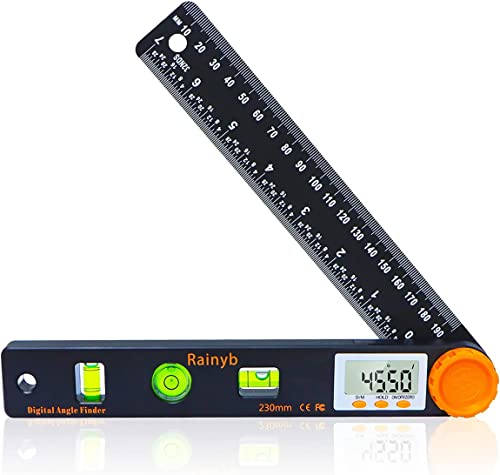
Rainyb Digital Angle Finder Tool 7-inch 0-360 Degree LED Protractor

Outus Angle Protractor Angle Finder Ruler Two Arm Stainless Steel
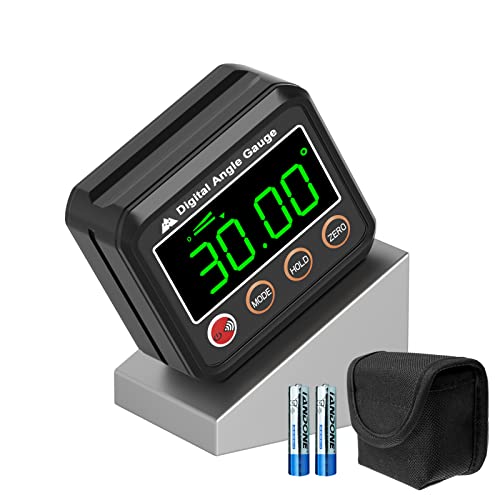
VOLCANOES CLUB Magnetic Digital Angle Finder Protractor Inclinometer

S&F STEAD & FAST Digital Angle Finder Tool 7 Inch / 200 mm

coobeast Digital Angle Finder with Laser, 4-Side Magnetic Gauge

coobeast Digital Angle Finder with Green Laser, 4-Side Magnetic Level
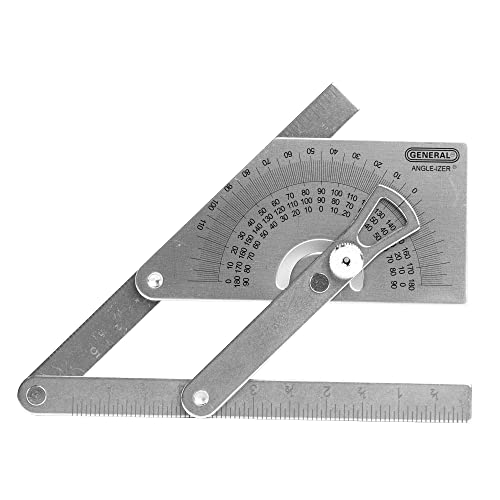
General Tools Protractor and Angle Finder #39, Stainless Steel

LEXIVON Aluminum Digital Angle Finder Gauge LX-DAF7
More Details On Our Top Picks
The IRWIN locator keeps things simple, which is exactly why it suits quick checks at a jobsite or in a garage workshop. The high-impact ABS body gives you a light, tough-feeling tool, and the magnetic format helps when you’re lining up against metal surfaces or saw components.
Compared with the digital picks later in the list, this one asks less from you and gives less back in features, but that can be a fair trade for straightforward use. You may find it especially handy for fast setup work, where reading a display would be one step too many.
Strong Points
- Magnetic contact helps hold position on metal parts.
- ABS housing keeps the body light and work-ready.
- Low-fuss design suits quick, repeat shop checks.
Things To Consider
- No digital readout, so you trade precision features for speed.
- The compact build leaves less room for added functions.
- Dust and shop grime still need regular wipe-downs on the magnet face.
Feature Snapshot
Who It Suits Best
Home improvers and tradespeople who want a fast magnetic locator without extra setup will get the most from it.
A Better Fit Elsewhere
LEXIVON Aluminum Digital Angle Finder Gauge LX-DAF7 suits you better when you want a larger display and more digital control.
Rainyb goes after the task from several angles at once, which makes sense for carpentry benches and layout-heavy spaces. You get a 7-inch body, an LED digital protractor, bubble levels for horizontal and vertical checks, and a ruler-style edge, so the tool tries to cover the whole setup process rather than one measurement only.
That extra range is useful, although the trade-off is a busier tool in the hand and a little more to manage on the bench. For woodworkers and fabricators who like one compact device to handle angle reading plus basic leveling, it lands in a useful middle ground.
Highlights
- 0 to 360 degree range covers a wide span of layout tasks.
- Bubble levels add quick visual checks for flat and upright positioning.
- The ruler edge helps you move from angle finding to marking work.
- LED display suits dim garages and indoor shop corners.
Points To Note
- More features mean more buttons and a busier learning curve.
- The longer body can feel less pocket-friendly than smaller gauges.
- Keeping the display and rule edge clean matters for easy reading.
Core Details
Who Will Love This
Carpenters, woodworkers, and fabricators who want one tool for angle work and simple leveling will get strong value here.
Swap It Out When
General Tools Protractor and Angle Finder #39 suits you better if you want a simpler stainless steel manual tool with fewer moving parts.
This two-arm stainless steel design feels old-school in a good way, especially for layout work that rewards direct contact and visual clarity. The 0 to 180 degree range is enough for common woodworking checks, and the ruler format keeps the tool familiar in the hand.
Compared with Rainyb’s digital layout-heavy setup, this one strips the experience back to the essentials. That makes it a sensible pick for users who value a mechanical tool that can live in a drawer or apron pocket without needing much attention.
Best Bits
- Stainless steel construction suits a workshop environment.
- Two-arm layout helps with angle transfer and marking.
- Simple reading style lowers the chance of button confusion.
- Works well for bench-top woodworking routines.
Minor Gripes
- Manual reading takes a steadier eye than a digital screen.
- Less feature depth than the digital picks in this roundup.
- Metal surfaces can pick up fingerprints and need wiping.
Details At A Glance
The Right Fit
Woodworkers who want a plain, dependable manual angle tool will feel at home with this one.
Look Elsewhere When
S&F STEAD & FAST Digital Angle Finder Tool 7 Inch / 200 mm suits you better when you want digital angle and length measurement in a single tool.
Small digital gauges make sense in tight shop spaces, and this one leans into that job with a mini body, a backlit display, and magnetic contact. The listed accuracy of ±0.1 degree at 0 and 90 degrees, plus ±0.2 degree at other angles, gives you a clear sense of where it is meant to shine, namely repeatable setup work rather than rough guessing.
Compared with the more feature-packed Rainyb unit, this model feels narrower in scope but easier to carry around. That trade-off suits woodworkers and builders who want a compact gauge for leveling, angle checks, and drawer-friendly storage.
Upsides
- Mini size fits easily into a crowded toolbox.
- Backlit display helps in dim work areas.
- Magnetic base supports hands-free placement on metal parts.
- Included pouch makes storage and transport simpler.
Areas To Watch
- Small tools can be easier to misplace on a busy bench.
- Battery-managed gear needs occasional attention between projects.
- The compact screen may feel tight for users with larger hands.
Spec Overview
Made For
Shop users who want a small magnetic digital gauge for fast level checks and compact storage will appreciate this model.
Reach For A Different Pick When
LEXIVON Aluminum Digital Angle Finder Gauge LX-DAF7 makes more sense for you when you want a larger 7-inch platform and an XL display.
This S&F model stands out because it tries to do two jobs well, reading angles and serving as a stainless steel ruler. The 7-inch, or 200 mm, format gives you a useful span for table saw setup, marking work, and general layout without feeling oversized on the bench.
Compared with the simpler manual Outus protractor, this one adds digital convenience, Hold and Zero functions, an outside-angle mode, and auto shutoff. That makes it a solid match for you if your work moves between measuring, locking a reading, and marking a cut line in one session.
Reasons To Buy
- Digital angle display cuts down on squinting.
- Stainless steel ruler edge broadens its workshop usefulness.
- Hold and zero functions help with repeat checks.
- Compact case supports cleaner storage between projects.
- Laser-etched scale is easier to keep visible over time.
Softer Spots
- Digital tools add a little more upkeep than plain metal gauges.
- The feature set can feel busy for casual users.
- Auto shutoff is handy, though it means another habit to remember.
Feature Card
Best Suited To
Table saw users and layout-focused woodworkers who want one tool for angle finding and marking will get the most from it.
Another Choice May Suit
General Tools Protractor and Angle Finder #39 suits you better when you prefer a fully manual stainless steel protractor with a simpler workflow.
This coobeast gauge moves into more advanced territory with a laser, four-sided magnets, a rechargeable design, and backlight support. In a table-saw area or metal-heavy shop, that kind of hands-free attachment can make alignment feel less fussy, especially when you’re trying to hold a piece in place and watch a reading at the same time.
The trade-off is added complexity, so it suits users who’ll actually take advantage of the extra features rather than just wanting a basic angle check. Compared with the simpler VOLCANOES CLUB model, this one feels more ambitious and better aligned with frequent shop use.
Positives
- Four-sided magnets help it stay put on metal surfaces.
- Laser support adds a clearer visual reference.
- Rechargeable design reduces battery swaps during regular use.
- Backlight helps in dim corners of a workshop.
- Cube format works well for compact tool storage.
Honest Caveats
- Laser tools call for more care in setup than plain gauges.
- The extra functions make first-time use less immediate.
- Rechargeable gear benefits from keeping a charging routine.
Technical Sheet
Who Should Grab It
Frequent workshop users who want magnetic hold, laser guidance, and rechargeable convenience will see the most value here.
Where A Sibling Pick Shines
IRWIN Tools Magnetic Angle Locator (1794488) is the cleaner fit for you when you want a simpler magnetic tool without the extra digital layer.
The green laser version keeps the same four-sided magnetic idea, but the visible beam is the big reason it stands apart. That matters in brighter shops and around daylight-heavy work areas, where a more visible reference line can reduce squinting and second-guessing.
It shares the rechargeable, backlit, cube-style appeal of the orange coobeast unit, yet the laser color gives it a different kind of usefulness. You may prefer this one for wall lines, saw setups, and metal attachment points where the beam needs to stay easy to see.
Bright Spots
- Green laser visibility helps in brighter work conditions.
- Four-sided magnets improve holding options on metal surfaces.
- Rechargeable power supports regular workshop routines.
- Backlight adds display clarity in dim corners.
Worth Noting
- Laser tools ask for a little more care during setup.
- The feature set fits frequent use more than casual checks.
- Rechargeable devices work best with a steady charging habit.
Feature Rundown
Built With In Mind
Bright garages, metal-heavy work areas, and users who care about laser visibility are the best match here.
Not Your Match When
Outus Angle Protractor Angle Finder Ruler Two Arm Stainless Steel suits you better if you want a purely manual tool with no charging to think about.
General Tools keeps this one clean and traditional, with stainless steel construction and a 0 to 180 degree span for inside, outside, and sloped angle checks. That range covers a lot of household and shop work without pushing you into digital features you may not need.
It sits close to the Outus manual protractor, but the General Tools model feels a touch more focused on straightforward angle finding rather than extra layout flair. For simple measuring tasks, that restraint can be a strength rather than a limitation.
What We Like
- Stainless steel body suits regular workshop handling.
- Inside, outside, and sloped angles all stay within reach.
- Simple format keeps the learning curve low.
Room For Improvement
- No digital readout for users who prefer a screen.
- Manual reading works best with a steady hand and eye.
- Metal surfaces still need basic care to stay clean and readable.
Key Specs
Whose Shelf It Belongs On
DIYers who want a simple stainless steel protractor for routine angle checks will find this an easy fit.
Skip It When
Rainyb Digital Angle Finder Tool 7-inch 0-360 Degree LED Protractor suits you better when you need digital readouts plus bubble levels.
LEXIVON leans into the details that matter for regular workshop use, starting with a 7-inch aluminum body and an XL display. The four-button layout is straightforward, with zeroing, hold and flip, reverse angle viewing, and on/off control, so the learning curve stays manageable even for a first digital upgrade.
Compared with S&F STEAD & FAST, this model feels a bit more ergonomic in its angle lock approach and more presentation-focused with the larger screen. For users who want a digital gauge that feels calm rather than cluttered, that balance is a real asset.
Positives
- XL display makes readings easier to see at a glance.
- Aluminum body gives it a solid shop-ready feel.
- Angle lock knob supports careful inside and outside work.
- Four-button control keeps daily use straightforward.
- Rugged pouch helps with storage and transport.
Small Caveats
- Digital convenience still brings a bit more upkeep than manual tools.
- The 7-inch body may feel larger than pocket-sized gauges.
- Display clarity matters most when you keep the screen clean.
Core Details
Perfect Match For
Frequent shop users who want a readable digital gauge with a large display and simple controls will get the most from it.
Where Shoppers Go Wrong
S&F STEAD & FAST Digital Angle Finder Tool 7 Inch / 200 mm may suit you better when stainless steel ruler functions matter more than screen size.
How To Choose The Right Angle Finders
Think About The Way You Work
A good angle tool matches your usual tasks, not just the idea of precision. For cabinet work, table saw setup, and trim fitting, a digital model with hold, zero, or a lock function saves time because you can freeze a reading and move on without guessing. For quick framing checks, a magnetic locator or plain stainless steel protractor often feels faster and less fussy.
Match The Readout To The Space
Display style matters more than people expect. An LED or XL screen helps in a dim garage, while a manual scale can feel better in bright daylight or on a crowded bench where you want no battery concerns at all. Backlighting helps visibility, but it also adds another component to maintain.
Weigh Range And Measurement Style
A 0 to 180 degree tool handles many common woodworking angles, while a 0 to 360 degree gauge covers more layout possibilities and reverse readings. That wider range is handy for fabricators and frequent shop users, though the extra capability usually comes with a busier interface. You’ll want the broader range only when your projects truly ask for it.
Don’t Ignore Storage And Handling
Compact gauges suit tool bags and apron pockets, while longer 7-inch models feel steadier for layout work across a board. Magnetic bases help on saw blades and other metal surfaces, but they also pick up dust and fine debris, so simple cleaning matters. A zippered pouch or case can be more useful than it sounds after a long week in the shop.
A Quick Reality Check Before You Choose
Common Shopping Slip Ups
A lot of people focus on angle range and forget the rest of the tool. A bright display means little if the body is awkward to hold, and a magnetic base helps only on surfaces that can actually support it. The safest move is to match the tool’s shape, weight, and controls to the work you already do most.
The Upgrade Payoff
Higher-tier digital gauges usually cost more because they add features like larger displays, laser alignment, rechargeable power, or extra measurement modes. Those extras make sense for daily shop use, repeated setup work, or brighter work areas where visibility matters. For occasional jobs, a simple manual protractor may already cover everything you need.
Frequently Asked Questions
What’s the difference between a digital angle finder and a manual protractor?
A digital model shows the angle on a screen, which can speed up repeat checks and reduce reading mistakes. A manual protractor uses a scale and arms, so it stays simpler and usually needs less care.
Do magnetic angle tools only work on saw blades?
No, they also help on other steel surfaces such as machine beds, pipes, and metal fixtures. The catch is that the surface has to support the magnet well enough for stable contact.
Is a 360-degree model worth it?
A 360-degree gauge helps with reverse angles and broader layout tasks. For basic woodworking, a 180-degree tool may already be enough.
Are laser angle tools useful in bright shops?
Yes, especially when the beam is visible enough to guide alignment. A green laser usually stands out better in brighter spaces than a weaker or harder-to-see line.
What size works best for everyday shop use?
A 7-inch tool gives you more control on a bench and still stays manageable in storage. Smaller gauges are easier to carry, but they can feel less steady during longer layout work.
Closing Thoughts
Angle Finders work best when they match the kind of projects you actually tackle, not the kind of feature list that looks exciting for a minute. A simple magnetic locator suits fast checks, a manual stainless steel protractor fits low-fuss layout work, and a digital gauge with a larger display pays off when you measure often. The right choice makes the next cut or adjustment feel calmer and cleaner. Pick the one that fits your bench, your storage space, and your habits, and you’ll use it more than you expect.