Grinding and brewing in one machine trims down the morning routine, and that matters most in kitchens where counter space is tight and coffee needs vary from day to day. Some of these picks lean toward hands-off convenience, while others give you more control over shot strength, milk texture, and grind range. You’ll also see a clear spread in size, pressure style, and drink presets, so the right match depends on how much control you want at the machine.
Quick Look At The Shortlist

De’Longhi Magnifica Evo Automatic Espresso Machine, Milk Frother, Silver

2026 Upgrade Espresso Machine with Grinder, 20 Bar, Milk Frother, Tamping Tools
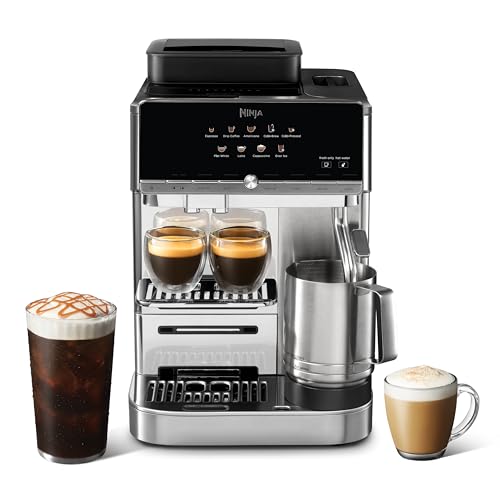
Ninja AutoBarista Fully Automatic Espresso Machine AE1001

Electactic 20 Bar Espresso Machine with Built-in Anti-Clog Coffee Grinder

Chefman Crema Supreme 15 Bar Espresso Machine, Coffee Grinder, 30 Grind Settings
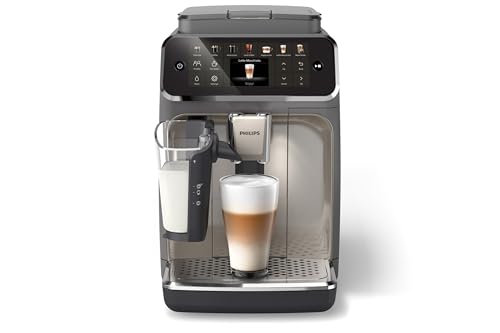
Philips 4400 Series Fully Automatic Espresso Machine, LatteGo, Integrated Grinder

AIRMSEN 20 Bar Espresso Machine, Automatic Milk Frother, Dual Boiler, Touchscreen

De’Longhi Eletta Explore Espresso Machine, Coffee Grinder, Milk Frother, 4 Profiles
More Details On Our Top Picks
For busy mornings, this De’Longhi keeps the learning curve light. The built-in grinder and one-touch drink options suit you best when you want espresso, coffee, or milk drinks without a lot of fiddling, and the silver finish keeps the look clean on a shared counter.
The trade-off is that convenience comes before deep customization, so serious tinkerers may want more control elsewhere in the list. Still, for everyday drinks and a calmer routine, it feels like a very practical place to start.
Strong Points
- One-touch drink range makes weekday use easier.
- Built-in grinder keeps your setup compact.
- Milk frothing support covers common café-style drinks.
- Silver finish fits neatly into modern kitchens.
Things To Consider
- Less room for manual drink tweaking than a semi-automatic setup.
- Automatic machines usually ask for regular cleaning around the brew path and milk parts.
Core Details
Whose Shelf It Belongs On
You’ll like this most as a straightforward home machine for espresso drinkers who want speed without a dense menu of settings.
Where A Sibling Pick Shines
De’Longhi Eletta Explore suits families that want far more recipe variety and profile memory than the Magnifica Evo offers.
This Electactic model leans into the home barista lane without looking overly complicated. The 20-bar pressure claim, grinder, frother, and included tamping tools make it a useful starter setup for you if you want to learn espresso basics while keeping the footprint simpler than the fully automatic picks above.
Compared with the De’Longhi Magnifica Evo, you give up some hands-off convenience, but you gain a more hands-on feel that many new espresso users prefer. The honest read is that this kind of semi-automatic layout rewards a little patience, especially during cleanup and puck prep.
Positives
- Built-in grinder keeps the prep chain shorter.
- Milk frother helps with cappuccinos and lattes.
- Tamping tools support a more guided first setup.
- Semi-automatic style gives you more say in the shot.
Room For Improvement
- It asks for more manual attention than a super-automatic machine.
- New users may need time to get the grind and tamp rhythm right.
- Routine cleaning around the grinder and brew area matters a lot here.
Feature Snapshot
Who Should Grab It
You’re the best fit here if you want a first espresso setup with more control than a push-button machine.
Another Choice May Suit
Philips 4400 Series Fully Automatic Espresso Machine fits you better if you want fewer manual steps and a smoother morning routine.
Ninja takes a wider swing than the first two picks, and that matters in homes where coffee habits shift from morning espresso to iced drinks later in the day. The built-in grinder, milk frother, and self-cleaning feature help make it easier to live with, especially in a kitchen where nobody wants a fussy cleanup ritual after every cup.
Compared with the Electactic machine, this one pushes further toward full automation and variety. You may find it especially appealing if different people in the house want different drinks, since the menu leans broad rather than narrowly espresso-focused.
Highlights
- 10 one-touch hot and iced drink options widen daily use.
- Built-in grinder keeps bean prep inside one machine.
- Milk frother supports the usual café-style staples.
- Self-clean feature reduces some routine upkeep.
- Useful for households with mixed drink preferences.
Points To Note
- More program variety can mean more menu decisions at first.
- Milk systems still need regular care to stay tidy.
Details At A Glance
Built With In Mind
You’ll get the most from this machine in a busy home where variety matters as much as speed.
Look Elsewhere When
Chefman Crema Supreme 15 Bar Espresso Machine fits you better if you want a more manual espresso routine with extra grind settings.
This Electactic model stands out for a tighter, cleaner-looking setup than many grinder machines in the category. The anti-clog grinder detail is the part that matters most in day-to-day use, because less buildup usually means less annoyance around grind flow and cleanup in a small kitchen.
Against the Ninja AutoBarista, you give up the broad one-touch menu, but you gain a more focused espresso path. That makes it a sensible fit for you if your coffee habit stays close to classic espresso and milk drinks rather than a long list of presets.
Upsides
- Built-in grinder keeps the footprint more contained.
- Anti-clog design should appeal to low-fuss users.
- 20-bar setup suits espresso-style brewing at home.
- Cleaner layout works well on limited counters.
Areas To Watch
- Manual workflow usually asks more of you than fully automatic models.
- Cleaning the grinder path still matters for long-term ease.
Quick Facts
The Right Fit
You’re a good match for this pick if you want a compact espresso setup and don’t mind being more hands-on.
Skip It When
De’Longhi Eletta Explore is the smarter move for anyone who wants more presets and user profiles in one machine.
Chefman pushes harder into customization than the easiergoing machines earlier in the list. The 30 grind settings give you more room to tune the cup, and the 3-liter removable water tank matters in real homes because fewer refills usually mean less interruption during a slow weekend or a couple of back-to-back drinks.
The barista steam wand also gives you a more hands-on milk texture than an automatic frother, which is useful for anyone learning latte art or just preferring a bit more control. The catch is that this style asks for more cleanup and a steadier routine than the super-automatic models, so it fits patient coffee people better than rushed ones.
Best Bits
- 30 grind settings support fine tuning.
- 3-liter tank helps cut down refill frequency.
- Steam wand gives more milk texture control.
- Stainless steel finish feels durable and familiar.
Minor Gripes
- Manual steam work needs more attention than an automatic frother.
- More control usually brings more cleanup.
- Learning your preferred grind range can take some patience.
Spec Overview
Perfect Match For
You’ll appreciate this most as a hands-on home espresso setup with enough range to experiment.
A Better Fit Elsewhere
Philips 4400 Series Fully Automatic Espresso Machine suits you better if you want less manual milk work and faster weekday rhythm.
The Philips 4400 Series feels aimed at people who want their coffee routine to stay calm and repeatable. LatteGo, the milk system here, uses a streamlined container-style setup, which helps make milk handling less messy than a traditional wand in many homes, and the 12 drink presets keep the menu broad without looking overwhelming.
Compared with Chefman, this one gives up the tactile grind tweaking in exchange for easier daily use. You may find that trade worthwhile in a weekday kitchen where speed, cleaner milk handling, and less second-guessing matter more than dialing every cup by hand.
What We Like
- 12 hot and iced presets cover a broad daily range.
- Integrated grinder keeps the machine self-contained.
- LatteGo system is easier to live with than many wand setups.
- Quick start support helps shorten the first-use learning curve.
- Quiet brew design suits shared homes better than louder machines.
Softer Spots
- Less manual control than a semi-automatic machine.
- Preset-heavy machines can feel less hands-on for hobbyists.
- Milk system parts still need routine washing.
Feature Card
Built With In Mind
This suits you best when a clean counter and quick weekday drinks matter more than manual drink-building.
Where Another Pick Fits Better
Ninja AutoBarista Fully Automatic Espresso Machine is the better fit for households that want more hot-and-iced variety.
AIRMSEN puts speed and structure front and center, and that dual-boiler setup is the key detail to notice. A dual boiler means the machine can handle brewing and milk heating in separate systems, which matters in a busy kitchen because it helps reduce pauses between steps and can make drink prep feel more fluid.
The touchscreen also makes the interface feel a little more modern than the knob-and-button machines around it. Compared with the Philips 4400 Series, this pick looks more direct and fast-moving, though its semi-automatic style still asks you to stay involved rather than walk away from the process.
Reasons To Buy
- Dual-boiler design supports quicker back-to-back drink flow.
- Automatic milk frother helps with cappuccinos and lattes.
- 60-ounce tank supports longer stretches between refills.
- Touchscreen controls make the front panel easier to read.
- Stainless steel body suits regular countertop use.
Small Caveats
- Dual-boiler setups can be more machine than a casual drinker needs.
- Touchscreen convenience still depends on regular wipe-downs.
- Semi-automatic use leaves more steps in your hands.
Technical Sheet
Who Will Love This
You’ll enjoy this most if you want quicker drink flow and don’t mind a more involved espresso routine.
Not Your Match When
De’Longhi Magnifica Evo makes more sense for anyone who wants more of the process handled automatically.
This is the broadest, most household-friendly machine in the group. With more than 50 one-touch recipes, a travel mug option, hot and cold frothing, a built-in grinder, and four user profiles, it suits homes where everyone wants something a little different and nobody wants to start from scratch every morning.
Against the Philips 4400 Series, the Eletta Explore gives you much more recipe depth and profile memory. The trade-off is that all that flexibility can feel like more machine than a solo espresso drinker needs, so it’s strongest in busy homes rather than minimalist setups.
Positives
- More than 50 one-touch recipes cover a wide drink range.
- Four user profiles help keep preferences organized.
- Hot and cold frothing expands drink options through the day.
- Built-in grinder keeps the workflow compact.
- Travel mug support adds practical everyday flexibility.
Honest Caveats
- Rich feature sets can feel excessive for simple espresso routines.
- Multiple profile and drink settings take a little setup time.
- More functions usually mean more cleaning points to watch.
Core Details
Who Should Grab It
You’re the right fit here if your household wants a long menu, saved preferences, and a machine that handles more than basic espresso.
Swap It Out When
Ninja AutoBarista Fully Automatic Espresso Machine suits you better if you want a simpler entry into hot and iced recipes without as much profile setup.
How To Choose The Right Automatic Espresso Machine Grinders
Match The Machine To Your Routine
The best fit starts with how you actually make coffee, not how you picture yourself making it. A fully automatic machine makes sense for rushed mornings and shared kitchens, while a semi-automatic setup suits you better when espresso prep feels relaxing rather than inconvenient.
Built-in grinders save counter space and cut down on extra gear, which matters in apartments and smaller kitchens. That convenience does add complexity inside the machine, so regular cleaning around the brew path, grounds bin, and milk parts becomes part of ownership.
Look Closely At Milk Handling
Milk systems separate these picks more than anything else. A steam wand gives you more control and a little more learning room, while automatic frothers and container-style systems are easier for weekday use and less messy after the cup is done.
In homes where lattes and cappuccinos come up often, milk design shapes the whole experience. For occasional milk drinks, a simpler frother is usually enough, and you’ll probably care more about easy wiping than about texture tricks.
Think About Presets, Profiles, And Control
Preset counts matter because they change how fast you get from beans to cup. A narrow menu works well for espresso-focused routines, while a wider recipe list helps households with mixed tastes, from hot drinks in the morning to iced drinks later in the day.
User profiles are worth paying attention to in family homes, since saved settings keep repeat orders from turning into daily guesswork. The trade-off is that more options can slow the first week of use, so simple setups suit beginners better than feature-heavy panels.
Size, Tank Capacity, And Daily Maintenance
Tank size and machine footprint matter just as much as drink count. A larger reservoir helps cut refill trips, while a slimmer body is easier to fit under cabinets or beside a toaster in a crowded kitchen.
Maintenance is the part people often underestimate. Even easier machines need descaling, drip tray emptying, and milk-system cleanup, so you’ll want a model whose upkeep matches your patience level more than your wish list.
Things Worth Knowing First
Common Shopping Slip Ups
One common mistake is chasing drink variety without checking the daily workflow. A long preset list looks exciting, but it only helps when the controls feel simple enough for your actual routine.
Another slip is ignoring the grinder and milk system as maintenance points. Those parts shape how tidy the machine stays, and they matter just as much as pressure or recipe count.
The Upgrade Payoff
Higher-tier machines usually cost more because they combine more automation, more presets, better milk handling, and more memory for user preferences. That extra money often goes toward convenience, not just flash.
Upgrading makes the most sense in busy homes, shared kitchens, or for anyone who wants café-style drinks with less manual work. A simpler machine is still the smarter move for you if espresso is an occasional habit rather than a daily ritual.
Frequently Asked Questions
What does a built-in grinder change for daily use?
It keeps grinding and brewing in one machine, so you use less counter space and fewer separate tools. That setup usually feels smoother on busy mornings.
Is a super-automatic machine better than a semi-automatic one?
Super-automatic machines handle more steps for you and suit quick routines better. Semi-automatic models give you more control, but they ask for more effort and cleanup.
How many drink presets do you really need?
Basic espresso drinkers can live happily with a small menu. Mixed households usually benefit from a wider preset range.
Do automatic espresso machines need a lot of cleaning?
They do need regular attention, especially around milk parts, drip trays, and grounds bins. Easier cleaning systems reduce the friction, but they do not remove upkeep altogether.
Which machine type fits a small kitchen best?
A compact semi-automatic or a smaller super-automatic model usually fits better than a bulkier feature-heavy unit. Tank size and overall width matter just as much as the recipe list.
Closing Thoughts
Your best choice depends on how much of the espresso routine you want the machine to handle. De’Longhi Magnifica Evo and Philips 4400 Series suit you well for easy daily use, while Chefman and AIRMSEN give you more manual feel and tuning space. De’Longhi Eletta Explore is the broadest option for a home that wants variety, and Ninja AutoBarista sits nicely in the middle with a wide menu and easy upkeep. Match the grinder, milk system, and menu depth to your real morning habits, and the right pick becomes much clearer.