Bench sanders earn their keep in garages, small workshops, and home repair corners where clean edges matter more than flashy extras. You need a tool that matches the job, whether that means smoothing wood, touching up metal, shaping parts, or keeping sharpening tasks steady and controlled.
This roundup focuses on eight different styles, from handheld belt sanders to bench grinders and combo machines. The differences matter, because the right pick for a woodworker setting up a new shop is rarely the same one a knife maker or weekend fixer wants.
Quick Look At The Shortlist

Jellas 7Amp Handheld Belt Sander 3 x 21 Inch

BUCKTOOL 6-Inch 1/3HP Low-Speed Bench Grinder TLG-150S
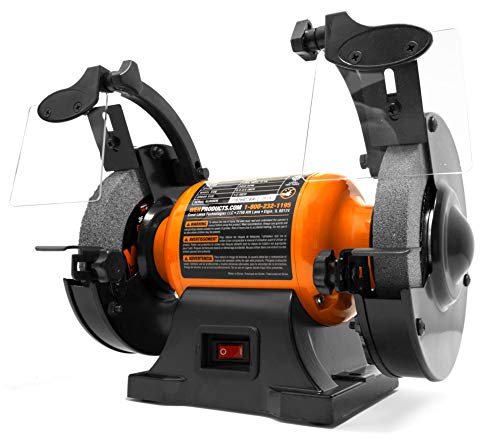
WEN BG4260 2.1-Amp 6-Inch Single Speed Bench Grinder

DEWALT Random Orbit Sander PSA 5-Inch DWE6420

Mini Electric Belt-Sander Knife-Sharpener Sanding Machine

Woodskil 4.3A Belt Disc Sander Combo 4 x 36 In
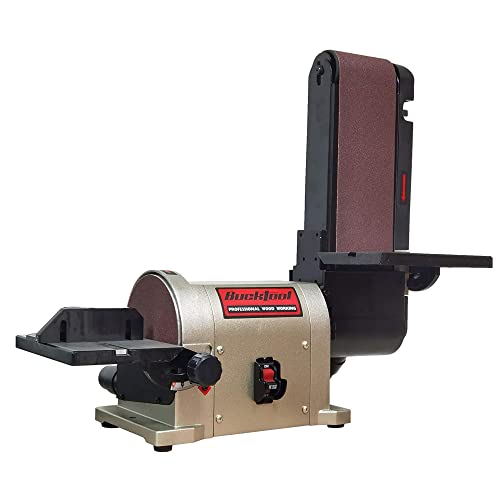
BUCKTOOL 5.0A Belt Disc Sander 4 x 36 In BD4603
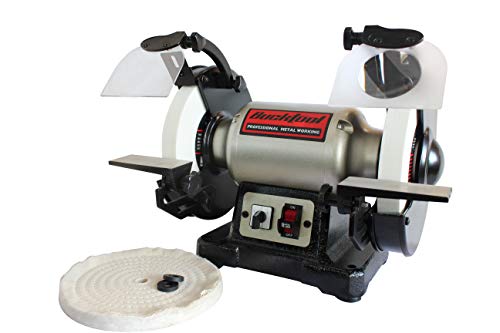
BUCKTOOL 8-Inch 1/2HP Dual Speed Bench Grinder Buffer Combo
More Details On Our Top Picks
The Jellas 3 x 21 inch handheld belt sander fits the kind of work that starts rough and ends with a cleaner line. Variable speed control gives you room to slow down on delicate edges, while the 10-foot cord keeps movement less cramped around a bench or door slab.
The dust bag and 2-in-1 vacuum adapter matter more than they sound, especially in a garage where cleanup time can rival sanding time. The honest trade-off is that a handheld belt tool still asks for steady hands, so it suits woodworkers and DIYers who want reach more than a tiny finishing touch.
Strong Points
- Variable speed helps you match the tool to heavier removal or lighter refinement.
- The longer cord gives you more freedom around larger workpieces and awkward setups.
- Dust handling is built in, which keeps a sanding station less messy over time.
- The 3 x 21 inch format covers broad surfaces without feeling oversized in a home shop.
Points To Note
- Handheld belt sanding still leaves room for a learning curve on edges and corners.
- The dust bag helps, but fine sanding work can still call for regular cleanup.
Feature Rundown
Who It Suits Best
Woodworkers and home fixers who need reach, speed control, and a practical dust setup will get the most from this one.
A Better Fit Elsewhere
Woodskil 4.3A Belt Disc Sander Combo suits you better for bench-mounted shaping work that benefits from both belt and disc surfaces.
Compared with the Jellas handheld sander, this BUCKTOOL stays planted and leans into precision. A low-speed bench grinder is a steadier match for sharpening tools, light metal cleanup, and jobs where control matters more than brute force.
The wobble-free wheel design is the detail that will matter most in day-to-day use, because a stable wheel feels calmer during edge work. You may still want a dedicated bench space and some patience for setup, so this fits a fixed shop better than a grab-and-go corner.
What We Like
- Low-speed operation suits careful grinding and sharper control.
- The wheel stability focus supports cleaner, more even passes.
- Its 6-inch size keeps it compact for a bench tool.
- Good fit for regular sharpening duties in a home shop.
Room For Improvement
- Bench placement matters, since this is a stationary tool.
- Lower speed can feel less aggressive for faster material removal.
- Wheel care and alignment still deserve attention over time.
Technical Sheet
Who Should Grab It
Knife sharpeners, tool owners, and hobbyists who want a calm, stationary grinder will appreciate the control here.
Where A Sibling Pick Shines
BUCKTOOL 8-Inch 1/2HP Dual Speed Bench Grinder Buffer Combo suits you better for heavier bench work and added buffing capability.
WEN keeps this grinder straightforward, and that simplicity will suit a lot of home workshops. The 2.1-amp motor drives 6 by 3/4-inch wheels at up to 3450 RPM, so you get a familiar bench-grinder pace without extra complication.
Compared with the slower BUCKTOOL above, this one aims more at common shop grinding rather than ultra-gentle control. That trade-off can be useful for general sharpening, though single-speed operation means you live with one pace for everything.
Highlights
- Simple bench-grinder layout is easy to understand and operate.
- Motor output reaches a useful speed range for routine grinding.
- The 6-inch wheel size fits well on a standard bench.
- Works for common shop tasks without a lot of setup fuss.
Minor Gripes
- Single-speed operation gives you less control over task pacing.
- It may feel too basic for users who want extra refinement.
- Like most bench grinders, placement and wheel upkeep matter.
Core Details
Best Suited To
Home shops and casual users who want a basic, familiar grinder with little learning curve will feel at ease here.
Look Elsewhere When
BUCKTOOL 6-Inch 1/3HP Low-Speed Bench Grinder TLG-150S is the better match for slower, more careful sharpening sessions.
This DEWALT takes a different lane from the bench grinders above, because a random orbit sander is about finishing surfaces, not shaping wheels or sharpening edges. The PSA pad style, meaning pressure-sensitive adhesive backing, is a practical detail for sanding setup and pad changes.
For furniture touch-ups, cabinet parts, or paint prep, the 5-inch format stays manageable and easier to steer than a bulkier tool. The trade-off is simple: it’s built for surface smoothing, so you’re not getting the bench-based versatility of a grinder combo.
Upsides
- Random orbit motion helps leave a more even finish than straight-line sanding.
- The 5-inch pad size is easy to handle on smaller panels.
- PSA pad style keeps the sanding setup familiar and straightforward.
- Good fit for finish work where swirl control matters.
Softer Spots
- Not a true bench grinder, so it fills a different role.
- Pad and abrasive upkeep become part of regular ownership.
- More suited to smoothing than heavy stock removal.
Details At A Glance
Who Will Love This
Finish-focused woodworkers and home repair projects that need smoother surfaces will get the most from this tool.
Swap It Out When
Woodskil 4.3A Belt Disc Sander Combo suits you better for shaping work that needs a fixed bench machine.
This mini belt-sander setup speaks to hobby work more than broad shop sanding. The seven-speed adjustment gives you more room to tune the feel for knife making, small polishing jobs, or light metal and wood shaping.
Because the form factor is small, it suits a crowded workbench where space is tight and tools need to earn their footprint. The catch is that compact tools can feel less forgiving with larger parts, so it shines most with precision-minded tasks and careful handling.
Bright Spots
- Seven speed settings help you dial in the pace for different materials.
- Small size makes it easier to store in a cramped workspace.
- Useful for knife shaping, polishing, and other detail-oriented tasks.
- Fits hobby benches where a full-size machine would be too much.
Areas To Watch
- Limited size can feel restrictive on larger pieces.
- Detail tools usually ask for more patience and setup care.
- Cleaning and abrasive changes can be more frequent with small machines.
Feature Card
Built With In Mind
Knife makers, hobby builders, and detail-focused tinkerers who need a compact machine for fine work will appreciate it most.
Another Choice May Suit
BUCKTOOL 5.0A Belt Disc Sander BD4603 fits better for more traditional bench sanding and larger shop parts.
The Woodskil combo machine is the first one here that really leans into bench-based versatility. You get a 4 x 36 inch belt and a 6-inch disc, so one side handles longer passes while the other takes on more focused shaping.
The steel base and dual dust ports make more sense in a fixed shop than in a crowded portable setup. For woodworkers who reshape edges often, the included miter gauge and the two sanding sheets make the machine feel ready for real work, though setup takes more space than a handheld option like the Jellas.
Reasons To Buy
- Belt and disc surfaces let you move between different sanding tasks.
- The steel base adds a sturdier feel on the bench.
- Dual dust ports support cleaner shop airflow around the machine.
- The miter gauge helps with contour and shape work.
- Included sanding sheets help you get started faster.
Small Caveats
- It takes more bench space than a handheld sander.
- Stationary combo machines need a bit more setup and storage room.
Spec Overview
The Right Fit
Woodworkers who want a bench combo for shaping, contouring, and regular edge cleanup will get the best match here.
Reach For A Different Pick When
DEWALT Random Orbit Sander DWE6420 suits you better for finish smoothing on panels and cabinets.
Move from the Woodskil to this BUCKTOOL and you get a machine that leans harder into shop durability and regular use. The direct-drive motor matters because direct drive means the motor turns the working parts without a belt between them, which usually points to a more direct power feel.
The portable aluminum base keeps the footprint practical for a home shop, even though it’s still a bench machine. For repeated shaping, edge cleanup, and routine belt-to-disc work, this one feels like the pick for a shop that sees steady weekend use and wants less fuss in the drive system.
Positives
- Direct-drive setup gives the machine a more immediate working feel.
- Belt and disc combination adds flexibility across project types.
- The aluminum base helps keep the machine manageable on a bench.
- Works well for regular shop habits that involve repeated sanding.
Trade Offs
- Stationary combo tools still need bench room and dedicated placement.
- More moving through different sanding stations can mean more cleanup.
- Best value here comes from regular use, not occasional light touch-ups.
Feature Snapshot
Whose Shelf It Belongs On
Weekend woodworkers and home shop owners who want a sturdier combo machine will feel the fit here.
Skip It When
WEN BG4260 suits you better for simpler, lower-commitment bench grinding without a combo layout.
This BUCKTOOL feels like the most shop-focused machine in the group, and that starts with the cast iron base. Cast iron adds mass, which usually helps a bench tool sit more planted during heavier work, especially when sharpening and buffing happen in the same station.
Dual speeds, 1725 and 3450 RPM, give you a wider pace range than the single-speed options earlier in the list. The 80 and 120 grit aluminum oxide wheels, plus the 3x magnifier and adjustable rests, make it a better match for detailed bench use, though it does ask for more room and a more permanent setup.
Best Bits
- Cast iron base supports a steadier bench presence.
- Dual speed setup gives you more control over task intensity.
- Buffer combo design widens the range of shop uses.
- The magnifier can help with careful edge work and small parts.
- Adjustable rests support more consistent hand positioning.
Honest Caveats
- More feature depth usually means more bench space is needed.
- It suits a committed workbench better than a casual corner.
- Wheel and rest setup take a little more attention to keep aligned.
Core Details
Who It Suits Best
Serious home shops and hands-on hobbyists who want a grinder-buffer combo with more mass and more control will appreciate it most.
A Better Fit Elsewhere
WEN BG4260 is the easier match for a simpler grinder setup with less bench commitment.
How To Choose The Right Bench Sanders
Match The Tool To The Job
Bench sanders cover a few different jobs, and the shape of the work should lead the choice. A handheld belt sander like the Jellas helps with larger wood surfaces and awkward reach, while a bench grinder such as the BUCKTOOL TLG-150S or WEN BG4260 suits sharpening and metal cleanup.
Combo machines make sense once your projects start moving between shaping and finishing on the same bench. That’s the case with the Woodskil and BUCKTOOL belt-disc models, which give you both belt and disc surfaces in one footprint.
Think About Control, Not Just Power
More motor power can help, but speed control and wheel stability often matter more in real use. The BUCKTOOL low-speed grinder shows why a calmer pace can be useful for sharpening, while the DEWALT orbit sander points to finish work where a smoother surface matters more than brute removal.
For detail jobs, smaller tools often feel easier to guide. For larger parts, a broader belt or larger wheel can save time and reduce awkward hand positions.
Check The Setup Around The Tool
Bench space, dust handling, and storage all affect how useful a machine feels after the novelty fades. The Woodskil’s dual dust ports, the Jellas dust bag and vacuum adapter, and the BUCKTOOL cast iron base each answer a different shop need.
Fixed tools reward a dedicated corner and a clear bench. Portable options fit closer quarters, but they usually ask you to trade away some stability or surface area.
Choose The Format That Fits Your Rhythm
People who sharpen often tend to prefer a grinder that stays put and feels ready. Woodworkers who move between sanding, shaping, and finishing may prefer a combo machine or a random orbit sander that feels less specialized.
The right choice is the one that matches how you already work, not the one with the longest feature list. A tool that feels natural on your bench gets used more, and that’s usually the real win.
What To Weigh Before You Click
Wrong Turns To Avoid
Many shoppers focus on speed first and forget the job profile. A fast grinder can be awkward for careful sharpening, while a compact detail tool may feel cramped on larger boards or long trim pieces.
Another common miss is underestimating storage and cleanup. Dust handling, bench room, and wheel or abrasive upkeep matter more than they look on the listing page.
The Upgrade Payoff
Higher-tier machines usually justify themselves through stability, dual-speed operation, heavier bases, or broader task range. That’s why the BUCKTOOL 8-inch grinder-buffer combo and the Woodskil belt-disc machine stand out for more committed shop routines.
You usually pay for smoother control, more durable-feeling construction, and better flexibility across different parts of a project. That extra spend makes sense when your bench gets regular use, not just the occasional touch-up.
Frequently Asked Questions
What does a bench sander do best?
It helps shape, smooth, or sharpen material in a controlled way. The best fit depends on whether you work with wood, metal, or fine-edge tools.
Is a belt-disc combo worth it for a home shop?
Yes, for many home shops it is, because you get two sanding surfaces in one machine. The trade-off is a larger footprint and more setup space.
What size grinder suits general bench use?
Six-inch grinders suit compact workstations and lighter tasks. An 8-inch model gives you more working area and often feels steadier for heavier bench jobs.
Why do some sanders have variable speed?
Variable speed helps you match the tool to the material and the finish goal. Slower settings usually help with control, while faster settings can move material more quickly.
Do dust ports or adapters matter much?
They do, especially in a garage or small shop where cleanup adds up fast. Better dust handling keeps the workspace easier to live with over time.
Final Thoughts
Bench sanders cover a lot of ground, from rough shaping to careful sharpening and smoother finishing. Your best match depends less on brand names and more on how you work, how much space you have, and how often the tool will leave the bench. The Jellas, BUCKTOOL, WEN, DEWALT, SI FANG, and Woodskil each serve a different kind of shop rhythm. Pick the one that fits your projects cleanly, and the rest gets easier.