You’re probably here because rough lumber, uneven cuts, or cramped shop space keeps slowing you down. The right planer setup can save time, trim frustration, and make your boards ready for joinery without a lot of second passes.
This roundup leans on spec sheets and real-world fit, so you can match each pick to your shop habits. You’ll see handheld options, true benchtop machines, and a few related tools that make sense for prep work around them.
The Shortlist At A Glance

Groz No. 6 Fore Plane Hand Planer 60mm Cutter 18″ Length
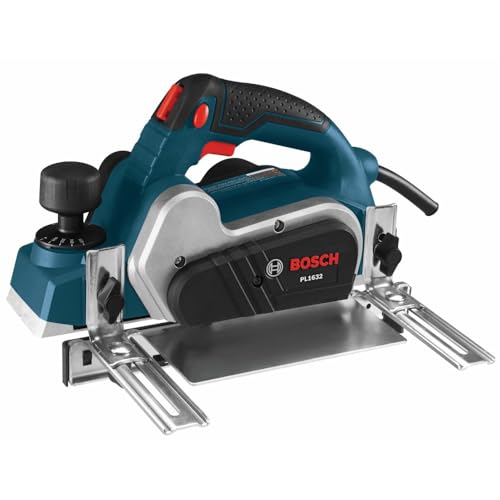
Bosch PL1632 3-1/4 In. Planer

Makita 2012NB 12″ Portable Planer

WEN Rolling Planer and Miter Saw Stand MSA658T

CRAFTSMAN Benchtop Jointer CMEW020

JORGENSEN NO.60-1/2 6-1/4″ Wood Planer

DNTI 6.6amp Corded Electric Handheld Planer 17000rpm 58218

VEVOR Thickness Planer Two-Blade 13″ Worktable
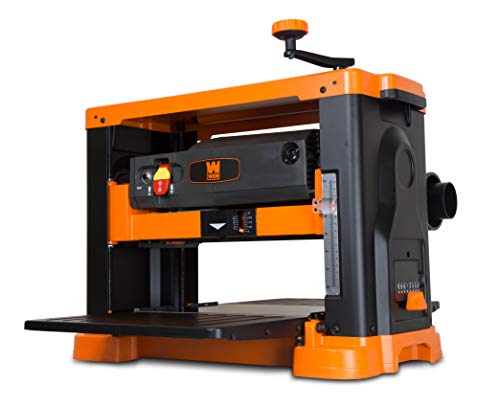
WEN PL1303 15-Amp 13-Inch Three-Blade Benchtop Thickness Planer Black
More Details On Our Top Picks
For wide panels and rough stock, a long hand plane like this gives you slower, more deliberate control than a powered machine. The cast-iron body adds steady weight, while the adjustable frog, the part that holds the blade angle and supports the cutting mouth, gives you room to tune how it behaves on tricky grain.
That matters in a small shop where you want flattening control without setting up a large benchtop machine. The trade-off is simple, it asks for skill and patience, so it suits someone comfortable reading grain and taking measured passes.
Strong Points
- Long body helps span boards more evenly.
- Cast iron gives a steady, planted feel.
- Hardened steel blade suits repeated sharpening.
- Good fit for flattening panels and wider stock.
Minor Gripes
- Manual work means slower progress than a powered planer.
- Needs upkeep and sharpening to stay pleasant to use.
Feature Rundown
Who Will Love This
Woodworkers who flatten boards by hand and want a tool with real mass will get the most from it.
A Better Fit Elsewhere
Makita 2012NB 12″ Portable Planer suits you better for faster thickness work on a bench.
A handheld planer like this fits quick cleanup jobs, door edges, and small trim corrections where dragging out a larger station feels like too much. The 3-1/4 inch cut width keeps it nimble, and that narrower path usually helps in tight spots.
Compared with the Groz hand plane, this one leans on motorized convenience instead of finesse with a blade set by hand. The honest read is that it’s a better match for light, repeatable corrections than for serious stock removal.
What We Like
- Compact body makes overhead and edge work easier.
- Powered operation helps speed up routine cleanup.
- Good fit for trim, doors, and short workpieces.
- Simple form keeps setup time low.
Areas To Watch
- Narrower cut width can feel limiting on larger boards.
- Handheld use can leave more planning marks without careful passes.
- Dust control and blade care still matter for tidy results.
Feature Card
The Right Fit
Weekend woodworkers who need a quick handheld planer for trim and door fitting will get the most value here.
Another Choice May Suit
Groz No. 6 Fore Plane Hand Planer suits you better for hand-finished flattening on wider boards.
This portable benchtop planer suits a shop that needs thickness work without giving up too much footprint. The 12-inch class is useful for common project boards, and the compact format matters when your bench space already feels crowded.
Compared with the Bosch PL1632 and the DNTI handheld planer, this one is built for more serious board sizing rather than quick edge cleanup. The catch is that portable benchtop machines still ask for lift space and a stable surface, so they’re not truly grab-and-go.
Highlights
- 12-inch format covers many common project boards.
- Portable build suits smaller garages and shared workspaces.
- Better fit for thickness work than handheld planers.
- Useful middle ground between compact size and shop utility.
Worth Noting
- Needs bench or stand support for steady use.
- Less portable than a handheld planer.
Core Details
Built With In Mind
Home woodworkers who want a portable thickness planer for regular bench work will appreciate the layout.
Swap It Out When
Bosch PL1632 fits you better for fast handheld touch-ups, while VEVOR Thickness Planer suits bigger stock.
This is the support piece that makes a planer or saw setup easier to live with in a shared garage. The rolling layout and extension rollers help long stock stay aligned as you feed it through, which is handy when you’re working alone.
Compared with the Makita 2012NB, this isn’t a cutting tool, it’s the staging piece that can calm down the whole workflow. One thing worth considering, though, is that a stand only helps when your tool footprint and task mix actually need that mobility and support.
Positives
- Rolling design helps reposition the setup with less strain.
- Extension rollers can support longer pieces during feed work.
- Useful for shared spaces where tools move around often.
Soft Spots
- Does not plane wood by itself.
- Best value depends on how often you move machinery.
Details At A Glance
Whose Shelf It Belongs On
Shop owners who move a planer or miter saw between jobs and need more flexible support will benefit most.
Look Elsewhere When
WEN PL1303 suits you better for actual thicknessing, while Makita 2012NB suits portable planing work.
This jointer matters because flat edges make glue-ups and fit-up far less annoying. A 10 amp corded motor and a cutting rate listed at up to 22,000 cuts per minute suggest a tool aimed at steady edge work in a home shop or light project space.
Compared with a true planer like the Makita or WEN models, this one solves a different problem, edge straightness rather than thickness reduction. The trade-off is that jointers are less versatile than planers, so it’s best for someone who already knows edge prep is part of the routine.
Best Bits
- Helps straighten edges before glue-up.
- Corded power suits repeatable bench work.
- Good companion tool for furniture parts and boards.
- Useful where flat edges matter more than thickness changes.
Softer Spots
- Does not replace a planer for thicknessing stock.
- Another machine to store in a crowded shop.
- Cleanout and setup still need routine attention.
Technical Sheet
Who Should Grab It
Furniture hobbyists and trim-focused woodworkers who need cleaner edges for joinery will value it most.
Where A Sibling Pick Shines
WEN PL1303 suits you better for thickness planning, while Groz No. 6 Fore Plane Hand Planer suits hand-flattening work.
For trim work, end grain, and quick edge cleanup, a low-angle block plane feels very different from the larger Groz fore plane. The ductile iron body should give it a sturdier feel in the hand, and the adjustable mouth, the opening that controls chip flow at the blade, lets you tune how tightly it bites into wood.
That makes it handy for small corrections where a powered tool would be too heavy or awkward. The honest read is that this is a specialist hand plane, so you’ll like it most when detail work matters more than speed.
Reasons To Buy
- Low-angle layout helps with trimming and end grain.
- Small size fits detail work and tight spaces.
- Ductile iron body adds a solid hand feel.
- Adjustable mouth gives more control over shaving depth.
Points To Note
- Not a substitute for a powered thickness planer.
- Needs regular tuning and blade care.
- Best results come from patient hand technique.
Core Details
Perfect Match For
Detail-minded woodworkers who enjoy hand tools and trim a lot of small parts will feel at home with it.
Not Your Match When
Bosch PL1632 suits you better for powered cleanup, while CRAFTSMAN CMEW020 suits edge-straightening bench work.
This handheld planer aims at faster cleanup than a manual plane and less bulk than a benchtop machine. The 6.6 amp motor and 17,000 rpm speed point toward quick passes on boards, chamfers, and general DIY smoothing.
Compared with the Bosch PL1632, this model sounds a bit more assertive on paper, though the real benefit depends on how comfortable you are guiding a corded planer. It suits someone who wants a powered tool for general wood shaping without moving up to a full stationary setup.
Bright Spots
- High-speed layout supports fast handheld passes.
- Good match for chamfers and basic wood shaping.
- Corded power avoids battery management.
- Useful middle ground for DIY trim work.
Room For Improvement
- Handheld use still demands control to avoid uneven cuts.
- Dust cleanup and blade care remain part of ownership.
- Not as suited to large stock as a benchtop thickness planer.
Feature Snapshot
Who Will Love This
DIY woodworkers who want a corded handheld planer for trim, chamfers, and quick surface cleanup will get the most from it.
Reach For A Different Pick
Makita 2012NB suits you better for bench-based thickness work, while JORGENSEN NO.60-1/2 suits detail hand shaping.
This is the most serious thickness planer in the roundup, and the 13-inch worktable gives it a clear edge for wider stock. A two-blade cutterhead and a 15 amp, 2000 watt motor point toward a machine meant for real material removal rather than light touch-ups.
Compared with the Makita 2012NB, this one pushes farther into shop-duty territory, so it makes more sense for larger projects and heavier boards. The trade-off is size and noise sensitivity, which matter in a garage where every inch and decibel count.
Upsides
- 13-inch worktable handles wider boards than compact planers.
- Two-blade cutterhead supports efficient stock removal.
- Extended infeed table helps guide longer pieces.
- Good fit for shop users tackling dense or rough lumber.
Small Caveats
- Needs room, so small benches may feel cramped.
- Heavier-duty machines usually ask for more cleanup and maintenance.
- Noise level matters in shared spaces.
Spec Overview
Best Suited To
Serious home woodworkers who handle wider boards and want a shop-focused thickness planer will appreciate the capacity.
A Better Fit Elsewhere
WEN PL1303 suits you better for a similarly sized but differently arranged benchtop planer, while Makita 2012NB fits smaller spaces.
This benchtop planer sits in the sweet spot for many home shops, because the 13-inch size handles a lot of common board widths without jumping to a larger footprint. The three-blade cutter arrangement should appeal to anyone who wants a bit more cutting action per pass than a simpler two-blade setup.
Compared with the VEVOR model, this one sounds a touch more balanced for general shop use than raw capacity chasing. The catch is that benchtop planers still need a stable home, so it suits a dedicated work area more than a temporary setup.
Positives
- 13-inch format covers many home-shop boards.
- Three-blade layout gives a more layered cutting setup.
- Good middle ground for regular thickness work.
- Fits better than larger machines in modest garages.
Honest Caveats
- Still needs bench space and a stable platform.
- More machine means more upkeep than a simple hand plane.
- Black finish can show dust faster in a busy shop.
Core Details
Made For
Woodworkers who want a practical benchtop thickness planer for regular garage-shop projects will get a strong fit here.
Consider Something Else When
VEVOR Thickness Planer suits you better for heavier stock, while Groz No. 6 Fore Plane Hand Planer suits hand-flattening work.
How To Choose The Right Benchtop Planer Under 500
Start With The Work You Actually Do
A planer choice makes more sense once you match it to your usual stock. Narrow trim, door edges, and small touch-ups favor handheld units like the Bosch PL1632 or DNTI 6.6amp, while boards for furniture and shelving push you toward the Makita 2012NB or the WEN PL1303.
Think in terms of the material you handle most often. A 13-inch benchtop planer can cover common lumber sizes for cabinets and shop projects, while a hand plane feels better for detail work that needs patience instead of speed.
Look Past The Motor Label
Power numbers matter, but they don’t tell the whole story. Blade count, cutterhead design, table support, and body material all change how smooth the tool feels in use and how much cleanup you need afterward.
For example, a three-blade benchtop planer like the WEN PL1303 may suit routine work in a fixed shop, while the VEVOR’s two-blade setup and larger table point more toward wider, heavier stock. The better choice is the one that matches your workload without eating your whole bench.
Think About Space, Noise, And Setup
Benchtop planers need room around them, plus a stable place to sit. In a small garage, that can matter as much as cut width, because a machine that fits on paper can still feel awkward once you start feeding lumber through it.
Noise is another practical issue, especially in shared spaces. Hand planes like the Groz and JORGENSEN keep things quiet, but they ask for more physical effort, so the right answer depends on whether you value speed or control more.
Use The Budget To Separate Convenience From Capacity
Staying under this price tier usually means choosing between compact convenience and broader stock handling. The Makita 2012NB sits in a sweet middle zone for portable benchtop use, while heavier-duty machines like the VEVOR lean harder into capacity and motor strength.
That’s the real trade, not just the sticker number. More machine can mean more room, more cleanup, and a better fit for regular shop work, while simpler tools ask less of your space and your patience.
A Quick Reality Check Before You Choose
Common Shopping Slip Ups
One common mistake is treating every planer like it does the same job. Handheld planers, block planes, jointers, and thickness planers each solve different problems, so the wrong category leads to regret before the first board goes through.
Another mistake is ignoring bench space and board length. A compact tool can still feel clumsy in a crowded garage, and a larger planer can be overkill for trim work that only needs light cleanup.
What The Higher Tier Buys
More expensive units usually bring wider capacity, steadier table support, stronger motors, or more refined cutter setups. That extra spend makes sense when you process rough lumber often or want fewer passes on larger boards.
It also buys convenience in a very practical way. Better support and larger cutting width can save time during real shop projects, while smaller tools make more sense for occasional use and tighter storage.
Frequently Asked Questions
What size planer suits a small garage shop?
A compact handheld planer or a portable benchtop unit usually fits best in tight spaces. A 12-inch or 13-inch planer makes sense once you have room for infeed and outfeed clearance.
Do you need a jointer and a planer together?
Not always, but they solve different jobs. A jointer straightens edges, while a thickness planer brings stock to an even thickness.
Is a hand plane still worth using?
Yes, especially for quiet trimming, edge tuning, and board flattening. It suits you best when the work is small and precision matters more than speed.
What blade setup should you look for?
More blades can mean a different cutting feel and sometimes smoother surface behavior. The best setup depends on how often you plan to work rough lumber versus lightly prepared boards.
Can one planer handle all woodworking jobs?
No single model covers every task neatly. A powered handheld planer, a benchtop thickness planer, and a hand plane each shine in different jobs.
Closing Thoughts
You do not need the biggest machine to get useful results, you need the one that fits your space, your stock, and your pace. For hand-finished control, Groz and JORGENSEN make sense, while Makita, VEVOR, and WEN cover the bench side of the job with more speed and capacity. Bosch and DNTI sit in the middle for quick powered cleanup, and the CRAFTSMAN jointer fills the edge-straightening gap. Match the tool to the work you do most, and the whole shop feels easier to run.