Loose spokes and uneven wheels can turn a simple ride into a noisy, frustrating one. The right spoke wrench helps you tighten nipples, true a rim, and keep a wheel usable without reaching for a full shop setup. Some picks here suit quick tune-ups in a garage, while others fit deeper wheel work or more exact tension checks. You’ll also see a few tools that make sense for beginners, plus a couple that suit more experienced hands.
The Shortlist At A Glance

Mudder 6 Pcs Bicycle Spoke Wrench Set

Park Tool Bicycle Spoke Wrench for Square Nipples

Park Tool Bicycle Spoke Wrench for Square Nipples

Bikehand Bike Wheel Spoke Wrench

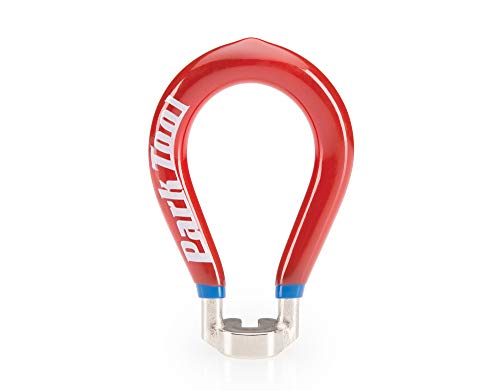
Park Tool Four-Sided Bicycle Spoke Wrench
Park Tool Four-Sided Bicycle Spoke Wrench
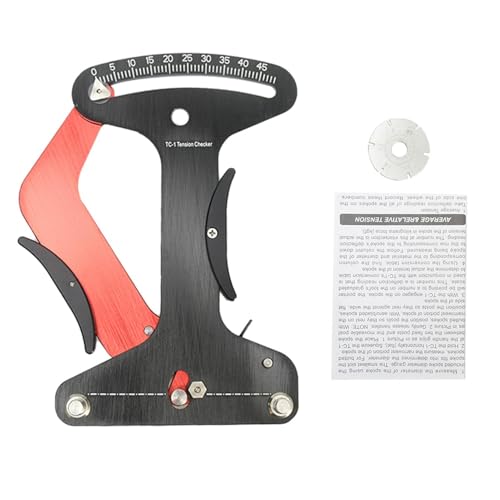
NINEFOX Bicycle Spoke Tension Meter Tensiometer Wheel Repair Tool

Park Tool ND-1 Nipple Driver Tool
More Details On Our Top Picks
A mixed kit like this makes sense in a home garage where one wheel never seems to need just one tool. You get several spoke wrench styles plus a tire lever, so the set covers quick adjustments and the kind of small fixes that usually happen together.
The trade-off is focus, because a bundled set rarely feels as exact as a single-purpose wrench from Park Tool. Still, for casual riders, commuters, or anyone building a basic repair pouch, that extra variety can save time and drawer space.
What We Like
- Six-piece mix gives you more than one approach to wheel repair.
- The included tire lever adds useful value for roadside and garage jobs.
- Compact size suits a tool bag or shelf caddy.
- Good choice for shared households where several bikes may need minor adjustment.
Points To Note
- Mixed-tool kits can feel less specialized than a single precision wrench.
- The assorted pieces take a bit more sorting after each use.
- Plastic or coated small tools can wear sooner than all-metal workshop pieces, depending on use.
Feature Snapshot
Who It Suits Best
You’re a solid match for this set if you want one small bundle for home repairs, basic truing, and emergency fixes.
A Better Fit Elsewhere
Park Tool Bicycle Spoke Wrench for Square Nipples suits you better when your wheel work calls for a single precision tool instead of a mixed kit.
Square-nipple wheels need a tool that fits cleanly, and this one is built around that narrower job. The hardened, nickel-plated body points to better wear resistance than the softer finishes you sometimes see on general-purpose tools.
For routine garage maintenance, that tighter fit matters more than flash. You may find this especially useful on a bike you service often, since a dedicated wrench tends to feel calmer in hand than a bundled set like the Mudder kit.
Positives
- Precision sizing helps the wrench seat properly on square nipples.
- Hardened steel construction supports repeat use over time.
- Nickel plating adds a cleaner, more durable surface finish.
- Simple single-tool format keeps storage easy.
Room For Improvement
- It stays focused on one spoke-nipple style, so it isn’t a universal answer.
- Single-purpose tools can feel limiting in a shared repair kit.
Core Details
Who Should Grab It
You’ll appreciate this most when your bike uses square nipples and you want one clean, reliable wrench for regular adjustments.
Where A Sibling Pick Shines
Mudder 6 Pcs Bicycle Spoke Wrench Set suits you better when you want several tools at once for a broader home repair kit.
This version follows the same square-nipple focus as the previous Park Tool wrench, so the real question is whether you want a spare or a second setup point. In a busy garage, that can be handy, especially when one tool lives near the workstand and another stays in a travel pouch.
The honest read is that it brings its strength from the same hardened, nickel-plated construction rather than from extra bells and whistles. That makes it a sensible step for riders who value consistency more than novelty, though it doesn’t give you the broader kit coverage of the Mudder option.
Highlights
- Precision fit helps with square-nipple wheel work.
- Hardened construction supports frequent use.
- Nickel plating gives it a durable surface feel.
- Easy to keep as a dedicated backup tool.
Small Caveats
- It duplicates a very specific function rather than broadening your tool set.
- You’ll want to keep track of the size it matches so storage stays organized.
Details At A Glance
Whose Shelf It Belongs On
You’re a good fit for this wrench if you want a second square-nipple tool for a workbench, travel bag, or backup drawer.
Swap It Out When
Bikehand Bike Wheel Spoke Wrench makes more sense when you need color-coded size cues instead of two near-identical Park Tool options.
Color coding sounds simple, but in wheel work it can save real time, especially when you’re swapping between sizes in a crowded toolbox. The vinyl coating should also make the grip a little easier on your fingers, and the heat-treated steel points toward sturdier long-term use than thin stamped tools.
For home mechanics, that combination lands well. The trade-off is that you still need to match the right gauge, and the tool is only as helpful as your habit of putting it back where the colors make sense.
Bright Spots
- Color-coded handles make size identification faster.
- Vinyl coating adds a more comfortable hold.
- Heat-treated steel suits repeated wheel adjustments.
- Clear size markings help reduce guesswork.
- Good fit for a tidy home bench setup.
Areas To Watch
- You still need to match the correct gauge carefully.
- Coated handles can take up a little more drawer space than bare-metal tools.
- The comfort-focused design may feel less slim than a pure shop wrench.
Spec Overview
Best Suited To
You’ll get the most from this wrench if you like a simple size system and do regular wheel adjustments in a home workshop.
Another Choice May Suit
Park Tool Four-Sided Bicycle Spoke Wrench suits you better when you want more support around the nipple for firmer truing work.
The four-sided design changes the feel right away, because it gives the nipple more support than a narrow open-end body. That matters during truing, where a small slip can turn a careful adjustment into a fresh headache.
Compared with the simpler square-nipple Park Tool wrench, this one aims for more contact and steadier torque transfer. In a home shop, that extra structure is useful for riders who work on wheels often and don’t mind carrying a tool that feels a touch more specialized.
Reasons To Buy
- Four-sided shape adds support during wheel adjustments.
- Better contact can help the wrench feel steadier in hand.
- Well suited to repeated truing sessions.
- Good match for a serious garage toolkit.
Worth Noting
- Specialized shape makes it less general than a standard spoke wrench.
- It makes the most sense once you’re already comfortable with wheel work.
Core Details
Right Fit For
You’re the right match for this tool if you do frequent truing and want a more supported feel than a simple open wrench provides.
Look Elsewhere When
Bikehand Bike Wheel Spoke Wrench suits you better when fast size recognition matters more than added contact around the nipple.
This sibling tool shares the same four-sided layout, so the appeal stays centered on control and support rather than broad versatility. For riders who maintain more than one wheelset, that can be a nice second tool to keep near a truing stand or bench vise.
The trade-off is predictability, since it won’t replace a fuller kit like the Mudder bundle. Still, the shape suits careful hands, and the broader contact surface can feel reassuring during repetitive adjustments.
Best Bits
- Four-sided form offers steady support during spoke work.
- Fits well in a workshop setting.
- Useful as a second tool alongside a main wrench.
- Helps keep wheel work feeling controlled.
Minor Gripes
- It stays narrow in purpose, so it won’t handle every repair need.
- Two Park Tool four-sided options can feel redundant unless you want a backup.
Feature Card
Made For
You’ll like this most if your bike maintenance space already has the basics and you want a steadier spoke wrench for focused wheel work.
Where A Sibling Pick Shines
Mudder 6 Pcs Bicycle Spoke Wrench Set is the smarter choice when you want a more varied kit instead of another dedicated truing tool.
Once you move beyond simple tightening, a tension meter becomes the more exact tool in the room. It helps you gauge spoke tension and pair that information with a specification caliper, which is the measuring arm that reads dimensions during truing checks.
That makes this pick a stronger match for new wheel builds, uneven load checks, or a rebuild where you want numbers rather than guesswork. The catch is that it asks for more patience and a bit more know-how, so casual tune-ups may feel slower than with a basic spoke wrench.
Plus Points
- Measures spoke tension for more exact wheel setup.
- Specification caliper supports truing checks.
- Useful for new builds and routine service alike.
- Helps you spot uneven spoke loading.
Honest Caveats
- It asks for more skill than a plain wrench.
- Not as quick for simple roadside adjustments.
- Learning the readings takes a little practice and attention.
Key Specs
The Right Fit
You’re the best match for this tool if you build wheels, rebuild them, or want a more measured approach to spoke tension.
Skip It When
Park Tool Bicycle Spoke Wrench for Square Nipples is the simpler path when your main goal is quick tightening rather than measurement.
Nipple drivers sit a little outside the usual spoke-wrench lane, but they earn their place during wheel builds and rebuilds. This one is aimed at getting spoke nipples started more cleanly, which can save hassle before the finer truing work begins.
Made in the USA adds one more point of interest for shoppers who like domestic production in their tool drawer. The limitation is obvious, though, because it’s a helper for specific build steps rather than a broad wheel repair tool like the Mudder set or a standard Park Tool wrench.
Standout Traits
- Helpful for starting spoke nipples during wheel builds.
- Can make rebuild workflow feel smoother.
- Made in the USA.
- Pairs well with a standard spoke wrench set.
Softer Spots
- It’s more specialized than a regular spoke wrench.
- Best value shows up during build work, not casual tightening.
Feature Rundown
Built With In Mind
You’ll get the most from this tool if you assemble wheels, rebuild them, or spend time on more involved spoke work at home.
Where Another Pick Suits Better
Park Tool Four-Sided Bicycle Spoke Wrench is the better everyday fit when your main task is truing rather than nipple starting.
How To Choose The Right Bike Spoke Wrenches
Fit Comes First
Spoke nipples come in different shapes and sizes, so the right wrench has to match the hardware cleanly. A square-nipple tool, a four-sided wrench, and a tension meter all solve different parts of the same job, and they do it with different levels of precision.
A poor fit can round off edges or make the wrench feel slippery in hand. That’s why size markings, color coding, and precision sizing matter more than flashy extras.
Match The Tool To The Job
Basic spoke wrenches make sense for quick tightening, seasonal upkeep, and small truing corrections. A tension meter is more specialized, since it helps with measured setup on new builds and wheels that need careful balance.
For most home mechanics, a simple wrench covers a lot. More advanced wheel builders usually want a second tool that reads tension, not just turns nipples.
Grip, Shape, And Storage
A vinyl-coated handle feels friendlier in a garage session, while a hardened steel wrench tends to suit frequent use better. Four-sided designs add support around the nipple, which helps during more careful wheel work.
Storage matters too. A compact single wrench slips into a pocket pouch, while a six-piece kit needs a little organization so the right size is easy to reach later.
Think About Your Own Maintenance Style
Commuters often want a small, dependable wrench for minor fixes. Home tinkerers usually benefit from a broader set, especially when more than one bike shares the same bench.
If you rebuild wheels or spend time on precision adjustments, a tension meter or a nipple driver earns its keep fast. Casual riders can stay with the simpler tools and avoid paying for functions they rarely touch.
What To Weigh Before You Choose
Common Shopping Slip Ups
Shoppers often grab the wrong nipple style because the wrench looks close enough. A better move is checking the spoke head shape and the size system before anything goes into your cart.
Another misstep is overbuying specialized tools for light upkeep. A simple wrench covers more routine fixes than many people expect, especially for garage maintenance and small wheel corrections.
What The Higher Tier Buys
Higher-tier tools usually spend the extra cost on tighter sizing, better metal treatment, and a shape that grips the nipple more securely. That matters most during repeated wheel work, where sloppy fit gets annoying fast.
The upgrade makes sense for frequent home mechanics, wheel builders, and anyone who wants a cleaner feel in hand. Casual tightening rarely needs that extra refinement.
Frequently Asked Questions
Do you need more than one spoke wrench?
Many home setups do fine with one well-matched wrench, especially for occasional tightening. A second tool makes sense once you service multiple bikes or work with different nipple styles.
What does a tension meter add?
A tension meter gives you a more measured view of spoke load, which helps during wheel builds and careful truing. It asks for more attention than a plain wrench, but it gives more detail back.
Are four-sided spoke wrenches hard to use?
They are not hard, but they do feel more specialized than an open-ended wrench. You’ll notice the extra support around the nipple during slower, more careful adjustments.
What size wrench should you get?
You should match the wrench to your spoke nipples rather than guessing by brand alone. Color coding, printed size marks, and product fit notes help keep that choice straightforward.
Can a spoke wrench help with wheel truing?
Yes, that’s one of its main jobs. A good fit gives you finer control while you correct side-to-side wobble or adjust spoke balance.
Closing Thoughts
The best spoke wrench for your setup depends on how much wheel work you really do. A simple Park Tool wrench handles focused repairs well, the Mudder set gives you more flexibility, and the NINEFOX meter steps in when precision starts to matter. For home maintenance, the smartest choice is the one that matches your spoke hardware, your comfort level, and the amount of time you want to spend at the workbench. Keep the job simple, and the tool usually feels right.