

Bonding primers earn their keep on stubborn surfaces, patchy repairs, and paint jobs that need a steadier base than bare wood or fresh drywall can give. You may be fixing a cracked patio edge, refreshing tile, or prepping trim that keeps shedding older coating, so the right match saves you from rework later. This roundup keeps the focus on real use, material fit, and the trade-offs that matter once the container is open.
Quick Look At Our Bonding Primer Shortlist

DAP Concrete Bonding Additive 32 Oz

Zinsser Peel Stop Triple Thick High Build Binding Primer
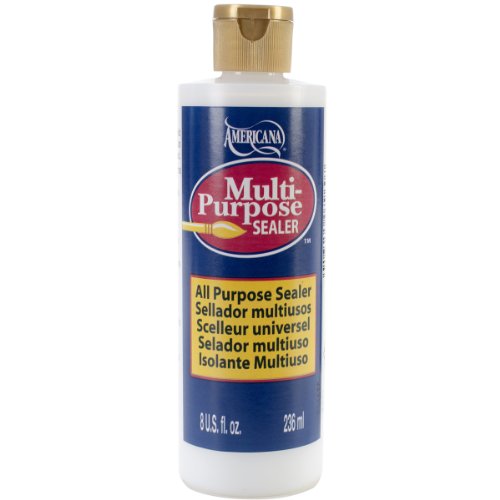
DecoArt DS17-9 Acrylic Primer & Sealer 8 Oz

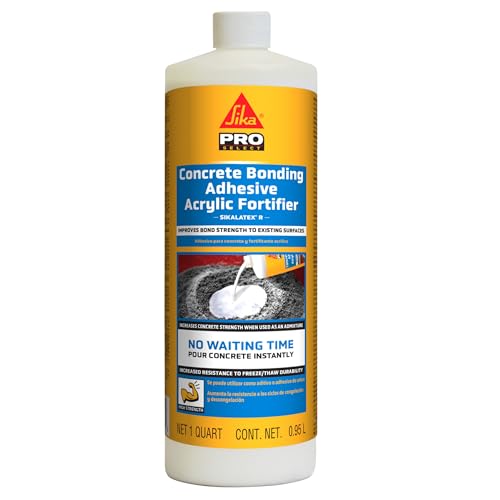
SIKA SikaLatex R Concrete Adhesive Glue 1 Quart
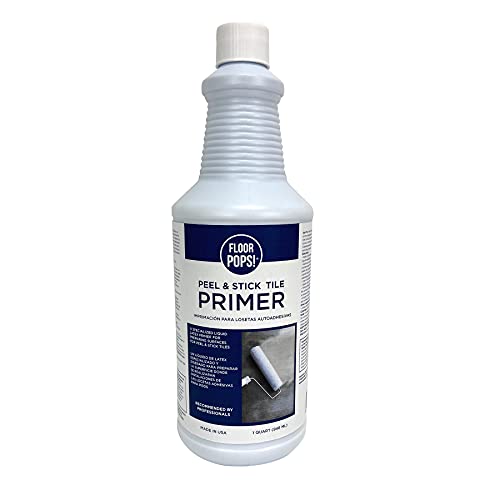
FloorPops FPP4182W Peel Stick Tile Primer

Liquid Rubber Multipurpose Primer 1 Quart
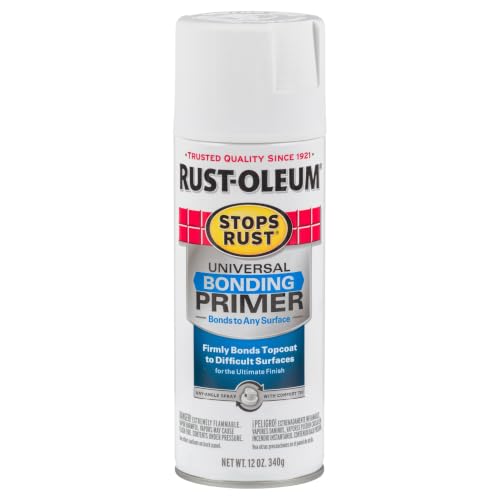
Rust-Oleum Stops Rust Universal Bonding Primer Spray 12 Ounce
Concrete patches tend to fail at the edges first, so this additive makes sense for repairs that need a stronger hand in steps, driveways, and patios. The white liquid format keeps the use case simple, though you’ll still want to match it to the cement work you already know how to handle.
For homeowners dealing with recurring chip-outs, it’s the kind of add-in that supports a more dependable repair layer. The honest read is that it belongs more in repair work than in casual painting jobs, so it suits masonry-focused projects best.
Strong Points
- Useful for concrete repair mixes.
- Helps patch material stay together better in high-wear spots.
- Works for steps, patios, and driveways.
- Simple quart-size format for small to mid-size jobs.
Things To Consider
- It’s aimed at cement work, not general primer duty.
- Surface prep still matters, so loose debris needs attention first.
Feature Snapshot
Who It Suits Best
Homeowners and handymen handling concrete patching will get the most out of it.
A Better Fit Elsewhere
Rust-Oleum Stops Rust Universal Bonding Primer Spray suits quick coating prep on awkward surfaces more comfortably than this masonry-focused additive.
Older walls with peeling layers need more than a thin coat, and this high-build formula speaks to that job directly. High build means it lays on more material per pass than a thin sealer, which matters when you’re trying to bridge rough spots instead of just tint over them.
Compared with DAP’s concrete-focused additive, this one is aimed squarely at wall prep and flaking paint control. You may find the thicker body a little less casual to work with, but that same thickness is the point for tired interior surfaces.
Highlights
- High-build body helps cover flaky spots.
- Well suited to aging painted walls.
- Good match for repairs that need more coverage in one pass.
- Fits projects where surface cleanup matters as much as color change.
Softer Spots
- Thicker formulas usually need a steadier hand during application.
- It is less relevant for masonry repair than for wall prep.
- Container size and spread rate planning still matter on larger rooms.
Details At A Glance
Made For
Home renovators dealing with peeling interior paint will get the clearest payoff.
Look Elsewhere When
FloorPops FPP4182W Peel Stick Tile Primer is a more targeted fit for peel-and-stick tile layouts and patterned floor work.
Small craft projects call for a primer that doesn’t feel oversized or fussy, and this 8-ounce bottle fits that rhythm well. Primer and sealer means it can help prepare a surface and also form a base layer that supports the finish you add later.
Compared with Zinsser Peel Stop, this is far more suited to hobby work, custom décor, and lighter indoor projects. One thing worth considering is the smaller bottle size, which is handy for precision but less practical for large furniture or wall jobs.
Upsides
- Small bottle size suits detailed projects.
- Primer and sealer in one product simplifies prep.
- Handy for craft rooms and small workshop shelves.
- Easy to store between occasional uses.
Room For Improvement
- Size is better for small projects than broad coverage.
- Not the most practical choice for rough exterior repairs.
Core Details
Built With In Mind
Craft hobbyists and detail-focused DIYers will appreciate the small, manageable format.
Swap It Out When
Liquid Rubber Multipurpose Primer is the better match for larger concrete or wood prep jobs that need more coverage.
Clear primer matters most where you want support without changing the look underneath, and that makes this one useful for decorative projects. The water-based, non-toxic formula also makes it feel less fussy for indoor craft tables and family spaces, though you still need the usual drying patience between steps.
Against DecoArt’s primer-and-sealer bottle, this option leans more toward invisible groundwork than all-purpose prep. It’s a neat fit for paint projects where color clarity matters, almost like leaving the stage lights on low so the finish can still do the talking.
Best Bits
- Clear finish keeps the base layer unobtrusive.
- Water-based makeup is convenient for indoor crafting.
- Non-toxic formula suits shared workspace use.
- Good for projects where color accuracy matters.
Points To Note
- Clear primers can be easy to overlook on the workpiece.
- Smaller 8-ounce size limits bigger prep jobs.
Feature Card
Whose Shelf It Belongs On
It suits crafters and décor makers who want a clear base layer without visual buildup.
Reach For A Different Pick When
Rust-Oleum Stops Rust Universal Bonding Primer Spray is the better option for fast surface prep on tougher household items.
Some concrete and mortar work needs an additive rather than a surface coat, and this quart bottle fits that more technical lane. Acrylic admix means it blends into Portland cement mortar or concrete to support bond strength, which matters when the patch has to work as part of the mix instead of sitting on top of it.
Compared with DAP’s repair-focused additive, this SIKA option leans more toward builders who want a concrete-mix helper for tougher conditions. The freezing and thaw resistance is useful for storage and job timing, though it still belongs to people comfortable with masonry mixing rather than casual weekend painting.
Positives
- Designed for Portland cement mortar and concrete.
- Quart size suits focused repair work.
- Freezing and thaw resistance helps with colder storage conditions.
- Works as an admix rather than a surface-only treatment.
- Useful for patch jobs that need a more integrated bond.
Minor Gripes
- It is more specialized than a general purpose primer.
- Mixing knowledge matters, so beginners may need extra care.
- Masonry cleanup and storage planning still apply.
Spec Overview
Right Fit For
Skilled DIYers and masonry-focused homeowners will benefit most from its mix-in approach.
Another Choice May Suit
DAP Concrete Bonding Additive is the simpler route for straightforward concrete patching without the same construction-admix emphasis.
Peel-and-stick tile projects ask for a surface that feels ready before the first tile goes down, and this primer is built for that kind of prep. The white and off-white tone keeps the base neutral, which helps in spaces where floor patterns or lighter tiles are doing the visual work.
Compared with FolkArt’s clear primer, this one is more floor-specific and less about invisible craft finishing. You may appreciate it most in a kitchen, laundry room, or accent area where tile layout needs a cleaner starting point than bare flooring alone provides.
What We Like
- Made for peel-and-stick tile prep.
- Neutral color keeps the floor base visually quiet.
- Useful in practical rooms like kitchens and laundry spaces.
- Helps create a more uniform starting surface for tile layouts.
Small Caveats
- Tile-specific use narrows its role.
- Floor prep still needs normal cleaning and layout care.
Technical Sheet
The Right Fit
DIY floor installers and home refresh projects benefit most from this tile-focused primer.
Where A Sibling Pick Shines
Zinsser Peel Stop Triple Thick High Build Binding Primer makes more sense for peeling wall repairs than for tile-focused floor prep.
Concrete and wood in the same project can make prep feel scattered, so a multipurpose primer keeps things simpler. Water-based and non-toxic are helpful labels for indoor jobs and cleanup, while fast drying matters most when your work area can’t sit idle all day.
Compared with SIKA’s admix, this is much more approachable for household prep rather than mortar blending. In most workshops, it suits people who want a single quart for routine priming on mixed materials without juggling separate products.
Bright Spots
- Works on both concrete and wood.
- Water-based formula helps keep cleanup straightforward.
- Fast-drying format suits busy project schedules.
- Quart size is convenient for household jobs.
- Easy to apply for routine surface prep.
Areas To Watch
- Multipurpose does not mean specialized for every surface condition.
- Coverage planning still matters on larger repair areas.
Feature Rundown
Perfect Match For
Homeowners tackling mixed-material projects in garages, basements, or workshops will like its broad fit.
Skip It When
SIKA SikaLatex R Concrete Adhesive Glue is the stronger match for mortar and concrete mixing rather than simple surface prep.
Spray primer changes the pace of a project fast, and this Rust-Oleum can help you cover odd angles, trim, and small surfaces without brush marks. It’s also made for difficult surfaces, so it has clear appeal for mixed indoor and outdoor touch-up work where reach matters as much as adhesion.
Compared with Liquid Rubber’s quart liquid, this one favors speed and convenience over brush-on control. For most garages and tool sheds, that trade-off feels sensible, though overspray care becomes part of the job and storage needs stay tied to aerosol handling.
Positives
- Spray format reaches corners and uneven shapes easily.
- Made for difficult surfaces that need extra prep support.
- Works for indoor and outdoor touch-up tasks.
- Flat white finish helps with topcoat setup.
Worth Noting
- Spray application calls for careful masking and ventilation planning.
- 12-ounce size is better for smaller or focused jobs.
- Aerosol format may feel less exact than a brush-on primer for some surfaces.
At A Glance
Who Should Grab It
DIYers who want fast spray coverage for tricky surfaces will get the most out of it.
Another Choice May Suit
Zinsser Peel Stop Triple Thick High Build Binding Primer is better for thick wall repair work than a spray can approach.
How To Choose The Right Bonding Primers
Surface Type Comes First
Start with the material in front of you, because concrete, wood, tile, and peeling paint all ask for different prep habits. DAP and SIKA belong in masonry-adjacent work, while Rust-Oleum and Liquid Rubber speak more to mixed household surfaces. A mismatch here usually shows up later as uneven topcoat performance or extra prep work.
Surface condition matters just as much as material. Flaking paint needs a different strategy than bare plywood, and peel-and-stick tile prep is its own lane entirely. The right primer supports the surface you already have, not the one you wish you had.
Match The Format To The Job Size
Quart bottles and 8-ounce containers fit detail work, small repairs, and craft shelves with limited storage. Spray cans save time on corners and trim, but they ask for masking and a little more control around overspray. Larger concrete repair projects usually benefit from mix-in products rather than thin surface coats.
The easy mistake is choosing by convenience alone. A compact bottle may seem practical until you need coverage across a patio edge or a full wall repair. Pick the format that matches the scale of the work, and the job feels calmer from start to finish.
Think About Drying, Cleanup, And Handling
Water-based formulas usually feel simpler for indoor work and cleanup, especially in garages, craft rooms, and family spaces. Spray products move fast, but they bring aerosol handling into the picture, which means storage and application care matter more. Mix-in additives can be the strongest technical fit, though they also demand more comfort with masonry procedures.
There’s also a practical storage angle. Smaller containers are easier to keep on hand for touch-ups, while quart-size products suit ongoing home repair use. The best match is the one you can store cleanly, apply confidently, and finish without unnecessary waste.
What To Weigh Before You Start
Hidden Buying Traps
Many shoppers focus on the word “bonding” and stop there, but that term covers a lot of different jobs. A tile primer, a concrete admix, and a peel-stop wall product do not behave the same way. Reading the intended surface and format keeps you from buying a product that looks versatile but fits only one narrow task.
Container size is another easy trap. Small bottles feel handy, yet they can run short on rooms, floors, or larger repairs. Check the project area before you settle on a size, and you’ll avoid that awkward mid-job scramble.
The Upgrade Payoff
Higher-tier options usually cost more because they solve a narrower or tougher problem, not because they sound fancier on the label. High-build wall primers, masonry additives, and specialty spray primers each bring more targeted performance than a general prep product. That extra focus is worth it when the surface is old, delicate, or inconsistent.
The upgrade makes sense when rework would be expensive or annoying. A peeling wall, a concrete patch, or a tricky trim area can justify a more specialized formula because the prep step carries more weight. For simpler touch-ups, a plain water-based option often does enough without adding complexity.
Frequently Asked Questions
What does bonding primer actually do?
It helps the next layer grip a surface that would otherwise be hard to coat smoothly. That can mean peeling paint, tile prep, concrete repair, or mixed materials.
Can you use bonding primer on concrete?
Yes, but concrete work calls for the right type of product. Additives like DAP Concrete Bonding Additive and SIKA SikaLatex R belong in masonry jobs rather than wall prep.
Is a clear primer useful for home projects?
Yes, especially for craft work or any finish where you want the base layer to stay visually quiet. FolkArt 7232 Clear Primer fits that role better than opaque options.
Do spray primers work as well as brush-on options?
They work well for corners, trim, and small awkward surfaces. Brush-on formulas usually give you more control on larger or more exacting jobs.
What should you check before choosing a primer?
Start with the surface material, then match the container size and format to the job. That simple check prevents most mismatches in this category.
Closing Thoughts
The best bonding primer for your project is the one that matches the surface, the format, and the amount of prep work ahead of you. Concrete repairs, peeling walls, peel-and-stick tiles, and craft finishes each need a different kind of help, so the right match depends on the job in front of you. Pick the product that fits your material and your pace, and the rest of the project tends to go more smoothly.



