Bottle and glass cutting gets easier once you stop thinking in vague craft terms and start matching the tool to the job. Some of these picks suit straight scoring on sheet glass, while others are built for turning bottles into drinkware, lamps, or décor pieces with less fuss.
That difference matters in a garage, a craft room, or a kitchen table crowded with scrap glass. The right cutter saves you from uneven scores, awkward handling, and a lot of wasted material.
Quick Look at the Shortlist

HTINXED Pistol Grip Oil Feed Glass Cutter 2 Pack
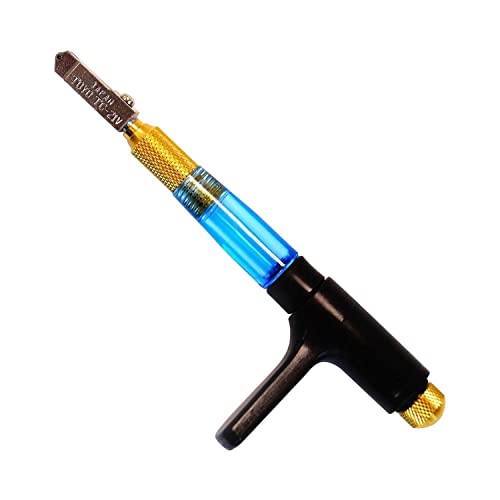
Toyo Custom-Grip Supercutter

Genround Bottle Cutter Upgrade 2.1

Fixm Glass Bottle Cutter Black Upgrade

FIXM Glass Bottle Cutter Kit Adjustable Width

Fletcher Terry 01-122 Steel Wheel Glass Cutter

Glass Bottle Cutter Kit with Spring-Force Technology
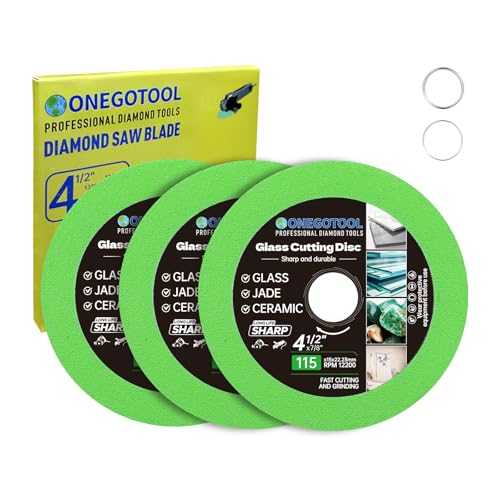
ONEGOTOOL 4-1/2 x 7/8 Inch Glass Cutting Disc, 3-Pack
More Details On Our Top Picks
A pistol-grip cutter gives you a more natural hand position than a bare slim barrel, and that matters during longer scoring sessions. The oil-feed setup helps keep the wheel moving smoothly, so you’re better set up for windows, mirrors, shelves, and bottle work in a home shop.
The honest trade-off is that this style feels less delicate than a premium hand-finished cutter like Toyo’s. Still, for a garage bench or a hobby drawer that sees mixed use, the two-pack format makes sense because you can keep one nearby and one as backup.
Strong Points
- Oil feed helps keep scoring more even.
- Pistol grip shape gives you a steadier hold.
- Two cutters suit shared workspaces.
- Works across glass sheets and bottle projects.
Things To Consider
- Bulkier than a simple wheel cutter.
- Less refined feel than higher-end hand tools.
- Oil-feed cutters need regular cleaning around the wheel.
Feature Rundown
Who It Suits Best
Home crafters who want one cutter for a mix of sheet glass and bottle scoring will get the most out of this shape.
Where A Sibling Pick Shines
Toyo Custom-Grip Supercutter fits you better if you want a lighter, more refined hand feel for careful scoring work.
After the heavier HTINXED two-pack, this one feels more like a precision hand tool than a utility cutter. The Custom-Grip shape is the main story, because a secure hold makes careful scoring easier in a small craft room or at a workbench with limited space.
Color assortment is a nice touch, though the real value sits in the brand’s long-standing reputation for a clean, controlled stroke. The trade-off is that you only get the cutter itself, so anyone building a broader bottle-cutting setup will still need separate tools.
What We Like
- Comfortable grip supports careful control.
- Compact shape stores easily in a drawer or pouch.
- Well suited to repeated scoring work.
- Handy for crafters who prefer a light tool.
Room For Improvement
- No bundled accessories for bottle finishing.
- Better as a scorer than an all-in-one kit.
- Assorted colors are a style point, not a function change.
Technical Sheet
Built With In Mind
Careful hobbyists and stained-glass style crafters are the natural fit here.
Another Choice May Suit
HTINXED Pistol Grip Oil Feed Glass Cutter 2 Pack suits you better if you want a more workhorse-style option with two cutters in the box.
Genround shifts the conversation from sheet glass to bottle shaping, and that makes it more relevant for anyone turning empty bottles into planters, lamps, or drinking glasses. The adjustable setup is the big draw, because different bottle necks and body shapes need a cutter that can stay aligned without a lot of guesswork.
You may find it especially useful in a craft room where bottle sizes change from project to project. The trade-off is that setup matters more here than with a simple wheel cutter, so patience pays off before the first score line.
Highlights
- Built around bottle-focused projects.
- Adjustable layout helps with different bottle shapes.
- Useful for round, square, and necked bottles.
- Good fit for upcycling routines at home.
Small Caveats
- Needs more setup attention than a hand cutter.
- Best results depend on careful alignment.
- Less flexible for flat glass sheets.
Spec Overview
Right Fit For
DIYers who regularly turn bottles into reusable home pieces will feel right at home with this one.
Skip It When
Fletcher Terry 01-122 Steel Wheel Glass Cutter fits better for straight scoring on flat glass or smaller, simpler tasks.
This Fixm version leans into versatility, and that helps when your bottle pile includes wine, beer, whisky, or soda shapes. Black hardware gives it a clean workshop look, though the real reason to notice it is the broad fit across square and round bottlenecks.
Compared with Genround’s more machine-like approach, this one feels like a simpler middle ground for casual bottle projects. It’s a sensible fit for craft shelves that need one tool to cover a mixed stash, even if you still need to stay patient with the scoring process.
Upsides
- Handles a wide range of bottle forms.
- Good choice for mixed drink bottle sources.
- Black finish looks tidy on a bench.
- Less specialized than a full bottle rig.
Worth Noting
- Still needs careful alignment for neat scores.
- Less suited to flat glass sheets.
- Single-purpose bottle tool takes up storage space.
Details At A Glance
The Right Fit
Craft fans who gather bottles from different drinks and want one cutter for many shapes should feel comfortable here.
Where A Sibling Pick Shines
Genround Bottle Cutter Upgrade 2.1 suits you better if you want a more setup-driven machine for regular bottle projects.
This FIXM kit is for the person who wants more than a cutter sitting on the shelf. The adjustable width and accessory bundle make it easier to build a small bottle-upcycling station, especially where you like having the parts in one place instead of hunting for extras.
Compared with the more focused Fixm black upgrade, this one aims at broader project support. The trade-off is that a fuller kit asks for a little more storage space, so it suits organized work areas better than a crowded drawer.
Bright Spots
- Adjustable width supports different bottle diameters.
- Accessory set helps keep the workflow together.
- Good for art pieces and repurposed glass items.
- Works well in a dedicated craft corner.
Points To Note
- Kit format takes up more storage room.
- More parts can mean more setup time.
- Best for bottle projects, not flat sheet work.
Core Details
Whose Shelf It Belongs On
Dedicated hobby crafters who like a more complete setup will appreciate the flexibility here.
Swap It Out When
Fletcher Terry 01-122 Steel Wheel Glass Cutter is the easier choice for straightforward glass scoring without a multi-part kit.
Fletcher Terry keeps things old-school in the best practical sense, with a steel wheel that speaks to simple scoring work. That pared-back design is exactly why plenty of glass hobbyists still reach for this style, especially for routine lines on panels or small projects at a steady bench.
You may prefer it when you want less bulk and fewer moving parts than an oil-feed cutter. The trade-off is obvious, though, because this is a single-purpose hand tool rather than a bottle kit or a broader workshop setup.
Positives
- Simple design keeps the tool easy to handle.
- Steel wheel is a familiar scoring format.
- Easy to store in a compact tool tray.
- Good match for routine glass lines.
Softer Spots
- Less forgiving than an oil-feed style.
- No accessories for bottle finishing.
- Best suited to straightforward scoring jobs.
Feature Snapshot
Built With In Mind
Hobbyists who want a basic, no-frills cutter for standard scoring will feel comfortable with this one.
A Better Fit Elsewhere
HTINXED Pistol Grip Oil Feed Glass Cutter 2 Pack suits you better if hand comfort and a guided oil-feed setup matter more than simplicity.
This kit stands out because it keeps the bottle-upcycling process more complete in one package. The spring-force setup and sanding paper are the practical extras, since edge finishing is part of making cut bottles more usable for everyday display or craft work.
The included guidance also makes it friendlier for someone still learning bottle prep. The catch is that you’re buying into a specific workflow, so it’s less appealing for anyone who only needs a plain hand cutter for occasional sheet-glass work.
Reasons To Buy
- Includes sanding paper for edge finishing.
- Spring-force setup helps guide the cut.
- Good for turning bottles into glasses.
- Helpful for a first bottle-cutting station.
Areas To Watch
- Best suited to bottle projects only.
- More parts mean a busier setup.
- Edge sanding still takes patience and care.
Feature Card
Perfect Match For
DIYers who want to turn beer and wine bottles into usable glass pieces with a more complete kit will appreciate this setup.
Look Elsewhere When
Toyo Custom-Grip Supercutter makes more sense for pure scoring control without the bottle-specific finishing steps.
This ONEGOTOOL set is the outlier in the group, because it works as an angle grinder disc rather than a hand-held bottle cutter. That matters for shop users who already own the right grinder and want a cutting accessory that also reaches into ceramic and stone-adjacent work.
The trade-off is clear, since this belongs with power-tool setups rather than casual craft tables. For the right workshop, though, the three-pack format gives you a practical supply of discs without turning the job into a one-tool hobby routine.
Best Bits
- Fits angle grinder workflows.
- Useful across several hard materials.
- Three discs give you backups on hand.
- Good match for shop-based projects.
Trade Offs
- Not a hand cutter, so the use case is different.
- Needs a compatible grinder.
- Less suitable for small tabletop craft work.
Core Details
Who Will Love This
Hands-on workshop users who already run an angle grinder and want a cutting disc for glass and similar hard surfaces will get the most from it.
Reach For A Different Pick When
Genround Bottle Cutter Upgrade 2.1 is the better choice for tabletop bottle projects and a simpler craft setup.
How To Choose The Right Bottle And Glass Cutters
Match The Tool To The Material
Bottle cutters and glass cutters solve different problems, even though they share a name. A bottle-specific setup works around curved glass and narrow necks, while a steel-wheel hand cutter is better for flat sheet glass, mirrors, and simple scoring lines. The right choice starts with the material sitting on your bench, not the headline on the listing.
Look Closely At Grip, Wheel, And Alignment
Grip shape matters more than many people expect. A pistol grip or custom-grip handle helps your wrist stay settled during longer scoring runs, while a plain wheel cutter keeps things lighter and simpler. On bottle cutters, alignment features matter because a crooked score line usually means more frustration later.
Think About The Full Workflow
A cutter is only part of the job. Bottle kits that include sanding paper, guides, or spring-style pressure controls help you move from scoring to finishing without scrambling for extra supplies. That extra convenience helps most in home craft spaces where tools share the same drawer and storage room is tight.
Choose For Your Usual Project Pace
Occasional hobby use rewards simple tools that store easily and clean up fast. More regular bottle upcycling calls for a steadier setup with adjustable support, while workshop users with angle grinders may get more out of a disc-style accessory than a handheld scorer. The best fit is the one that matches your real routine, not the most complicated option on the page.
What To Weigh Before You Decide
Common Shopping Slip Ups
A common mistake is treating every cutter as interchangeable. Flat-glass scorers, bottle cutters, and grinder discs do not play the same role, so the wrong match can waste material and time. Another slip-up is overlooking cleanup, because oil-feed cutters and bottle rigs usually need more attention than a basic wheel tool.
What The Higher Tier Buys
Extra cost usually goes into grip comfort, adjustment range, and accessory support. A better bottle kit may hold different bottle shapes more securely, while a nicer hand cutter may feel smoother during repeated scoring. That upgrade pays off most for frequent crafters who want fewer compromises and less fiddling between projects.
Frequently Asked Questions
Can one cutter handle both bottles and flat glass?
Some can handle light bottle work and simple sheet glass, but purpose-built tools usually do one job better. A bottle kit is stronger on curved shapes, while a hand glass cutter is better on flat panels.
Do you need sanding accessories for bottle projects?
Sanding help is a useful add-on because cut bottle edges usually need finishing. That matters most when you want the result to be handled or displayed more often.
Is an oil-feed cutter better than a standard wheel cutter?
Oil-feed designs often feel smoother during longer scoring sessions. A standard wheel cutter stays simpler, lighter, and easier to store.
Are angle grinder discs a replacement for handheld cutters?
No, they serve a different setup and require the right power tool. They suit workshop users who already rely on a grinder for cutting tasks.
What matters most for a first-time bottle project?
Stable alignment and a clear finishing process matter most. A kit with guidance and sanding support usually feels less guessy than a bare-bones tool.
Final Thoughts
The right bottle and glass cutter depends on what sits in front of you most often, not on a vague promise of versatility. For flat glass, a steady hand cutter still makes sense, while bottle-focused kits help more with upcycling projects and finished craft pieces. If your workbench sees both, it’s worth choosing the tool that fits your usual material first and your storage space second. That keeps the whole process calmer, and honestly, that’s half the win.