Bowling ball surface care can feel oddly technical until your ball starts reading the lane differently than you expect. This roundup keeps things practical, whether you touch up a reactive coverstock between league nights, keep a spare ball smooth, or want a cleaner finish after a long season. You’ll see sets with broad grit ranges, smaller focused kits, and a couple of polish options for players who want more control over surface feel. The goal is simple, help you match the pad to how you actually bowl.
Quick Look At Our Shortlist

Loopeer 8 Pack Bowling Sanding Pads
Ebonite Bowling Ball Resurfacing Kit

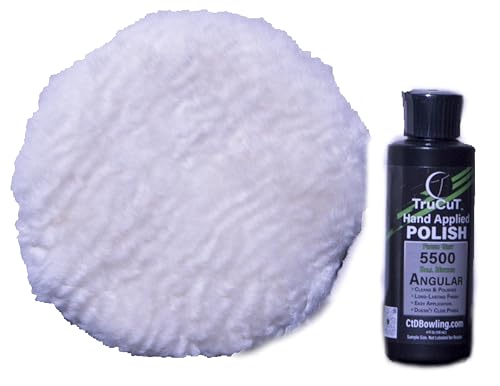
Hand Applied Polish Plus Bowling Ball Polish Kit

Windspeed 6+1 Pack Bowling Ball Sanding Pads

Maitys 12 Pieces Bowling Sanding Pads

CTD TruCut Sanding Pads 2000 Grit 5 Inch

CTD TruCut Sanding Pads 2000 Grit 6 Inch
More Details On Our Top Picks
Eight grit levels make this set useful for steady surface tuning, not just quick touch-ups. The range runs from 500 through 3000, so you can move from stronger lane read to a cleaner finish without jumping between separate kits.
That broad spread matters for league bowlers who like to keep one ball adaptable across changing lane conditions. The trade-off is that the pads are focused on grit variety rather than extras, so you’re choosing flexibility over bundle add-ons.
Strong Points
- Eight grits cover a wide surface range.
- Lets you fine-tune reaction without swapping kits.
- Useful for home maintenance between outings.
- Enough pieces for sharing with a teammate or family member.
Things To Consider
- No towels or polishing liquid are part of the set.
- Frequent resurfacing still takes a careful hand to stay consistent.
Feature Rundown
Who It Suits Best
You’ll get the most from this set if you bowl regularly and like adjusting surface feel yourself.
Where A Sibling Pick Shines
Ebonite Bowling Ball Resurfacing Kit fits bowlers who want a more established resurfacing set with a tighter, brand-name feel.
This kit keeps the focus on resurfacing rather than extras, which is useful for bowlers who want a straightforward pad set. Abralon pads use an abrasive foam-backed build, so the feel tends to be more controlled than loose sandpaper sheets.
Compared with the Loopeer set, Ebonite feels more streamlined and less like a mixed-grit toolbox. That makes sense for league players who already know the surface finish they want and care more about consistency than quantity.
What We Like
- Seven-pad set keeps the process focused.
- Foam-backed Abralon format suits controlled resurfacing.
- Works well for regular lane-condition adjustments.
- Simple kit structure keeps storage easy.
Room For Improvement
- No companion towel or polish is bundled here.
- Less varied than wider grit collections.
- Best results still depend on patient, even pressure.
Core Details
Built With In Mind
Serious league bowlers and repeat users will appreciate the cleaner, more specialized setup.
Look Elsewhere When
Loopeer 8 Pack Bowling Sanding Pads suits you better when you want a wider grit spread in one kit.
This set is broader than the bowling-specific options above, so it only makes sense for you if your surface work overlaps with other sanding jobs. The 5-inch discs use hook-and-loop backing, which means they attach and remove quickly on compatible sanders.
That volume is handy in a garage or workshop, where you may go through abrasive sheets often. The catch is obvious, it’s not tailored to bowling-ball care in the way the Ebonite or CTD pads are, so category fit matters more here.
Upsides
- Large piece count supports repeated sanding jobs.
- Hook-and-loop backing speeds disc changes.
- Grit range reaches from coarse to finer work.
- Useful beyond bowling maintenance alone.
Points To Note
- Built for a random orbital sander, not a bowling-specific kit.
- Overkill for someone who only wants a few surface pads.
Details At A Glance
Right Fit For
You’ll appreciate this set most in a workshop where bowling maintenance is only part of the job.
Skip It When
CTD TruCut Sanding Pads for Bowling Ball Resurfacing makes more sense for a bowler who wants a purpose-built 2000-grit pad.
This kit is aimed at final-surface work, not rough reshaping. The 4-ounce starter size makes it easier to keep on hand for upkeep, especially for players who want a hand-applied polish step after sanding.
It sits in a different lane from the pad sets above, because you’re treating the ball’s finish rather than stepping through multiple grits. For bowlers who care about cleaner, more polished movement downlane, that focused approach can be useful, though it won’t replace a full resurfacing kit.
Reasons To Buy
- Hand-applied format gives direct control.
- Starter size is easy to store and carry.
- Useful as a final step after sanding.
- Designed for players who want a more polished finish.
Small Caveats
- Not a complete resurfacing system by itself.
- Hand application takes patience and even pressure.
- Best used by bowlers already comfortable with finish tuning.
Feature Card
Who Should Grab It
Competitive bowlers and finish-tuning hobbyists will get the most from this polishing step.
Another Choice May Suit
Ebonite Bowling Ball Resurfacing Kit is the better fit for you if you want a more complete pad-based resurfacing routine.
This bundle adds a towel to the sanding-pad mix, which makes it feel more complete for home upkeep. The 500, 1000, and 2000 grits cover the common middle ground, so you can clean up a ball without drowning in choices.
Compared with the Loopeer set, Windspeed is narrower but easier to live with for simple maintenance. The honest read is that the included towel gives it extra day-to-day usefulness, especially for bowlers who like one kit that handles both surface touch-ups and wipe-downs.
Highlights
- Includes both sanding pads and a towel.
- Three grits cover common upkeep tasks.
- Simple bundle works well for home storage.
- Good fit for quick pre- or post-game cleaning.
Areas To Watch
- Smaller grit range than broader sets.
- Less suited to bowlers who want many finish options.
Spec Overview
Whose Shelf It Belongs On
This suits casual bowlers who want a compact care kit without a lot of sorting.
Where A Sibling Pick Shines
Maitys 12 Pieces Bowling Sanding Pads is the better fit for you if you want more pads for spinner-based resurfacing.
This set leans toward larger resurfacing jobs, especially for bowlers who already use a spinner. The 12-piece count gives you more room to manage repeated surface work without running through pads too quickly.
It stands apart from Windspeed by being less about a grab-and-go bundle and more about sustained resurfacing use. Depending on your home setup, that can be a smart trade, though it asks more of your process and space than a simple clean-and-wipe kit.
Positives
- 12 pieces give you more working stock.
- Fits a resurfacing routine centered on a spinner.
- Practical for users who maintain multiple balls.
- Useful for polishing and cleaning steps too.
Softer Spots
- Best suited to a more involved setup.
- Not as convenient for casual one-off cleaning.
Technical Sheet
The Right Fit
You’ll suit this set best if you maintain bowling balls on a spinner and want more pads in reserve.
Reach For A Different Pick When
Windspeed 6+1 Pack Bowling Ball Sanding Pads is easier to live with for bowlers who want a lighter, more casual bundle.
A single-grit pad like this makes sense for players who already know the finish they want. The 2000-grit surface sits in the finer range, so it’s aimed at smoothing rather than aggressive reshaping.
Compared with the broader kits, CTD TruCut 2000 grit is more of a precision tool than a starter bundle. You may find that helpful for repeat surface management, especially in a league bag where you want one specific finish at hand.
Best Bits
- Focused 2000-grit option for fine surface work.
- 5-inch size is straightforward to handle.
- Good match for routine finish maintenance.
- Less clutter than multi-grit kits.
Worth Noting
- Single-grit format limits flexibility.
- Works best for bowlers who already know their surface target.
Feature Snapshot
Best Suited To
Experienced bowlers and detail-oriented hobbyists will get the most from this pad.
Swap It Out When
CTD TruCut Sanding Pads for Bowling Ball Resurfacing 2000 grit 6 inch is a better fit if you want a wider pad face.
This version follows the same fine-grit idea as the 5-inch CTD pad, but the 6-inch face gives you a different feel in hand. For some bowlers, that broader contact area makes surface work feel a little steadier, especially during repeated maintenance sessions.
The trade-off is practical rather than dramatic, you’re still buying a single-grit pad, just in a larger size. That suits people who already know they prefer a 6-inch format and want a dedicated 2000-grit option without extra clutter.
Bright Spots
- 6-inch size gives you a wider working face.
- 2000 grit keeps the focus on fine finish control.
- Easy to pair with a tighter resurfacing routine.
- Good fit for bowlers who like a familiar pad size.
Minor Gripes
- Single-grit design leaves no flexibility for other finish levels.
- Best value comes from knowing you want exactly this size and grit.
Core Details
Perfect Match For
You’ll like this best if you already prefer 6-inch resurfacing gear and want a dedicated fine-grit pad.
Look Elsewhere When
CTD TruCut Sanding Pads for Bowling Ball Resurfacing 2000 grit 5 inch is the cleaner fit for bowlers who want a slimmer pad in the same grit.
How To Choose The Right Bowling Ball Sanding Pads
Grit Range Shapes The Ball’s Reaction
Lower grit pads remove more surface and usually create a rougher feel, while higher grit pads leave a smoother finish. For a bowler managing fresh oil or changing lane patterns, that difference affects how quickly the ball reads the lane and how far it pushes before hooking.
A wide range like the Loopeer set helps you experiment, while a single-grit option like the CTD TruCut pads keeps the choice simple. The right call depends on whether you want flexibility or a fixed finish you can repeat easily.
Match The Pad Type To Your Routine
Some pads are part of a full resurfacing process, while others work as a finishing step after sanding. Foam-backed abrasive pads, such as Abralon, tend to feel more controlled in hand than plain loose sheets, which matters during careful surface work.
That difference shows up at home, in a garage, or beside a spinner. Casual bowlers usually do better with a compact bundle, while league regulars often prefer a purpose-built pad set that fits the same routine every time.
Think About Quantity And Support Items
A bigger pad count helps when you maintain several balls, share with teammates, or want backups in the bag. Smaller sets are easier to store, but they ask you to know your preferred finish more clearly.
Bundled extras matter too. Windspeed adds a towel, which is helpful for simple wipe-downs, while Maitys leans toward a more work-focused setup that suits someone already handling a spinner or a fuller care station.
Choose Around Your Actual Use Case
A travel bag, home shelf, or league locker each rewards a different kind of kit. Players who need one dependable finish often prefer the CTD single-grit pads, while anyone who likes surface tuning across seasons usually gets more value from broader grit assortments.
The honest read is that the best pad set is the one you’ll use cleanly and often, not the one with the longest list of grit numbers. For most bowlers, that means matching the kit to your usual maintenance habit, not chasing every finish at once.
Things Worth Knowing Before You Choose
Common Shopping Slip Ups
A common mistake is treating every pad set like it does the same job. A 2000-grit finishing pad behaves very differently from a multi-grit set that starts at 500, so the details matter.
Another easy miss is overlooking the rest of the kit. A towel can help with quick upkeep, while a spinner-focused set makes more sense for fuller resurfacing work.
What The Higher Tier Buys
More focused kits usually cost more because they rely on specialized pad construction, tighter grit control, or a known bowling brand. That extra spend often goes toward consistency, which matters when you want the same surface feel from session to session.
The upgrade tends to pay off for frequent league bowlers and anyone who keeps more than one ball in rotation. For occasional use, a simpler multi-pad bundle is usually enough and keeps storage easier.
Frequently Asked Questions
What grit should you start with?
A mid-range grit is a safe starting point for most bowlers who are learning surface control. Lower grits change the ball more aggressively, while higher grits leave a smoother finish.
Do these pads work for every bowling ball?
Most surface pads are meant for bowling balls, but the best fit still depends on the ball’s coverstock and your goal. A polished finish and a rougher finish both influence lane reaction in different ways.
Is a single-grit pad enough?
Yes, for bowlers who already know the exact finish they want. A single-grit option like the CTD TruCut pads works well for repeating one surface level.
Do you need a towel with sanding pads?
A towel helps with routine cleanup and makes a kit more useful day to day. It’s not required, but it does make simple maintenance less fiddly.
Are wider pads better?
A wider pad can feel steadier in hand during repeated surface work. The trade-off is less portability, so the better size depends on your setup and comfort.
Final Thoughts
The right Bowling Ball Sanding Pads depend on how much control you want over surface feel and how often you maintain your gear. Broad sets like Loopeer give you room to adjust, while CTD and Ebonite lean toward a tighter, more focused routine. Windspeed and Maitys make more sense when you want a practical kit for regular upkeep or spinner work. Pick the set that fits your bowling habits, and your ball care stays a lot less fussy.