Brass relief valves do one job that matters more than it sounds, they help protect equipment when pressure or temperature climbs beyond a safe range. The right one depends on the system in front of you, whether that’s a pool filter, RV water heater, pressure washer pump, or household plumbing line. The wrong match can mean awkward installation, unnecessary wear, or a part that simply doesn’t fit the connection you already have.
Quick Look At Our Top Picks

REVA POOL RV40600 Brass Air Relief Valve

Camco Automatic Temperature and Pressure Relief Valve 10473
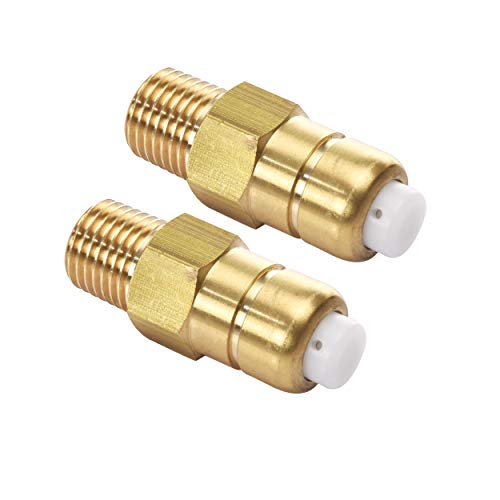
Tool Daily Thermal Release Valve 1/4 Inch NPT, 2 Pack
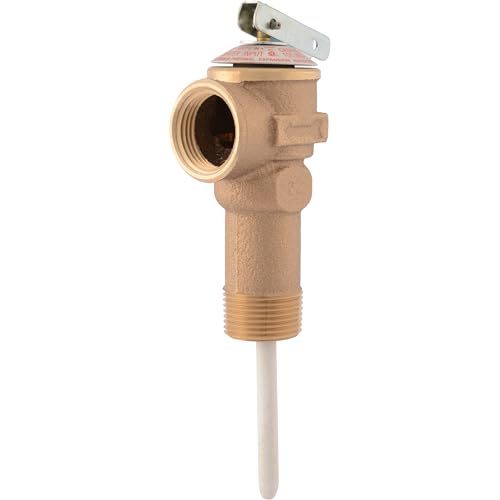
Cash Acme 3/4 Inch NCLX-5L Temperature and Pressure Relief Valve

Merrill MFG PRVNL75 No-Lead Brass Pressure Relief Valve 75 PSI
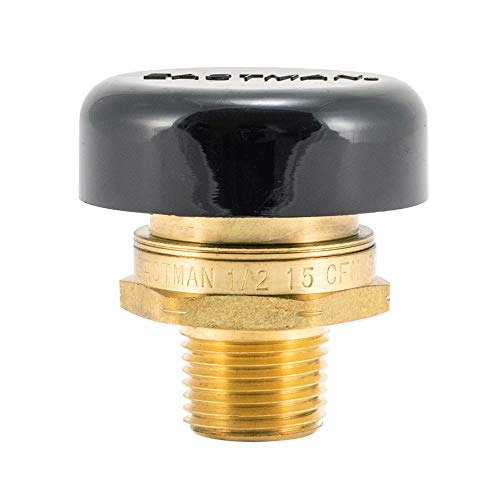
Eastman 1/2 Inch MIP Vacuum Relief Valve 60156

Merrill MFG PRVNL50 1/2 Inch No-Lead Pressure Relief Valve

Legend Valve 111-302NL T-50 No-Lead Pressure Relief Valve 75-150 PSI
More Details On Our Top Picks
Pool owners dealing with a tired relief valve usually care about one thing first, whether the replacement matches the filter hardware already in place. This REVA POOL RV40600 is aimed at FNS, Clean and Clear, Quad DE, and 4000 Series filters, so it speaks to a fairly specific setup rather than a broad, generic fit. Brass construction adds a sturdy feel that suits damp equipment areas, though the trade-off is that you still need to confirm the exact model match before ordering.
For a backyard system that gets regular use, that specificity can save you the kind of mismatch that turns a simple maintenance job into a weekend project. Compared with the Camco RV valve later in this list, this one is narrower in purpose, but that focus is exactly why pool users may find it easier to trust.
What We Like
- Fits several named pool filter families.
- Brass body should suit damp pool areas well.
- Helps keep routine filter service cleaner.
- Useful for owners replacing a worn relief part.
Points To Note
- Fit is system-specific, so model checks matter.
- Pool users with older hardware may need extra comparison against the existing part.
Feature Snapshot
Who It Suits Best
Pool owners replacing a relief valve on one of the listed filter systems will get the clearest fit here.
Where A Sibling Pick Shines
Camco Automatic Temperature and Pressure Relief Valve with Extension Probe and Lever 10473 suits RV water-heater owners who need a temperature-and-pressure part instead of a pool-specific air valve.
RV water-heater work needs a part that handles both temperature and pressure relief, and that’s the lane this Camco valve fills. The brass body pairs with a stainless steel pressure spring, while the extension probe and lever make it feel more purpose-built than the pool valve above. In a cramped service bay, that extra hardware can help, although installation still depends on matching the heater’s connection and layout.
Compared with REVA POOL’s filter-specific option, this one is built for a very different kind of system, so it makes more sense for travel rigs than for fixed pool gear. You may find the lever handy during maintenance checks, but the honest read is that its value depends on how closely your heater setup matches the part.
Highlights
- Brass body offers a durable base for RV service.
- Stainless steel spring adds a more complete mixed-material build.
- Extension probe supports water-heater placement.
- Lever gives the valve a more service-friendly layout.
Room For Improvement
- Made for a narrower RV use case than general plumbing valves.
- Fit depends on the heater’s existing connections and space.
- Owners of simpler systems may not need the probe and lever.
Core Details
Built With In Mind
RV owners maintaining a water heater in a travel trailer or motorhome will get the clearest benefit here.
Another Choice May Suit
Tool Daily Thermal Release Valve for Pressure Washer Pump, 1/4 Inch NPT, Brass, 2 Pack fits pressure washer owners who want a pump-side thermal valve rather than an RV heater part.
Pressure washer owners tend to notice thermal valves only after heat buildup starts causing trouble, which makes this two-pack feel practical rather than flashy. The 1/4 inch NPT thread is a standard pipe thread size, so it matters because compatibility usually comes down to that connection point more than anything else. Brass should hold up well in a workshop setting, though you’ll still want to confirm the pump side before you rely on it.
Compared with the Camco valve’s RV-focused design, this Tool Daily set is about pump maintenance and having a spare ready. For someone who keeps a washer in regular rotation, that backup can be handy, even if the setup is less specialized than the Cash Acme plumbing valve that follows.
Positives
- Two-valve pack gives you a spare on hand.
- 1/4 inch NPT fits many pressure washer setups.
- Brass build suits tool-room wear better than plastic parts.
- Useful for keeping a washer running between maintenance checks.
Softer Spots
- Made for pressure washer pumps, not general plumbing lines.
- Connection size still needs a close thread match.
- Stored spares take up a little extra space in a tool kit.
Details At A Glance
Right Fit For
Pressure washer users who want a spare thermal valve and already know their pump uses 1/4 inch NPT threads will get the most from it.
Swap It Out When
Cash Acme 3/4 Inch NCLX-5L Temperature and Pressure Relief Valve suits plumbing work that calls for a push-to-connect design instead of a pressure washer part.
This Cash Acme valve leans toward plumbing jobs where push-to-connect fittings save time and reduce fuss. It’s made to work with brass plumbing fittings, copper, and CPVC pipe, which makes it broader in application than the previous pressure washer and RV options. The 150 PSI rating gives the part a clear working context, though the installation still depends on the rest of the line matching that 3/4 inch size.
In a utility room or water-heater line, the push-fit design can feel especially useful because you’re not fighting a crowded space with extra tools. Compared with Merrill’s fixed-setting valves later in the list, this one is more about connection style and system compatibility than a single pressure target.
Upsides
- Push-to-connect format can speed up installation.
- Works with brass fittings, copper, and CPVC pipe.
- 150 PSI rating gives it a clear application range.
- 3/4 inch size suits many common plumbing runs.
Trade Offs
- Less useful for systems that do not accept push-fit connections.
- Needs careful size matching before installation.
- General plumbing fit matters more here than specialty use.
Technical Sheet
Whose Shelf It Belongs On
Homeowners or handier plumbing users working on compatible copper or CPVC lines will get the most from this layout.
Look Elsewhere When
Merrill MFG PRVNL75 No-Lead Brass Pressure Relief Valve 75 PSI makes more sense for someone who wants a fixed 75 PSI option in a simpler straight-thread setup.
Some plumbing jobs call for a straightforward pressure relief part with no extra moving pieces, and that’s the appeal here. Merrill’s 3/4 inch valve is set to 75 PSI, so it gives you a clear target without the adjustability found in the Legend Valve pick below. The no-lead brass construction is a useful detail for potable-water lines, although installation still depends on whether your piping is built around that size and thread style.
For a basement utility line or a water system that values consistency over flexibility, this feels easy to understand at a glance. It’s less adjustable than Cash Acme’s push-to-connect option, but the simpler setup can be a plus for someone who wants fewer variables during replacement.
Strong Points
- Fixed 75 PSI setting keeps the role clear.
- No-lead brass suits many plumbing applications.
- 3/4 inch size matches common line dimensions.
- Simple design reduces decision-making during replacement.
Minor Gripes
- Less flexible than adjustable-valve options.
- Works best when the system already calls for 75 PSI.
- Thread and size matching still matter during setup.
Core Details
Made For
Plumbing setups that call for a fixed 75 PSI brass relief valve will get the cleanest match here.
A Better Fit Elsewhere
Legend Valve 111-302NL T-50 No Lead Pressure Relief Valve 75-150 PSI suits users who want adjustability instead of a single pressure setting.
Vacuum relief valves play a different role than pressure relief valves, and that difference matters here. Instead of venting excess pressure, this Eastman part lets air enter so a vacuum condition doesn’t pull water where it shouldn’t or stress equipment. The 1/2 inch male iron pipe, or MIP, connection makes it straightforward in the right plumbing layout, though you still need the correct thread match to make it useful.
For a water heater or tank line that needs protection from vacuum formation, this is the most specific pick in the group. Compared with Merrill’s fixed-pressure valves, it solves a different problem entirely, so it’s best treated as a fit-for-purpose plumbing part rather than a general brass relief option.
Best Bits
- Lets air in to help prevent vacuum conditions.
- 1/2 inch MIP connection is clearly defined.
- Useful for tanks, heaters, and similar equipment lines.
- Brass plumbing fit should suit long-term service areas.
Areas To Watch
- Serves a vacuum-relief role, not a standard pressure-relief role.
- Connection style needs a proper MIP match.
- Best suited to a specific plumbing need rather than broad use.
Feature Card
Perfect Match For
Homeowners servicing a tank, water heater, or similar line where vacuum protection matters will find the clearest use here.
Reach For A Different Pick When
Merrill MFG PRVNL50 1/2 Inch No-Lead Pressure Relief Valve suits a smaller standard pressure-relief job instead of a vacuum-specific task.
Smaller plumbing runs often need a valve that fits without crowding the rest of the line, and the 1/2 inch size helps this Merrill model do exactly that. It keeps the same no-lead brass approach as the larger PRVNL75, but in a more compact format that suits tight utility spaces or modest household setups. The trade-off is simple, you get size convenience, not adjustability.
For a laundry room, small heater line, or another low-complexity run, that can be enough. Compared with Eastman’s vacuum-relief design, this one is about standard pressure relief, so the use case is clearer for everyday plumbing work.
Reasons To Buy
- 1/2 inch size fits tighter plumbing layouts.
- No-lead brass makes it suitable for many water lines.
- Simple pressure-relief role is easy to understand.
- Good match for smaller, less crowded installs.
Small Caveats
- Fixed-setting valve gives you less flexibility than adjustable models.
- Best suited to compact plumbing rather than larger lines.
- Size still needs to line up with the existing connection.
Core Details
The Right Fit
People working on compact household plumbing lines will get the most straightforward fit from this valve.
Where Shoppers Go Wrong
Legend Valve 111-302NL T-50 No Lead Pressure Relief Valve 75-150 PSI is a better match for someone who wants a wider pressure range instead of a fixed small-line setup.
The adjustable 75 to 150 PSI range gives this Legend Valve model more flexibility than the fixed-setting Merrill picks. That matters in plumbing work where you want one part to cover a wider band of conditions, and the stainless steel spring is a nice touch for a valve that may live in a busy mechanical space. The straight iron pipe thread keeps the connection style clear, though the adjustability also means you need to know what setting your system actually calls for.
For someone who likes a little control built into the part, this can feel like the most adaptable option in the list. Compared with the Eastman vacuum valve, it stays in the pressure-relief lane, but it gives you more tuning room than the fixed 75 PSI Merrill choices.
Positives
- Adjustable 75 to 150 PSI range adds flexibility.
- Stainless steel spring supports the internal mechanism.
- Straight iron pipe thread is clearly defined.
- Good option for systems that need a wider range.
Worth Noting
- Adjustability adds another setting to think through.
- Best used where the system’s pressure target is understood.
- Thread style still has to match the plumbing run.
Feature Rundown
Who Should Grab It
Plumbing users who want a pressure-relief valve with adjustable range and a standard thread style will get the most value here.
Not Your Match When
Merrill MFG PRVNL75 No-Lead Brass Pressure Relief Valve 75 PSI suits you better when you want a fixed setting with less adjustment to think about.
How To Choose The Right Brass Relief Valves
Match The Valve To The System
The first filter is simple: choose the valve type that belongs in your equipment. A pool filter needs an air relief part, an RV water heater needs a temperature and pressure valve, and a water tank may call for vacuum relief instead of pressure relief. That sounds obvious, yet many mismatches come from grabbing the right material but the wrong function.
Connection type matters just as much as valve type. NPT, MIP, straight thread, and push-to-connect all describe how the part joins the line, and a brass body cannot make up for a thread mismatch. Start with the system manual or the old part’s markings, then narrow the shortlist from there.
Read Size And Pressure Together
Size is the second gate, because 1/2 inch and 3/4 inch parts are built for different piping runs. Smaller valves fit tighter spaces and compact lines, while larger ones suit broader plumbing or equipment connections. Pressure rating matters too, since a fixed 75 PSI valve solves a different problem than an adjustable 75 to 150 PSI model.
The trade-off shows up in flexibility. Fixed settings are easy to understand and usually simpler to replace, while adjustable valves give you more room to fine-tune a system that already has known parameters. The Legend Valve model is the clearest example of that extra range.
Think About Materials And Maintenance
Brass is the common thread across this list for a reason, it holds up well in wet utility spaces and gives the part a more durable feel than lighter alternatives. Stainless steel springs add another layer of support inside the valve, especially in models like the Camco and Legend picks. For owners who service equipment regularly, that mix of materials can be more reassuring than a bare-bones build.
Maintenance still matters. Relief valves sit in places where mineral buildup, vibration, and repeated cycles can shorten useful life, so a design that’s easy to reach or replace can save frustration later. In a busy pump room or RV bay, a straightforward part often makes the better long-term fit.
Buy For The Space You Have
Space is easy to overlook until the wrench is out and the access panel is already open. Lever handles, extension probes, and push-fit bodies can make servicing easier in tight layouts, but they also add shape and size to the part. That makes them useful in some installs and awkward in others.
A compact valve such as Merrill’s PRVNL50 works well where clearance is tight. A more built-out option like Camco’s RV valve suits a system that benefits from the extra probe and lever. The right choice is usually the one that matches both the plumbing and the access around it.
Before You Click Buy
Common Shopping Slip Ups
A common mistake is treating all brass relief valves as interchangeable. They aren’t, because a pool filter valve, a pressure washer thermal valve, and a plumbing pressure valve serve different jobs. Another slip is overlooking thread style, which can turn a near-match into a part that simply won’t seat correctly.
The safer move is to compare the old valve, the system’s connection type, and the stated pressure range before you commit. That small bit of checking beats forcing the wrong part into a tight service space.
The Case For Spending Up
Higher-tier models usually cost more because they solve a narrower problem with better fit detail. Adjustable ranges, stainless steel springs, push-to-connect bodies, and extra hardware like levers or extension probes all add parts and design work. You’re paying for convenience, compatibility, or control, not just for the brass shell itself.
That upgrade makes sense when the system is picky or awkward to access. For a standard small-line replacement, a simpler fixed valve often does the job without extra complexity.
Frequently Asked Questions
What does a brass relief valve do?
It releases excess pressure, or in the case of a vacuum relief model, it lets air in to prevent unsafe vacuum conditions. That keeps connected equipment from working harder than it should.
How do you know which size to choose?
Check the pipe or fitting size already in the system, such as 1/2 inch or 3/4 inch. The valve has to match that connection point to install correctly.
Is an adjustable valve better than a fixed one?
An adjustable valve gives you more range, which helps in systems with known tuning needs. A fixed valve is simpler and often better for straightforward replacements.
Why does thread type matter so much?
Thread type decides whether the valve seats properly in the line. NPT, MIP, straight thread, and push-to-connect are not interchangeable in practice.
Can one brass relief valve fit every system?
No, the function, connection style, and size all have to line up with the equipment. Pool gear, RV heaters, pressure washers, and household plumbing each call for different fits.
Closing Thoughts
The best brass relief valve is the one that matches your system first and your preference second. A pool owner, RV owner, pressure washer user, and plumbing DIYer all need different things from the same broad category, and the details here matter more than the brass finish alone. Focus on valve type, thread style, size, and pressure range, then choose the part that makes your repair feel straightforward instead of improvised. That’s usually the calmest path, and it’s the one that saves the most hassle later.