You want brick glue that matches the job, not just the label. Some picks suit quick patch work on stone or tile, while others make more sense for landscape edging, anchored fixtures, or messy outdoor repairs where a neat bead matters less than holding power.
This roundup keeps the focus on practical fit, tube size, cleanup, and where each adhesive tends to make life easier. You’ll also see where a smaller squeeze tube makes sense and where a larger cartridge earns its place.
Quick Look At The Shortlist

Loctite PL Premium Fast Grab Polyurethane Construction Adhesive Gray 10 fl oz

Loctite Power Grab Express All Purpose Construction Adhesive White 3 fl oz

Liquid Nails LN-905 Landscape Block Adhesive LN905 10 oz

Teexpert 1 Gallon Rock Glue for Landscaping

Max Strength Clear Construction Adhesive 2.8 fl oz

soputry Jue Fish Glue Oil-Based Adhesive 2Pcs

Construction Adhesive Fast Curing Anchoring Adhesive 10.1 fl oz
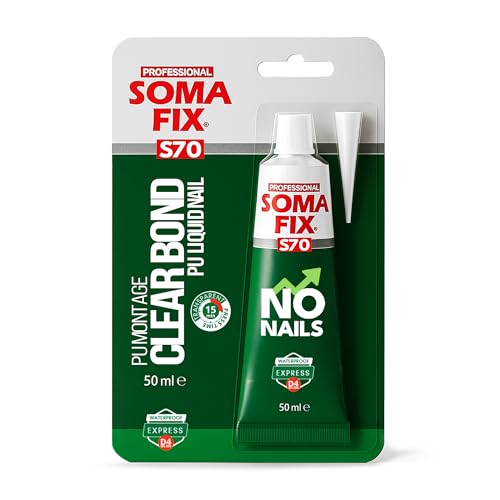
Liquid Nail Weatherproof Mounting and Construction Adhesive 1.7 fl oz
More Details On Our Top Picks
For brick repairs that need a stout adhesive body, this gray polyurethane cartridge sits in a useful middle ground. It suits exterior patch work, heavy trim, and any job where a thinner glue would sag before it sets.
Compared with the smaller Loctite tube later in this list, this one makes more sense for larger seams and repeated use. The trade-off is simple: a 10 fl oz cartridge asks for a caulk gun and a little more cleanup, so it fits steadier hands and bigger jobs.
Strong Points
- Polyurethane chemistry gives you a dense, gap-filling bead.
- The 10 fl oz cartridge suits larger repair lines and repeated projects.
- Gray color blends better with many masonry surfaces than bright white adhesive.
- It works well for outdoor fixes where a firmer hold matters more than neat packaging.
Points To Note
- You’ll need a caulk gun, so it’s less casual than a squeeze tube.
- The thicker body can take more care during cleanup around finished edges.
- It’s overkill for tiny touch-ups on one loose brick face.
Feature Rundown
Who It Suits Best
Homeowners and hands-on DIYers tackling larger brick, block, or trim repairs will get the most from this cartridge format.
A Better Fit Elsewhere
Loctite Power Grab Express All Purpose Construction Adhesive suits smaller indoor fixes where a 3 fl oz tube feels easier to store and handle.
This smaller white tube makes sense for quick household fixes where you want control more than volume. It is the least bulky pick in the group, so it slips into a tool drawer without taking over the shelf.
Compared with the PL Premium cartridge, this tube feels friendlier for light indoor work on cement, tile, or wall surfaces. You may find the 3 fl oz size short for bigger exterior seams, but for trim, patches, and occasional repair jobs, the format is easy to manage.
What We Like
- The squeeze tube format is simple to handle in tight spaces.
- White color can look cleaner on lighter surfaces and painted areas.
- Small size makes storage easier for an emergency repair kit.
- It fits short runs of cement, tile, or wall patching without excess waste.
Minor Gripes
- The small tube is not the right shape for broad masonry joints.
- You may run short sooner on larger repair projects.
- Cleanup around porous surfaces still takes a steady hand.
Feature Card
Who Should Grab It
Apartment dwellers, casual DIYers, and anyone keeping a compact repair kit will appreciate the easy handling.
Where A Sibling Pick Shines
Teexpert 1 Gallon Rock Glue for Landscaping is the stronger match for yard borders, gravel paths, and wide outdoor coverage.
This one speaks directly to landscape block work, so you do not have to guess whether it suits edging or stacked pieces. The low-VOC formula means the scent profile is less aggressive than many heavy construction adhesives, which matters during long yard projects.
Compared with the Loctite pair above, this pick feels more task-specific than general-purpose. The honest read is that it shines best on block and border jobs, while more mixed home repairs may be better served by the broader Loctite options.
Highlights
- Made for landscape block work, so the use case is clear.
- 10 oz size is practical for edging and small outdoor runs.
- Low-VOC formula is easier to live with during longer projects.
- It can suit retaining-style borders and decorative stone layouts.
Areas To Watch
- It feels more specialized than a general construction adhesive.
- Small projects can leave some product unused.
- Outdoor prep still matters, especially on dusty or damp surfaces.
Details At A Glance
The Right Fit
Outdoor DIYers working with block edging, borders, or decorative stone will get the clearest match here.
Another Choice May Suit
Teexpert 1 Gallon Rock Glue for Landscaping is a stronger match for larger gravel areas and broader surface coverage.
Large outdoor spaces call for a different kind of adhesive, and this gallon jug clearly leans that way. It fits gravel paths, patio edges, and decorative borders where you want broad coverage instead of a tiny repair bead.
Unlike the smaller tube-style picks, this one is built for volume and repeat work. In a busy yard, the larger container can save you from pausing halfway through a walkway, though storing and pouring a gallon does ask for more space and care.
Upsides
- The 1 gallon size suits wider landscaping projects.
- It is aimed at pea gravel and stone bonding, which keeps the use case focused.
- Good for walkways, patios, yard edges, and decorative border work.
- The water-based format is easier to manage than heavier cartridge systems.
Small Caveats
- The container size asks for more storage room than a tube.
- Smaller repairs may not need this much material.
- Pouring and cleanup are less convenient than with a narrow nozzle.
Core Details
Built With In Mind
Yard builders, landscape gardeners, and homeowners shaping gravel-heavy outdoor spaces will get the most value from this size.
Reach For A Different Pick When
Liquid Nails LN-905 Landscape Block Adhesive suits smaller block or border jobs where a 10 oz tube feels easier to handle.
Clear adhesive changes the whole feel of a visible repair, especially on tile, stone, or wood where a colored bead would stand out. The integrated squeeze tube keeps the footprint small, so it feels handy for shelf fixes, trim touch-ups, and jobs in a cramped bathroom or utility area.
Compared with the gray Loctite cartridge, this one leans into discretion rather than bulk. You may appreciate that under-water use note for certain wet-area repairs, though a tiny 2.8 fl oz tube means it is better suited to targeted work than to long masonry seams.
Reasons To Buy
- Clear adhesive is useful where you want the repair to stay visually quiet.
- The integrated squeeze tube keeps application simple.
- It is described for tile, floor, stone, wood, and wall surfaces.
- The compact size fits tool bags and small home repair kits.
Honest Caveats
- The small tube limits how far it goes on larger projects.
- Clear adhesive still needs careful placement on porous stone.
- Repeated use may call for a more substantial container.
Feature Snapshot
Whose Shelf It Belongs On
People who care about the look of the finished patch, especially in visible indoor areas, will get the most from this compact tube.
Skip It When
Teexpert 1 Gallon Rock Glue for Landscaping suits larger outdoor areas where a broad spread matters more than a tidy finish.
This two-piece set stands out for its needle tip nozzle, which gives you more control on narrow seams and awkward corners. The long tip matters in real use because a small repair behind hardware or along a tight edge is where sloppy glue work usually gets noticed.
Compared with the broader construction tubes above, this one feels more specialized and a little more technical. The fast set claim makes it appealing for small detail work, though the oily adhesive style and unusual naming mean it suits shoppers who are comfortable reading the listing closely.
Best Bits
- The needle tip supports cleaner placement on small joints.
- The long nozzle helps reach spots that are hard to access.
- Two pieces give you a bit of spare capacity for repeat work.
- It is a better fit for detail repairs than broad patching.
Softer Spots
- The style is less familiar than standard construction cartridges.
- Its niche format may not suit general brick repair.
- You’ll probably want to keep the nozzle clean after use.
Feature Card
Who Will Love This
Detail-focused DIYers and hobby repairers who work on tiny seams or awkward joins are the best match here.
Where A Sibling Pick Shines
Loctite PL Premium Fast Grab Polyurethane Construction Adhesive is better for larger masonry jobs that need a broader bead and more body.
The anchoring angle sets this one apart from the more general glues earlier in the list. For brick, concrete, stone, and fastener work, the added nozzle and 10.1 fl oz size point toward projects that need more controlled placement than a casual squeeze tube offers.
In a garage, workshop, or outdoor fixing session, that shape feels practical. The catch is that it reads more like a specialized structural product than an everyday all-purpose adhesive, so it fits a narrower set of jobs than the Loctite and Liquid Nails options.
Plus Points
- The anchoring focus suits masonry and fastener-related work.
- The extra nozzle helps with more controlled application.
- 10.1 fl oz gives you useful volume for ongoing tasks.
- Gray color is practical on darker construction surfaces.
Trade Offs
- The product is specialized, so it is not the broadest choice.
- Users with very small repair jobs may not need this much tube.
- Cleanup around drilled or rough surfaces can take patience.
Technical Sheet
Perfect Match For
DIYers working on brick, concrete, or stone installations will appreciate the more focused anchoring approach.
Look Elsewhere When
Loctite Power Grab Express All Purpose Construction Adhesive is easier to handle for small indoor fixes and lighter household repairs.
This small tube is built for mixed-material repairs, so it covers a wider spread of surfaces than some of the more specialized picks. Brick, stone, ceramic, tile, metal, iron, and steel all sit in its comfort zone, which makes it handy for the kind of odd jobs that show up around the house.
Compared with the larger landscape and anchoring options, it is much easier to store and carry. The trade-off is volume, because 1.7 fl oz is better for small jobs and touch-ups than for long seams or outdoor coverage.
Bright Spots
- The mix of compatible surfaces gives you real flexibility.
- Weatherproof positioning makes it useful for indoor and outdoor maintenance.
- The small tube is easy to keep in a drawer or toolbox.
- It suits quick repairs on hard surfaces without a lot of setup.
Room For Improvement
- The tube is small for larger masonry runs.
- It is better for touch-ups than broad application.
- Careful storage matters once the tube has been opened.
Quick Facts
Made For
Homeowners who want one small adhesive for many odd repair tasks will get strong mileage from this tube.
Swap It Out When
Teexpert 1 Gallon Rock Glue for Landscaping is the better match for larger outdoor coverage and gravel-heavy yard work.
How To Choose The Right Brick Glues
Match The Adhesive To The Surface
Brick, stone, concrete, tile, wood, and metal do not ask for the same bottle. A landscape adhesive like Liquid Nails LN-905 fits block and border work, while a general construction adhesive such as Loctite PL Premium makes more sense for mixed repair jobs around the house.
Surface texture matters just as much. Porous brick and rough stone usually need a thicker bead and better initial grab, while smoother tile and painted trim often benefit from a cleaner squeeze tube and a more controlled nozzle.
Choose Tube Size By Job Size
Small tubes are easier to store, but they suit quick touch-ups rather than long seams. The 3 fl oz Loctite tube and 1.7 fl oz Liquid Nail tube both fit a toolbox well, yet they will feel small once you start working across a patio edge or a long masonry line.
Cartridges and gallon containers ask for more space, though they reward that trade with less interruption. A 10 fl oz cartridge feels sensible for a steady repair day, while a 1 gallon landscaping jug is the better move for broad outdoor coverage.
Pay Attention To Precision Tools
Nozzle design changes the experience more than many shoppers expect. A needle tip, like the one on soputry Jue Fish Glue, helps with tight seams and awkward corners, while an extra nozzle can be handy on anchoring-style products where control matters.
Wide openings are fine for broad coverage, but they can feel clumsy around visible finishes. For neat brick face repairs or work near trim, a narrow applicator usually wastes less adhesive and leaves you with less cleanup.
Think About Cleanup And Storage
Water-based formulas and smaller squeeze tubes usually store more easily in a garage or utility shelf. Bulkier cartridges and gallon jugs take more room and can leave you planning around caps, tips, and leftover product.
The honest read is that no adhesive feels ideal in every setting. For a busy kitchen repair, a compact tube is easier; for a yard project with gravel or block, a larger container saves time and stops you from running short mid-job.
What To Weigh Before You Order
Wrong Turns To Avoid
One common mistake is picking by surface alone and ignoring volume. A small tube may sound convenient, then leave you short halfway through a walkway or border repair.
Another slip is overlooking the applicator shape. A broad nozzle can be fine for rough outdoor work, but it feels awkward on narrow seams and visible spots where control matters more than speed.
The Upgrade Payoff
Higher-tier options usually cost more because of adhesive body, specialized use, and better application control. That shows up in products like the anchoring adhesive and the larger polyurethane cartridge, both of which are aimed at jobs that ask for more than a basic glue bead.
Spending up makes sense for outdoor masonry, repeated repairs, or projects where finish quality matters. For occasional indoor touch-ups, a smaller tube often does the job without adding clutter to your shelf.
Frequently Asked Questions
What kind of adhesive works best for brick?
For broad masonry work, a thicker construction adhesive or a landscape block formula usually makes the most sense. Smaller repair spots can be handled with a compact squeeze tube.
Do you need a caulk gun for these adhesives?
Cartridge-style products usually need a caulk gun, while squeeze tubes do not. That matters more than people expect during long repair sessions.
Is clear adhesive better for visible repairs?
Clear adhesive can be easier to live with on exposed spots because it leaves less visual contrast. It still needs careful placement on porous surfaces.
Can one adhesive cover brick, stone, and tile?
Some all-purpose construction adhesives do cover that mix of surfaces. A specialty landscape product is usually better reserved for block, edging, or gravel work.
What tube size suits small home repairs?
A compact 1.7 to 3 fl oz tube works well for quick fixes and storage-friendly repair kits. Larger jobs call for cartridges or gallon containers instead.
Closing Thoughts
The right brick glue depends less on the label and more on the job in front of you. A small tube is easier for quick home fixes, a cartridge suits steady repair work, and a gallon jug makes sense for larger outdoor coverage. Once you match the adhesive to the surface and the scale of the project, the choice gets much simpler. That’s the real shortcut, and it keeps you from buying more glue than you’ll use.