Brickwork and masonry repairs tend to punish weak material choices. You want the right mix for patching cracks, filling joints, or handling hotter spots around a fireplace, plus the right tools to place it cleanly. This roundup keeps the focus on real job needs, from small touch-ups to messier tuckpointing work. You’ll see which picks suit quick fixes, which make more sense for higher-heat areas, and which tools help you work with less fuss.
Quick Look At Our Shortlist

DAP Concrete and Mortar Repair, Gray, 32 oz

DAP Textured Mortar Premium Elastomeric Latex Filler & Sealant, Gray, 10.1 Oz

DAP Textured Mortar Premium Elastomeric Latex Filler & Sealant, Beige, 10.1 Oz
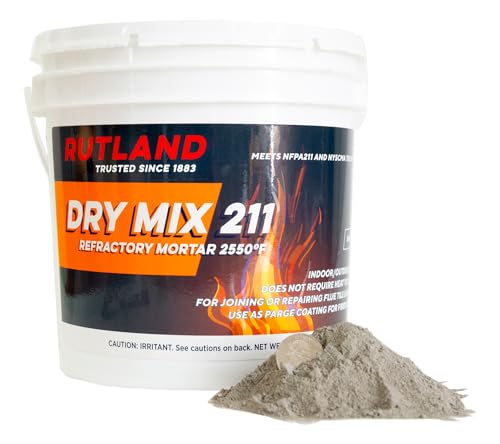
Rutland Dry Mix 211 Refractory Mortar 10 Pound

3 Pack Tile Grout Masonry Mortar Bag, 12 by 24 inch, Blue
Custom BLDG Products SimpleSet Pre-Mixed Thin-Set Mortar 1 QT

Sikaflex Mortar Fix, Limestone, 10.1 fl. oz Cartridge

Goldblatt 4 Pieces Masonry Grout Mortar Bag Set with Brick Jointer for Tile
More Details On Our Top Picks
Cracked cement surfaces can feel like a small job until the patch starts sagging or shrinking back. This DAP repair formula is built for that kind of everyday masonry fix, and the 32 oz size gives you enough material for focused repair work around driveways, steps, and similar spots. You also get a temperature note that matters in real life, since the product is meant for use above 40 degrees Fahrenheit.
Compared with the sealant-style picks later in this list, this one leans more toward filling and rebuilding than flexible seam work. It makes sense for homeowners who want a straightforward repair material instead of a full tool set, though the gray color means you’ll still want to match the surrounding surface closely.
Strong Points
- Designed for cracks and breaks in cement and masonry surfaces.
- Patch formula is meant to resist sinking and shrink-back.
- The gray color suits many utility repairs around concrete.
- Useful for outdoor touch-ups where a simple repair is enough.
Things To Consider
- Best suited to repairs above 40 degrees Fahrenheit.
- Gray color helps in many spots, though not every brick shade.
- Cleanup and finishing still depend on your prep work.
Core Details
Who It Suits Best
You’re a good fit for this one if you need a basic masonry repair material for cracked concrete, steps, or patched edges around the home.
A Better Fit Elsewhere
Rutland Dry Mix 211 Refractory Mortar suits you better for fireplace brick, fire pits, or other high-heat masonry work.
Gray mortar lines often need a repair that looks less like a blob and more like part of the wall. This latex filler and sealant is aimed at that visual match, so it makes sense for exterior or interior concrete and masonry spots where the joint texture still matters. The 10.1 oz cartridge format also keeps it compact for smaller repairs and touch-ups.
Compared with DAP Concrete and Mortar Repair, this one leans harder toward sealing and blending rather than rebuilding larger missing sections. That trade-off helps in trim repairs and small cracks, though a cartridge this size is better for targeted work than broad patching.
What We Like
- Textured finish helps repairs blend with mortar lines.
- Latex-based formula suits crack sealing around masonry.
- Works on both interior and exterior surfaces.
- Cartridge format is handy for controlled placement.
Room For Improvement
- Small cartridge size limits larger repair coverage.
- Best for spot repairs rather than wide patching.
Feature Snapshot
Who Should Grab It
You’ll get the most from this pick if you handle small gray-mortar repairs and want the joint to look tidy after the work is done.
Another Choice May Suit
DAP Concrete and Mortar Repair is the stronger fit for larger cement patches that need more body and fill.
Beige mortar tends to show every mismatch, so color choice matters more here than on the gray version. This DAP filler and sealant follows the same textured idea as the gray option, but the warmer tone gives you a better shot at blending with tan brick, beige joints, or older masonry. The 10.1 oz size keeps it aimed at careful repair work rather than heavy rebuilds.
That makes it a smart companion to the gray DAP cartridge, especially for homes with mixed masonry tones. The honest read is that it’s still a small-format repair product, so you’ll want a separate patch material for bigger voids or crumbling areas.
Highlights
- Beige color supports warmer masonry color matches.
- Textured finish helps repaired lines sit more naturally.
- Works on interior and exterior concrete or masonry.
- Cartridge packaging supports controlled application on small jobs.
Small Caveats
- Better for small repairs than broad patching.
- Color match still depends on your existing mortar tone.
- Like most cartridge repairs, surface prep matters a lot.
Details At A Glance
Best Suited To
You’re in the right lane with this one if your masonry leans beige or tan and you care about a cleaner visual blend.
Where A Sibling Pick Shines
DAP Textured Mortar Premium Elastomeric Latex Filler & Sealant, Gray, 10.1 Oz suits homes with cooler gray joints that need a closer tone match.
High-heat masonry calls for a very different mortar than the repair cartridges above. Rutland Dry Mix 211 is built for firebox and fireplace work, where the material has to stand up to intense heat around brick, flue areas, kilns, or similar installations. The 10 pound dry mix format suits larger repair patches and projects where you want enough material to work methodically.
Compared with the DAP options, this one is far more specialized, and that specialization is the whole point. For homeowners with a fireplace, fire pit, or pizza oven brick issue, the trade-off is worth it, though casual patch work around ordinary concrete may call for a simpler repair compound.
Reasons To Buy
- Made for high-heat masonry repairs.
- Dry mix format supports larger brick work.
- Fits fireplaces, fire pits, kilns, and similar projects.
- Useful for repairs where ordinary patch material is a poor match.
Points To Note
- Specialized use makes it less flexible for general patch jobs.
- Dry mix requires mixing before application.
- Best reserved for heat-exposed masonry rather than everyday cracks.
Technical Sheet
Who Will Love This
You’re the right match for this mortar if your repair work sits near firebrick, stove masonry, or another heat-heavy setup.
Look Elsewhere When
Custom BLDG Products SimpleSet Pre-Mixed Thin-Set Mortar is a better match for tile work and lower-heat setting jobs.
A mortar bag changes the feel of a brick job because it gives you more control over where the mix goes. Tahikem’s 12 by 24 inch set includes three grout bags plus a brick jointer and tuck pointer, so it speaks directly to grout lines, masonry joints, and tile-style placement work. For tuckpointing around older brick, that kind of setup can make the job feel much tidier.
Compared with the liquid repair picks, this is less about filling a crack and more about placing material neatly. The trade-off is that you still need the right mortar mix and a steady hand, but the included tools help you work with cleaner edges than a bare bag would.
Best Bits
- Three grout bags give you multiple uses across projects.
- Brick jointer and tuck pointer add finishing control.
- 12 by 24 inch size suits general masonry placement.
- Helpful for cleaner joints on tile or brick work.
Areas To Watch
- Uses still depend on the mortar or grout you load into it.
- Bag tools need rinsing and drying after each job.
- Best for placement work, not for patching damaged masonry itself.
Feature Rundown
Whose Shelf It Belongs On
This belongs with you if your brick or tile work needs controlled mortar placement and a cleaner joint finish.
Swap It Out When
Goldblatt 4 Pieces Masonry Grout Mortar Bag Set with Brick Jointer for Tile is a better fit for someone who wants heavier vinyl build and a fuller accessory kit.
Pre-mixed thin-set is the convenience play in this list. Instead of measuring powder and water, you get a ready-to-use mortar that spreads quickly, which is a genuine relief during smaller tile jobs in kitchens, baths, or entryways. It’s also meant for bonding porcelain, stone, marble, granite, and ceramic or porcelain tile up to 8 by 8 inches, with a noted allowance for larger tile where drying takes longer.
Compared with Rutland’s high-heat mortar, this sits on the tile-setting side of the aisle, not the fireplace side. The honest read is that the 1 quart size feels best for compact jobs, so it suits repairs and small installs more than full-room tile runs.
Upsides
- No-mix format cuts down on prep time.
- Fits many common tile materials, including stone and porcelain.
- Handy for small spaces where cleanup matters.
- Works well for quick placement jobs around the house.
Worth Noting
- Large tile can slow dry time noticeably.
- Quart size is better for small-scale installs.
- Tile work still depends on good substrate prep.
Spec Overview
Built With In Mind
You’re a strong match for this mortar if you want a ready-mixed tile adhesive for a modest project and prefer less prep.
Reach For A Different Pick When
Rutland Dry Mix 211 Refractory Mortar is the better call for high-heat brick or fireplace work instead of tile setting.
Polyurethane sealant gives this cartridge a different personality from the mortar mixes above. Instead of acting like a broad patch compound, Sikaflex Mortar Fix is aimed at damaged joints, gaps, and cracked mortar lines where a flexible sealant approach makes more sense. The limestone color also helps in masonry that sits in the warmer beige-to-tan range.
For homeowners dealing with aging joints around a wall or foundation line, that focus can be useful. The trade-off is that this is a repair sealant, not a full rebuild mortar, so it fits best where the surrounding structure is still sound.
Positives
- Targets damaged mortar joints and small gaps.
- Polyurethane formula fits seal-style repairs well.
- Limestone shade works with warmer masonry tones.
- Cartridge format supports neat, narrow application.
Softer Spots
- Not meant for rebuilding missing masonry sections.
- Best in repair zones where the surrounding joint is still intact.
- Cleanup and tooling still require attention after application.
Feature Card
Perfect Match For
You’ll appreciate this if your repair list is mostly cracking, separation, or gap sealing along sound masonry joints.
A Better Fit Elsewhere
DAP Concrete and Mortar Repair fits better when your job needs more body and a classic patch material instead of a sealant.
Goldblatt brings together the kind of extras that make masonry placement feel less improvised. The set includes a grout bag, brick jointer, grout gun, and other pieces aimed at caulking, stone block work, and cement application, so you can shape and guide mortar instead of wrestling with a plain bag. Heavy vinyl construction and a heat-sealed seam point toward repeated use on the job.
Compared with the Tahikem bag set, this one looks more like a fuller kit for hands-on work, especially around brick joints and finishing touches. You may find it a better fit for a small contractor setup or a serious home project where having all the tools together saves time.
Bright Spots
- Four-piece set covers more than basic mortar placement.
- Heavy vinyl build suits repeated jobsite use.
- Heat-sealed seam supports cleaner handling during filling.
- Useful for brick, stone, grout, and caulking tasks.
Honest Caveats
- Best for hands-on masonry work rather than simple home touch-ups.
- Like all mortar bags, cleaning and drying take some upkeep.
Core Details
The Right Fit
You’re in the right place with this set if you want a more complete mortar-handling kit for brick, stone, or grout placement.
Where Shoppers Go Wrong
Tahikem 3 Pack Tile Grout Masonry Mortar Bag works better for someone who wants a simpler three-bag setup with a more compact toolkit.
How To Choose The Right Brick Mix Mortars
Match The Mortar To The Job
Brick and masonry repair is not one category, even though the products sit close together. A crack filler, a refractory mortar, and a grout bag all solve different problems, so the first step is matching the product type to the work in front of you. Patch compounds suit broken concrete and damaged joints, while dry mixes and pre-mixed thin-set serve more specialized building tasks.
Think About Color And Finish
Color sounds cosmetic, but on visible brick it does a lot of the real work. Gray blends well with standard concrete and many mortar joints, while beige can sit more naturally against warmer brick and older stucco-like surfaces. Texture matters too, because a smoother repair may stand out in an otherwise rough joint line.
Check Format Before You Commit
Cartridge, dry mix, quart tub, or bag set, the packaging changes how easy the project feels. Cartridges and tubs help with small, controlled repairs, while dry mix suits larger heat-rated jobs that need batching. Bag sets are about placement and shaping, not filling the cavity itself, so they work best alongside the right mortar.
Choose For The Space You’re Working In
A fireplace wall, a patio edge, and a bathroom tile line ask for different things. High-heat spots need a refractory mortar, small interior fixes often call for a cartridge or pre-mixed adhesive, and tuckpointing benefits from bags and joint tools. The right pick saves time later, because you spend less energy forcing one material to do three jobs.
A Quick Reality Check
Common Shopping Slip Ups
A lot of people mix up repair materials with placement tools. A mortar bag does not fix damaged masonry by itself, and a patch compound does not help much with neat joint work, so the job type has to come first. Another common miss is buying a small cartridge for a larger crack, then realizing the container size was never meant for that amount of coverage.
The Upgrade Payoff
Higher-tier options usually cost more because they solve narrower problems with better control. That might mean a heat-rated dry mix for fireplace brick, a flexible sealant for joints, or a fuller tool kit with jointers and tuck pointers. Paying more makes sense when the repair is visible, difficult to reach, or tied to a special surface like firebrick or tile.
Frequently Asked Questions
What kind of mortar works for brick cracks?
For small cracks in ordinary masonry, a patch compound or sealant-style repair product is usually the cleaner fit. For firebrick or other heat-exposed masonry, a refractory mortar makes more sense.
Do you need a mortar bag for brick work?
A mortar bag helps with placement and joint filling, especially on tuckpointing jobs. It does not replace the mortar mix itself.
Is pre-mixed mortar easier for small projects?
Pre-mixed mortar cuts out the measuring step, so it usually feels simpler for quick tile or repair work. That convenience is strongest on smaller jobs.
Why does color matter so much?
Color affects how visible the repair looks after it cures. Gray and beige each suit different masonry tones, so the closest match usually looks more natural.
Can one product handle every masonry repair?
No single item here covers every use case well. Patch compounds, sealants, refractory mortar, and tool sets each solve a different part of the job.
Final Thoughts
The right brick repair product depends on what you’re fixing, not just the word “mortar” on the label. For ordinary cracks, DAP Concrete and Mortar Repair gives you a straightforward patch option. For visible joints, the textured DAP sealants make more sense, and for fireplaces or other hot zones, Rutland Dry Mix 211 stands in a different lane entirely. Choose the piece that fits the surface, the space, and the size of the repair, and the job gets a lot simpler.