Brick cracks and mortar lines have a way of turning small maintenance jobs into chores you keep noticing. You want a sealant that suits the surface, blends into the wall, and stands up to weather, heat, or movement without making cleanup miserable later.
This roundup focuses on brick sealants, mortar fillers, and crack repair options that fit common home repair needs, from chimneys and concrete joints to textured masonry patches. You’ll see where each one fits best, what trade-offs come with the formula, and which pick makes the most sense for your space.
The Shortlist At A Glance

DAP High Heat Fire Resistant Mortar 10 Oz Black
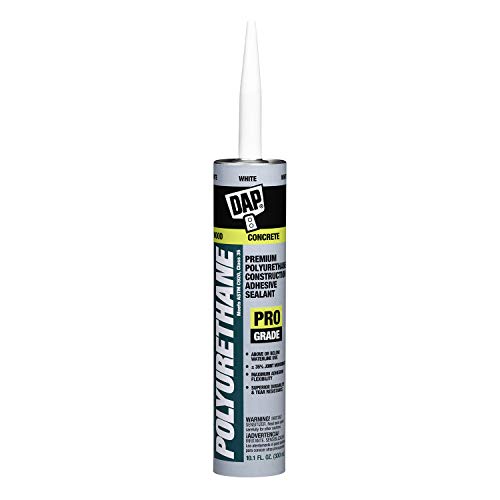
DAP Polyurethane Premium Construction Adhesive Sealant White 10.1 Oz

DAP Extreme Stretch Acrylic Urethane Premium Elastomeric Sealant Iron Stone 10.1 Oz

DAP Concrete and Mortar Filler and Sealant Gray 10.1 Oz

DAP Textured Mortar Premium Elastomeric Latex Filler Sealant Gray 10.1 Oz

DAP Textured Mortar Premium Elastomeric Latex Filler Sealant Beige 10.1 Oz

DAP Textured Concrete Premium Elastomeric Filler Sealant Gray 10.1 Oz

SIKA Sikaflex Concrete Fix Limestone Paintable Polyurethane 10.1 fl oz
More Details On Our Top Picks
Chimney work and fireplace touch-ups call for a product that can handle heat without looking flimsy. This DAP mortar fits that kind of job better than the standard crack fillers in this list, especially where the repair sits close to high-temperature zones.
The black finish helps it blend into darker firebox areas, though the trade-off is obvious on lighter masonry. For homeowners patching a more exposed hearth or stove surround, the bigger value is peace of mind about using the right type of material in the right place.
Strong Points
- Made for high-heat repair areas, so it suits fireplace and stove-adjacent work.
- Black color can disappear better in dark firebox settings.
- Useful for repairs where ordinary caulk would feel too soft for the job.
- Compact 10 oz tube keeps storage simple between maintenance jobs.
Things To Consider
- The dark color stands out on pale brick or tan mortar.
- Best fit is narrow repair work, not broad surface patching.
- Cleanup matters, since dark mortar on surrounding brick can be hard to disguise later.
Feature Snapshot
Who It Suits Best
You get the most from this pick in a home with a fireplace, stove, or other heat-heavy masonry area that needs a small repair.
Where A Sibling Pick Shines
DAP Concrete and Mortar Filler and Sealant is a better fit for general brick patching away from heat, especially for plain gray masonry work.
Some repair jobs need more than a filler, they need a bond that behaves like part of the assembly. This polyurethane option sits in that middle ground, which makes sense for mixed-material seams where masonry meets trim, framing, or other building surfaces.
White gives you a cleaner look on lighter surfaces, though it can still call attention to itself on darker brick. In a busy garage or around exterior trim, that trade-off feels reasonable because the product leans toward joining and sealing rather than just disguising a crack.
What We Like
- Polyurethane formula suits jobs that need both adhesion and sealing.
- White color works neatly with painted or light-finished surfaces.
- Good choice for junctions where movement and vibration are part of daily use.
- 10.1 oz size handles small repairs without taking much shelf space.
Room For Improvement
- White can look mismatched next to unpainted brick.
- Less specialized for raw mortar matching than the textured DAP options below.
- Installation cleanup matters, especially where clean edges are visible.
Core Details
Made For
You’ll appreciate this one for mixed-material repairs where a sealant alone would feel too light and a rigid patch would feel too stiff.
Another Choice May Suit
SIKA Sikaflex Concrete Fix is a better fit for visible crack repair in concrete and joints, especially when paintability matters more than general bonding.
Movement is where many masonry sealants start to show their limits, and this DAP formula is built with that issue in mind. Acrylic urethane, a flexible synthetic sealant type, gives you a bit more give than a basic patch, which helps around joints that open and close with temperature changes.
Iron Stone is a handy middle-tone color for surfaces that are neither bright gray nor deep brown. You may find it especially useful on exterior joints, porch edges, or brick lines where the repair needs to look calm instead of obvious.
Highlights
- Elastomeric behavior helps the seal stay accommodating as surfaces shift.
- Iron Stone color lands well on many weathered masonry surfaces.
- Good fit for long seams and joints that need flexibility more than rigidity.
- 10.1 oz tube is easy to store for seasonal maintenance.
Softer Spots
- Color matching still depends on the exact brick and mortar tone.
- Not the most specialized choice for heat-heavy fireplace repairs.
- Like most smooth sealants, finish prep affects how clean the line looks.
Details At A Glance
Best Suited To
This fits homeowners who deal with seasonal cracking along exterior joints and want a flexible finish that doesn’t scream for attention.
Look Elsewhere When
DAP High Heat Fire Resistant Mortar is the better call for fireplaces and other hot zones where flexibility matters less than heat-focused repair.
For plain masonry touch-ups, this is the sort of tube that keeps the job straightforward. The gray color is practical on concrete and mortar lines, and that makes it easier to use around garages, foundations, steps, and similar utilitarian spaces.
Compared with the more specialized fire mortar and the more flexible urethane sealant above, this one sits in the middle as a general repair option. The honest read is that it suits everyday crack filling better than any fancy niche use, which is exactly why it earns a place here.
Reasons To Buy
- Gray shade blends with many concrete and mortar surfaces.
- Simple general-purpose role makes it easy to assign to routine repairs.
- Handy size for patching small cracks around the home exterior.
- Works well where a clean, plain repair matters more than a decorative finish.
Points To Note
- It is more utilitarian than the textured mortar options below.
- Color matching still matters, especially on warmer or redder brick.
- Surface prep and smoothing shape the final look more than the tube alone.
Feature Rundown
Who Will Love This
You’ll like this pick most in homes with recurring small masonry touch-ups where a plain gray finish is usually close enough.
Swap It Out When
DAP Textured Mortar Premium Elastomeric Latex Filler & Sealant in Gray is the better match when you want the patch to mimic mortar texture a little more closely.
Texture changes the game here, because a flat patch can look too smooth against older mortar. This textured gray filler aims for a more natural handoff on exterior or interior masonry, especially where the repair sits in plain view.
Compared with the standard gray filler in the last section, this one is better for homeowners who care about the visual blend as much as the seal itself. It won’t erase the repair entirely, but it can soften the contrast enough to feel more deliberate.
Positives
- Textured finish helps the patch sit more naturally beside mortar lines.
- Gray tone suits a wide range of concrete and masonry repairs.
- Elastomeric latex base brings some flexibility to the fill.
- Useful for visible spots where appearance matters as much as function.
- Solid fit for small touch-ups in both interior and exterior settings.
Small Caveats
- Texture match still depends on the surrounding surface pattern.
- Best for patching, not large resurfacing projects.
- Visible repairs still need careful smoothing and cleanup to look tidy.
Spec Overview
Whose Shelf It Belongs On
This belongs with homeowners who notice finish quality and want a patch that looks more like masonry than a simple bead of caulk.
Where A Sibling Pick Shines
DAP Textured Mortar Premium Elastomeric Latex Filler & Sealant in Beige is the better match for warmer stone or cream-colored masonry.
Beige matters more than it first sounds like, especially on warmer brick, tan mortar, or older masonry that isn’t truly gray. This version of the textured mortar filler gives you a color path that feels more natural on sun-faded walls and soft-toned stonework.
The pack count also makes this one stand apart from the single-tube DAP items above, so it suits a home with several touch-ups ahead. That extra supply is handy for repeat maintenance, though storage gets less convenient than with a lone tube.
Best Bits
- Beige tone helps with warmer masonry color families.
- Textured finish supports a more natural-looking patch.
- Pack of 12 suits recurring repair work across a property.
- Latent flexibility from the elastomeric latex base helps on minor movement lines.
- Useful for both interior and exterior concrete or masonry surfaces.
Areas To Watch
- Large pack size can take up storage space.
- Color match is still a close-fit exercise, not an exact science.
- Best suited to multiple small repairs rather than one oversized patch.
Feature Card
The Right Fit
You’ll get the most from this pack on a home with multiple masonry touch-ups and a warmer color palette that benefits from beige filler.
Not Your Match When
DAP Concrete and Mortar Filler and Sealant in Gray is the simpler choice for a single plain patch where you do not need a bulk pack.
Concrete repair often needs a neater finish than plain caulk can provide, and this textured gray filler leans toward that task. It is a sensible option for smaller patch jobs around slabs, steps, walks, or other concrete surfaces where the repaired area stays visible.
Compared with DAP Textured Mortar Premium Elastomeric Latex Filler & Sealant, this version speaks more directly to concrete surfaces than mortar-specific touch-ups. The trade-off is simple, it’s a niche tool for a narrower job, but that focus can help keep the result looking more at home.
Bright Spots
- Textured concrete finish helps the repair sit better on slab surfaces.
- Gray color works naturally on many concrete jobs.
- Small tube size suits quick patch work and limited storage space.
- Good match for visible repairs where a flat bead would look out of place.
Honest Caveats
- Narrower focus makes it less versatile than the general DAP filler above.
- Texture matching still depends on the surrounding concrete surface.
- Best for touch-ups, not larger resurfacing chores.
Feature Rundown
Built With In Mind
You’ll want this for smaller concrete repairs where the patch needs to sit quietly on a slab or step instead of drawing attention.
Reach For A Different Pick When
DAP Textured Mortar Premium Elastomeric Latex Filler & Sealant is the better choice for mortar joints or brick-adjacent work with a more masonry-specific look.
This SIKA sealant stands out for a simple reason, it’s built for cracks and joints that need a cleaner finish and a paintable surface. Polyurethane gives it a flexible repair profile, which matters on concrete lines that move a little with weather and settling.
Limestone is a helpful color for lighter masonry, and the paintable finish gives you more control over the final look than the darker DAP fireplace option. For porch edges, joint lines, or concrete cracks you plan to paint later, this feels like the most polished choice in the group.
What We Like
- Paintable finish gives you more control over the final appearance.
- Elastic polyurethane formula supports movement in cracks and joints.
- Limestone color helps on lighter concrete and masonry surfaces.
- Strong fit for visible repairs that still need to blend in.
- Useful for homeowners who want a neater finish than basic filler offers.
Room For Improvement
- Color matching can still be tricky on darker brick.
- Best viewed as a crack and joint sealant, not a broad patch material.
- Paintability adds flexibility, but surface prep still matters a lot.
Core Details
Who Should Grab It
You’ll get the best result from this pick on visible crack repairs where the final painted look matters as much as the seal itself.
Where A Sibling Pick Shines
DAP High Heat Fire Resistant Mortar is the better fit for fireplace work and other hot surfaces, while this SIKA tube belongs in cooler concrete and joint repairs.
How To Choose The Right Brick Sealants
Match The Formula To The Surface
Brick repair starts with the surface, not the tube. Fireplaces and stove-adjacent areas call for heat-focused materials like DAP High Heat Fire Resistant Mortar, while open masonry cracks usually do better with general fillers or elastomeric sealants.
Elastomeric means the material can flex, which helps on joints that move a little through the seasons. That flexibility matters on exterior seams, but it can be less important than color match on a still, hidden patch.
Think About Finish Before Color
Gray, beige, white, black, and limestone each solve a different visual problem. A plain gray filler may disappear on concrete, while a textured mortar formula makes more sense on older brick where the eye notices flat patches quickly.
Paintability matters too, especially on visible work around porches or entries. You can buy yourself more finishing control with a paintable sealant, though that adds a step and depends on your prep being clean.
Size, Storage, And Repeat Repairs
Single tubes suit a one-off crack or a small maintenance list. Multipacks, like the beige DAP textured mortar set, make sense for a property with several touch-ups, but they also ask for more storage space.
That trade-off is easy to miss until the tubes start living in a garage shelf or utility closet. For a rental, older house, or long repair list, a larger pack can feel efficient; for a small apartment job, a single tube is usually the calmer choice.
Where Flexibility Actually Helps
Concrete and masonry move more than many people expect, especially outdoors. Flexible polyurethane and elastomeric latex formulas help absorb small shifts, which can matter more than a hard, rigid patch on drive edges, steps, and long joints.
For deep voids or wide gaps, the label matters less than the intended repair depth and surface prep. A sealant can only do so much, and neat edges with proper cleanup usually make the biggest difference in how finished the work looks.
Things Worth Knowing First
Common Shopping Slip Ups
Many repairs go sideways because the color is chosen before the material type. A dark fireplace mortar looks out of place on pale brick, and a mortar-style patch can feel wrong where a flexible joint sealant would be smarter.
Another common miss is buying too much or too little. A single tube is easier to store, but a home with multiple cracks usually benefits from a larger pack or a second tube on hand.
What The Higher Tier Buys
Higher-end sealants usually pay for better surface matching, more flexible formulas, or a paintable finish. That extra cost also tends to buy more specific use-case fit, which matters more than a broad promise on the package.
In this category, the upgrade usually makes sense for visible repairs, moving joints, or color-sensitive masonry. For a hidden patch in a utility area, a simpler tube often does the job without asking for more money or more fuss.
Frequently Asked Questions
What makes a good sealant for brick repair?
A good pick matches the surface, the color, and the amount of movement in the joint or crack. Heat zones, exterior seams, and visible mortar lines each need a different formula.
Can you use concrete sealant on brick?
Sometimes, yes, but the surface and finish still need to make sense for the job. A concrete-focused filler can look out of place on old brick with textured mortar.
Why does texture matter so much?
Texture helps the repair blend with surrounding masonry instead of sitting there as a smooth stripe. On older walls, that small detail can change the whole look.
Is paintable sealant worth it?
Paintable sealant is useful when you want the final color to match surrounding trim or masonry later. It adds a finishing step, so it makes most sense for visible repairs.
Do larger packs make sense for home use?
Larger packs work well for a property with repeated small repairs. A single tube is usually better for one-off touch-ups or limited storage space.
Final Thoughts
You have a lot of room to match the product to the repair, and that’s the real trick here. Heat-sensitive spots call for the DAP mortar, visible concrete cracks often suit SIKA’s paintable option, and the textured DAP fillers make more sense when appearance matters as much as sealing. For routine home maintenance, the right tube is usually the one that fits the surface cleanly and keeps the repair from becoming a weekly reminder. Choose the formula that suits your wall, and the job gets a lot easier to live with.