Getting stain onto wood cleanly is harder than it looks, especially on deck boards, fence panels, cabinets, and trim with tight corners. The right brush helps you lay down a smoother coat, keep lap marks down, and work at a pace that matches the surface instead of fighting it.
This roundup focuses on brush shapes and sizes that make sense for real projects, from broad deck work to smaller furniture jobs. You’ll also see where a wider head helps and where a narrow brush gives you more control, so you can match the tool to the task without guessing.
Quick Look At The Shortlist

Foxtrot Deck Stain Brush 7-Inch

Foxtrot Deck Stain Brush 5 Inch

Pro Grade 2Ea 3″ Angle Brushes

Genixart Double Thick Chip Brush 3 Inch
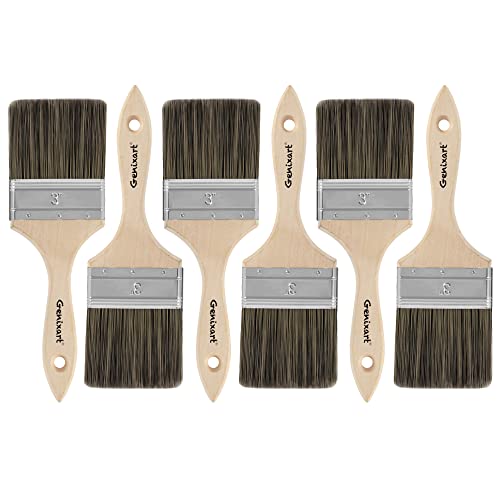
Genixart Double Thick Chip Brush 6 Pack

Pro Grade 4″ Chip Brushes 12 Pack
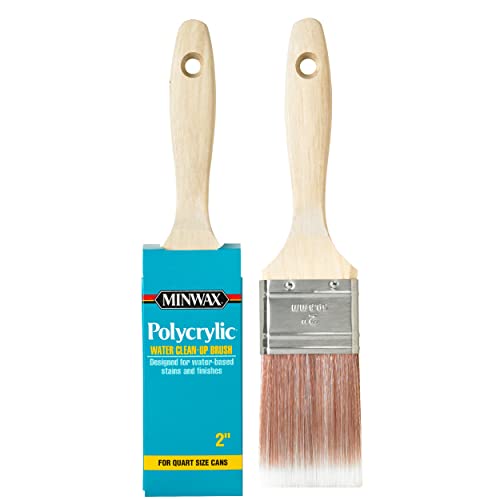
Minwax 427320008 Polycrylic Brush 2″

Magimate Deck Brush Stain Applicator 7 Inch
More Details On Our Top Picks
A 7-inch brush like this makes sense for deck boards, fence runs, and broad siding where you want to keep the pace steady. Compared with the smaller Foxtrot 5 Inch option, this one leans harder into coverage, so you spend less time reloading and more time moving in straight passes.
The honest read is that a wide head can feel a little much on railings or tight corners, so this is better for open surfaces than detail work. For most backyard staining jobs, that trade-off is worth it because fewer passes usually mean a cleaner-looking finish.
Strong Points
- Wide face covers long boards fast
- Good match for exterior stain work
- Helps keep stroke lines more even
- Useful for stain and sealer jobs
Things To Consider
- The 7-inch head can feel bulky on trim
- Cleaning takes a bit more attention after thicker stain
Feature Rundown
Who It Suits Best
You get the most from this brush on large decks, fence panels, and other broad wood surfaces where speed and coverage matter more than tight control.
Where A Sibling Pick Shines
Foxtrot Deck Stain Brush 5 Inch suits you better for mid-size projects and spots where the 7-inch head feels too broad.
The 5-inch format sits in a nice middle zone, especially for porches, smaller decks, and fence sections where a 7-inch head can feel oversized. Compared with the Foxtrot 7-Inch brush, this one gives you a little more control without dropping into trim-brush territory.
You may find it the easier choice for weekend work because it should be less tiring to guide across uneven boards and around posts. That said, it still asks for more effort than a tiny detail brush, so it suits moderate surfaces better than fine touchups.
What We Like
- Middle-of-the-road width for many jobs
- More manageable than the wider Foxtrot brush
- Good for routine stain application
- Works well on medium wood surfaces
Room For Improvement
- Still too wide for very narrow trim
- Not as fast as a 7-inch head on big decks
Feature Card
Made For
You’ll like this most for medium-size staining jobs where you want steadier handling than the larger deck brush offers.
Swap It Out When
Magimate Deck Brush Stain Applicator 7 Inch suits you better for wide, open decking where extension-ready reach matters more than compact handling.
Angle brushes earn their keep around trim, edges, and places where a flat deck brush feels clumsy. Compared with the Foxtrot brushes, this set is less about broad coverage and more about controlled strokes along corners, frames, and narrow wood details.
That makes it a smart match for cabinets, furniture edges, and any stain work that needs a cleaner line. For most indoor projects, the trade-off is simple, you give up speed but gain precision, and that’s usually the better bargain in tight spaces.
Highlights
- Angled bristles help trace edges neatly
- Two-brush set is handy for longer projects
- Useful for stain, paint, and trim work
- Better control than broad deck applicators
Softer Spots
- Not meant for wide deck coverage
- Angle shape takes a little getting used to
Core Details
Whose Shelf It Belongs On
You’ll get the most from this set on trim-heavy projects, cabinet touchups, and furniture staining where control matters more than speed.
Look Elsewhere When
Foxtrot Deck Stain Brush 7-Inch is the stronger match for broad outdoor boards that need quicker coverage.
A 3-inch chip-style brush lands in a useful middle ground for fence boards, walls, and paste-like finishes that need a thicker bristle block. Compared with the Pro Grade angle set, this Genixart brush favors broader, straighter coverage rather than edge precision.
The wooden handle gives it a classic feel, and that matters more than it sounds when you’re holding a brush for a long stretch. You may find it best for staining tasks that benefit from a firmer hand and a denser brush head.
Bright Spots
- Thick brush body holds up well for broad strokes
- Useful for stain, varnish, and limewash work
- Wooden handle feels steady in hand
- Fits fence and wall projects neatly
Areas To Watch
- Less nimble than a narrow trim brush
- Dense bristles can take longer to rinse clean
Details At A Glance
Perfect Match For
You’ll like this most for fence staining, wall work, and other jobs that reward a sturdy, straightforward brush.
Another Choice May Suit
Minwax 427320008 Polycrylic Brush 2″ is a sharper fit for smaller furniture edges and finish work that needs more delicacy.
A six-pack changes the math for big projects, because you can rotate brushes instead of stopping to scrub one clean every hour. Compared with the single Genixart 3 Inch brush, this set makes more sense for renovation days, shared use, or staining several sections in a row.
The 3-inch size keeps it versatile, and the wooden handles help it feel familiar rather than fussy. The trade-off is simple, bulk sets are handy, but you only want them if you actually have enough work to justify the extras.
Plus Points
- Six brushes support longer project days
- Good for repeated stain and sealer work
- Useful backup brushes reduce downtime
- 3-inch size stays versatile across surfaces
Small Caveats
- More brushes than casual touchups need
- Storage takes a little more space
Quick Facts
Who Should Grab It
You’ll get the best use from this pack on longer DIY projects, fence runs, and shared work where spare brushes save time.
Skip It When
Foxtrot Deck Stain Brush 5 Inch makes more sense for smaller jobs where one brush is enough and storage is tighter.
This twelve-pack feels built for projects where brushes get messy fast, especially sealers, deck stain touchups, and fence work. Compared with the Genixart six-pack, the Pro Grade set pushes convenience further, since the chip-brush format suits quick use and less-fussy cleanup.
Natural bristles and wood handles give it a familiar, workmanlike feel, which helps when you need several brushes on hand for a weekend project. The honest read is that disposable brushes make the most sense when time matters more than long-term reuse.
Best Bits
- Twelve brushes cover multiple steps or areas
- Useful for sealers, furniture, and fences
- Natural bristles suit general coating work
- Simple chip-brush format keeps things straightforward
Points To Note
- Disposable format is less suited to repeat use
- Chip brushes are less refined than finish brushes
Feature Snapshot
Built With In Mind
You’ll appreciate this set for DIY staining, sealing, and quick project turnover where having spares matters more than keeping one premium brush forever.
Reach For A Different Pick When
Minwax 427320008 Polycrylic Brush 2″ suits tighter finish work on furniture edges and detailed wood trim.
A 2-inch brush brings a very different feel from the broad deck brushes above, and that’s the point. For furniture edges, narrow trim, and finish work, the Minwax brush gives you better control than the wider Foxtrot or Magimate options.
That narrower head helps in small spaces where a larger brush would crowd the surface or leave you fighting the edges. You may find it especially helpful for polycrylic work on cabinets and furniture, where a careful hand matters more than speed.
Reasons To Buy
- Small head suits detailed finish work
- Good control around edges and corners
- Fits furniture, trim, and cabinet projects
- Useful where broader brushes feel awkward
Honest Caveats
- Too small for broad deck coverage
- Best used on narrower surfaces
At A Glance
The Right Fit
You’ll like this most for small furniture jobs, trim, and finish applications where control matters more than coverage.
Where Shoppers Go Wrong
Foxtrot Deck Stain Brush 7-Inch is the better match for broad outdoor boards that need faster coverage.
The Magimate brush leans into reach, thanks to the threaded head that accepts an extension and the broad 7-inch width. Compared with the Foxtrot 7-Inch brush, this one stands out for users who want more flexibility on taller sections, floors, fences, or wide deck areas.
That extension-ready setup can make awkward spots less tiring to handle, especially on larger outdoor surfaces. The catch is that a wider, softer head is still best for open work, so detail jobs around tight rails are better left to a narrower brush.
Standout Traits
- Threaded connection supports extension use
- Wide head suits large outdoor surfaces
- Thick, soft brush head helps spread stain evenly
- Good match for decks, fences, and walls
Minor Gripes
- Too broad for fine trim work
- Soft head may feel less precise on edges
Technical Sheet
Best Suited To
You’ll get the most from this brush on big outdoor staining jobs where an extension-ready head saves effort.
Skip It When
Minwax 427320008 Polycrylic Brush 2″ is the better fit for tight furniture edges and other detailed finish work.
How To Choose The Right Brush For Wood Stains
Match Brush Width To The Surface
Width is the first thing to sort out because it decides how fast you cover wood and how much control you keep. A 7-inch head suits broad deck boards and fence spans, while a 2-inch brush makes more sense on trim, chair rails, and cabinet edges.
Think in terms of surface shape, not just size. Long flat runs reward a wider brush, while narrow or interrupted woodwork usually feels cleaner with a smaller head.
Look Closely At Bristle Style And Brush Shape
Bristle style changes how stain spreads and how much control you feel in the hand. Natural bristles are common in chip brushes and general coating jobs, while angled heads help you trace edges without digging into corners.
A dense, thick brush head holds more material and can make broad passes feel smoother. The trade-off is cleaning and precision, because heavier brushes take more effort to rinse and are less nimble around small details.
Think About The Way You Work
Weekend DIY work often benefits from a brush that is simple and forgiving, especially on fences, decks, and outdoor wood. More detailed jobs, like furniture refinishing or trim touchups, usually call for a smaller brush that keeps the stain where you want it.
Extension compatibility matters too, especially on decks, walls, or taller fence sections. A threaded brush head can save some awkward ladder work, though that extra hardware only helps on projects that actually need reach.
Choose For Cleanup And Reuse
Disposable chip brushes make sense for one-off sealer jobs or messy coatings where cleanup would take longer than the work itself. Reusable brushes suit shoppers who do regular staining and want a more refined hand feel over time.
Storage matters as much as cleaning. A multi-pack is handy for large projects, but a single brush is easier to keep organized in a small tool bin.
Things Worth Knowing First
Common Shopping Slip Ups
Many people grab a wide deck brush for every task, then find it awkward on trim and corners. A broad head is useful, but it’s the wrong shape for detail-heavy furniture or narrow rail work.
Another common miss is overlooking cleanup. Dense chip brushes and thick bristle heads can be the right tool for stain, yet they also ask for more care after use.
The Upgrade Payoff
Higher-tier brushes usually cost more because of brush width, bristle density, and handle design. That extra spend can make sense when you stain often, work across larger surfaces, or want a brush that feels steadier during long passes.
The upgrade also shows up in job fit. Extension-ready heads, angled edges, and more consistent bristle blocks are worth paying for when your projects move beyond a simple touchup.
Frequently Asked Questions
What Brush Size Works Best For Deck Stain?
A wider brush, usually in the 7-inch range, suits open deck boards and other broad wood runs. It covers more surface with each pass and helps you move faster.
Are Chip Brushes Good For Wood Stain?
Chip brushes work well for simple staining, sealers, and rougher project stages. They’re less refined than finish brushes, but they’re handy for quick coverage.
Do Angle Brushes Help With Staining?
Yes, angled heads help you follow edges and corners with more control. They’re a smart choice for trim, frames, and tight transitions in woodwork.
Should You Choose Natural Bristles Or A Synthetic Brush?
Natural bristles feel familiar for many stain and sealer tasks, especially on rougher wood. Synthetic styles are often chosen for cleaner finish work and controlled application.
Is A Brush With Extension Threads Useful?
It helps on decks, walls, and tall fence sections where reach matters. For small trim or indoor furniture, that feature matters much less.
Final Thoughts
The best brush for your stain work depends on surface size, detail level, and how much cleanup you want to manage later. Wide deck brushes make large projects feel less tedious, while angled and compact brushes give you control where edges and corners matter most. For most homeowners, the smartest choice is the one that matches the wood in front of you rather than the brush type you already own. Pick for the job you actually have, and the finish usually follows your lead.