You want a grinder that can land the Aeropress zone without making mornings complicated. The right pick keeps particle size steady, fits your routine, and avoids the bitter swing that comes from uneven grounds. Manual models suit quiet kitchens and travel bags, while electric options fit busier countertops and faster routines. This roundup keeps the focus on real ownership fit, not just glossy spec sheets.
Quick Look At The Shortlist

TIMEMORE Chestnut C2S Manual Coffee Grinder Stainless Steel S2C Conical Burr Coffee Grinder 25g

KINGrinder K6 Manual Coffee Grinder Straight Handle Stainless Burr

SHARDOR Conical Burr Espresso Coffee Grinder Electric with Precision Timer 2.0

Premium Manual Coffee Grinder by Alpaca Ventures

Fellow Ode Gen 2 64mm Flat Burr Coffee Grinder
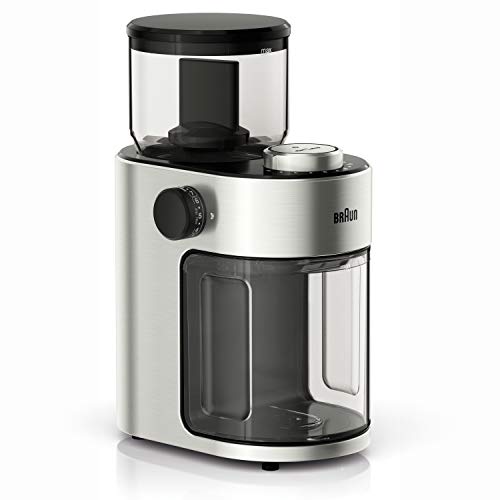
Braun KG7070 Burr Grinder, Stainless Steel
Vivaant Coffee Grinder Manual Capacity 32g Stainless Steel Conical Burr Coffee Grinder

CEVING 60g Large Capacity Manual Coffee Grinder 40 Adjustable Settings
More Details On Our Top Picks
TIMEMORE’s C2S fits the kind of morning where you want a consistent Aeropress grind without a noisy appliance taking over the counter. The stainless steel burrs and double-bearing positioning point to smoother hand-cranking, and that matters because hand grinders can feel vague fast when the internal alignment is loose.
Its 25g capacity suits a single cup or a small two-cup batch, so you are not hauling around extra bulk for a simple brew. The trade-off is plain enough, you still need to turn the handle yourself, which makes this better for patient routine than rushed office use.
Bright Spots
- S2C conical burr shape supports a steady grind profile for Aeropress-style brewing.
- Double-bearing positioning should help the handle feel more stable during use.
- 25g capacity keeps it compact for a small kitchen shelf or carry bag.
- Stainless steel parts are easier to live with than flimsy plastic-heavy builds.
Minor Gripes
- Manual grinding takes more time than an electric option.
- Small capacity means repeated fills for larger brew sessions.
- Cleaning takes a little more care around burrs and threads.
Feature Snapshot
Who It Suits Best
You are the best match here if you brew one cup at a time and want a quiet manual grinder with a small footprint.
Where A Sibling Pick Shines
KINGrinder K6 suits you better when you want more room to tune the grind for several brew methods, not just Aeropress.
The K6 leans harder into control than the TIMEMORE, which is exactly why it stands out for Aeropress fans who like to move between brew styles. Its straight handle and stainless burr setup suggest a more deliberate, countertop-friendly grind session, and you may appreciate that extra tuning room on days when the recipe changes.
That broader grind-setting range matters most for people who also make pour-over or espresso at home. The trade-off is that more adjustability usually asks for a little more attention, so this feels better for a methodical coffee routine than a grab-and-go setup.
Reasons To Buy
- Wide adjustment range gives you room to tune Aeropress recipes closely.
- Works across several brew methods, so it can cover more of your coffee routine.
- Stainless burr construction suggests a durable, long-term feel.
- Manual control keeps the grinder compact and quiet on the counter.
- Good fit for curious brewers who like to tweak small details.
Points To Note
- More settings can mean more trial and error before you land on a favorite.
- Manual grinding still takes elbow grease, especially for larger batches.
- Cleaning and reassembly reward a careful, patient routine.
Core Details
Made For
You fit this grinder best if you want one manual unit that can serve Aeropress, pour-over, and espresso without feeling narrow.
A Better Fit Elsewhere
TIMEMORE Chestnut C2S makes more sense for a lighter, more compact daily grinder with less attention required.
SHARDOR switches the conversation from hand grinding to countertop speed, which helps a lot on mornings with a tight schedule. The touchscreen, 2.0 precision timer, anti-static design, and 51 settings make it feel built for dialing in a repeatable grind without a lot of fuss.
For Aeropress users, the timer is especially handy because it helps you keep dose prep consistent from one brew to the next. The catch is that electric grinders take more space and more cleaning attention than a manual pick like the KINGrinder K6 or TIMEMORE C2S.
Standout Traits
- 51 settings give you plenty of room to tune grind size.
- Precision timer helps repeat your dose more easily.
- Touchscreen controls keep the front panel straightforward.
- Anti-static design can reduce cling around the grounds chute.
- Electric operation suits busy kitchens better than hand-cranking.
Areas To Watch
- Takes up more counter space than a manual grinder.
- More parts can mean a longer cleaning routine.
- Best for countertop use, not travel bags.
Technical Sheet
Built With In Mind
You are a strong match here if you want a fast electric grinder for home use and like precise control more than portability.
Skip It When
Fellow Ode Gen 2 fits you better if your brewing leans toward pour-over and you value a quieter, single-dose workflow over a touchscreen.
This Alpaca Ventures grinder reads like the compact companion in the group, especially next to the bulkier electric SHARDOR. Its stainless steel conical burr and adjustable hand-grind design make it easy to picture in a suitcase, office drawer, or small apartment shelf.
The compact travel size is the real point here, because Aeropress brewing often pairs well with a light, portable setup. The trade-off is capacity and speed, so it suits one-person routines far better than a kitchen where multiple cups need to be ground back to back.
Upsides
- Compact build fits travel, desks, and tight cupboards.
- Stainless steel conical burr supports a more even grind.
- Adjustable hand control gives you flexible recipe tuning.
- Works across espresso, pour-over, and French press use.
Room For Improvement
- Manual operation slows things down for larger servings.
- Smaller body means less room for batch grinding.
- Travel-friendly builds still need regular cleaning after oily beans.
Feature Card
Right Fit For
You will like this most if you need a lightweight manual grinder for Aeropress brewing away from a full kitchen.
Another Choice May Suit
Vivaant Coffee Grinder Manual Capacity 32g fits you better if you want a slightly larger manual capacity for home brewing.
Fellow’s Ode Gen 2 brings a more polished electric workflow than the SHARDOR, with a single-dose focus that feels appealing in a tidy home coffee corner. The 64mm flat burr format points toward a different grind profile than the conical models above, and that can matter to you more than raw convenience.
Its quiet operation and anti-static handling fit a household that values clean prep and less clatter in the morning. The trade-off is that this grinder makes more sense for pour-over, French press, and cold brew than for a strict Aeropress-only setup, so the value depends on how broad your brew routine is.
Best Bits
- Single-dose workflow suits focused, one-batch morning prep.
- Quiet operation is easier on shared living spaces.
- Anti-static behavior helps keep the counter cleaner.
- 31 settings let you make small grind changes with control.
- Flat burr design offers a different style of grind character.
Small Caveats
- Costs more than basic manual grinders in this list.
- Better suited to broader filter brewing than only Aeropress.
- Electric footprint takes more room on the counter.
Details At A Glance
Whose Shelf It Belongs On
You fit this grinder best if you make pour-over often and want a quiet electric unit with a more refined workflow.
Look Elsewhere When
SHARDOR Conical Burr Espresso Coffee Grinder suits you better if you want a broader set of grind settings and a more direct timer-driven routine.
Braun’s KG7070 takes a simpler route than the Fellow Ode Gen 2, and that simplicity can work well for a straightforward kitchen routine. The stainless steel finish gives it a familiar, durable look, while the burr setup keeps it in the right category for Aeropress grinding rather than blade-style guesswork.
You will probably like this most in a busy home where you want a reliable grinder without learning a complicated control scheme. The honest read is that it appears less specialized than the premium picks above, so you give up some tuning depth in exchange for a more direct daily routine.
What We Like
- Electric burr format suits quick morning prep.
- Stainless steel finish feels practical in a kitchen setting.
- Simple setup is easier for first-time burr-grinder users.
- Good fit for routine Aeropress grinding without extra complexity.
Softer Spots
- Less specialized than the higher-end grinders in this list.
- Likely a better match for convenience than precision chasing.
- Counter space matters more than it does with hand grinders.
Quick Facts
The Right Fit
You are a good match for this grinder if you want a low-fuss electric option for regular Aeropress use at home.
Where Another Pick Suits Better
Fellow Ode Gen 2 makes more sense if you care more about quiet single-dose grinding and a more polished countertop presence.
Vivaant sits between the smaller TIMEMORE C2S and the larger-capacity CEVING model, which gives it a practical middle-ground feel. The 32g capacity is useful for a couple of Aeropress servings, and the stainless steel conical burr design keeps it aligned with the sort of grind control this brew method needs.
For home use, that extra capacity over the 25g picks can save you one refill during a slightly larger session. The trade-off is still the same manual reality, so you are choosing hand effort in exchange for portability and a quieter counter.
Positives
- 32g capacity gives you a little more room than smaller manual grinders.
- Conical burr setup supports a steadier Aeropress grind.
- Portable body suits a cupboard, desk, or carry bag.
- Adjustable settings help you move between brew styles.
Trade Offs
- Manual use still asks for time and effort.
- Not as broad in capacity as the 60g CEVING pick.
- Cleaning after oily beans takes a little patience.
Feature Rundown
Best Suited To
You will get the most from this grinder if you want a portable manual option with enough capacity for more than one Aeropress cup.
Reach For A Different Pick When
TIMEMORE Chestnut C2S fits you better if you want a smaller, lighter manual grinder for simpler daily use.
CEVING is the capacity-heavy manual option in this group, and that changes the conversation for Aeropress users who grind for more than one cup at a time. With 40 adjustable settings and a 60g chamber, it has more batch potential than the TIMEMORE, Vivaant, or Alpaca Ventures grinders.
That extra room can be handy for camping, travel, or a shared kitchen where you do not want to refill constantly. The trade-off is the expected one, bigger capacity usually means a little more size and a bit more manual effort, so it suits volume-minded routine more than pocket-size portability.
Highlights
- 60g capacity lets you grind more coffee in one session.
- 40 adjustable settings give you useful control over grind size.
- Portable hand design works well for travel and camping setups.
- Good fit for shared kitchens where batch grinding saves time.
Points To Note
- Larger body is less discreet than smaller manual grinders.
- Hand grinding still takes effort, especially at full capacity.
- More coffee volume means more cleanup after each session.
Core Details
Who Will Love This
You are the best fit here if you want a manual grinder with larger capacity for camping, shared use, or batch brewing.
Consider Something Else When
Vivaant Coffee Grinder Manual Capacity 32g suits you better if you want a smaller portable option that is easier to pack every day.
How To Choose The Right Burr Grinder For Aeropresses
Match The Grind Range To Your Brew Style
Aeropress works well with a fairly forgiving grind window, but the grinder still needs enough range to let you fine-tune flavor. A model like the KINGrinder K6 makes sense when you like adjusting by small steps, while a simpler pick like Braun KG7070 suits a steadier routine with less tinkering.
Conical burr grinders often fit Aeropress especially well because they support a more even grind than blade-style chopping. Flat burr models, like the Fellow Ode Gen 2, can suit you too, but they usually make more sense when Aeropress is part of a wider filter-coffee routine.
Choose Manual Or Electric Around Your Daily Rhythm
Manual grinders stay quiet, travel well, and take up less room, which is why TIMEMORE, Alpaca Ventures, Vivaant, and CEVING all have a place here. The trade-off is obvious, you spend the time and effort yourself, so these picks work best for slower mornings, office bags, and brewing away from a plug.
Electric grinders are the better fit for busy kitchens and repeat brewing. SHARDOR and Fellow Ode Gen 2 remove the hand effort, but they also claim more counter space and need a bit more care during cleanup.
Pay Attention To Capacity And Dose Size
Capacity matters more than many people expect, because a 25g chamber and a 60g chamber serve very different routines. TIMEMORE’s 25g size is enough for a simple cup, while CEVING’s 60g capacity is better for larger batches or shared use.
For Aeropress, a mid-size chamber can be the sweet spot when you want two servings without refilling constantly. That is where Vivaant’s 32g size feels practical, especially for home use that sits between solo brewing and light batch prep.
Look For The Kind Of Control You’ll Actually Use
More settings only help when you plan to use them, and that is easy to forget while comparing spec sheets. SHARDOR’s 51 settings and CEVING’s 40 settings suit people who like to dial in closely, while Braun’s simpler layout may be enough for someone who wants coffee fast and does not want a learning curve.
Cleaning and storage matter too, especially with manual grinders that break down for travel or electric grinders with more parts. A grinder that fits your shelf, bag, and cleaning habit is usually the one that stays in rotation.
What To Weigh Before You Decide
Common Shopping Slip Ups
Many shoppers focus on burr material and forget the workflow. A grinder can sound impressive on paper, yet still feel awkward when you only want one Aeropress cup before work.
Another common miss is overbuying capacity. A 60g chamber sounds handy, but it makes less sense than a smaller grinder for a solo desk setup.
The Upgrade Payoff
Higher-tier grinders usually cost more because of better burr geometry, steadier alignment, quieter operation, or more precise adjustment systems. Fellow Ode Gen 2 and KINGrinder K6 sit in that zone, where smoother control and a more thoughtful build can matter more than basic convenience.
The upgrade is worth it when you brew often and want less variation from cup to cup. For occasional Aeropress use, a simpler manual grinder can cover the job without asking for extra budget or countertop space.
Frequently Asked Questions
What grind size works best for Aeropress?
A medium-fine grind usually lands in the right neighborhood, but your recipe may push a little finer or coarser. A grinder with clear adjustment steps makes that easier to manage.
Are manual grinders good for Aeropress?
Yes, manual grinders fit Aeropress very well because the brew method only needs a modest dose. They also stay quiet and travel easily.
Do flat burr grinders work for Aeropress?
They can, especially when you also brew pour-over or French press. Flat burr models tend to make more sense when you want one grinder for several brew styles.
How much capacity do you need?
About 25g is enough for a simple single serving, while 32g to 60g gives you more room for larger sessions. The right size depends on whether you brew for one person or several.
Is electric worth it for Aeropress?
Electric grinders make sense when speed and consistency matter more than portability. Manual models suit quieter mornings and smaller spaces better.
Closing Thoughts
You do not need an oversized grinder to make Aeropress work well, you need the right balance of grind control, capacity, and day-to-day convenience. TIMEMORE and KINGrinder make strong manual choices, while SHARDOR and Fellow Ode Gen 2 bring easier electric workflows. Braun is the simple route, and CEVING gives you room for bigger batches. Match the grinder to your routine, not the other way around, and the rest gets much easier.