Chain hoists earn their keep in garages, shops, barns, and busy work bays where controlled lifting matters more than flash. You’re looking at the right category if you need a hand-powered lift for engines, machinery, bundles, or suspended loads that don’t need a motor to move. The trick is matching capacity, lift height, brake design, and chain grade to the jobs on your list. That’s where the right pick feels less like heavy equipment and more like a steady helping hand.
The Shortlist At A Glance

Manual Chain Hoist 1 Ton 10’ Lift 2 Hooks (1T)

JET 1/2-Ton Mini-Puller Lever Hoist (Model JLP-050A-10)

Amarite Lever Chain Hoist 3/4 Ton G80 Chain 10ft

SPECSTAR Hand Chain Hoist 2 Ton 4400 Lbs Capacity 10 Feet with 2 Hooks
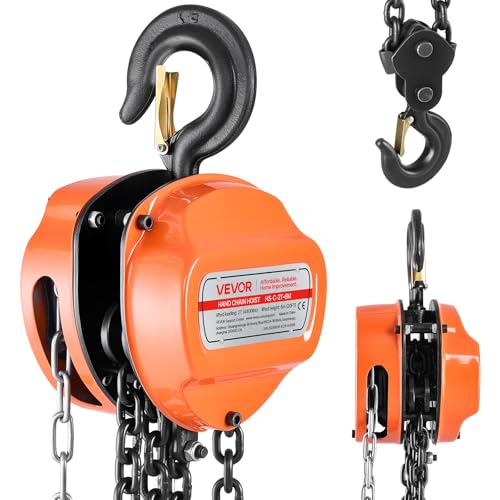
VEVOR Hand Chain Hoist 2 Ton 20 ft Orange

VEVOR Hand Chain Hoist 1 Ton 2200 lbs Red

Mini Chain Lever Hoist Come Along 1/2 Ton 1100lbs 10ft Lift

VEVOR Manual Lever Chain Hoist 1-1/2 Ton 3300 lbs 10 FT
More Details On Our Top Picks
For a straightforward shop lift, this glorousamc model keeps the setup simple with a 1-ton, 2,000-pound rating and a 10-foot lift. The two-hook layout makes sense in garages and small workspaces, since you’re not dealing with extra complexity for a basic overhead task.
The steel chain block style suits people who want a manual tool that feels familiar and easy to store. The honest trade-off is that a 10-foot reach can feel short in taller bays, so it fits modest overhead jobs better than high-clearance work.
Strong Points
- 1-ton capacity covers many routine lifting jobs.
- 10-foot lift works well for standard garage ceilings.
- Two-hook setup helps with stable attachment.
- Steel construction suits hard-use storage areas.
Things To Consider
- The lift height may feel limited in taller work bays.
- Manual operation asks for steady, hands-on effort.
- Steel parts need normal wipe-down care after use.
Core Details
Who It Suits Best
You’re a solid match for this pick if you need a dependable manual hoist for general garage or small workshop lifting.
A Better Fit Elsewhere
VEVOR Hand Chain Hoist 2 Ton 4400 lbs 20 ft Orange suits you better when your lifts are taller or heavier than this 1-ton model handles comfortably.
This JET mini-puller leans into compact leverage rather than brute capacity, which is exactly why it belongs in smaller pull-and-position jobs. In a cramped garage or on intermittent mechanical tasks, that lower-profile footprint can feel easier to live with than a bulkier chain block.
The 10-foot lift is useful for many day-to-day adjustments, though the half-ton rating keeps it in lighter territory than the heavier VEVOR and SPECSTAR picks. The honest read is that this suits careful, precise work more than large hanging loads.
Highlights
- Mini-puller size saves space in tool storage.
- Lever style supports controlled, incremental movement.
- 10-foot lift covers many small shop tasks.
- Low-capacity format suits lighter mechanical work.
Small Caveats
- Half-ton capacity keeps it out of heavy lifts.
- Lever format takes some room for handle travel.
- You’ll want routine inspection of hooks and chain wear.
Feature Snapshot
Built With In Mind
You’re a good fit for this hoist if you handle lighter-duty pulling, alignment, or positioning work and want a compact tool.
Swap It Out When
Amarite Lever Chain Hoist 3/4 Ton G80 Chain 10ft gives you more capacity for the same general style of manual work.
The middle ground here is the appeal, a 3/4-ton lever hoist with G80 chain and a 10-foot lift for jobs that sit between light handling and heavier shop work. G80 means a higher-grade alloy chain built for load handling, so it matters for durability and wear resistance in regular use.
Its listed safety factor and CE marking add reassurance for many shoppers, especially those using it for lifting, strapping, bundling, or dragging in a shop setting. The trade-off is familiar: lever hoists reward controlled use, but they’re not the same as a powered system for long, repetitive lifts.
What We Like
- 3/4-ton size fills a useful middle range.
- G80 chain is suited to harder work.
- 10-foot lift fits many garage and shop tasks.
- Works across lifting, bundling, and dragging jobs.
- Safety-factor listing adds useful context for selection.
Points To Note
- Lever hoists suit controlled pulls more than long sessions.
- You’ll want to keep chain paths clear during use.
Details At A Glance
Right Fit For
You’ll like this one most for general shop lifting, strapping, and controlled pulling where 3/4 ton is enough.
Another Choice May Suit
JET 1/2-Ton Mini-Puller Lever Hoist (Model JLP-050A-10) is the lighter alternative for smaller, more compact pull jobs.
SPECSTAR steps into heavier manual lifting with a 2-ton, 4,400-pound rating and a 10-foot reach, which makes it a stronger match than the 1-ton glorousamc model when the load climbs. The twin-hook setup is useful in warehouse or automotive work, where you want a secure overhead point and predictable hanging behavior.
Black finish aside, the real story is practical capacity for demanding jobs that still call for a hand chain hoist rather than powered gear. You may find the 10-foot lift enough for many bay-height tasks, though taller ceilings will narrow the fit quickly.
Upsides
- 2-ton rating covers heavier shop lifting.
- Two hooks support straightforward hanging.
- 10-foot lift suits many workshop ceilings.
- Good fit for automotive and warehouse use.
Room For Improvement
- Manual lifting still takes steady effort.
- The 10-foot reach may feel tight in tall buildings.
- Regular cleaning helps keep the chain moving smoothly.
Feature Card
Who Should Grab It
You’re in the right place for this hoist if your garage, warehouse, or automotive bay needs more lifting margin than a 1-ton unit gives you.
A Better Fit Elsewhere
VEVOR Hand Chain Hoist 2 Ton 4400 lbs 20 ft Orange makes more sense for taller spaces where extra lift height matters.
Longer lift height is the big reason this VEVOR stands out, because 20 feet opens up jobs that the 10-foot models from glorousamc and SPECSTAR can’t cover as comfortably. Its upgraded G80 galvanized chain adds a corrosion-resistant finish to the load chain, which is handy in garages and work areas that see regular moisture or grime.
That extra reach does come with a practical trade-off: longer chain means more management during storage and setup. In taller buildings, though, the added flexibility can be worth it since you’re not fighting the ceiling every time you need more vertical travel.
Reasons To Buy
- 20-foot lift gives generous vertical reach.
- 2-ton rating suits heavier manual work.
- G80 galvanized chain helps with everyday durability.
- Good fit for taller garage or warehouse spaces.
Minor Gripes
- Longer chain takes more space to hang and store.
- Manual operation still calls for patient handling.
- The bright finish may show wear more quickly than darker housings.
Spec Overview
Whose Shelf It Belongs On
You’ll get the most from this model in taller garages, warehouses, and utility spaces where extra lift height saves hassle.
Where A Sibling Pick Shines
SPECSTAR Hand Chain Hoist 2 Ton 4400 Lbs Capacity 10 Feet with 2 Hooks fits better for lower ceilings and a simpler chain run.
This 1-ton VEVOR gives you a familiar shop-friendly format without moving into the heavier bulk of the 2-ton options. The 10-foot lift and G70 galvanized chain make it a sensible fit for smaller automotive spaces, home garages, or maintenance corners where you want dependable manual lifting without oversized hardware.
Compared with the orange 2-ton VEVOR, this red version keeps the footprint smaller and the capacity more modest. That balance is useful for everyday work, though you’ll naturally want something bigger once the loads or lift height start growing.
Bright Spots
- 1-ton rating suits a wide range of lighter lifts.
- G70 galvanized chain adds a useful durability cue.
- 10-foot lift works for common shop setups.
- Smaller capacity can feel easier to manage daily.
Softer Spots
- It won’t match the heavier 2-ton models.
- The 10-foot lift is better for standard ceilings.
- Chain and hook care still matter over time.
Feature Rundown
Made For
You’re a strong match for this pick if you want a compact manual hoist for routine garage or small-shop lifting.
Look Elsewhere When
VEVOR Hand Chain Hoist 2 Ton 4400 lbs 20 ft Orange fits better once your space is taller or your loads are heavier.
Amarite keeps this one small and easy to move, which matters a lot in tight mechanical spaces where larger hoists feel awkward. The aluminum alloy body helps keep the weight down, while the G80 chain and 800 MPa lifting chain rating point toward a more serious build than the size suggests. That combination makes it useful for portable jobs, though the half-ton rating keeps expectations grounded.
It suits quick tasks where you want a light tool that still feels capable. The honest caveat is that a mini lever hoist can be a little less comfortable for longer sessions, especially when you’re working at awkward angles.
Best Bits
- Very compact form for cramped work areas.
- Aluminum body helps keep carry weight down.
- G80 chain supports more demanding handling.
- 10-foot lift covers many small jobs.
Areas To Watch
- Half-ton capacity limits heavier work.
- Shorter-format tools can feel less comfortable over long stretches.
- Hooks and chain should be checked often in portable use.
Technical Sheet
Perfect Match For
You’ll appreciate this hoist most for portable, lighter-duty work in tight spaces, especially where size matters as much as lifting ability.
Skip It When
SPECSTAR Hand Chain Hoist 2 Ton 4400 Lbs Capacity 10 Feet with 2 Hooks is the better call for heavier, less portable shop lifting.
This VEVOR brings together a 1-1/2-ton capacity, Weston double-pawl brake, auto chain leading, and a 360-degree rotating hook, so the feature list is doing real work here. A double-pawl brake uses two locking pawls for added brake engagement, which matters when you want controlled load holding in garages, docks, or factory spaces.
Compared with the simpler JET mini-puller, this feels more serious and better suited to repeat work where chain control matters. The trade-off is that more mechanism can mean more to keep an eye on, so regular inspection makes sense in heavier-use settings.
Positives
- 1-1/2-ton rating gives useful midheavy capacity.
- Double-pawl brake adds control-focused hardware.
- Auto chain leading helps the chain feed more cleanly.
- Rotating hook improves positioning flexibility.
Honest Caveats
- More moving parts mean more to monitor over time.
- Manual use still takes patient, steady handling.
- Best suited to planned work rather than quick grabs.
Key Specs
Who Will Love This
You’ll get the most from this model if you want more control features than the simpler manual hoists provide.
Where Shoppers Go Wrong
Amarite Mini Chain Lever Hoist Come Along is the lighter choice for smaller jobs where portability matters more than extra brake hardware.
How To Choose The Right Chain Hoists
Start With Capacity And Lift Height
Capacity is the maximum load the hoist is meant to handle, and it’s the first number worth checking because it shapes everything else. A 1/2-ton or 3/4-ton unit makes sense for lighter pull work, while 1-ton and 2-ton models fit broader garage and shop jobs.
Lift height matters just as much, especially in spaces with taller ceilings or deep work pits. A 10-foot lift is enough for many home garages, while 20 feet gives you more breathing room in warehouses or higher bays.
Match The Hoist Style To The Job
Hand chain hoists use a chain wheel and manual pull action, so they’re good for steady vertical lifting. Lever hoists, sometimes called come-alongs, use a ratcheting handle for pulling, positioning, and short controlled lifts.
That difference changes how the tool feels in use. For overhead lifting, the chain-block style is often easier to manage, while lever hoists shine in tighter spots, alignment jobs, and light dragging tasks.
Pay Attention To Chain Grade And Brake Design
Chain grade tells you something about the chain’s build level, and G80 is a common marker on sturdier load-handling chains. Galvanized chain adds a protective surface finish that helps in garages or work areas where moisture and grime show up often.
Brake design matters too, because it affects how load control feels during operation. Features like a Weston double-pawl brake or a rotating hook can make a real difference in controlled handling, but they also add parts that deserve regular inspection.
Think About Storage, Care, And Frequency Of Use
A compact hoist is easier to hang, carry, and put away between jobs. That matters in home shops and mobile repair setups, where space is always at a premium.
For frequent use, look for a tool that feels comfortable through repeated pulls and doesn’t demand awkward setup. A heavier, feature-rich unit can earn its keep in a busy bay, while a simpler model may be the saner choice for occasional work.
Things Worth Knowing First
Common Shopping Slip Ups
Many people focus on capacity and ignore lift height, then realize the chain comes up short in a taller space. Another common miss is choosing a lever hoist for overhead lifting that would be easier with a hand chain block.
Chain grade and hook design deserve attention too. A modest-looking hoist can still be a better fit than a larger one, but only when the chain and brake setup match the job.
What The Higher Tier Buys
Higher-tier hoists often add better chain materials, more brake hardware, or longer lift lengths. Those upgrades matter most in workspaces that see repeated use, heavier loads, or awkward positioning.
You also tend to get a smoother day-to-day feel, especially when chain feed or hook rotation reduces fuss during setup. The extra spend makes the most sense for frequent garage work, warehouse tasks, or anyone who needs more control than the basic models provide.
Frequently Asked Questions
What is the difference between a chain hoist and a lever hoist?
A chain hoist lifts with a hand-pulled chain and works well for vertical raising. A lever hoist uses a ratcheting handle and fits pulling, positioning, and short controlled lifts.
How much lift height do you need?
Ten feet covers many garages, workshops, and utility spaces. Taller buildings, docks, or warehouse bays often benefit from 20 feet or more.
What does G80 chain mean?
G80 refers to a higher-strength alloy chain class used in load-handling tools. It matters because the chain is a key wear point in regular manual lifting.
Are lever hoists good for vertical lifting?
They can handle short vertical lifts, but they’re especially useful for controlled pulling and adjustment work. For repeated overhead lifting, a hand chain block usually feels more natural.
How do you choose the right capacity?
Match the hoist to the heaviest load you plan to move, then leave sensible margin. A 1-ton model fits many general tasks, while 2-ton units suit heavier shop work.
Closing Thoughts
The right chain hoist feels steady, predictable, and sized for the jobs you actually face, not the biggest load you can dream up. For lighter pull work, the JET and Amarite lever models keep things compact. For general shop lifting, the glorousamc, SPECSTAR, and both VEVOR hand chain hoists cover a wider range of spaces and capacities. Choose the lift height and brake setup that fits your shop, and the tool will feel like it belongs there.