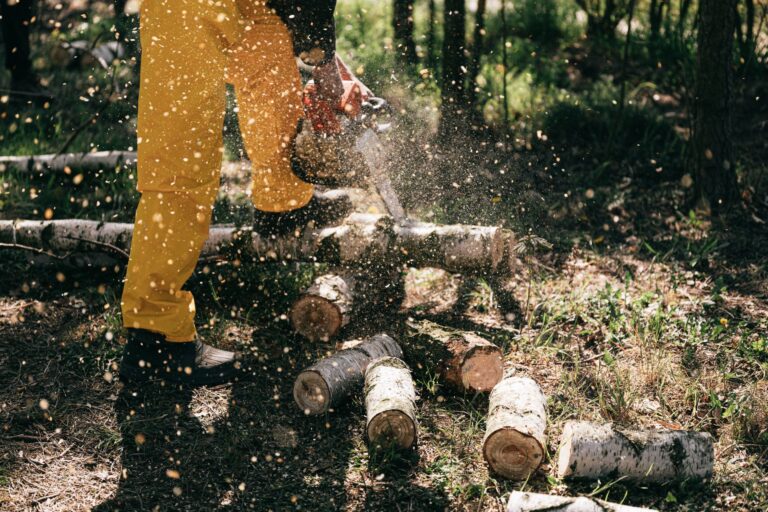
You want a gas chainsaw that matches your yard work, not one that overshoots it. This roundup focuses on Chinese Chainsaws and the well-known domestic alternatives that sit in the same shopping lane, from compact pruning tools to heavier 24-inch felling saws.
That matters on real jobs, too. A weekend trim session, storm cleanup, or firewood prep all ask for different bar lengths, engine sizes, and handling styles, and the wrong mix turns a simple chore into a long afternoon.
The Shortlist At A Glance

PINKWAY 63ACK 63CC 20-Inch Chainsaw

PINKWAY 63ACG 63CC 20-Inch Chainsaw

PROYAMA 68CC Top-Handle Chainsaw

SUPMIXTOOLS 62cc 20-Inch Gas Chainsaw

Husqvarna 460 Rancher 24-Inch Chainsaw
SALEM MASTER 62cc 20-Inch Gas Chainsaw

Husqvarna 120 Mark III 16-Inch Chainsaw

NEO-TEC NH872 71cc 24-Inch Chainsaw
More Details On Our Top Picks
The 63cc engine and 20-inch bar make this PINKWAY a straightforward fit for firewood, thicker limbs, and general yard clearing. You get the kind of layout that suits a person who wants one gas saw for mixed jobs, not a tiny pruning tool that runs out of reach too soon.
Compared with the lighter Husqvarna 120 Mark III later in this list, this one leans more toward bigger cuts and less toward easy carry. The honest trade-off is weight and noise, which usually come with this class of gas saw, so you’ll like it more for open spaces than tight hedge lines.
Strong Points
- 63cc displacement brings useful cutting muscle for thicker wood.
- 20-inch bar length helps with larger limbs and logs.
- Good fit for a property owner who wants one general-purpose saw.
- Gas power keeps it independent from cords and charging breaks.
Things To Consider
- Gas upkeep stays part of ownership, including fuel mix and routine cleaning.
- The larger format can feel tiring during long trim sessions.
- Better suited to open work areas than fine overhead pruning.
Feature Snapshot
Who It Suits Best
Homeowners and property managers handling mixed cutting jobs will get the most from this size class.
Where A Sibling Pick Shines
PINKWAY 63ACG makes more sense for you if you want the same general format and a second look at a very similar setup.
This second PINKWAY keeps the same 63cc and 20-inch format, so the appeal is familiar rather than flashy. That makes it a sensible match for someone who wants a similar setup for storm cleanup, brush cutting, or intermittent wood cutting around the property.
Against the 63ACK above, the difference is mostly in listing variant rather than a big shift in use case, which is why the choice comes down to availability and the exact product page details. In practical terms, you still get a saw aimed at larger-than-light-duty jobs, and you should plan for the usual gas-saw maintenance that comes with that class.
What We Like
- Large 63cc engine size suits tougher yard jobs.
- 20-inch bar gives you room for bigger cuts.
- Works well as a shared household saw for general cleanup.
Minor Gripes
- It shares the same upkeep demands common to gas-powered saws.
- The size is more comfortable for open work than fine trimming.
- Little separates it from the 63ACK except the variant listing.
Core Details
Built With In Mind
You’ll appreciate this more as a general property saw than a delicate pruning tool.
Another Choice May Suit
PINKWAY 63ACK is the cleaner side-by-side comparison, since it fills the same role for shoppers who want to compare nearly identical options.
The top-handle layout changes the whole feel here. That style places the control area above the body, which can be helpful for limbing work and tighter cutting positions, and the 68cc engine points this pick toward more demanding wood-cutting sessions.
Compared with the two PINKWAY saws, this one looks more suited to users who want extra reach and a more serious work posture. In most yards, you may find the top-handle shape less relaxed for casual ground-level cutting, so it fits better for experienced hands and active pruning routines.
Positives
- 68cc engine size gives it extra room for harder cuts.
- Top-handle layout helps with certain pruning positions.
- 24-inch and 20-inch bar references point to broader task coverage.
- Feels aimed at heavier tree work rather than light cleanup.
- Good match for users who already know their way around gas saws.
Worth Noting
- Top-handle saws can feel less forgiving for casual ground use.
- Gas maintenance and fuel handling remain part of ownership.
- The larger engine size may be more than a small yard needs.
Details At A Glance
Right Fit For
Experienced users handling pruning, limbing, or more aggressive property clearing will benefit most from this layout.
Skip It When
Husqvarna 120 Mark III makes more sense for lighter yard tasks and simpler handling.
SUPMIXTOOLS keeps the formula simple, with a 62cc engine and 20-inch bar aimed at cutting wood, trimming trees, and handling routine property work. The listing also points to delivery and service support, which matters when you want fewer headaches after the box arrives.
Compared with the PROYAMA above, this option looks a little more grounded in straightforward home use than in aggressive pruning geometry. The trade-off is that the spec sheet is thinner, so you’ll rely more on the product page and seller support details than on a long feature list.
Highlights
- 62cc engine gives you a solid step up from small homeowner saws.
- 20-inch bar fits common trimming and firewood tasks.
- Good fit for a shed or garage role where simplicity matters.
- Seller support and delivery notes add a practical buying comfort.
Areas To Watch
- The public feature set is lighter than some rivals.
- Gas upkeep still means mixing, cleaning, and storage attention.
- May feel like more saw than a tiny backyard needs.
Feature Card
Whose Shelf It Belongs On
Homeowners who want a practical mid-size gas saw without extra complexity will feel at home with this one.
Look Elsewhere When
PINKWAY 63ACK is the better fit for you if you want a bit more engine capacity in the same basic class.
The 460 Rancher sits in a more serious class than the earlier 62cc and 63cc saws, with a 60.3cc X-Torq engine, 3.6 horsepower, a 24-inch bar, and an automatic adjustable oil pump. X-Torq is Husqvarna’s engine design for improved fuel use and emissions balance, and that usually translates into a refined feel for extended property work.
For land clearing, large limb work, and regular firewood cutting, this is the kind of saw people often move up to after outgrowing a simpler model. The honest read is that it asks for more budget and more space, but it also gives you a more established build profile than the bargain-tier options above.
Best Bits
- 24-inch bar reaches bigger logs and wider cuts.
- Automatic adjustable oil pump supports steady bar lubrication.
- 3.6-HP output helps the saw feel less strained in larger wood.
- X-Torq engine design is a meaningful upgrade in this class.
- Good fit for land clearing and repeated heavy use.
Points To Note
- Larger size and stronger output bring more weight to manage.
- Overkill for light pruning around a small yard.
- Higher maintenance expectations come with the bigger gas platform.
Technical Sheet
The Right Fit
You’ll get the most from this saw if your property work regularly includes land clearing or heavy firewood prep.
Reach For A Different Pick When
Husqvarna 120 Mark III is the calmer choice for pruning and lighter yard maintenance.
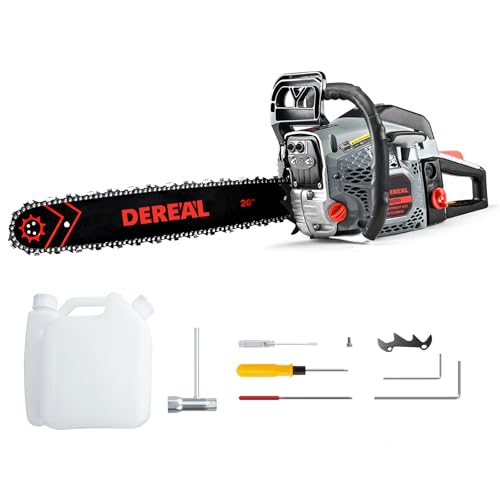
SALEM MASTER puts a 62cc, 3.4HP, two-stroke engine into a 20-inch frame, which is a familiar setup for outdoor garden, farm, and home use. That mix usually suits someone who wants a middleweight gas saw that can stay busy on both yard cleanup and occasional larger cuts.
Against the SUPMIXTOOLS model, this one looks like a close cousin with a similar size and task range, so the real decision comes down to the product page details you prefer. For a person managing a yard, small acreage, or a mix of household and farm chores, the balance makes sense, though gas maintenance still sits in the background.
Reasons To Buy
- 62cc engine gives useful cutting strength for routine jobs.
- 3.4HP output supports more than basic light trimming.
- 20-inch bar handles common wood-cutting tasks comfortably.
- Good fit for mixed home and farm ownership.
Small Caveats
- Still a gas saw, so storage and cleanup take effort.
- Similar in size to the SUPMIXTOOLS, so distinctions are modest.
- May feel heavy for someone who only trims small branches.
Core Details
Perfect Match For
You’ll like this if your week includes both garden cleanup and heavier backyard cutting.
Where A Sibling Pick Shines
SUPMIXTOOLS 62cc is the closer look-alike, and that makes it worth comparing side by side for similar tasks.
This 38cc Husqvarna is the easier carry in the group, and the 16-inch bar keeps it friendly for pruning, limbing, and lighter cleanup. The automatic oiler, which feeds bar oil as you work, helps keep maintenance simpler during routine sessions around the yard.
Compared with the 460 Rancher, this saw is clearly the more relaxed choice for smaller tasks and less tiring handling. You may find it a better fit for regular homeowners than for someone clearing heavier timber, since the shorter bar and smaller engine are built for control rather than brute force.
What We Like
- 38cc engine is friendlier for lighter residential use.
- 16-inch bar helps with pruning and branch removal.
- Automatic oiler reduces one maintenance step during ownership.
- More manageable than the larger saws earlier in the list.
Worth Noting
- Not the right match for large trunk work.
- Smaller engine means less headroom for tougher cuts.
- Still needs gas-saw attention for fuel and cleaning.
Feature Rundown
Who Will Love This
Homeowners who mainly prune trees and clear smaller branches will appreciate the easier handling here.
Not Your Match When
Husqvarna 460 Rancher suits heavier land-clearing work far better.
NEO-TEC NH872 sits at the serious end of this roundup, with a 71cc gasoline power head, a 24-inch bar, and a 5.3HP rating. It’s also described as compatible with parts for the Husqvarna 372XP, which can matter for someone who already works with that platform and wants a more specific fit.
That makes it very different from the smaller Husqvarna 120 Mark III or the middleweight SALEM MASTER. For heavy forestry work, the longer bar and stronger power head are the story, though the trade-off is a larger, more demanding saw that suits skilled hands and bigger jobs.
Plus Points
- 71cc power head supports demanding wood cutting.
- 24-inch bar gives you reach for larger timber.
- 5.3HP spec points to a high-output setup.
- Parts compatibility note adds usefulness for certain setups.
Room For Improvement
- Large format is not friendly for casual homeowners.
- Heavier-duty gear usually asks for more upkeep and storage space.
- Probably more saw than you need for basic pruning.
Spec Overview
Built With In Mind
Skilled users handling forestry, larger logs, or substantial property clearing will get the clearest value from this saw.
Swap It Out When
Husqvarna 460 Rancher is the more balanced step down for large but less extreme cutting jobs.
How To Choose The Right Chinese Chainsaws
Match Engine Size To Your Yard
Engine size matters because it shapes how hard the saw pulls through thicker wood. Smaller 38cc and 60cc-class saws feel easier to manage for pruning and household cleanup, while 62cc, 63cc, 68cc, and 71cc options step into bigger cuts and longer work sessions.
The trade-off is simple, more output usually means more weight, more vibration, and more upkeep. For regular suburban trimming, a compact saw is often enough, while larger properties and firewood stacks call for the stronger end of the list.
Bar Length Changes The Job
A 16-inch bar helps with control, especially around branches and smaller trunks. A 20-inch bar gives you more reach for mixed yard work, and 24-inch bars move into bigger timber, where longer passes matter more than easy handling.
That extra reach can feel like a long ladder, useful only when the job calls for it. You’ll appreciate the longer bars for land clearing and heavy firewood prep, but they can feel bulky in tight spaces.
Handle Style And Oiler Details Matter
Top-handle saws, like the PROYAMA model, are built for more specialized positioning during limbing and elevated cuts. Rear-handle saws usually feel more familiar for everyday ground work, which suits most homeowners better.
An automatic oiler also deserves attention because it feeds oil to the chain while you cut. That helps reduce one manual task, though you still need routine cleaning and proper chain care to keep everything moving smoothly.
Think About Maintenance Before You Commit
Gas saws reward people who don’t mind basic upkeep, including fuel mixing, chain sharpening, bar cleaning, and storage discipline. That’s part of the package, not a flaw.
For occasional users, a smaller and simpler model often makes more sense than a large professional saw. For frequent cutting, though, the stronger build and wider bar choices can save time and effort on every job.
What To Weigh Before You Click
Mistakes Worth Dodging
A common slip-up is buying too much saw for a small yard. A 24-inch forestry machine can be awkward when your real work is pruning, brush cleanup, and the occasional branch pile.
Another miss is ignoring maintenance needs. Gas chainsaws ask for fuel care, cleaning, and chain attention, so a shopper who wants a low-effort tool may be happier with a lighter model and a smaller bar.
The Case For Spending Up
Higher-tier saws usually earn their keep through stronger engines, longer bars, and more refined oiling systems. That matters when you cut often, handle thick logs, or deal with storm debris that doesn’t wait around.
You also tend to get a more settled feel in the hand and a setup that keeps pace over longer sessions. For acreage, firewood prep, or regular clearing, that extra money often goes toward time saved and less strain on the tool.
Frequently Asked Questions
Are Chinese chainsaws good for home use?
Many of them fit home use well, especially the 38cc to 63cc range. The key is matching engine size and bar length to the work you actually do.
What bar length works for most yards?
A 16-inch or 20-inch bar covers a lot of typical trimming and cleanup jobs. A 24-inch bar makes more sense for larger timber and land clearing.
Do gas chainsaws need more upkeep?
Yes, gas saws need fuel attention, chain care, and regular cleaning. That extra maintenance is normal for this kind of tool.
What does a top-handle chainsaw suit best?
Top-handle designs suit limbing and certain elevated cuts. They feel less natural for casual ground-level cutting than rear-handle models.
Which option is better for heavy work?
The NEO-TEC NH872 and Husqvarna 460 Rancher sit at the stronger end of this list. Both make more sense for larger wood and tougher property jobs than compact homeowner saws.
Final Thoughts
You have a clear spread here, from compact pruning saws to heavy forestry tools, so the right choice depends on the wood you cut and how often you cut it. For most homes, the Husqvarna 120 Mark III or one of the 20-inch 62cc to 63cc models will feel easier to live with. For larger land, the Husqvarna 460 Rancher and NEO-TEC NH872 justify their bigger footprints. Match the saw to your job, not your wish list, and you’ll end up with a tool that feels useful instead of excessive.