

Sharp chisels make joinery calmer, cleaner, and less frustrating, especially in a busy shop where you need repeatable angles more than clever tricks. These eight chisel sharpening jigs cover everything from simple honing guides to more structured setups with angle control and stone pairing. You’ll see which ones fit quick touch-ups, which suit heavier bench use, and which make more sense for plane blades too.
Quick Shortlist For Different Shops

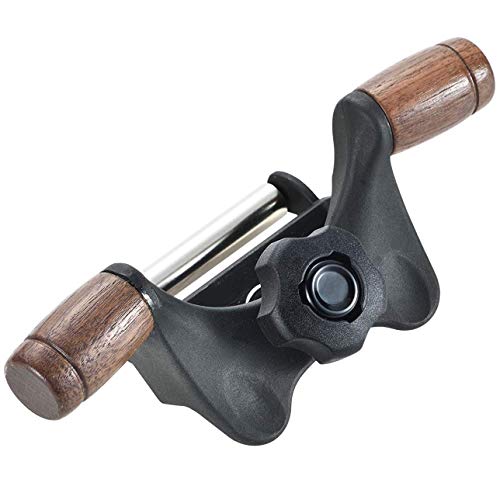
KAKURI Honing Guide Sharpening Jig

Sharp Pebble Honing Guide

Gohelper Chisel Sharpening Jig


Schaaf Tools Diamond Whetstone Knife Sharpener Complete Kit

Tormek SE-77 Square Edge Jig
More Details On Our Top Picks
Saker’s setup stands out because it pairs a honing guide with a whetstone and a diamond stone, so your bench starts with more than just a clamp. That mix suits someone who sharpens short chisels, knives, and plane irons around the house or in a small shop, where one compact kit matters more than a wall of separate accessories.
The off-center layout should help keep the tool riding predictably on the stone, though that style can feel a little different until your hand learns it. The honest read is that this kind of bundle makes sense for routine upkeep, but anyone who already owns favorite stones may not need the whole package.
Strong Points
- Includes both a whetstone and a diamond stone, so you can start sharpening without building a separate setup.
- Works across knives, short chisels, and plane tools, which gives your bench more reach from one kit.
- The guide format helps hold a steadier angle than freehand work, especially for casual maintenance.
- Compact enough for a garage shelf or a crowded workbench.
Points To Note
- The off-center design may take a short adjustment period before it feels natural.
- Bundled stones are handy, but they may duplicate gear you already own.
- Like most clamp-style guides, keeping the jaws clean helps the tool seat more consistently over time.
Core Details
Who It Suits Best
Home woodworkers who want one bundled sharpening setup for several edge tools will get the most out of it.
A Better Fit Elsewhere
KAKURI Honing Guide Sharpening Jig suits someone who works mainly with Japanese chisels and wants a more traditional tool feel.
KAKURI feels aimed at woodworkers who like the discipline of a simple, purpose-built guide. It’s especially relevant for Japanese plane blades and chisels, where angle control matters and a steady hold can save you from the guesswork that freehand sharpening often brings.
Made in Japan adds a small trust signal for people who already favor that tool tradition, though it also means the setup may feel most natural to users who know their way around those blades. For beginners, the learning curve is manageable, just not as plug-and-play as a more bundled kit like Saker.
What We Like
- Built for Japanese woodworking tools, so it lines up well with that blade style.
- Helps keep the sharpening angle steady, which supports cleaner, more repeatable results.
- Simple guide layout keeps the focus on control rather than extra parts.
- Useful for both professional carpenters and DIY shop work.
Room For Improvement
- More specialized than the broader Saker kit, so it may feel narrow for mixed tool collections.
- Works best when you already understand your sharpening angle and blade shape.
- Regular cleaning around the clamp area helps it stay smooth and predictable.
Feature Snapshot
Who Should Grab It
You’ll appreciate this most if your bench leans toward Japanese chisels, plane blades, and careful hand-tool work.
Another Choice May Suit
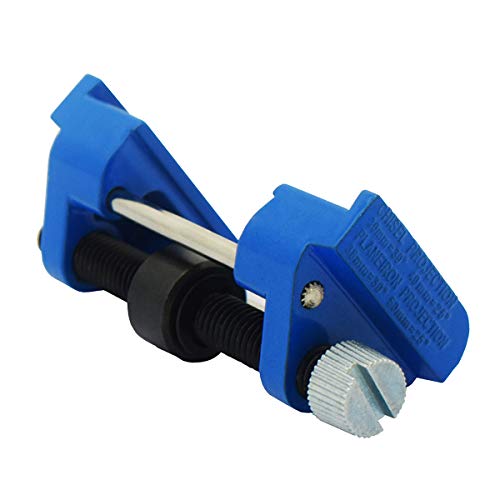
Sharp Pebble Honing Guide makes more sense for a mixed tool drawer because it covers a wider range of chisel and plane sizes.
Sharp Pebble leans into range, and that matters for anyone sharpening a mix of chisels and plane blades in a home shop. Its stated fit covers narrow chisels as well as larger planer blades, so you’re not locked into a single tool family.
That flexibility comes with a small trade-off, the guide needs to accommodate more blade sizes, so setup discipline matters a bit more than with a narrower specialty jig. For most hobby shops, though, that breadth is the point, especially when your tools don’t all come from the same drawer.
Highlights
- Broad size fit makes it useful for many common chisel and plane setups.
- Covers both small chisels and larger planer blades, which reduces the need for multiple jigs.
- Good match for mixed-purpose workshops where tool sizes vary.
- Helps bring consistency to repeated sharpening sessions.
Minor Gripes
- More range can mean more setup attention before each sharpening pass.
- Owners who sharpen only one tool size may not use the full capacity.
- Clamp surfaces should be kept clean so the guide seats evenly.
Details At A Glance
Best Suited To
Mixed-tool workshops and weekend woodworkers will get the most value from the broad fit range.
Swap It Out When
KAKURI Honing Guide Sharpening Jig is the better fit for someone focused on Japanese planes and chisels instead of general-purpose coverage.
Gohelper feels aimed at people who want more visual control over sharpening, not just a basic clamp. The included angle gauge gives you a clearer read on the bevel, which can be reassuring in a busy shop where you’re moving between chisels and planes.
The included stones also make the bundle feel complete, though that only helps if you wanted those extras in the first place. Compared with Sharp Pebble, this one leans harder into accessory support, and that suits hands-on users who like a fuller bench kit.
Reasons To Buy
- Angle gauge adds a clearer reference point for setting the edge.
- Wide width range gives you room for many chisel and plane sizes.
- Included stones make the package more immediately usable.
- Helpful for woodworkers who want a more guided sharpening routine.
Softer Spots
- More accessories mean more pieces to store and keep track of.
- The added parts may feel unnecessary if you already own stones.
- Angle tools work best when you keep the scale clean and easy to read.
Feature Card
Who Will Love This
Shops that want a fuller guide-and-stone package, with clear angle reference, will feel right at home here.
Look Elsewhere When
Gohelper Chisel Sharpening Jig, the stone-free version, makes more sense if you already have your own sharpening media.
This Gohelper version keeps the same basic guide shape but drops the stones, which changes the whole value story. That makes it a cleaner fit for anyone who already has preferred sharpening media and just wants the angle fixture plus clamping support.
Compared with the bundled Gohelper model above, this one is easier to slot into an existing sharpening bench. You may find that arrangement more sensible in a workshop that already has whetstones or diamond plates lined up, though it does ask you to own the rest of the system.
Bright Spots
- Stone-free packaging keeps the focus on the jig itself.
- Wide width range supports many chisel and plane blade sizes.
- Angle fixture gives you a more deliberate sharpening setup.
- Good choice for people who already have their own stones.
Areas To Watch
- You’ll need separate sharpening stones or plates to use it fully.
- Less complete than the bundled Gohelper kit for first-time setups.
- Like most clamp guides, it benefits from routine wipe-downs after use.
Technical Sheet
Built With In Mind
Woodworkers who already own stones and want a simple angle guide will get the most from this version.
Where A Sibling Pick Shines
Gohelper Chisel Sharpening Jig with two sharpening stones suits beginners more because it brings the whole setup together in one box.
Schaaf’s kit pushes beyond a simple honing guide, because it brings an adjustable base, a two-sided diamond stone, and a chisel guide together. That makes it a stronger fit for someone who sharpens knives and woodworking tools in the same space, then wants one organized station instead of scattered pieces.
The 400 and 1000 grit pairing gives you a coarser side for shaping and a finer side for refining the edge, which is a practical one-two step for regular workshop care. The trade-off is obvious: more setup, more parts, and more bench commitment than the lighter guides above.
Upsides
- Complete kit format reduces the need to source separate parts.
- Two-sided diamond stone supports both shaping and finer finishing.
- Adjustable base helps create a more stable sharpening station.
- Useful for mixed knife and woodworking-tool maintenance.
- Good match for users who want a more serious bench setup.
Honest Caveats
- More pieces mean more storage space and more cleanup after use.
- Overkill for someone who only wants a basic chisel guide.
- The full setup takes a little more bench planning than a compact honing tool.
Core Details
Whose Shelf It Belongs On
You’ll get the most from this kit if your bench handles several tool types and you want a more complete sharpening station.
Reach For A Different Pick When
Sharp Pebble Honing Guide is the simpler choice for someone who wants a broad-fit guide without committing to a larger kit.
Tormek’s SE-77 is built for a very different kind of sharpening day, the one where you care about tight edge geometry and repeatable square results. It’s designed for wood chisels and plane blades or irons, so it fits neatly into a grinder-based shop rather than a simple stone-on-bench routine.
That focus is a strength, and also the limit. You’re paying for a more specialized jig, so it makes the most sense for serious users who already work with a compatible sharpening machine and want a more controlled edge setup than the simpler guide styles offer.
Best Bits
- Square-edge focus supports careful chisel and plane blade work.
- Well suited to a grinder-driven sharpening station.
- Specialized design helps you chase repeatable edge geometry.
- Strong fit for more demanding workshop routines.
Small Caveats
- Less versatile than broader honing guides for casual use.
- Best suited to a compatible sharpening setup, not a simple stone-only bench.
- Specialized parts deserve careful storage so they stay aligned and easy to use.
Feature Rundown
The Right Fit
Serious woodworkers who already use a compatible grinder system will appreciate the control this jig is built to provide.
Skip It When
CARTLIFE Honing Guide makes more sense for a simpler bench setup that depends on stones and a clamp-style guide.
CARTLIFE is the straightforward utility choice in this group, with a clamp holder and a broad size range for both chisels and planer blades. That combination makes sense for someone setting up a practical sharpening corner on a tighter budget, especially when the goal is dependable guidance rather than a full accessory stack.
The clamp range reaches from small chisels to larger plane blades, so it covers a lot of everyday tool maintenance. The honest catch is that it doesn’t bring the extra polish or bundled extras you get from Gohelper or Schaaf, but for simple sharpening chores, that plainness can be a strength.
Positives
- Wide clamp range handles many common chisel sizes.
- Also works with planer blades, which adds versatility.
- Fixed-angle layout helps you keep sharpening more repeatable.
- Good fit for a simple, no-frills sharpening station.
Trade Offs
- Less feature-heavy than the more complete kits in this list.
- Best for people who are comfortable supplying their own sharpening media.
- Keeping the holder clean will help the clamp stay consistent from job to job.
Core Details
Made For
Budget-minded woodworkers and DIY shops that need a practical, wide-fit guide will feel comfortable with this one.
A Better Fit Elsewhere
Schaaf Tools Diamond Whetstone Knife Sharpener Complete Kit suits someone who wants the guide, stones, and base all in one place.
How To Choose The Right Chisel Sharpening Jigs
Match The Jig To Your Blade Mix
Start with the tools you sharpen most often. A guide that covers narrow chisels but skips wider plane blades can feel limiting in a mixed shop, while a broad-fit model like Sharp Pebble makes more sense for people moving between several edge sizes.
Blade width matters because the clamp has to seat evenly. Uneven seating can throw off the bevel, which is why a wider range is useful only when the mechanism still holds the tool squarely.
Pick The Right Amount Of Control
Some setups lean on a simple guide, others add an angle gauge or a full stone kit. More control helps when you care about repeatable geometry, but it also adds parts, setup time, and storage needs.
Straightforward guides suit quick touch-ups in a garage or basement shop. More elaborate kits fit a dedicated sharpening station where you don’t mind spending a few more minutes setting the work up.
Think About Your Sharpening Surface
Some jigs assume you already own whetstones or diamond plates, while others bundle those pieces for you. That difference sounds small on a listing page, yet it changes the whole value of the kit once it lands on your bench.
If your stones are already dialed in, a guide-only option may be the cleaner choice. When you’re starting from scratch, a fuller kit can save you from piecing together a matched setup later.
Choose For Your Shop Style
Busy woodworkers usually want quick clamping and easy cleanup. People who sharpen less often may prefer a simpler design that stays intuitive after a long break.
Grinder users tend to lean toward specialized jig systems like Tormek, while bench-sharpening woodworkers often do better with clamp-style honing guides. The right answer is the one that fits your workflow without asking you to rebuild the whole routine.
A Quick Reality Check
Hidden Buying Traps
Many shoppers overestimate how much accessory volume they need. A full kit looks reassuring, but a guide-only model can be the smarter move once your stones and plates are already sorted.
Another common miss is buying a jig that fits the wrong blade family. Japanese chisels, broad plane irons, and compact bench chisels all ask for slightly different handling.
What The Higher Tier Buys
More expensive jigs usually spend their extra cost on better control, more complete bundles, or compatibility with a dedicated sharpening machine. That’s what you see in Tormek and Schaaf, where the setup is built around a more deliberate workflow.
The upgrade makes sense when sharpening is a regular part of your shop rhythm. For occasional touch-ups, a simpler guide often leaves more room on the bench and in your budget.
Frequently Asked Questions
What does a chisel sharpening jig actually do?
It holds the blade at a steady angle while you work the edge against a stone or grinder. That steady positioning makes repeatable sharpening much easier.
Do you need a jig for every chisel size?
No, but the clamp has to fit the blade securely for the result to stay consistent. Wider-range guides are handy when your tool box holds several sizes.
Are guide-only models worth it?
Yes, especially when you already own stones or diamond plates. They keep the bench simpler and usually take up less storage space.
Which pick suits Japanese woodworking tools?
KAKURI Honing Guide Sharpening Jig is the clearest match in this group. It lines up with Japanese plane blades and chisels more naturally than the broader general-purpose options.
Should you choose a kit with stones included?
That helps when you’re starting fresh or want one matched setup. It matters less when your sharpening station already has the surfaces you prefer.
Closing Thoughts
Your best match comes down to how your shop actually works, not how ambitious the listing looks. Gohelper and Sharp Pebble suit mixed-tool benches, KAKURI serves Japanese hand-tool users well, and Tormek belongs with more specialized sharpening setups. A simpler choice like CARTLIFE can still be the right call for basic upkeep, especially when you want less fuss and fewer parts. Pick the jig that fits your habits, and sharpening starts feeling like a normal part of the day again.



