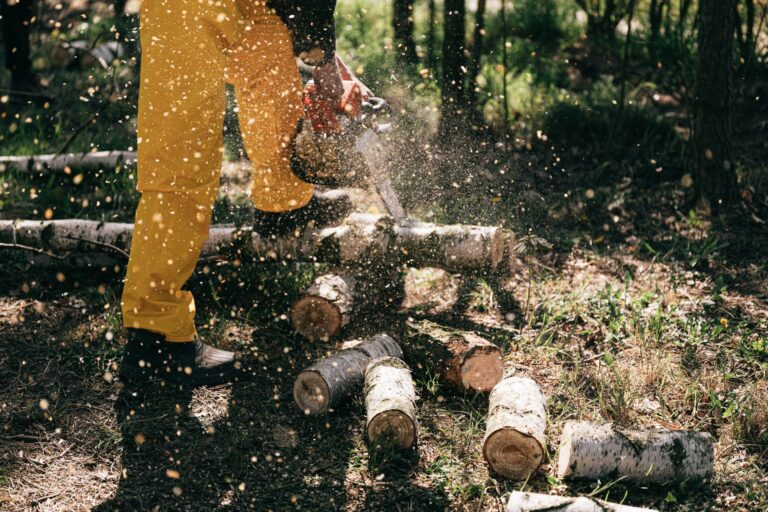
Splitting logs, trimming brush, and shaping firewood all ask for different kinds of control. The right chopping axe makes the work feel steady instead of awkward, especially when the wood is knotty or the stack is getting bigger than you planned.
This roundup focuses on axes with clear use-case differences, from heavy splitters to lighter carving-style tools. You’ll see which options fit a woodshed, a campsite, a yard cleanup day, or a careful carpentry job.
The Shortlist At A Glance
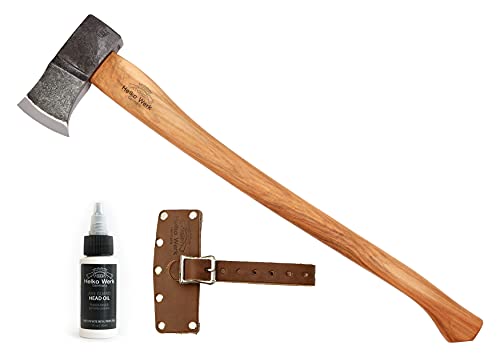
1844 Helko Werk Germany Traditional Saxon Heavy Log Splitting Axe 13588

1844 Helko Werk Germany Classic Tasmania Competition Racing Axe 10498

1844 Helko Werk Germany Förster Professional Light Felling Axe 10451

Fiskars 28-Inch Chopping Axe 3.5 Pounds

Fiskars 36-Inch Super Splitting Axe 6 Pounds
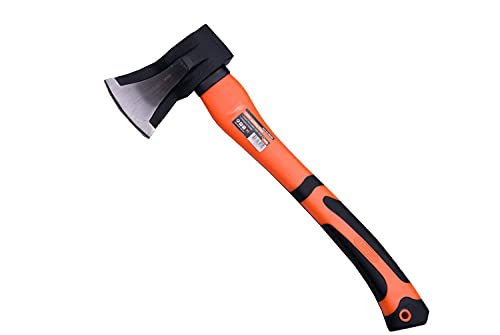
Edward Tools Wood Splitting Maul 17-Inch 3-Pound

Fiskars Brush Axe 10-Inch Curved Blade 19-Inch Handle

Husqvarna 596271201 20-Inch Wooden Curved Carpenter Axe
More Details On Our Top Picks
Heavy splitters like this make the most sense beside a woodpile, not in a cramped shed corner. With its 6-1/4-pound head and 31-inch handle, it leans into momentum, so seasoned firewood work gets easier than with a lighter camping axe.
The trade-off is clear enough, more mass asks for better storage discipline and more attention during swings. For households processing a lot of seasoned logs, the Saxon profile has the kind of authority that feels reassuring rather than flashy.
What We Like
- 6-1/4-pound head helps drive deep splits.
- 31-inch handle gives you more leverage for stacked firewood.
- Built for serious log splitting, not casual trimming.
- Longer tool length suits open-yard chopping spots.
- German build quality should appeal to owners who favor traditional tools.
Things To Consider
- Its weight is a poor match for light brush work.
- The longer format needs more storage space than a short hatchet.
- Maintenance matters, especially edge care after repeated hardwood use.
Feature Snapshot
Who It Suits Best
You get the most from this axe in a firewood stack, a rural yard, or a cabin setup where heavier splitting is part of the routine.
Where A Sibling Pick Shines
1844 Helko Werk Germany Förster Professional Light Felling Axe 10451 suits campers and property owners who want less heft than the Saxon model.
The Tasmania model sits closer to a felling tool than a pure splitter, so it makes sense for cutting standing timber and faster, cleaner swings. A 4-pound head and 31-inch handle create a more nimble feel than the heavier Saxon pick, which matters in longer work sessions.
You may find it more natural in open outdoor spaces than beside a dense firewood stack. It has a sharper job focus than the broader-use Fiskars 28-inch model, and that’s useful when you want a tool that tracks well through wood instead of just doing everything a little at once.
Highlights
- 4-pound head offers a quicker swing profile than heavier splitters.
- 31-inch handle supports controlled felling strokes.
- Suited to timber work, not just casual yard trimming.
- Works well for users who want a more athletic feel in hand.
Small Caveats
- It’s less specialized for thick split rounds than the Saxon axe.
- The racing focus may feel narrow for owners who want a single all-purpose tool.
- Edge upkeep matters for anyone using it through repeated cutting sessions.
Core Details
Whose Shelf It Belongs On
This fits experienced users who want a purpose-built felling axe for timber work, trail clearing, or property maintenance with room to swing.
Skip It When
1844 Helko Werk Germany Traditional Saxon Heavy Log Splitting Axe 13588 is the better choice for anyone whose main job is splitting dense firewood.
This one lands in a useful middle zone, lighter than the Tasmania model, but still more serious than a compact hatchet. With a 2.5-pound head and 28-inch handle, it gives you a friendlier carry weight for camping, brush work, and occasional felling around the property.
For people who move between woodshed chores and outdoor trips, that balance is the appeal. The honest read is that it won’t replace the heavy Helko splitter for deep logs, yet it feels easier to live with in mixed-use situations.
Bright Spots
- 2.5-pound head keeps the tool manageable over longer sessions.
- 28-inch handle is easier to pack than the larger 31-inch models.
- Useful for light felling, campsite use, and general outdoor cutting.
- Helps bridge the gap between a hatchet and a full-size axe.
Points To Note
- It’s not the right call for heavy log splitting.
- The lighter build may ask for more swings on dense wood.
- Storage is easier than with the longer axes, but edge care still matters.
Details At A Glance
Made For
You’ll like this most as a camp tool, a light property axe, or a backup piece for smaller cutting jobs.
Another Choice May Suit
Fiskars 36-Inch Super Splitting Axe 6 Pounds is the better fit for households that spend more time splitting large firewood rounds.
For most backyards, this is the kind of axe that feels easier to live with than a heavy splitter. The 28-inch length and 3.5-pound weight keep it in a manageable zone for kindling, garden cleanup, and general chopping without asking for the same effort as the larger Helko and Fiskars splitters.
That lighter, balanced feel can help in tighter work spaces where a long-handled maul would feel clumsy. It’s not the tool for the biggest logs, but it makes a sensible everyday companion for people who want one axe that stays useful across several smaller jobs.
Strong Points
- 3.5-pound weight keeps handling more approachable than the heavy splitters.
- 28-inch handle gives enough reach without feeling oversized.
- Useful for kindling, yard work, and smaller chopping tasks.
- Weight balance should appeal to people who want steadier swings.
Areas To Watch
- It won’t match the driving force of the 36-inch splitter.
- The shorter format gives up some leverage on thick rounds.
- Regular edge maintenance still matters, especially after garden use.
Quick Facts
Right Fit For
This suits homeowners, cabin users, and gardeners who want a straightforward axe for routine chopping instead of big logging sessions.
A Better Fit Elsewhere
1844 Helko Werk Germany Traditional Saxon Heavy Log Splitting Axe 13588 is better for anyone focusing on dense, chunky firewood.
This is the longest tool in the roundup, and that extra reach changes the feel of every swing. A 6-pound head and 36-inch handle give you serious leverage for medium to large logs, which is why it suits regular firewood work better than the shorter Fiskars 28-inch axe.
The FiberComp handle, a glass-fiber composite material, is meant to soften shock compared with a plain wood shaft, so repeated splitting can feel less harsh in the hands. The trade-off is size, because a 36-inch tool needs more room in storage and more care in transport, but that’s part of the package for bigger wood jobs.
Upsides
- 36-inch length gives you extra leverage for big rounds.
- 6-pound head adds strong splitting force.
- FiberComp handle should help reduce harsh impact feel.
- Well suited to firewood processing and yard cleanup.
- Built for users who want less time spent on stubborn logs.
Room For Improvement
- Its size is less convenient for compact sheds or small garages.
- The heavier build asks for more control and more storage space.
- Not the right tool for light camp chores.
Technical Sheet
Best Suited To
You get the most from this axe in a woodshed, a rural yard, or any setup where splitting medium to large firewood is a regular task.
Look Elsewhere When
Fiskars 28-Inch Chopping Axe 3.5 Pounds suits lighter household work and feels easier to move around.
Short mauls can make a lot of sense for kindling piles and smaller splitting jobs, especially when you want something with more mass than a camp hatchet but less bulk than a full-size axe. This one combines a 3-pound forged steel head with a 17-inch handle, so it reads as compact first and aggressive second.
The rubber sheath helps with covered storage, which is a practical touch for garages or tool bins. It won’t replace the long Fiskars splitter for big rounds, and that’s fine, because the appeal here is simpler handling and a smaller footprint.
Best Bits
- 3-pound head gives you more impact than a standard hatchet.
- 17-inch handle keeps the tool compact for storage and transport.
- Forged steel head should appeal to users who want a traditional metal feel.
- Rubber sheath makes it easier to stow safely in a tool area.
Softer Spots
- Short length limits leverage on larger logs.
- It’s more of a compact splitter than a do-everything axe.
- Sheath storage means you’ll want to keep track of the cover between uses.
Feature Card
Built With In Mind
This fits campers, garage users, and anyone who wants a small splitting tool for kindling or light wood prep.
Where A Sibling Pick Shines
Fiskars 36-Inch Super Splitting Axe 6 Pounds suits larger firewood jobs that need more leverage than this compact maul can deliver.
Brush axes work differently from splitting axes, and that’s the point here. The 10-inch curved blade and 19-inch handle are shaped for clearing branches, light overgrowth, and campsite cleanup, so you get a tool that feels closer to a field machete than a log splitter.
For trail work or hunting camp bags, the included safety sheath matters because it makes storage less awkward. You may find the shorter handle less comfortable for long sessions on thick brush, but it stays easy to pack and easy to grab for quick clearing jobs.
Reasons To Buy
- Curved 10-inch blade suits branch clearing and brush cutting.
- 19-inch handle keeps the tool compact for travel.
- Safety sheath adds a practical storage layer.
- Good match for camping, hunting, and yard edge cleanup.
Minor Gripes
- It isn’t built for splitting large logs.
- Shorter reach can feel limiting on thicker growth.
- The sheath is one more piece to keep track of in the field.
Feature Rundown
Who Will Love This
This suits campers, hunters, and property owners who need a compact clearing tool rather than a traditional wood splitter.
Another Choice May Suit
Husqvarna 596271201 20-Inch Wooden Curved Carpenter Axe is the better fit for detail work that asks for more precision than brush clearing.
This is the most precision-minded tool in the list, and it shows in the curved carpenter’s head. The hand-forged axe head is meant for fine control during carpentry projects, so it suits shaping work, detail cuts, and careful material removal better than the more forceful splitters above it.
The 20-inch wooden handle gives you a classic feel that makes sense in a workshop or a tidy jobsite. The honest trade-off is that it’s not a broad-purpose chopping axe, yet for users who want control over brute force, that limitation is part of the appeal.
Positives
- Curved carpenter’s head supports careful, precise work.
- Hand-forged head adds a traditional tool feel.
- 20-inch handle gives a compact, manageable profile.
- Well matched to carpentry, shaping, and controlled cuts.
Worth Noting
- It’s not built for heavy splitting duties.
- Wooden handles usually ask for sensible storage in dry spaces.
- The specialization is a plus for detail work, but less useful for rough yard chores.
Core Details
Built For
You’ll get the most from this axe in a workshop, a timber frame project, or any task where clean control matters more than raw splitting force.
Reach For A Different Pick When
Fiskars Brush Axe 10-Inch Curved Blade 19-Inch Handle is the better match for clearing branches and field growth.
How To Choose The Right Chopping Axes
Match The Head To The Job
Head weight changes the whole feel of the tool. A 6-1/4-pound splitter like the 1844 Helko Werk Germany Traditional Saxon Heavy Log Splitting Axe drives deep into seasoned rounds, while a 2.5-pound model such as the Förster Professional Light Felling Axe moves with less effort and more speed.
Heavier heads help with dense wood and fewer swings. Lighter heads suit trail work, camp use, and users who care more about control than brute force.
Length Shapes Reach And Fatigue
Handle length affects leverage and storage at the same time. A 36-inch axe gives you more swing path and more force transfer, while a 17-inch maul is easier to pack into a garage, truck bed, or camp setup.
Longer tools suit open spaces and bigger logs. Shorter tools make sense for tight yards, smaller hands, and jobs that don’t need a full arc.
Match The Blade Style To The Surface
Splitting axes, felling axes, brush axes, and carpenter’s axes all solve different problems. The Fiskars Brush Axe’s curved blade suits branches and overgrowth, while the Husqvarna carpenter’s axe is built for precise shaping rather than rough chopping.
That distinction matters more than brand loyalty. Pick the blade shape that matches your main task, or you’ll spend energy fighting the wrong design.
Think About Storage And Carrying
Handle material and overall size change how easy a tool is to keep on hand. A FiberComp handle on the Fiskars 36-inch splitter adds a modern feel, while the wooden-handled Husqvarna asks for dry storage and a little more care.
For cabin owners, campers, and people with small tool sheds, those details matter fast. A tool that’s awkward to store often gets used less, even when the cutting head is excellent.
Things Worth Knowing First
Mistakes Worth Dodging
Many shoppers choose by length alone and miss the role of weight and head shape. A long handle does not automatically make an axe better for every job, especially when you only need kindling or branch cleanup.
Another common slip is buying a heavy splitter for camp duty. That usually leaves you with extra bulk and more fatigue than you planned for.
The Upgrade Payoff
Higher-tier axes often cost more because of head forging, handle construction, and more specialized geometry. Those details can improve comfort, edge control, and how confidently the tool bites into wood.
The upgrade makes sense when you split firewood often, work with denser logs, or want a tool that stays more predictable over long sessions. For occasional yard chores, a simpler model may already cover the job without adding weight you won’t use.
Frequently Asked Questions
What Makes A Chopping Axe Different From A Felling Axe?
A chopping axe is usually discussed by job first, while a felling axe is shaped more for bringing down standing timber. The head profile, length, and balance tell you which task the tool is really meant to handle.
How Much Handle Length Do You Actually Need?
Longer handles add leverage and can make splitting easier. Shorter handles are easier to store, carry, and control in tighter spaces.
Are Heavier Axes Always Better For Firewood?
No, heavier axes help with force, but they also demand more control and more energy. A lighter axe can be the smarter choice for smaller rounds, camp use, or longer work sessions.
Should You Choose A Wooden Or Composite Handle?
Wood gives a classic feel and often suits users who want a traditional touch. Composite handles usually make more sense when impact feel and low-maintenance handling matter more than tradition.
Can One Axe Cover Splitting, Brush, And Carpentry?
One tool can cover a little of everything, but it won’t shine in every role. A dedicated design usually feels better, whether you’re splitting firewood, clearing brush, or shaping wood by hand.
Final Thoughts
The right axe depends less on brand names than on how you work. For heavy firewood, the Helko Werk splitters and the Fiskars 36-inch model bring real leverage, while the brush axe and carpenter’s axe make more sense for lighter, more specific tasks. A balanced all-rounder like the Fiskars 28-inch model fits many yards, but the honest answer is still about your routine, your storage space, and how much force you want to carry in each swing. Pick the shape that matches your chores, and the tool will feel far more useful from the first stack of wood onward.