

Cinder block walls and masonry joints ask for the right kind of care, not just any tube on the shelf. You want something that matches the crack size, the surface texture, and the kind of exposure your wall sees in a driveway, basement, garage, or exterior step. The eight picks below cover repair fillers, flexible sealants, and penetrating sealers, so you can match the product to the job instead of forcing one formula to do everything.
Quick Look At The Shortlist

DAP Liquid Cement Crack Filler 32 Oz

DAP Concrete and Mortar Filler and Sealant 10.1 Oz

DAP ElastoPatch Textured Flexible Patching Compound 10.1 Oz

DAP Textured Concrete Premium Elastomeric Filler Sealant 10.1 Oz

DAP AMP Concrete Sealant 9 Oz

SIKA Sikaflex Concrete Fix Limestone 10.1 fl oz

MasonryDefender Concrete Sealer 2.5 Gallon
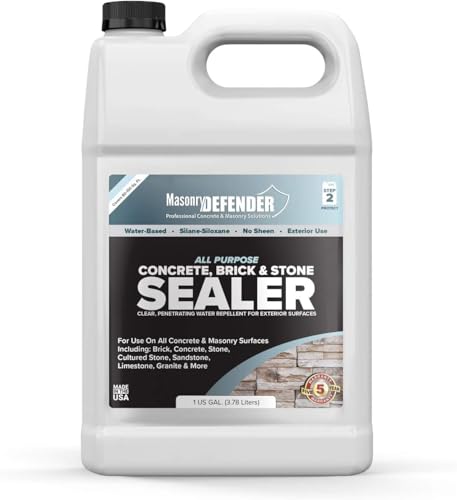
MasonryDefender All Purpose Brick Stone Concrete Sealer 1 Gallon
More Details On Our Top Picks
For narrow cracks along a cinder block wall, this ready-to-use filler keeps the process plain and manageable. The 32 oz bottle suits small repair jobs in a garage, basement, or along a patio edge, where you want a targeted fill instead of a full resurfacing project.
The gray finish helps it sit close to concrete and mortar tones, which matters on exposed walls that you still see every day. The trade-off is simple, though, it leans toward crack filling rather than broader sealing, so larger movement joints call for a different kind of product.
Strong Points
- Ready-to-use format keeps prep light.
- Gray color blends with common masonry tones.
- 32 oz size suits spot repairs around the home.
- Useful for walls, steps, and similar concrete details.
Things To Consider
- Better for cracks than wider moving joints.
- Smaller container size may not suit bigger exterior runs.
- Surface cleanup still matters, especially on dusty masonry.
Feature Snapshot
Who It Suits Best
Homeowners handling small, visible crack repairs on block, concrete, or mortar usually get the most from this bottle.
Where A Sibling Pick Shines
For wider joints or outdoor spots that need more flexibility, DAP AMP Concrete Sealant suits the job better.
This DAP tube leans into the kind of small repair work that shows up around mortar lines and concrete seams. Compared with the larger bottle above, the 10.1 oz size is easier to store in a toolbox and better suited to one-off fixes.
It makes sense for cinder block hairlines, stair edges, and patchy spots where you want a direct bead without hauling out a bulk container. The honest read is that compact packaging keeps it handy, but it also means you may reach for a larger option sooner on bigger walls.
What We Like
- Small tube format is easy to store.
- Useful for concrete and mortar touch-ups.
- Gray tone fits common masonry repairs.
- Good match for quick maintenance tasks.
Room For Improvement
- Smaller capacity limits larger repair projects.
- Less convenient for long seam runs.
- Tool cleanup still matters after use.
Core Details
Built With In Mind
Apartment maintenance, small home repairs, and tool-box carry make the most sense here.
Another Choice May Suit
DAP Liquid Cement Crack Filler makes more sense for larger spot repairs where a bottle format helps you cover more ground.
ElastoPatch stands out more for surface character than for plain crack filling. The textured formula suits patches that need to blend into a finished wall, especially in places where a flat repair would look out of step with the surrounding masonry.
Compared with the first two DAP picks, this one is less about volume and more about matching the look of the surface. The off-white tone and flexible feel make it appealing for interior touch-ups or covered exterior spots, though the pack format is less handy for a single tiny fix.
Highlights
- Textured finish helps repairs blend better.
- Flexible compound suits minor movement in the surface.
- Off-white tone works for lighter masonry details.
- Pack of two helps with repeat repairs.
Softer Spots
- Best visual match depends on the wall color.
- Pack count may be more than a single repair needs.
Feature Card
Who Will Love This
You get the most value from this one in spaces where the repair has to look a little more finished, not just filled.
Look Elsewhere When
For plain gray block seams, DAP Concrete and Mortar Filler and Sealant is the simpler fit.
Elastomeric means the material is built to stretch a bit with movement, which helps on cinder block and concrete that shift with weather and seasonal change. That makes this pick feel more serious than the basic fillers above, especially for hairline cracks that keep reopening.
The textured finish gives it a better shot at blending into rough surfaces, so it works well on visible walls, porch steps, and other spots you keep seeing. The trade-off is that a more specialized formula usually makes sense only where flexibility and appearance both matter.
Upsides
- Elastomeric formula adds useful stretch.
- Textured body helps with rough masonry surfaces.
- Gray finish suits common concrete areas.
- Better fit for recurring minor movement.
Points To Note
- More specialized than a basic filler.
- Best value shows up on moving cracks.
- Visible repairs still need careful application.
Details At A Glance
Perfect Match For
Homeowners dealing with repeated hairline cracks on exterior block or concrete usually get the most from this tube.
Where A Sibling Pick Shines
For deeper coverage or broad sealing over a driveway, MasonryDefender Concrete Sealer is the stronger match.
This AMP formula is the most clearly built for harder outdoor conditions in the group. The listing points to a hybrid polymer blend, which usually matters because hybrid sealants aim for a mix of flexibility and adhesion on concrete and masonry.
It also stands apart for temperature range coverage from 0 to 140 degrees, which is useful for driveways, sidewalks, garage transitions, and exterior steps that see seasonal extremes. The catch is that a stronger formula is often the better fit only when the repair area actually faces that level of exposure.
Bright Spots
- Hybrid polymer formula broadens use cases.
- Temperature range suits severe weather swings.
- Useful on driveways, steps, and sidewalks.
- Gray color keeps the look restrained.
Minor Gripes
- 9 oz size is still fairly compact.
- More capability than a basic patch may need.
- Exterior prep still matters for adhesion.
Spec Overview
Whose Shelf It Belongs On
Outdoor maintenance projects with driveway, step, or sidewalk exposure are the natural home for this sealant.
Skip It When
DAP Liquid Cement Crack Filler makes more sense for smaller, simpler crack filling where you do not need the extra weather range.
Sikaflex is the most finish-friendly option in the group, especially because it’s paintable and built from polyurethane, a sealant base known for staying elastic after curing. That matters around visible joints on cinder block, where you may want the repair to disappear under paint instead of standing out as a patch.
The limestone color gives you another routing choice when gray would feel too heavy on lighter masonry. It feels a touch more tailored than the DAP fillers above, though the same precision also means it rewards a cleaner, more careful application.
Reasons To Buy
- Paintable finish helps with visible repairs.
- Polyurethane base supports flexible sealing.
- Limestone color offers a lighter visual option.
- Strong fit for cracks and joints alike.
Worth Noting
- Best results depend on neat application.
- Limestone color may not suit darker block.
- More tailored than a plain utility filler.
Feature Rundown
Who Should Grab It
Visible masonry repairs where paint matching matters are the clearest match for this SIKA tube.
Where A Sibling Pick Shines
DAP AMP Concrete Sealant suits you better for harsher outdoor exposure and a more rugged repair plan.
This MasonryDefender sealer takes a different route from the tube-style fillers above, since it is built to penetrate rather than sit on top of the surface. The silane siloxane chemistry points to a water-repelling approach that keeps the concrete’s natural appearance intact, which is useful on driveways, sidewalks, and patios.
For larger areas, the 2.5 gallon size gives you a much more practical format than a small cartridge. You give up spot-repair precision, though, so it makes the most sense when your goal is broad surface treatment rather than a single crack.
Best Bits
- Penetrating format keeps the surface look natural.
- Clear, non-glossy finish suits exposed concrete.
- Large container helps with broader areas.
- Well matched to driveways and patios.
Areas To Watch
- Not meant for narrow crack filling.
- Large format takes storage space.
- Application makes more sense on broader jobs.
Technical Sheet
The Right Fit
Property upkeep on broad outdoor concrete surfaces suits this container size and penetrating approach best.
Swap It Out When
For a small wall crack or seam, DAP Concrete and Mortar Filler and Sealant is the easier, more direct match.
This all-purpose sealer is aimed at outdoor masonry surfaces that need broad, transparent protection without changing the look of the brick, stone, or concrete. That makes it a handy option for mixed-material exteriors, where one part of the wall may be brick and another part concrete block.
Compared with the larger 2.5 gallon MasonryDefender container above, this 1 gallon size is easier to handle for medium projects and smaller perimeter jobs. It’s less about raw coverage and more about a balanced middle ground, which suits homeowners who want one sealer for several exterior surfaces.
Positives
- Transparent finish preserves the surface look.
- Useful across brick, stone, and concrete.
- Good fit for outdoor masonry surfaces.
- 1 gallon size suits mid-sized projects.
Small Caveats
- Does not fill cracks like a sealant tube.
- Best value depends on mixed-surface needs.
Core Details
Made For
You get the best fit here on mixed exterior masonry where you want a single clear coating across several materials.
A Better Fit Elsewhere
MasonryDefender Concrete Sealer suits you better for larger single-surface coverage on plain concrete areas.
How To Choose The Right Cinder Block Sealants
Match The Formula To The Job
Crack fillers, elastic sealants, and penetrating coatings do different jobs. A filler like DAP Liquid Cement Crack Filler suits narrow openings, while a penetrating sealer such as MasonryDefender Concrete Sealer works better on broad surfaces that need water resistance without a visible film.
Movement matters too. A concrete wall that stays mostly still can handle a simpler patch, while joints that open and close with temperature shifts usually benefit from a flexible or elastomeric formula.
Think About Visibility And Finish
Color and texture matter on exposed block. Gray blends into common masonry, off-white can suit lighter repairs, and paintable formulas like SIKA Sikaflex Concrete Fix help you hide the repair later.
Textured compounds can disappear better on rough surfaces than smooth, glossy-looking beads. That makes appearance-focused products worth the extra attention in entryways, steps, and front-facing walls.
Size Should Match The Scope
Small tubes are handy for spot repairs and easier storage, while gallon or multi-gallon containers make more sense for patios, driveways, and full wall treatments. The right size saves you from buying too much material for a tiny fix, or too little for a larger section.
Storage also matters after the job. A compact cartridge is easier to keep clean and organized, but larger sealers are more efficient for property-wide maintenance where you need steady coverage.
A Quick Reality Check
Common Shopping Slip Ups
Many people reach for a general filler when the surface actually needs flexibility or deeper sealing. That mismatch can leave you with a repair that looks fine at first, then starts to show movement again around the edges.
Another common miss is ignoring surface size. A small tube suits a crack, but a whole patio or long block wall usually calls for a larger container or a penetrating sealer.
What The Higher Tier Buys
More expensive options in this category usually bring stronger formulas, better flexibility, or broader surface compatibility. That extra cost often shows up in materials like hybrid polymers, polyurethane, or penetrating silane siloxane blends.
You feel the difference most on exposed exterior work, recurring hairline cracks, and mixed masonry surfaces. For a small indoor patch, basic filler is often enough, so the upgrade only earns its keep when the job has real movement or weather exposure.
Frequently Asked Questions
Can You Use Cinder Block Sealants On Basement Walls?
Yes, many of the fillers and sealers here suit basement concrete or block repairs. Surface prep still matters, especially on dusty or damp-looking masonry.
What Is The Difference Between A Filler And A Sealer?
A filler closes gaps and cracks, while a sealer protects the surface or helps resist moisture entry. The right choice depends on whether you need to repair an opening or coat a broader area.
Do You Need Paintable Sealant For Visible Repairs?
Paintable sealant helps when the repaired area must blend with a finished wall. It gives you more control over the final look than a plain gray bead.
Which Option Works Best For Large Outdoor Areas?
A penetrating sealer like MasonryDefender Concrete Sealer or MasonryDefender All Purpose Brick Stone Concrete Sealer suits large exterior areas better. Small tubes are more practical for cracks and joints.
Can Flexible Sealants Handle Movement In Concrete?
Flexible and elastomeric formulas are built for surfaces that shift a little over time. They make more sense than rigid fillers on joints that keep opening and closing.
Final Thoughts
Your best choice depends on the job in front of you, not just the brand on the label. Small cracks call for compact fillers, visible repairs benefit from paintable or textured formulas, and wide outdoor surfaces need a penetrating sealer with enough volume to cover the area cleanly. The DAP and MasonryDefender picks give you a sensible spread of options for concrete, block, mortar, and mixed masonry. Choose the one that matches the surface you see every day, and the repair feels much more straightforward.



