

Some pulling jobs are small, awkward, and too heavy for guesswork. That’s where a come along earns its keep, whether you’re moving a stuck vehicle, tightening fence wire, or dragging logs across rough ground. The right choice comes down to cable length, gear feel, hook setup, and how much manual control you want. These eight picks cover sturdy hand pullers, chain hoists, and a cordless capstan option for different kinds of work.
Quick Look At The Shortlist

VEVOR Come Along Winch 5 Ton 11.5 ft Steel Cable 3 Hooks
3 Ton Ratchet Puller With 35′ Of 5/16′ Amsteel Blue

VEVOR Rope Puller 3/4 Ton 100 ft Rope 2 Hook Come Along Winch

VEVOR Come Along Winch 2 Ton 12 ft Steel Cable 2 Hooks

Come Along Winch 2 Ton Capacity 12FT Steel Cable Heavy Duty Come Along Tool

VEVOR Manual Lever Chain Hoist 1-1/2 Ton 10 FT Come Along

SuperHandy Portable Capstan Winch 2000 lb Pull Portable Rope Winch
Come Along Winch 5 Ton Manual Cable Puller 10 ft Steel Cable 3 Hooks
More Details On Our Top Picks
This VEVOR puller leans hard into brute strength, with a 5 ton pull rating and a 11.5 ft steel cable that suits vehicle recovery and other stubborn jobs. The dual-gear setup gives you more controlled movement than a plain hand tugger, though the trade-off is that you’ll feel every load through the handle. Three hooks also make it easier to set up around different anchor points in a driveway or shop.
For farm work, garage rescue, or fence tensioning, that extra capacity matters more than flashy extras. Compared with the lighter VEVOR rope puller below, this one is the better fit for heavier, shorter pulls where steel cable and hook count matter more than rope reach.
Strong Points
- 5 ton pull rating suits heavier recovery tasks.
- 11.5 ft cable keeps setup straightforward in tighter spaces.
- Dual gears help you work with more control.
- Three hooks add flexibility at anchor points.
- Steel cable is a familiar choice for rough-duty work.
Things To Consider
- Steel cable usually asks for more care than rope when you store it.
- Shorter reach can feel limiting on larger pull paths.
- Heavy-duty gear like this can feel less forgiving for casual use.
Feature Snapshot
Who It Suits Best
You’ll get the most from this one in a garage, yard, or work site where heavy loads and short, controlled pulls are common.
A Better Fit Elsewhere
SuperHandy Portable Capstan Winch 2000 lb Pull Portable Rope Winch suits field crews who want powered rope handling instead of a manual ratchet puller.
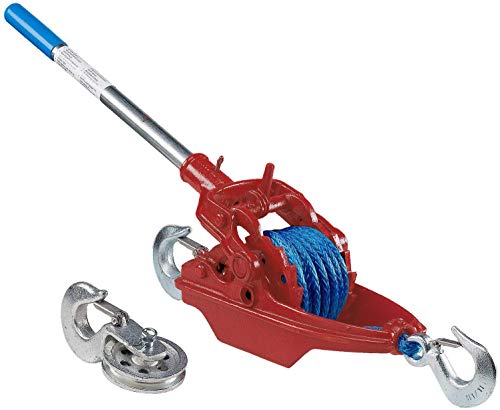
Long reach changes the feel of a puller, and this Wyeth model is built around that idea. The 35 ft Amsteel Blue line gives you room to work farther from the anchor, which helps on larger properties or awkward recovery angles where a short cable feels cramped. Ductile iron and steel construction should appeal to you if durability matters more than light weight.
The trade-off is simple: synthetic line is easier to handle than steel cable, but you’ll want to keep an eye on abrasion and storage habits. Compared with the heavy VEVOR 5 ton unit, this one is more about distance and manageable line handling than raw capacity.
What We Like
- 35 ft line gives you generous working reach.
- Amsteel Blue is easier to manage than many steel cables.
- Ductile iron and steel parts suit rough use.
- Good match for bigger spans and offset pulls.
Room For Improvement
- Long synthetic line can need more storage care.
- Capacity is below the 5 ton picks here.
- Source details are sparse, so the fit is more about line length than extras.
Details At A Glance
Who It Suits Best
This fits you well if your work area is spread out and you want more line length than the average hand puller offers.
Look Elsewhere When
VEVOR Come Along Winch 5 Ton 11.5 ft Steel Cable 3 Hooks is the stronger match for heavier vehicle rescue or shorter, harder pulls.
This VEVOR rope puller trades raw capacity for reach, and that makes sense for towing boats, moving logs, or setting anchors across a wide area. Its 100 ft rope gives you room to work without constantly repositioning, which can feel like a relief on open property or at the water’s edge. Two hooks keep the setup simple, and the lighter 3/4 ton rating suits jobs that don’t demand the muscle of the 5 ton picks.
You’ll probably like this more than the steel-cable models above if you value line length and easier handling over heavy recovery force. The honest read is that it’s a better fit for moderate work where distance matters more than brute strength.
Bright Spots
- 100 ft rope gives you excellent reach.
- Good for boats, logs, and general outdoor pulling.
- Two hooks keep the rigging simple.
- Lighter setup can suit users who want easier handling.
Minor Gripes
- 3/4 ton capacity is modest beside the heavier options here.
- Long rope can take more storage space.
- Large outdoor jobs may still ask for a stronger puller.
Core Details
Built With In Mind
This suits you best for lakeside hauling, light property work, or outdoor jobs where reach matters more than maximum pull.
Another Choice May Suit
Wyeth 3 Ton Ratchet Puller With 35′ Of 5/16′ Amsteel Blue is the better fit for a shorter but stronger hand pull.
This 2 ton VEVOR puller keeps the formula familiar, but trims the size and capacity for more everyday garage work. Dual gears help the load feel more controlled, and the 12 ft steel cable is enough for recovery tasks where you’re working close to the anchor. It fits the kind of job that comes up on a driveway, around a trailer, or beside a fence line.
Compared with the 5 ton VEVOR above, you give up headroom and some margin for tougher pulls, but the lighter format can feel easier to manage. One thing worth considering is that steel cable benefits from tidy storage and periodic inspection, especially after dirty outdoor work.
Upsides
- 2 ton capacity covers a lot of routine manual pulls.
- 12 ft cable keeps the setup compact.
- Dual gears add a more controlled feel.
- Two hooks give you basic rigging flexibility.
Softer Spots
- Shorter cable limits how far you can work from the anchor.
- It’s less suited to the heaviest recovery jobs in this list.
- Steel cable needs regular care after muddy or wet use.
Feature Rundown
Right Fit For
You’re in the sweet spot with this one if you want a straightforward puller for garage, trailer, or yard tasks.
Where A Sibling Pick Shines
VEVOR Come Along Winch 5 Ton 11.5 ft Steel Cable 3 Hooks makes more sense for heavier vehicle recovery and bigger loads.
This VOPEPZG puller leans into mixed chores, from fence stretching to log dragging and road vehicle recovery. The dual gear setup aims for smoother force transfer, while the anti-reversal locking detail helps keep the line in place between pulls. You also get a galvanized steel cable, so the finish is better suited to weather exposure than bare steel on a damp property.
Compared with the VEVOR 2 ton model just above, this one adds a more task-specific pitch for fences, frames, and general property work. The trade-off is that source details are a little more focused on materials and gear behavior than on broad accessory extras.
Positives
- 2 ton rating fits a broad range of manual tasks.
- Galvanized cable offers a more weather-ready finish.
- Anti-twist cable design helps the line stay orderly.
- Double-gear layout supports smoother pulling.
- Locking gear design adds peace of mind during use.
Areas To Watch
- Heavy manual use still calls for attention to setup and anchoring.
- Steel cable can be less convenient to coil and store than rope.
- Source information doesn’t spell out accessory extras beyond the core build.
Spec Overview
Whose Shelf It Belongs On
This fits you well if you split time between fence work, property cleanup, and light vehicle recovery.
Reach For A Different Pick When
Wyeth 3 Ton Ratchet Puller With 35′ Of 5/16′ Amsteel Blue is the smarter choice for longer reaches and a synthetic line setup.
Chain hoists feel different from rope or cable pullers, and this VEVOR model leans into that difference with a Weston double-pawl brake. A double-pawl brake uses two locking pawls, the small catch pieces that help hold tension, so the load stays more controlled during lifting or positioning. The 360° rotating hook and auto chain leading also make it easier to work in a garage, factory corner, or dock space where alignment matters.
Compared with the hand ratchet pullers in this list, this one makes more sense for controlled lifting than for long-distance dragging. The G80 galvanized carbon steel chain gives it a more industrial feel, though you’ll want to keep it clean and dry like any chain-driven tool.
Best Bits
- Chain hoist design suits controlled lifting and positioning.
- Weston double-pawl brake adds a secure feel.
- 360° hook rotation helps with alignment.
- Auto chain leading can make setup smoother.
- G80 galvanized chain points to heavy-use hardware.
Points To Note
- It’s more hoist than classic come along, so the use pattern is different.
- 10 ft reach is shorter than the rope-heavy options here.
- Chain gear works best with regular cleaning and dry storage.
Feature Card
Built With In Mind
You’ll appreciate this most in a garage or dock where precise load control matters more than long pull distance.
Skip It When
VEVOR Come Along Winch 5 Ton 11.5 ft Steel Cable 3 Hooks is the better match for vehicle recovery and heavier drag work.
The SuperHandy capstan style stands apart from the hand-crank tools above because it leans into powered rope handling. A capstan winch wraps rope around a rotating drum, which gives you continuous pulling motion instead of the stop-and-reset rhythm of a ratchet puller. For log work, field pulling, or recovery jobs away from the garage, that can feel far less tiring.
The catch is that this is a different tool category, so it fits your work better when powered rope control matters more than a compact manual lever. Compared with the VEVOR and VOPEPZG hand pullers, it’s the more modern-feeling option for outdoor work, though you’ll want to match it to your rope and job style.
Reasons To Buy
- Capstan design supports continuous rope pulling.
- Portable format suits field and outdoor use.
- 2000 lb pull rating fits moderate hauling tasks.
- Works well for logs and recovery chores.
- Less like a classic ratchet puller, more like a powered field tool.
Small Caveats
- It is not a traditional come along, so the feel is different.
- Rope handling and setup need the right habit pattern.
- Best results depend on matching the tool to field-style work.
Core Details
Who Should Grab It
This suits you best if you work outdoors and want powered rope control for logs, recovery, or property chores.
Swap It Out When
VEVOR Manual Lever Chain Hoist 1-1/2 Ton 10 FT Come Along fits better for controlled lifting in a fixed garage or dock space.
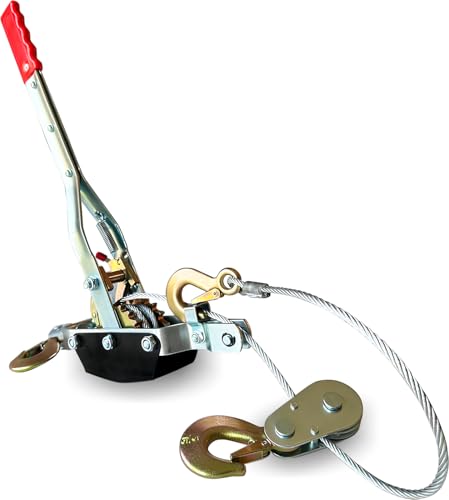
This Favorite-Trade puller looks built for tough manual work, with a 5 ton rating, a 10 ft steel cable, and three hooks for different anchor setups. That combination makes it useful for vehicle recovery, fence stretching, and other jobs where you want a compact but forceful hand tool. The dual gear structure should help the line feel more controlled than a basic single-gear puller.
Compared with the VEVOR 5 ton model, this one trims the cable length slightly, which can be a plus in tighter spaces. The honest read is that it suits you best when you want strong pulling in a shorter work zone and don’t need long reach.
Highlights
- 5 ton capacity supports demanding manual pulling.
- 10 ft cable keeps the tool compact.
- Three hooks give you useful setup options.
- Dual gear design should feel more controlled.
Worth Noting
- Shorter cable can limit flexibility on larger work areas.
- Steel cable usually benefits from careful storage.
- Source details stay focused on the core tool rather than extras.
Technical Sheet
The Right Fit
This belongs on your shortlist if you want the strongest manual puller here without moving into a powered tool.
Not Your Match When
SuperHandy Portable Capstan Winch 2000 lb Pull Portable Rope Winch suits you better for powered field pulling and log work.
How To Choose The Right Come Along Winches
Start With The Job, Not The Label
A come along can mean a lot of different things in practice, from a compact hand puller to a chain hoist or capstan winch. Vehicle recovery leans toward higher capacity and shorter cable runs, while fence stretching and property cleanup can benefit from lighter tools with longer reach. Match the tool to the job before you chase a number on the listing.
That’s the quickest way to avoid overbuying. A 5 ton model makes sense for stubborn pulls, but a 3/4 ton rope puller can be easier to live with for lighter outdoor work.
Pay Attention To Line Type And Reach
Steel cable and synthetic rope behave differently, and that changes how the tool feels in use. Steel cable suits rough, direct pulling, while synthetic rope is lighter to handle and often easier to coil after a long day outside. Longer reach matters on larger properties, though extra line also means more storage space and more chance to keep tidy habits or deal with tangles.
The rope puller in this list shows the value of reach, while the shorter cable models are better for tighter recovery setups. Choose the line style that fits your own space, not the one that sounds most rugged.
Look Closely At Gears, Hooks, And Brakes
Dual gears, locking systems, and brake designs affect how smooth and secure the pull feels. A double-pawl brake on a chain hoist helps hold tension during lifting, while anti-reversal gear features on a hand puller help prevent unwanted slip-back. Those details matter more than decorative extras when you’re under load.
Hook count also shapes day-to-day use. Three hooks give you more rigging flexibility than two, which can save time around odd anchor points or uneven terrain.
Balance Portability With Control
Manual pullers are simple and travel well, which makes them easy to keep in a truck bed or garage. Powered capstan units go a different direction, giving you a smoother pull pattern for field work but asking you to think more carefully about the whole setup. Chain hoists sit in their own lane, where controlled lifting matters more than dragging.
The right balance depends on how often you’ll move the tool and how much control you need at the load point. For occasional work, a basic hand puller may be enough, but regular heavy use can justify stepping up.
A Quick Reality Check
Common Shopping Slip Ups
Many people focus on capacity alone and miss the importance of line length, hook count, and storage habits. A strong puller can still feel awkward if the cable is too short for your space or the rope needs more care than you want to give it.
Another common miss is choosing a tool that looks close to the job but works differently in practice. A chain hoist is useful, but it won’t replace a manual cable puller for dragging a vehicle across rough ground.
When Paying More Pays Off
Higher-tier models usually cost more because they use stronger materials, smarter gear systems, or more specialized braking and hook designs. That extra money often buys smoother control, better load handling, and less frustration during repeated use.
The upgrade makes sense when you work with heavy loads, awkward anchors, or frequent pulling tasks. For occasional light work, a simpler model can be the smarter spend.
Frequently Asked Questions
What does a come along actually do?
A come along is a manual pulling tool that helps you tighten, move, or position heavy objects. People use it for recovery, fence work, log movement, and other controlled pulling jobs.
Is steel cable better than rope?
Steel cable usually suits rough, direct work and feels familiar in hard-use settings. Rope can be easier to handle and store, especially for longer reaches or outdoor jobs.
How much capacity do you need?
That depends on the load and the type of job, but heavier recovery tasks call for more headroom. Lighter property work can often be handled by smaller ratings with less bulk.
Can a chain hoist replace a come along?
A chain hoist and a come along overlap, but they serve different kinds of control. A chain hoist is better for lifting and positioning, while a come along is often used for pulling and tensioning.
What maintenance matters most?
Keep the cable or chain clean, dry, and neatly stored after use. Regular inspection also helps you spot wear before it becomes a hassle in the middle of a job.
Final Thoughts
The right come along depends on how you work, not on the biggest number on the page. Heavy recovery calls for the stronger VEVOR and Favorite-Trade manual pullers, while long reach points you toward the Wyeth unit or the VEVOR rope puller. If you need controlled lifting, the VEVOR chain hoist makes more sense, and the SuperHandy capstan winch fits a different kind of outdoor pulling altogether. Pick the tool that matches your space, your load, and how much control you want in your hands.



