Concrete block work asks for the right bond, not just a strong label. You may be fixing landscape blocks, setting anchors, patching cracks, or joining masonry where moisture and rough texture make ordinary glue feel flimsy. This roundup keeps the focus on products that fit those jobs in practical ways, from fast grab tubes to mix-in bonders and crack fillers. The goal is simple, help you match the adhesive to the kind of block work you actually face.
Quick Look At The Shortlist
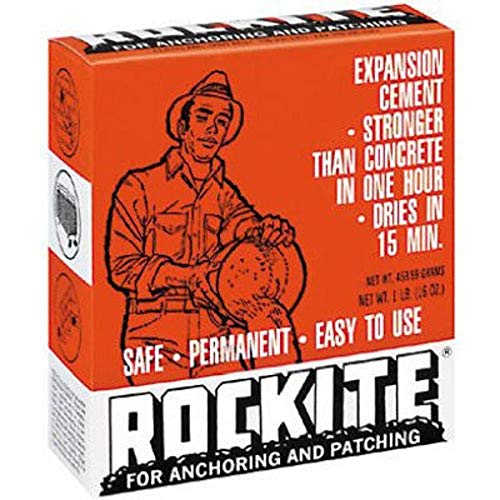
HARTLINE 10001 Rockite Expansion Cement 15 Min 1 Lb

Loctite PL Premium Fast Grab Construction Adhesive
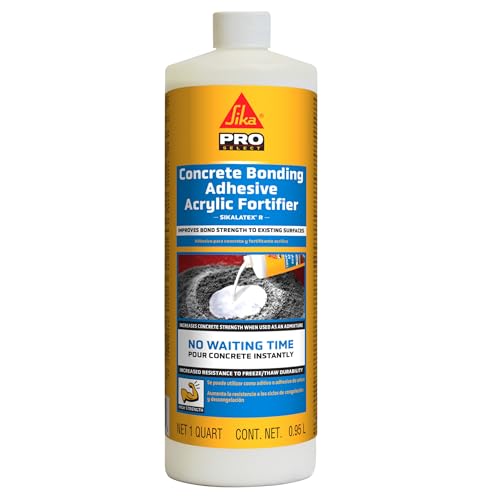
SIKA SikaLatex R Concrete Adhesive Glue 1 Quart

Liquid Nails LN-905 Landscape Block Adhesive

SikaBond Construction Adhesive Gray 10 fl. oz
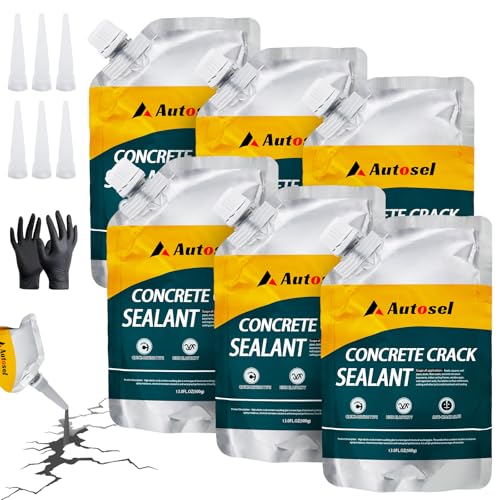
Autosel Concrete Crack Filler 6 Pack

Bellisinno Heavy Duty Construction Adhesive 7.4 Ounce

professional soma fix Fast Curing Anchoring Adhesive 10.1 fl. oz
More Details On Our Top Picks
Rockite leans toward anchoring jobs rather than simple surface bonding, so it suits concrete block repairs where you need a set point that feels firm and permanent. The 15-minute setting window gives you some working room, though that speed also asks for clean prep and a clear plan before you mix.
Compared with the tube-style options later in this list, this one feels more specialized and less casual. For post bases, bolts, and similar hardware set-ins, that focus matters more than a flexible all-purpose label.
Strong Points
- Fast setting helps you move from placement to support without a long wait.
- Works well for anchor-style concrete block jobs where a rigid bond matters.
- Small 1 lb size suits repair work that does not need a large cartridge.
Things To Consider
- The quick set leaves less room for slow adjustment, so prep matters.
- It is more specialized than the landscape and construction adhesives in this roundup.
Feature Snapshot
Who It Suits Best
You benefit most from this pick during anchoring work, especially around concrete blocks, bolts, and small structural fixes.
A Better Fit Elsewhere
Loctite PL Premium Fast Grab Construction Adhesive suits you better for broad, rough-surface bonding where a tube format feels easier to handle.
Polyurethane construction adhesive brings a strong grab to rough concrete block, and that makes this cartridge useful for wall sections, edging, and mixed-material fixes. The gray color helps it blend in better than some bright bead adhesives, though cartridge work still asks for a steady hand and basic cleanup.
Compared with Rockite, this Loctite pick is easier to think about as a general adhesive rather than a dedicated anchor product. That wider role makes it a friendlier option for home projects where the block is only part of the job.
What We Like
- Fast grab helps pieces stay put while the bond develops.
- Polyurethane, a tough synthetic adhesive family, fits rough outdoor surfaces well.
- One 10 fl oz cartridge is easy to store and use on ordinary projects.
- Gray color is visually calmer on masonry than a bright bead would be.
Room For Improvement
- Cartridge format means you need a caulk gun and a little cleanup time.
- It is less specialized than an anchoring-only formula for hardware setting.
At A Glance
Made For
You fit this pick best for general block bonding, especially around garden walls, repairs, and mixed-material jobs.
Another Choice May Suit
HARTLINE 10001 Rockite Expansion Cement 15 Min 1 Lb makes more sense for anchor-style work where a fast structural set matters more than versatility.
This one works differently from the cartridge adhesives above, because it is an acrylic admix, a liquid additive blended into mortar or concrete. That matters on patching jobs, because the bond improvement happens inside the mix rather than sitting only on the surface.
Freezing and thaw resistance also make it feel better suited to outdoor mortar work than a basic general adhesive. The honest read is that it asks more from you during mixing, but it also belongs in a more serious masonry workflow.
Best Bits
- Acrylic admix format fits mortar and concrete repair work.
- Supports bonding inside the mix, not just at the surface.
- 1 quart size gives you a practical amount for patch projects.
- Resistance to freeze-thaw cycling helps outdoor use feel more dependable.
Points To Note
- You need to mix it into the material, so it is less convenient than a squeeze tube.
- It is purpose-built for mortar and concrete, not for every quick household fix.
Core Details
Who Should Grab It
You suit this pick best when you are repairing mortar or concrete in a way that needs an additive, not a surface bead.
Where A Sibling Pick Shines
Liquid Nails LN-905 Landscape Block Adhesive is the easier route for simple block placement in a yard layout.
Landscape block work is where this Liquid Nails tube feels most at home, especially for edging, retaining-wall accents, and other outdoor masonry jobs. Low VOC, meaning lower volatile organic compound content, is a useful detail for enclosed or lightly ventilated spots, though you still want normal care around curing and cleanup.
Compared with Loctite PL Premium, this one sounds a bit more purpose-built for landscaping than mixed construction use. That narrower focus can be a plus when your project is clearly about block alignment and not much else.
Highlights
- Made for landscape block work, so the fit feels very direct.
- 10 oz tube is easy to control on smaller outdoor jobs.
- Low VOC rating suits projects where odor management matters.
Small Caveats
- Tube format is better for bead application than for large coverage.
- It stays more specialized than the broader construction adhesives here.
Details At A Glance
The Right Fit
You get the most from this choice on outdoor landscape block projects where neat placement matters more than heavy structural anchoring.
Swap It Out When
Bellisinno Heavy Duty Construction Adhesive suits you better for rougher mixed-material bonding across concrete, stone, wood, and floor surfaces.
SikaBond brings a polyurethane construction formula into outdoor work, and the water immersible, waterproof positioning gives it a clear edge for damp conditions. That does not make it magic, but it does make it more reassuring for exposed block joints and exterior fixes where moisture is part of the picture.
Compared with Liquid Nails LN-905, this one sounds a little more general-purpose and a bit less landscaping-specific. You may find that broader fit useful for patio edges, garden block details, and mixed outdoor surfaces.
Upsides
- Water-focused construction suits exposed outdoor block work.
- Polyurethane base supports a durable bond style.
- Gray color helps it sit quietly on masonry.
- 10 fl oz size works well for everyday repair volumes.
Areas To Watch
- Outdoor specialty means it may be more than you need indoors.
- Cartridge use still asks for a caulk gun and routine cleanup.
Feature Card
Whose Shelf It Belongs On
You fit this adhesive best for exterior block work where moisture exposure is part of the job.
Look Elsewhere When
SIKA SikaLatex R Concrete Adhesive Glue is the better route for mortar and concrete mix-in repairs that need an admix rather than a cartridge bead.
This is more crack repair than block bonding, yet it still earns a place because concrete block projects often involve seams, joints, and surface damage. Self-leveling means the material is meant to flow into the crack and settle with less shaping, which is helpful on driveways and other horizontal surfaces.
The six-pack format changes the value story compared with the single-cartridge items above, especially for owners dealing with several repair spots. The trade-off is simple, it serves repair lines better than attachment jobs.
Bright Spots
- Self-leveling behavior helps with horizontal crack repair.
- Quick-drying positioning suits routine maintenance work.
- Six-pack format is useful for several repair areas.
- Works across concrete and asphalt surfaces.
Softer Spots
- It targets crack filling, not block-to-block bonding.
- Batch packaging may be more than a small one-off fix needs.
Core Details
Best Suited To
You fit this choice best for driveway seams, roof-adjacent surface cracks, and similar repair lines.
Reach For A Different Pick When
Loctite PL Premium Fast Grab Construction Adhesive suits you better for attaching block pieces rather than filling fractures.
Bellisinno spreads its usefulness across concrete, floor, wall, stone, and wood, which is handy when your project crosses materials instead of staying in one lane. The squeeze tube format is also friendly for rough bonding surfaces, though a small tube does mean you’ll want to plan coverage with care.
Compared with the more focused landscape and anchor products, this one feels like a general repair tool for mixed home projects. That makes it appealing for garages, utility areas, and patch jobs where you want one tube to cover a lot of ground.
Reasons To Buy
- Works across several building materials, which helps on mixed repairs.
- Tile squeeze tube format is easy to handle in tight spots.
- Designed for rough surfaces, so it fits imperfect block edges.
Honest Caveats
- Smaller tube size can run out sooner on larger block jobs.
- Broad material support means it is less specialized than niche masonry formulas.
Quick Facts
Perfect Match For
You suit this adhesive best for mixed-material repairs where concrete block is only part of the job.
Another Choice May Suit
Liquid Nails LN-905 Landscape Block Adhesive works better for a yard project that stays focused on landscape blocks.
This anchoring adhesive speaks directly to concrete, brick, stone, and fasteners, so it feels more specialized than the broad construction tubes in the middle of the list. The extra nozzle is a small but useful touch, especially on jobs where precision beats speed and you do not want waste around a clean hole or socket.
For mounting and anchoring work, that focus matters more than a long feature list. The trade-off is that it is less of an all-purpose repair aid, so your project needs to line up with the anchoring use case.
Positives
- Fast-curing profile supports quicker progression on anchoring jobs.
- Extra nozzle is useful for cleaner application control.
- Fits concrete, brick, stone, and fasteners, which narrows the job profile in a helpful way.
- Gray structural bond look suits masonry better than a bright finish.
Minor Gripes
- It is purpose-built for anchoring, so general patch work may call for another pick.
- Precision application means you still need careful prep and placement.
Feature Rundown
Built With In Mind
You fit this pick best for fastening or anchoring work on masonry surfaces where placement accuracy matters.
Where Shoppers Go Wrong
SIKA SikaLatex R Concrete Adhesive Glue suits mix-in mortar repair better, because it is built around admixture use instead of anchoring hardware.
How To Choose The Right Concrete Block Adhesives
Match The Adhesive To The Job
Concrete block adhesives split into a few clear families: anchoring compounds, tube adhesives, admixtures, and crack fillers. Anchoring products suit bolts, posts, and structural set-ins, while tube adhesives are easier for edging, wall repairs, and mixed-material bonds. Admix products like acrylic additives belong in mortar and concrete mixes, so they make sense when the repair is part of a larger patch.
The job itself should guide the chemistry, not the other way around. A landscape block seam does not need the same formula as a fastener set in masonry, and a driveway crack asks for a different flow pattern than a vertical block joint.
Think About Surface, Moisture, And Movement
Rough concrete needs good wetting and grip, while smoother or dustier surfaces usually need extra prep before any adhesive can earn its keep. Outdoor block work also brings moisture, sun, and temperature swings into play, so terms like waterproof, water immersible, or freeze-thaw resistant matter because they speak to real exposure.
Movement matters too. A rigid anchor compound behaves differently from a more flexible construction adhesive, and that difference decides whether the bond should hold hardware or bridge a seam.
Pick The Format You Can Apply Cleanly
Cartridges and squeeze tubes give you controlled placement, which helps on visible block lines and smaller repairs. Mix-in liquids suit larger masonry projects, but they also ask for more time, mixing, and cleanup. Crack fillers stand apart again, because their self-leveling behavior is meant for filling a line rather than joining two parts.
Storage matters in real homes and garages as well. Smaller tubes are easier to keep around for spot repairs, while quart-sized or multi-pack products make more sense when a project has several stages.
Balance Speed With Working Time
Faster set times are useful when you need the block or anchor to stay put quickly, but they reduce your margin for adjustment. Slower formulas often give you more room to align a run of blocks or correct a bead, which is useful on a long patio edge or a first-time repair.
The honest read is that speed is only helpful when you are ready for it. For more casual weekend work, a little extra working time usually feels calmer and cleaner.
Things Worth Knowing First
Common Shopping Slip Ups
One common mistake is choosing a general adhesive for a job that really needs anchoring or admixture support. Another is underestimating surface prep, since dusty concrete and loose debris can make even a good formula feel weak.
Project size trips people up too. A small cartridge looks tidy, but a longer block line or several repair points can empty it faster than expected.
The Upgrade Payoff
Higher-tier products usually cost more because they do more than sit on the surface. Anchoring formulas, outdoor moisture-tolerant adhesives, and concrete admixtures need better chemistry, more focused packaging, or both.
The upgrade makes sense when the job is exposed, structural, or inconvenient to redo. A stronger specialty adhesive can save you from revisiting the same block edge or anchor point later.
Frequently Asked Questions
Can you use construction adhesive on concrete block?
Yes, many construction adhesives work on concrete block, especially for surface bonding and mixed-material repairs. For anchor-style jobs, a product made for masonry anchoring is the safer fit.
What is the difference between adhesive and crack filler?
Adhesive joins materials, while crack filler is shaped to flow into a gap and settle there. That means each one fits a different kind of block repair.
Do you need a special formula for outdoor block work?
Outdoor work benefits from formulas that handle moisture and temperature swings more comfortably. Waterproof, water immersible, or freeze-thaw resistant wording matters because the surface will live outside.
Is a cartridge or a mix-in product better?
A cartridge is easier for quick bead application and smaller repairs. A mix-in product is better when you are working mortar or concrete and want the bond support inside the mix itself.
How do you choose between landscape block and general construction adhesive?
Landscape block adhesive suits edging, retaining-wall accents, and yard layout work. General construction adhesive makes more sense when concrete block is only one part of a mixed-material repair.
Closing Thoughts
The right concrete block adhesive depends on the job in front of you, not just the strongest wording on the label. Anchor work calls for a different formula than landscape edging, and mortar repair needs a different approach than a simple bead along a block line. Once you sort out surface, moisture, and application format, the shortlist gets much easier to narrow. Choose the one that fits your project flow, and the repair usually feels less like a guess.