Concrete repair gets easier when you match the product to the job. Small cracks, patching broken edges, and mixing adhesive into mortar each ask for a different kind of bonding help, and using the wrong one can leave you with weak edges or a messy finish. This roundup keeps things practical, so you can sort out what belongs in a garage, basement, patio kit, or contractor shelf without wading through filler.
Quick Look At The Shortlist

DAP Ready-Mixed Concrete Patch Gray 32 Oz

DAP Concrete and Mortar Filler and Sealant Gray 10.1 Oz

DAP Quick Plug Hydraulic Cement 2.5 Lb

DAP Concrete Bonding Additive White 1 Gal

DAP Concrete Bonding Additive White 32 Oz

SIKA SikaLatex R Concrete Adhesive Glue White 1-Gallon
SIKA SikaLatex R Concrete Adhesive Glue 1-Quart
SIKA SikaLatex R Concrete Adhesive 1-Gallon 4-Pack
More Details On Our Top Picks
That ready-mixed format makes this a straightforward choice for chipped corners and cracked masonry around the house. You’re getting a gray patch compound, so it fits concrete surfaces without asking you to mix a separate batch first.
For a garage floor edge or a small exterior step repair, that simplicity matters more than flashy extras. The trade-off is obvious too, since a premixed patch is built for smaller jobs rather than big structural fills.
What We Like
- Premixed consistency saves setup time.
- Gray color helps it sit naturally on concrete.
- Works on interior and exterior concrete or masonry.
- Good fit for quick cosmetic repairs in lived-in spaces.
Things To Consider
- Smaller container size suits spot repairs more than wide resurfacing.
- Premixed material can be less flexible for custom texture work.
Feature Snapshot
Who It Suits Best
Homeowners handling small cracks, broken edges, or masonry touch-ups will get the most from this patch.
A Better Fit Elsewhere
DAP Concrete Bonding Additive, White, 1 Gal is the smarter swap for larger repair mixes that need a liquid bonding step.
This filler-and-sealant style leans toward tidy crack repair, especially where a cleaner finish matters more than bulk fill. In a driveway seam or a mortar gap, that narrower approach can be the right fit for a quick maintenance pass.
Compared with the DAP Ready-Mixed Concrete Patch, this one feels more targeted for sealing seams than rebuilding a damaged corner. You may find the 10.1 oz size best for small jobs around the house, not large patch plans.
Highlights
- Useful for sealing concrete and mortar gaps.
- Smaller tube size stores easily in a tool bag.
- Gray finish keeps the repair visually low-key.
- Good choice for routine crack maintenance.
Room For Improvement
- Tube capacity suits narrow repairs more than wider fills.
- Best results usually come from careful surface prep, so cleanup matters.
Details At A Glance
Made For
DIY maintenance around seams, mortar lines, and small surface flaws is where this product makes the most sense.
Where A Sibling Pick Shines
DAP Quick Plug Hydraulic Cement is the stronger match for sudden leak-style repairs that need a more aggressive cement option.
Hydraulic cement is the more urgent tool in this list, and that changes the kind of job you bring it to. It’s a natural fit for basements, utility spaces, or any repair spot where you need a cement mix that works fast and handles pressure better than a simple patch compound.
Compared with DAP Concrete and Mortar Filler and Sealant, this one is far less about neat seam filling and far more about stopping a stubborn repair from dragging on. One thing worth considering, though, is that fast-setting materials can leave less room for slow, careful adjustment.
Bright Spots
- Hydraulic cement suits demanding repair conditions.
- Handy for basement and utility area fixes.
- 2.5 lb size is manageable for small emergency jobs.
- Good match for tasks where speed matters.
Points To Note
- Faster setting leaves a shorter working window.
- Small pack size may not suit larger patch plans.
- Clean tools promptly so hardened residue does not linger.
Core Details
Who Should Grab It
People handling basement seepage spots or utility repairs will appreciate the more decisive cement style here.
Another Choice May Suit
DAP Ready-Mixed Concrete Patch is easier for casual chip repair where you want a slower, simpler workflow.
This liquid additive is built for bigger concrete work, where you want the mix to act more like a bonded system than a loose pile of material. For steps, patios, and driveway repairs, that matters because the repair surface has to stand up to daily wear and weather.
Compared with the smaller DAP Concrete Bonding Additive, White, 32 Oz, this gallon size is easier to justify for broader jobs and repeat projects. The honest read is that you need enough repair volume to make the larger container worthwhile.
Upsides
- Large gallon size suits bigger repair batches.
- Useful for steps, driveways, and patios.
- Liquid format blends into concrete mix work.
- Good fit for repeat repair projects.
- White color is easy to identify on the shelf.
Softer Spots
- Large container can be more than a small repair needs.
- Storage takes more shelf room than a compact bottle.
Spec Overview
The Right Fit
Home repair projects with wider surface areas and multiple patch sessions are the sweet spot for this gallon additive.
Swap It Out When
DAP Concrete Bonding Additive, White, 32 Oz is the easier choice for smaller repair plans that don’t need the bigger jug.
This smaller bottle follows the same repair logic as the gallon version, but it fits lighter-duty work and less frequent use better. For a weekend patch around steps or a driveway edge, the 32 oz size is easier to store and pull out without dedicating a whole shelf to it.
Compared with DAP Concrete Bonding Additive, White, 1 Gal, the real advantage here is simplicity and a smaller footprint. You may find it the cleaner choice for a home workshop where supplies need to stay organized.
Best Bits
- Compact size suits modest repair jobs.
- Easy to keep on hand for occasional fixes.
- Useful on concrete repairs such as steps and patios.
- Less shelf space needed than the gallon version.
Minor Gripes
- Smaller volume means fewer large repair sessions.
- Frequent project use may call for the gallon container instead.
Feature Card
Whose Shelf It Belongs On
Weekend DIY users and home maintenance kits are the strongest match for this smaller additive bottle.
Reach For A Different Pick When
DAP Concrete Bonding Additive, White, 1 Gal is the better call for larger patios, driveways, or recurring patch work.
Some repair jobs need an admix rather than a simple patch, and this SIKA liquid is built for that kind of mixing work. Portland-cement mortar and concrete projects benefit from the added bonding step, especially on outdoor repairs that face freeze and thaw cycles.
Compared with the DAP bonding additives, this one leans more toward mortar and concrete mix enhancement than general patch shelf storage. For patios, steps, and weather-exposed surfaces, the stronger fit can be worth the extra planning.
Reasons To Buy
- Designed as an admix for mortar and concrete.
- Helps support bonding in mixed repair work.
- White gallon container suits larger project planning.
- Built for freeze and thaw exposure.
Areas To Watch
- Admix use asks for mixing discipline, not just pour-and-go use.
- Large container may be more than a small patch needs.
- Storage space matters in a tight workshop.
Technical Sheet
Built With In Mind
Contractors and serious DIYers working with Portland-cement mortar or concrete will get the most from this admix style.
Look Elsewhere When
DAP Ready-Mixed Concrete Patch is simpler for spot repairs that don’t need a separate mixing step.
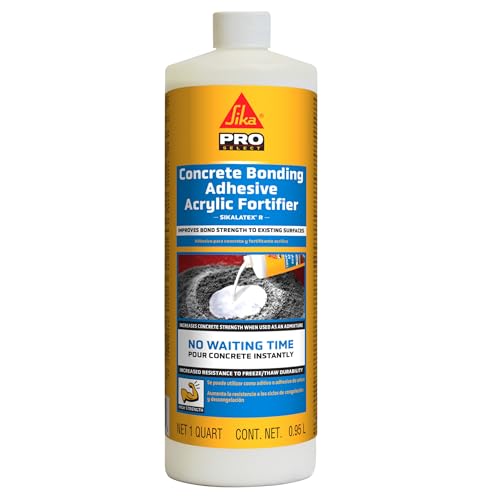
The quart size gives you the same acrylic admix idea in a package that makes more sense for touch-ups and small batches. For a weekend mortar repair or a modest concrete patch, it’s easier to store and less awkward to measure out than a gallon jug.
Compared with the SIKA 1-Gallon version, this one feels friendlier to smaller projects where you do not want leftover material taking up room. The trade-off is simple, since a quart runs out sooner on larger jobs.
Strong Points
- Smaller container is easier to keep on hand.
- Works well for modest mortar and concrete batches.
- Acrylic admix format supports bonded mix work.
- Good match for repair kits with limited storage.
Small Caveats
- Quart size is not the right scale for bigger repair runs.
- Mixed-material projects still need careful measuring.
Feature Rundown
Right Fit For
Homeowners and maintenance crews handling lighter mortar jobs or spot repairs will appreciate the smaller quart format.
A Better Fit Elsewhere
SIKA SikaLatex R Concrete Adhesive 1-Gallon, 4-Pack fits recurring projects that need a deeper supply on hand.
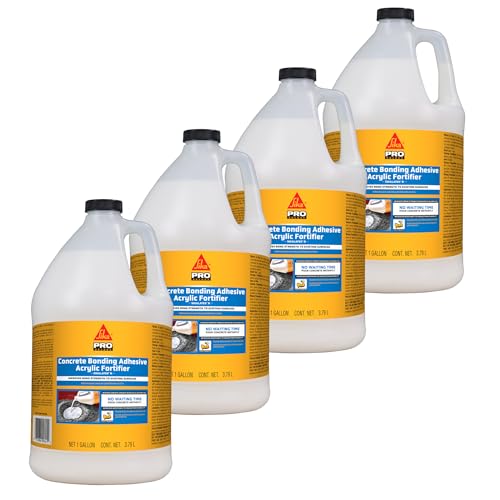
This four-pack is the planning-first option in the group, built for jobs that keep coming back. For contractors, property upkeep, or a long repair list, having multiple gallon containers on hand reduces the stop-and-start feel of reordering midstream.
Compared with the single-gallon SIKA SikaLatex R Concrete Adhesive Glue, the value here is supply depth rather than compact storage. You may find it excessive for one patio patch, but it makes sense when a season of mortar and concrete work is already on the calendar.
Positives
- Four-gallon pack supports repeated projects.
- Good for mortar, concrete, and grout plans.
- Acrylic admix format suits bonded mix work.
- Useful for crews managing several jobs.
- Freeze-thaw resistance fits outdoor use plans.
Honest Caveats
- Pack size is more than occasional repair work needs.
- Storage space matters more here than with smaller bottles.
- Better suited to organized project planning than casual shelf keeping.
Core Details
Who Will Love This
Frequent repair planners and property maintenance teams will get the most practical use from this multi-container set.
Skip It When
SIKA SikaLatex R Concrete Adhesive Glue 1-Quart is the neater choice for one-off touch-ups or tight storage spaces.
How To Choose The Right Concrete Bonding Agents
Match The Product To The Repair Type
Patch compounds, filler-sealants, hydraulic cement, and bonding admixtures do different jobs. A premixed patch like DAP Ready-Mixed Concrete Patch works well for chips and broken spots, while an admix such as SIKA SikaLatex R belongs in mortar and concrete batches.
That difference matters more than packaging size. A crack in a basement wall, a worn patio seam, and a small step break all ask for different handling, and the wrong texture can make cleanup harder later.
Think About Working Time And Setup
Fast-setting products help in urgent repair spots, but they leave less time for smoothing and shaping. DAP Quick Plug Hydraulic Cement fits that pace, while slower patch materials suit calmer weekend repairs.
For most home projects, a longer working window is easier on your hands and your nerves. The trade-off is that speed-focused mixes can be less forgiving once they start to firm up.
Size The Container To Your Real Use
Container size should match the sort of repair you actually face. A 32 oz or 10.1 oz container is easier to store and better for small fixes, while a gallon makes more sense for steps, patios, driveways, or repeated use.
Overbuying leads to clutter, but undersizing means running short in the middle of a job. For a home workshop, the cleaner choice is the one that leaves enough material without crowding your shelf.
Check Surface And Weather Exposure
Exterior concrete faces moisture swings, sun, and seasonal movement, so weather resistance becomes more than a nice extra. SIKA’s freeze-thaw resistant options are especially relevant for outdoor mortar and concrete work.
Interior repairs can be simpler, but they still benefit from the right bond profile. A basement patch, a garage edge, and a patio repair all ask for a product that fits the surface, not just the label.
Things Worth Knowing First
Common Shopping Slip Ups
Many people grab a patch product for a mixing job, or an admix for a tiny crack that only needed a small filler. That mismatch wastes time and can leave you with more cleanup than repair.
Another common miss is container size. A quart is easier to store, but a larger project can run through it faster than expected.
The Upgrade Payoff
Higher-tier concrete bonding products usually cost more because they serve more specific jobs, often with better batch capacity or broader project coverage. SIKA’s larger packs are a good example, since they suit repeated work and planned maintenance.
That extra spend makes sense when you do regular mortar or concrete repairs. For a single chip in a walkway, a simpler premixed patch is usually the calmer choice.
Frequently Asked Questions
What makes a concrete bonding agent different from a patch?
A bonding agent helps new material grab onto existing concrete or mortar. A patch is the repair material itself.
Do you need a bonding additive for every concrete repair?
No, many small cracks are handled with a patch or sealant. Bonding additives make more sense for mixed repair work and larger surfaces.
Why do some products mention freeze-thaw resistance?
That language points to outdoor use where surfaces face repeated temperature shifts. It matters most on patios, steps, and exterior repairs.
Is a bigger container always the better choice?
Not really, because storage and shelf life planning matter too. A larger jug suits frequent work, while a smaller bottle fits occasional fixes.
Can you use these products on both concrete and mortar?
Some are built for both, while others are more focused on patching concrete surfaces. The product page details tell you which repair type fits best.
Closing Thoughts
Concrete bonding products only feel confusing until you match the format to the repair. Once you separate patch compound, filler-sealant, hydraulic cement, and bonding admix, the right choice gets much clearer. For small home fixes, a premixed patch keeps things simple, while bigger outdoor repairs benefit from a liquid additive or a stronger cement-style option. Choose by job size, surface type, and how much working time you want, and you’ll end up with a cleaner repair plan.