Concrete joints and cracks ask for different fixes, and that’s where the right filler matters. Some jobs call for a tube-style sealant that smooths over small gaps, while others need a rubber strip that sits in a driveway joint and moves with the slab. You want a match that fits the gap, the surface, and the kind of wear your concrete sees day after day.
This roundup focuses on products that suit patios, sidewalks, driveways, masonry patchwork, and similar home repair jobs. You’ll see where a softer sealant makes sense, where EPDM rubber strip stock is the cleaner answer, and where a narrower or wider profile changes the fit.
Quick Look At The Shortlist

DAP Concrete Crack Filler, Gray

DAP Concrete and Mortar Filler and Sealant, Gray

SIKA Sikaflex Concrete Fix Limestone

Trial Pack Flexible EPDM Rubber Strip
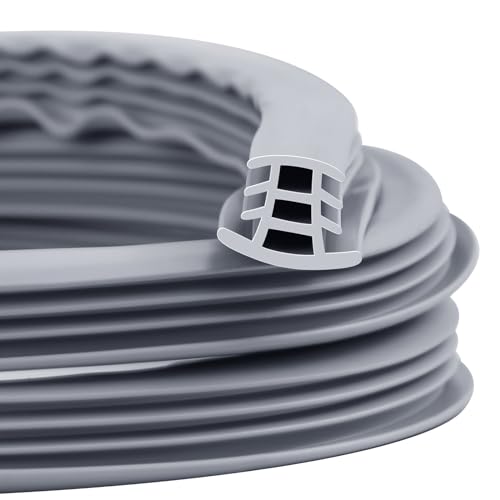
Flexible EPDM Rubber Strip 25 ft, 3/4 in
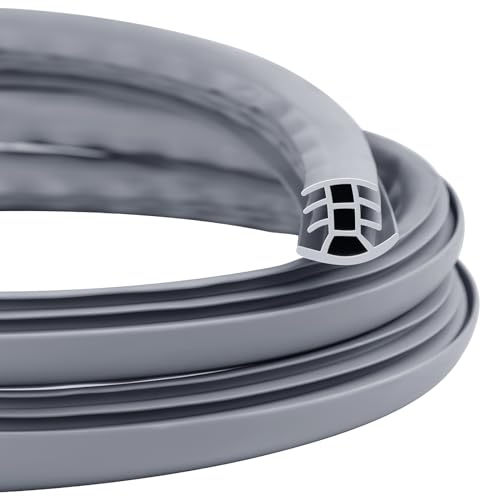
Flexible EPDM Rubber Strip 25 ft, 1 in

Flexible EPDM Rubber Strip 10 ft, 1-1/2 in

Flexible EPDM Rubber Strip 25 ft, 1/2 in
More Details On Our Top Picks
This gray crack filler suits the kind of small concrete repair that shows up in garages, walks, and stone edges. The 1.62 lb size feels more like a targeted repair option than a material for long joints, so it makes sense for tidy patch work.
Because it’s meant for horizontal cracks in concrete, stone, and other masonry, you get a cleaner fit on flat surfaces than a joint strip would offer. The trade-off is simple, you’re choosing a repair filler rather than a movement-friendly expansion joint insert.
Strong Points
- Gray color blends with common concrete surfaces.
- Made for horizontal cracks, which suits flat walkways and slabs.
- Works across concrete, stone, and masonry, so you can cover more than one repair spot.
- Smaller package size keeps the project focused and easier to store.
Things To Consider
- It fits crack repair better than wide expansion gaps.
- Horizontal use is the clear strength, so vertical fixes need a different approach.
- For larger driveway joints, strip-style EPDM material gives you a steadier layout.
Feature Snapshot
Who It Suits Best
Homeowners handling a few small cracks in a slab, step, or stone path get the clearest fit here.
Where Another Pick Suits Better
RTHIEAI Flexible EPDM Rubber Strip 25 ft, 3/4 in suits you better for longer driveway joints that need a strip-style layout.
Tube-style fillers like this one are handy for small patching jobs where a rigid strip would feel like overkill. In a garage or along a mortar line, the gray finish helps the repair stay visually quiet instead of shouting for attention.
The value here is versatility, since you’re working with one filler for both concrete and mortar surfaces. The catch is that a 10.1 oz tube naturally suits tighter jobs, so bigger joint runs still make more sense with the EPDM strip options farther down the list.
What We Like
- Concrete and mortar compatibility broadens the repair range.
- Gray color keeps the finished patch restrained.
- Tube format helps with targeted application on smaller cracks and seams.
- Good fit for mixed touch-up work around the house.
Room For Improvement
- Small tube size is better for spot repairs than long expansion joints.
- It does less for movement-heavy slab gaps than a rubber strip.
- You’ll want careful cleaning of the joint line before application for the neatest result.
At A Glance
Made For
DIY home repair work around steps, walls, and short cracks suits this filler well.
A Better Fit Elsewhere
DAP Concrete Crack Filler, Gray works better for flat horizontal crack repair where you want a more focused concrete-only fix.
This limestone-colored Sikaflex sealant leans toward a neater visual finish, especially around visible joints or cracks that sit in plain sight. Because it’s a paintable polyurethane sealant, you get a more flexible path than a hard crack filler, plus the option to match surrounding trim or masonry later.
That flexibility matters on concrete joints that see movement, and it’s the reason many people prefer this style for seam repairs near walkways or foundations. The honest read is that the cartridge size suits focused jobs, so long driveway runs still point you toward the EPDM strips instead.
Highlights
- Paintable finish helps the repair blend into surrounding surfaces.
- Elastic formula suits joints that move a little over time.
- Limestone color gives you a lighter tone than gray fillers.
- Useful for cracks and joints, not just one repair type.
Points To Note
- Paintable sealants ask for a bit more finishing work.
- The smaller cartridge is better for targeted repairs than broad slab runs.
- For very wide joints, a strip product can provide a more fixed physical fill.
Core Details
Best Suited To
Homeowners who want a cleaner, paintable finish around visible cracks or joints get the most value here.
Another Choice May Suit
RTHIEAI Flexible EPDM Rubber Strip 25 ft, 1 in is the better match for wider driveway joints that need a physical strip fill.
This trial pack makes sense for anyone still figuring out which strip width fits the job. With 1/2 inch, 3/4 inch, and 1 inch pieces, you get a practical way to compare fit before committing to a full run of material.
EPDM rubber means ethylene propylene diene monomer, a flexible synthetic rubber often used where weather exposure and age matter. That extra flexibility helps in driveways and sidewalks, though the test-pack nature also means it’s more of a sizing helper than a full-project supply.
Bright Spots
- Three widths help you match several joint sizes.
- EPDM material suits outdoor exposure better than basic fillers.
- Handy for checking fit before you commit to a larger install.
- Cut-to-length use keeps the approach flexible for small sections.
Small Caveats
- The trial format is not meant for a full driveway on its own.
- Manual cutting and measuring take a little patience.
- You may find the sample pack less efficient than a single long roll for one-size projects.
Details At A Glance
Whose Shelf It Belongs On
DIYers who want to match joint width before buying a longer strip will get the most value here.
Swap It Out When
RTHIEAI Flexible EPDM Rubber Strip 25 ft, 3/4 in is a better fit once you already know the width you need for a longer run.
The 3/4 inch width hits a useful middle ground for common driveway and sidewalk joints. Paired with a 25 ft length, it gives you enough material for a proper section without pushing you into a bulky oversupply for smaller projects.
Compared with the trial pack, this roll is better once you already know the fit and want to keep moving through the job. It’s still a manual install product, so clean joint edges and careful measuring matter, especially on older concrete where lines can wander a bit.
Upsides
- 25 ft length supports a longer stretch of joint repair.
- 3/4 inch width works well for many common slab gaps.
- EPDM construction is suited to outdoor wear and seasonal change.
- Easy to cut for shorter sections or custom sections.
Areas To Watch
- The single width only suits joints near that size range.
- More measuring is needed than with a squeeze-in sealant tube.
- Storage is simpler than bulky material, though the full roll still needs a dry spot.
Feature Rundown
The Right Fit
Homeowners with medium-width joints in driveways or sidewalk runs will probably get the smoothest match here.
Look Elsewhere When
DAP Concrete and Mortar Filler and Sealant, Gray is easier for tiny patch spots where a roll would be too much material.
A 1 inch strip opens the door to wider joints than the 3/4 inch roll can cover cleanly. That makes this version useful for slabs where the gap looks a little broader, especially along driveways that see regular temperature swings.
The trade-off is straightforward, wider coverage brings a less subtle fit and asks for more careful placement. Still, for longer exterior runs, this size often feels more appropriate than a squeeze sealant because it gives the joint a defined physical fill.
Reasons To Buy
- 1 inch width supports broader joint spaces.
- 25 ft roll gives you practical coverage for long runs.
- EPDM rubber suits outdoor concrete that moves through the seasons.
- Works well where a strip-style insert feels steadier than a tube filler.
Worth Noting
- The wider profile is more visible than thinner strip options.
- Joint measurement matters more because the fit window is narrower.
- For very small cracks, this can feel larger than needed.
Spec Overview
Who Should Grab It
People dealing with wider slab joints and wanting a longer strip format should find this the easiest match.
Where Shoppers Go Wrong
RTHIEAI Flexible EPDM Rubber Strip 25 ft, 3/4 in is the better pick for narrower joints that don’t need the extra width.
This wider strip is aimed at larger expansion joints, and the 1-1/2 inch width tells you that right away. The specified fit range of 1-1/4 to 1-1/2 inches makes it easier to match a broader joint without guessing too much.
Ten feet is shorter than the 25 ft rolls in the lineup, so this one feels better for targeted heavy-duty sections than for a long continuous run. That shorter length can actually help on a single awkward patch, because you’re not paying for extra material you won’t use.
What We Like
- Wide 1-1/2 inch profile suits larger joints.
- Listed fit range helps narrow the match quickly.
- EPDM rubber is a sensible choice for outdoor slab movement.
- Shorter roll length can suit one problem area without much leftover material.
Honest Caveats
- Ten feet is less coverage than the longer strip rolls.
- The size is too much for slim cracks.
- Placement needs care so the wider strip sits cleanly.
Feature Card
Built With In Mind
DIY repairs on wider driveway joints or slab seams suit this strip best.
Where A Sibling Pick Shines
RTHIEAI Flexible EPDM Rubber Strip 25 ft, 1 in is the better match for broader coverage with a little less bulk per joint.
The 1/2 inch width is the most discreet strip in this lineup, and that makes it useful for narrow seams and slimmer concrete joints. With 25 ft of material, you still have enough length for a modest exterior run without moving into the broader profiles used by the other EPDM options.
Compared with the 3/4 inch and 1 inch rolls, this version favors tighter fit work over heavier coverage. That’s helpful in spots where a wider insert would look oversized or be harder to seat neatly.
Best Bits
- 1/2 inch width suits narrow cracks and slim joints.
- 25 ft length gives you decent coverage for repeat repairs.
- EPDM construction fits outdoor conditions better than a basic filler tube.
- Good choice for a cleaner, lower-profile look.
Softer Spots
- Too narrow for wider expansion joints.
- Careful measurement matters because the fit window is tighter.
- The strip format asks for more prep than a squeeze-in sealant.
Core Details
Perfect Match For
Homeowners with slim cracks or narrow joint lines who want a subtle strip fit will appreciate this version.
Reach For A Different Pick When
RTHIEAI Flexible EPDM Rubber Strip 25 ft, 3/4 in is the better choice once the joint is a little wider and needs more coverage.
How To Choose The Right Concrete Expansion Joint Fillers
Match The Filler To The Joint, Not Just The Surface
The first decision is whether you’re filling a crack or an expansion joint. Crack fillers, like the DAP tube options, work well for smaller repair lines, while EPDM strips make more sense where the slab needs room to move.
Width matters just as much as length. A 1/2 inch strip suits a narrow seam, while a 1-1/2 inch strip fits a broader opening, and forcing the wrong size usually makes the finish look awkward.
Think About Flexibility And Exposure
Outdoor concrete faces sun, rain, temperature swings, and wear from foot traffic or cars. EPDM rubber, a flexible synthetic material, is a useful choice for that kind of exposure because it keeps a joint fill from feeling brittle.
Sealants bring a different advantage, since some are paintable and better for visible patch lines. That helps when the repair sits near a front walk or porch edge and you want the finish to blend in.
Choose The Format That Fits Your Work Style
Tubes are friendlier for small repairs, quick touch-ups, and places where you need the material only in a few spots. Rolls of strip material take more measuring and cutting, but they give you cleaner coverage for longer runs.
A trial pack can be a smart bridge between the two. It lets you check which width suits the joint before you commit to a longer roll, which matters more than it sounds on older slabs with uneven gaps.
Keep Finish, Cleanup, And Storage In Mind
Gray and limestone color options help the repair sit more naturally against concrete and masonry. A lighter or darker tone can make the difference between a patch that blends in and one that keeps catching your eye.
Storage is simpler with small tubes, while full rolls need a dry corner in the garage or shed. For many home projects, the easiest product to live with is the one you can open, apply, and put away without much fuss.
What To Weigh Before You Commit
Hidden Buying Traps
Many people reach for a crack filler when the joint really needs a strip insert. That mismatch can leave the repair looking tidy for a while, then awkward once the slab moves again.
Another common slip is guessing the width instead of measuring it. A joint that looks “about an inch” can be narrower or wider than you think, and concrete doesn’t care about guesswork.
The Upgrade Payoff
Higher-tier strip materials tend to cost more because they give you more controlled sizing, stronger outdoor fit, and cleaner coverage across longer runs. That extra precision matters most on driveways, side paths, and older concrete where the joints aren’t uniform.
Paintable sealants also justify a step up for visible front-of-house repairs. You’re paying for a neater finish and more control over appearance, which is useful when the repair sits in plain sight.
Frequently Asked Questions
What’s the difference between a crack filler and an expansion joint filler?
A crack filler is for patching smaller breaks in the concrete surface. An expansion joint filler is built to sit in a joint that may need movement room.
How do you choose the right width?
Measure the opening before you order anything. The best fit is the strip or sealant size that matches the actual gap, not the one that looks close by eye.
Can you use these products on sidewalks and driveways?
Yes, several of the picks here are aimed at driveways and sidewalks. The better match depends on whether you need a crack patch, a joint insert, or a paintable sealant.
Why choose EPDM rubber over a tube sealant?
EPDM rubber works well for longer joints and exterior areas with movement. A tube sealant is easier for small repair spots and short seam work.
Is a trial pack worth it?
It helps when you are not sure which width fits the joint. A small sample can save time before you buy a longer roll.
Closing Thoughts
The best choice here comes down to the shape of your repair, not just the surface you’re fixing. Small cracks and mortar touch-ups point toward the DAP and SIKA sealants, while longer exterior joints usually make more sense with the RTHIEAI EPDM strips. Once you measure the gap and think about how much movement the concrete sees, the right pick gets a lot easier to spot. For a clean result, match the filler to the job instead of forcing one product to do everything.