Concrete joints and cracks have a way of making themselves obvious, usually right where water, grit, and seasonal movement meet. You want a sealant that fits the job, not just the label, because a driveway joint, a sidewalk crack, and a foundation seam all ask for something a little different. This roundup keeps the focus on shape, finish, flexibility, and practical fit for everyday repair work.
The Shortlist At A Glance

DAP Concrete and Mortar Filler and Sealant, Gray

DAP Textured Mortar Premium Elastomeric Latex Filler & Sealant, Beige

SIKA Sikaflex Concrete Fix, Limestone

Tremco Vulkem 116 Polyurethane Sealant 10.1 oz., White

Autosel Concrete Crack Filler, High Elasticity

Autosel Concrete Crack Filler, Self Leveling
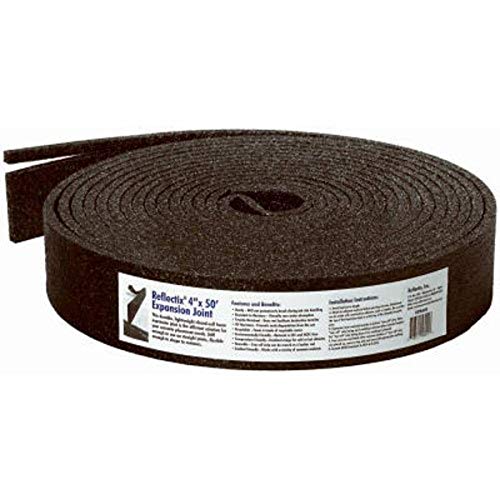
Reflectix EXPO4050 Series 4′ x 50′ Expansion Joint

DCP Donseal PU440 Polyurethane Concrete Sealant, Grey
More Details On Our Top Picks
Gray filler like this makes sense for patching joints and small cracks in concrete or mortar without drawing much attention. In a garage slab, basement wall, or older walkway, the color match helps the repair sit quietly instead of calling attention to itself.
The trade-off is that you are getting a straightforward patching approach rather than a specialty finish for decorative masonry. For routine home repairs, though, that simplicity is exactly the point, and it suits you best when the job is more about closing gaps than creating a polished visible seam.
Strong Points
- Gray tone blends into many common concrete surfaces.
- Works well for basic crack and mortar touch-ups.
- Simple tube format suits small repair jobs.
Things To Consider
- Best for straightforward patching, not decorative matching.
- Tube size fits smaller jobs more naturally than large joint runs.
Feature Snapshot
Who It Suits Best
Homeowners handling small concrete touch-ups around a garage, patio edge, or basement wall will get the most from this one.
A Better Fit Elsewhere
DAP Textured Mortar Premium Elastomeric Latex Filler & Sealant, Beige fits better for masonry that needs a more textured, mortar-like look.
This beige DAP option leans toward a more natural masonry look, which matters on exterior brick, block, or patched interior concrete where a smoother visual blend helps. The latex base is useful in small household repairs because it gives you a familiar caulk-style application rather than a more industrial sealant feel.
Compared with DAP Concrete and Mortar Filler and Sealant, Gray, this one is the better visual match for lighter mortar lines and textured surfaces. One thing worth considering is that a textured finish can be more forgiving in view than a smooth patch, though it still asks for careful application so the repair does not stand out.
What We Like
- Beige color helps the repair sit closer to mortar tones.
- Textured finish suits concrete and masonry with visible grain.
- Latex formulation feels practical for standard caulk-style use.
- Works on interior and exterior surfaces listed by the maker.
Points To Note
- Texture matching still depends on careful application.
- The beige tone will not suit every concrete slab.
- Pack format is better suited to repeat jobs than one tiny fix.
Core Details
Made For
You get the most from this pick on visible masonry repairs where color match matters as much as gap filling.
Swap It Out When
SIKA Sikaflex Concrete Fix fits better for you if paintability matters more than a mortar-like surface look.
Paintable polyurethane matters a lot on joints that sit in plain sight, because you can finish the repair to match the surrounding surface instead of leaving it as a contrast line. Limestone gives this SIKA sealant a softer visual read than gray, which helps on lighter concrete, stucco-adjacent surfaces, and decorative trim areas.
Compared with the DAP options above, this one leans more toward a clean final appearance after the seal sets. You may find it especially useful on a front step or patio edge where the repair is visible every day and you want a calmer look, not a busy one.
Upsides
- Paintable finish gives you more control over the final look.
- Polyurethane construction suits joints that need some flexibility.
- Limestone color helps with lighter surfaces and trim lines.
- Works for both cracks and joint repair, which broadens use.
Room For Improvement
- Paintability adds a step for anyone who wants a finished color match.
- Lighter shade may not blend as well on dark concrete.
Details At A Glance
Whose Shelf It Belongs On
DIYers who care about finish quality on visible joints will appreciate the extra flexibility this brings.
Where A Sibling Pick Shines
Tremco Vulkem 116 Polyurethane Sealant, White is the more practical match for users who want a clean white joint line without planning to paint.
White joint sealant can be a smart choice around concrete edges that sit next to painted trim, bright foundations, or lighter exterior surfaces. Tremco’s Vulkem 116 comes across as more workmanlike than the DAP and SIKA options, and that suits repairs where function and a tidy line matter more than a decorative match.
For porch edges, wall joints, or utility areas, the practical appeal is simple, a clean color and a polyurethane body that belongs in the tougher end of the category. The honest read is that white can show dirt sooner on exposed ground-level seams, so it fits best where the surrounding area stays reasonably clean.
Positives
- White finish works well near painted or bright surfaces.
- Polyurethane body suits joints that move with weather.
- Useful for utility areas and more demanding repair spots.
- Single cartridge format keeps the job straightforward.
Softer Spots
- White sealant can stand out on darker concrete.
- Ground-level joints may need more routine cleaning around them.
Technical Sheet
The Right Fit
You get the most from this sealant on exposed seams near lighter siding, trim, or foundation details.
Another Choice May Suit
DCP Donseal PU440 Polyurethane Concrete Sealant, Grey fits better for darker concrete or a less visible joint line.
This Autosel filler is aimed at driveways, walkways, patios, and outdoor joint repair, so it speaks directly to common home hardscape problems. Self-leveling means the material is designed to settle into the gap on its own, which can make long cracks feel less tedious to fill by hand.
Compared with the cartridge-style sealants above, this one reads like a more convenience-first option for flat exterior surfaces. You may find it especially useful along horizontal joints where you want the material to spread more evenly without much shaping.
Highlights
- Self-leveling behavior suits long horizontal cracks.
- High elasticity helps it fit moving exterior joints.
- Made for driveways, walkways, and patio repairs.
- Useful where you want a smoother bead with less shaping.
Areas To Watch
- Self-leveling works best on flat runs, not vertical seams.
- Outdoor use means surface prep still matters a lot.
Feature Rundown
Best Suited To
Homeowners patching flat exterior concrete surfaces will get the clearest benefit here.
Skip It When
Tremco Vulkem 116 Polyurethane Sealant, White is the better route for vertical or more visible joints that need a cleaner upright bead.
This Autosel version keeps the same self-leveling idea but adds a quicker-drying, durability-minded pitch that suits repeat outdoor maintenance. For a sidewalk, driveway, or expansion joint that keeps showing hairline gaps, that kind of fast turnaround can make seasonal upkeep feel less like a project and more like a pass-through task.
Compared with the previous Autosel filler, this one feels a touch more focused on practical turnaround than on a broad job list. The catch is the usual one for self-leveling products, because they shine on horizontal surfaces and ask for a steady hand around edges or steep slopes.
Bright Spots
- Self-leveling formula suits long runs and flat cracks.
- Quick-drying direction helps with faster project turnover.
- Works for driveway, sidewalk, and expansion joint repair.
- Waterproof claim makes sense for exterior exposure planning.
Minor Gripes
- Best on flat surfaces rather than vertical joints.
- Fast-setting materials leave less time for adjustment.
- Outdoor prep and cleanup still deserve attention.
Core Details
Who Will Love This
You will appreciate this most if you keep exterior hardscape repairs moving in short, efficient sessions.
Look Elsewhere When
Reflectix EXPO4050 Series 4′ x 50′ Expansion Joint fits better for planned joint-forming work before the concrete is poured.
This Reflectix roll stands apart because it is expansion joint material, not a caulk or filler. That matters for fresh concrete work, where you need a physical separator to give slabs room to move rather than a surface bead to close an existing crack.
Compared with every sealant above, it belongs more in the planning stage than in the patch stage. The long 4 inch by 50 foot format is useful for larger pours or repeated formed joints, though storage and handling are less compact than a single cartridge once the roll is opened.
Best Bits
- Physical joint material suits new concrete layouts.
- Long roll format supports larger project coverage.
- Useful where movement space matters more than surface sealing.
- Simple product type keeps the job concept clear.
Small Caveats
- It is not a crack filler for finished concrete.
- Roll material takes more planning than a tube.
- Best suited to construction or larger repair setups.
Spec Overview
Built With In Mind
Contractors, remodelers, and serious DIY project planners who are forming concrete joints from the start will find the best fit here.
Where Shoppers Go Wrong
DCP Donseal PU440 Polyurethane Concrete Sealant, Grey is the better choice for already-formed joints that need a finished seal instead of a spacer roll.
Grey polyurethane sealant makes sense for joints that need to look quieter against concrete, especially around foundations, walls, sidewalks, and similar hard surfaces. Non-sag means the material is designed to stay in place instead of sliding down a vertical seam, which is a real plus on wall joints or edge details.
Compared with Tremco Vulkem 116, this one gives you a similar professional-leaning feel in a grey finish that blends more easily with darker concrete. The trade-off is simple: non-sag performance is handy, but careful surface prep still matters so the bead sits where you want it and stays neat.
Reasons To Buy
- Grey color blends naturally with many concrete surfaces.
- Non-sag formula helps on vertical and sloped joints.
- Fits walls, sidewalks, foundations, and similar repair zones.
- Polyurethane body suits moving seams and outdoor exposure.
Honest Caveats
- Surface preparation still matters for a clean result.
- Grey may look too plain for decorative areas.
- Best results come from measured, steady application.
Feature Card
The Right Fit
This suits you well when you want a grey sealant for visible concrete seams that need to stay tidy.
Reach For A Different Pick When
SIKA Sikaflex Concrete Fix, Limestone is the better fit for a lighter finish and a paintable surface.
How To Choose The Right Concrete Expansion Joint Sealants
Match The Product To The Joint, Not Just The Surface
Concrete joints move, and that movement is exactly why sealant choice matters. Polyurethane sealants, such as SIKA Sikaflex Concrete Fix, Tremco Vulkem 116, and DCP Donseal PU440, are built for flexible seams, while self-leveling crack fillers lean toward horizontal runs on driveways and patios.
The joint’s location matters just as much as the material. A vertical wall seam needs non-sag behavior, while a flat sidewalk crack benefits from a formula that settles on its own and reduces shaping work.
Think About Appearance And Finish
Color can make a repair look calm or obvious. Gray and beige tend to blend into common concrete and mortar, while white works better near painted trim or lighter surfaces, and paintable formulas give you more control after curing.
Texture matters too. DAP Textured Mortar Premium Elastomeric Latex Filler & Sealant is better suited to masonry that already has visual grain, while smoother sealants work better where you want a cleaner joint line.
Size, Coverage, And Job Pace
Cartridge-size sealants around 10.1 oz suit spot repairs, trimmed edges, and small maintenance jobs. A roll like Reflectix EXPO4050 Series 4′ x 50′ Expansion Joint belongs in new concrete planning, where you need length and structure rather than a patch bead.
Pack count also changes the value picture. A multi-pack helps with repeated maintenance on a property, while a single cartridge is easier for a one-off repair near a garage, foundation, or walkway.
Surface Prep Still Carries Weight
Even a good sealant struggles on dirty, loose, or damp edges. Scraping out debris and following the product’s application shape matter because the final seal depends on contact, not just chemistry.
You also want to think about storage and cleanup. Cartridge sealants are easier to manage in a garage shelf, while roll materials ask for more room and a clearer project plan.
Things Worth Knowing First
Hidden Buying Traps
A common mistake is choosing a crack filler for a joint that actually moves. That works poorly on slabs that expand and contract, and it is why movement-friendly polyurethane sealants often fit better for structural seams.
Another easy miss is color mismatch. A sealant that looks fine in the tube can stand out sharply once it lands on cured concrete, so the gray, beige, limestone, or white finish matters more than many people expect.
The Upgrade Payoff
More expensive options in this category usually buy you better joint behavior, cleaner finish control, or a formula that handles vertical seams more gracefully. Paintable polyurethane, non-sag material, and textured masonry match all add practical value, especially on visible repairs.
That upgrade makes the most sense for front steps, foundation lines, and patios you see every day. For hidden or temporary work, a simpler filler often does the job without extra fuss.
Frequently Asked Questions
What makes a concrete expansion joint sealant different from regular caulk?
A concrete-focused sealant is made to handle masonry movement, rough surfaces, and outdoor exposure better than a general household caulk. Joint movement is the big reason people choose polyurethane or self-leveling formulas here.
Should you use a self-leveling product on vertical seams?
No, self-leveling formulas belong on horizontal cracks and flat joints. Vertical seams are a better match for non-sag sealants like DCP Donseal PU440 or Tremco Vulkem 116.
Is paintable sealant worth it?
Paintable sealant makes sense when the repair sits in a visible spot and you want a closer color match after curing. SIKA Sikaflex Concrete Fix is the sort of option that helps there.
What color should you choose for concrete repairs?
Match the surrounding concrete or mortar as closely as you can. Gray works well on common slabs, beige suits mortar-toned masonry, limestone looks lighter, and white fits bright trim-adjacent areas.
Can one product handle both cracks and expansion joints?
Some can handle both, but the joint type still matters. Crack fillers are usually better for narrow surface repairs, while true expansion joints often need a flexible sealant or joint material built for movement.
Closing Thoughts
The right concrete expansion joint sealant is the one that fits the surface, the movement, and the finish you can live with. For quick household repairs, a simple gray or beige cartridge may be enough. For visible seams, paintable or color-matched formulas feel more deliberate, and for new slab work, a joint material like Reflectix belongs in the plan from the start. Keep the job shape in mind, and the rest gets much easier.