When you want cleaner edges, flatter panels, and less sanding fatigue, the right orbital sander makes a very real difference. These six picks cover everything from compact palm-style tools to corded models with stronger dust control and variable speed, so you can match the tool to your workspace instead of forcing one machine to do everything.
That matters in a garage, a small shop, or a busy home project space where dust, grip comfort, and control shape the result as much as raw power. You’ll find straightforward options for beginners, sturdier choices for frequent use, and a cordless outlier for moments when outlet access is the real problem.
Quick Look At The Shortlist

BOSCH GSS20-40 Orbital Finishing Sander 1/4-Sheet

ONEAND 18V Cordless 5 in. Random Orbit Sander

WORKPRO 5-Inch Random Orbit Sander, 6 Variable Speeds
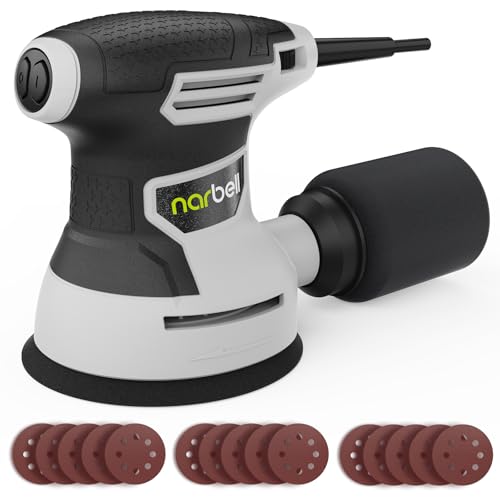
NARBELL Orbital Sander 3.0AMP(360W), 14000RPM

Metabo HPT 5-Inch Random Orbit Finishing Sander SV13YST

DEWALT Random Orbit Sander, PSA, 5-Inch (DWE6420)
More Details On Our Top Picks
For trim, doors, and finish work, this Bosch keeps the focus on control rather than brute force. The 1/4-sheet format suits smaller sanding zones, and the 2 amp motor paired with 12,000 OPM, or oscillations per minute, points toward steady surface smoothing rather than aggressive material removal.
The dust collector is the practical part here, especially in a garage or a room where cleanup matters as much as the sanding itself. Compared with the WORKPRO and NARBELL picks, this one looks more purpose-built for finesse, and that narrow role is exactly why it makes sense.
What We Like
- 1/4-sheet layout gives you better control on edges and corners.
- 12,000 OPM supports smoother finish work on wood surfaces.
- The built-in dust collector helps keep your work area clearer.
- Smaller format feels easier to guide on trim and cabinet parts.
Areas To Watch
- The finishing-focused design is less suited to heavier stock removal.
- Sheet-style sanding means you’ll want the right abrasives on hand.
- For large tabletops, a 5-inch random orbit model may cover ground faster.
Feature Snapshot
Who It Suits Best
You’ll get the most from this one in a home shop where trim, doors, or small furniture parts are the usual jobs.
A Better Fit Elsewhere
The Metabo HPT SV13YST suits you better for longer sanding sessions, thanks to its comfort grip and variable-speed range.
This one stands apart because it cuts the cord entirely, which helps on porches, in driveways, or anywhere outlet access gets awkward. The 5-inch random orbit format keeps it in the familiar sanding lane, but your battery setup decides how convenient it feels day to day.
Tool-only packaging means it suits someone already invested in the same battery platform, not a first-time cordless setup. Compared with the Bosch and DEWALT corded models, you’re trading constant plug-in power for easier movement around the job.
Strong Points
- Cordless design gives you more freedom around the work area.
- 5-inch pad size fits common DIY sanding tasks.
- Tool-only format can make sense for existing platform owners.
Minor Gripes
- You’ll need a compatible battery and charger separately.
- Run time depends entirely on the battery you already own.
- For steady bench work, a corded model avoids battery swapping.
Core Details
Made For
You’ll appreciate this most for mobile work, especially around vehicles, outdoor furniture, or spaces where cords get in the way.
Where A Sibling Pick Shines
The BOSCH GSS20-40 makes more sense for indoor finishing work where continuous power and dust collection matter more than mobility.
WORKPRO leans into flexibility, and that’s useful when your sanding jobs move from rougher prep to smoother finishing. The 6-speed range from 7,000 to 14,000 RPM gives you more room to slow down for control or speed up for faster surface cleanup.
The included dust collector and 15 sanding sheets make it easier to start a project without hunting for extras right away. Compared with the Bosch, this one feels broader in speed range, while the Narbell leans a bit harder on raw output.
Highlights
- Six speed settings help you match the tool to the surface.
- 7,000 to 14,000 RPM covers both gentle and faster passes.
- Dust collector helps keep sawdust from spreading everywhere.
- Fifteen sanding sheets add useful starter coverage.
Points To Note
- The dust bag style still needs regular emptying.
- More features can mean more setup choices before you start.
- For dense material, a more aggressive machine may feel quicker.
Quick Facts
Who Should Grab It
This fits a home woodworker who wants one sander for a mix of prep work and lighter finish jobs.
Another Choice May Suit
The Metabo HPT SV13YST is the better match for you if comfort grip and a more polished handling feel matter most.
Narbell brings a strong spec sheet for a compact 5-inch palm sander, and that tends to appeal to people who want more control without moving up to a bulkier tool. The 3.0 amp, 360W motor and 14,000 RPM ceiling suggest a lively feel for sanding sessions that mix shaping and smoothing.
The six speeds give you room to slow things down on delicate surfaces, while the dust bag and included sanding sheets make the kit feel ready for basic workshop use. Compared with the WORKPRO, this one emphasizes power a little more, though that extra push is still bounded by its palm-sander size.
Upsides
- 3.0 amp motor gives the tool a stronger working profile.
- Six speeds help you adapt to different woods and finishes.
- 5-inch pad keeps it in a familiar handheld format.
- Dust bag and sanding sheets add setup convenience.
Softer Spots
- Dust bags need periodic emptying to stay useful.
- Higher output can still feel more than you need for tiny touch-ups.
- Heavier sanding days may favor a tool with a more comfort-first grip.
Details At A Glance
The Right Fit
You’ll like this most if you want a compact electric sander that still feels capable on more demanding household projects.
Swap It Out When
The DEWALT DWE6420 suits you better for a simpler, more established shop tool with a straightforward 5-inch layout.
This Metabo HPT model reads like the sensible middle ground in the lineup, especially for sessions that last long enough to make grip comfort matter. The palm-style handle, compact build, and lightweight design all point toward easier control during finishing work on shelves, tabletops, or cabinetry.
The 9,000 to 13,000 RPM range gives you a narrower but useful window for controlled sanding, and the dust collection hose connector gives you a cleaner path than a small bag alone. Compared with the Bosch, it’s less about sheet-sanding detail and more about a familiar round-pad workflow.
Bright Spots
- Palm-style grip helps reduce hand fatigue over longer jobs.
- Compact, lightweight design is easier to guide smoothly.
- Dust collection hose connector supports better shop cleanup.
- Variable speed adds control for finishing passes.
Worth Noting
- The speed range is narrower than some other picks here.
- A hose setup takes a bit more planning than a simple onboard bag.
- For rough sanding, a more aggressive tool may feel faster.
Technical Sheet
Built With In Mind
You’ll get the most value from this in a home shop where comfort and consistent finish work matter more than aggressive sanding.
Look Elsewhere When
The WORKPRO 5-Inch Random Orbit Sander, 6 Variable Speeds gives you a wider speed range if you want more adjustment for mixed tasks.
DEWALT keeps the design straightforward here, which is exactly why it belongs in a shop where you want a familiar 5-inch orbital sander without extra fuss. PSA, short for pressure-sensitive adhesive, points to a pad and paper setup that some sanding workflows still prefer for quick changes.
The shape of this tool makes sense for routine home repairs and repeated shop use, especially when you want something durable-feeling and simple to manage. Compared with the Metabo HPT, it leans less on comfort language and more on plain utility, and that can be the right trade for many setups.
Best Bits
- 5-inch size fits a lot of common sanding jobs.
- PSA setup suits users who prefer adhesive-backed paper.
- Simple layout keeps the learning curve low.
- Feels well matched to regular workshop routines.
Small Caveats
- The simpler layout offers less comfort-focused shaping than some rivals.
- PSA paper choices may not suit every sanding habit.
- For very fine finish work, variable-speed models can give you more control.
Core Details
Whose Shelf It Belongs On
You’ll appreciate this most if you want a no-nonsense orbital sander for frequent workshop touch-ups and general sanding jobs.
Reach For A Different Pick When
The Metabo HPT SV13YST is the smarter fit for you if comfort grip and dust hose connection matter more than PSA simplicity.
How To Choose The Right Corded Orbital Sanders
Power, Speed, And Control
Motor strength tells you how confidently a sander can keep moving under load, while speed range tells you how much room you have to slow things down for finish work. A lower, narrower range often suits delicate surfaces, and a wider one helps when you jump between rough prep and smoothing. For cabinet trim or furniture, controlled speed usually matters more than a big power number on its own.
The grit and pad format matter too, because a 5-inch random orbit model behaves differently from a 1/4-sheet finishing sander. Random orbit motion helps reduce swirl marks, while sheet styles suit edges and tight panels better. That’s why the Bosch and DEWALT serve different jobs even though both live in the same general category.
Dust Handling And Cleanup
Dust collection sounds minor until you sand indoors and find every surface wearing a fine coat of powder. A bag or collector can make shop cleanup easier, and a hose connector can work better with a larger dust setup. In a small garage or basement workspace, that feature often matters as much as speed.
You’ll also want to think about how the collector fits your habits. Small onboard bags are simple, but they need regular emptying, while hose-based systems ask for a little more setup. Either way, the goal is the same, keep the work visible and the air around the project less cluttered.
Comfort, Grip, And Job Length
Grip shape becomes more important as the sanding session gets longer. Palm-style bodies, lighter frames, and better balance can save your hand from feeling cramped during repetitive passes. That’s the main reason the Metabo HPT stands out for frequent finish work, even though it doesn’t try to be the most aggressive tool in the group.
Weight and shape also affect how easy it is to guide the sander across a wide panel. A tool that feels steady on a tabletop may be clumsy on a vertical door, and the reverse can be true as well. For most home shops, the best choice is the one that feels calm in your hand after a few minutes, not just impressive in the spec sheet.
Corded Versus Cordless Reality
Corded models stay attractive because they keep power flowing as long as you stay near an outlet. That suits bench work, garage projects, and long sanding sessions where battery changes would interrupt the rhythm. Cordless tools, like the ONEAND pick here, shine when the workspace is awkward or the extension cord would become a nuisance.
The trade-off is simple. Corded tools usually ask less of your setup, while cordless tools ask less of your outlet access. For a lot of people, that’s the whole decision in one sentence.
What To Weigh Before You Click
Common Shopping Slip Ups
Shoppers often focus on power first and forget the sanding style. A strong motor does not help much if you need a finishing tool for trim or a compact sander for cabinet edges.
Another easy miss is dust handling. A simple bag may be fine for quick jobs, but a better dust path pays off in a closed garage or inside a home workspace.
The Upgrade Payoff
Higher-tier models usually cost more because the handling feels better, the variable-speed range tends to be more useful, and dust management is often less awkward. You’re also more likely to see stronger build materials and more thoughtful grip design, which shows up during long sessions.
That upgrade makes sense for frequent use, especially in woodworking or renovation work where a sander spends real time in your hand. For occasional shelf sanding, a simpler model can still be the smarter purchase.
Frequently Asked Questions
What makes a random orbit sander different from a regular orbital sander?
A random orbit sander moves in small circles and also shifts that path, which helps reduce visible swirl patterns. A regular orbital finishing sander, like the Bosch here, is shaped more for controlled finishing and detail work.
How much power do you need for home projects?
For many home sanding jobs, a midrange motor is enough when the tool has good speed control. Bigger numbers help on tougher surfaces, but comfort and dust handling still matter a lot.
Is a 5-inch sander enough for most tasks?
Yes, a 5-inch pad covers a lot of common work, from tabletops to shelves and doors. Smaller finishing sanders still have a place for edges and tight spaces.
Do you need variable speed?
Variable speed helps you slow the tool for finishing and speed it up for faster surface work. It’s especially useful when your projects change from one week to the next.
What should you look for in dust collection?
Look for a collector or hose connector that matches the way you work. Better dust handling makes cleanup easier and keeps the surface easier to see while you sand.
Closing Thoughts
Your best corded orbital sander depends less on raw numbers and more on the kind of work you do most. For detailed finishing, the Bosch makes a lot of sense, while the Metabo HPT brings a calmer grip for longer sessions and the DEWALT keeps things plain and dependable. The WORKPRO and Narbell sit in the useful middle, and the ONEAND cordless option fills the mobility gap. Match the tool to your space, and the work feels easier almost immediately.