Choosing a cordless nailer gets easier once you match the tool to the job. Brad nailers suit trim, molding, and light finish work, while finish nailers step up for thicker boards and more visible joinery. Pin nailers and staple-style options fill in the smaller, lighter tasks that still need clean fastening.
This roundup helps you sort battery setup, nail gauge, capacity, and size without wading through filler. You’ll also see where each pick fits best in a home shop, on a remodel, or during weekend furniture work. The right tool here feels less like extra gear and more like saved time.
Quick Look At The Shortlist

WEN 20V Max Brad Nailer 2.0Ah Kit (20512)

Makita XNB02Z 18V LXT Straight Finish Nailer
PIN NAILER CMPCT 20V 23G

Metabo HPT Brad Nailer NT1850DG 18V Kit

CRAFTSMAN V20 Brad Nailer CMCN618B
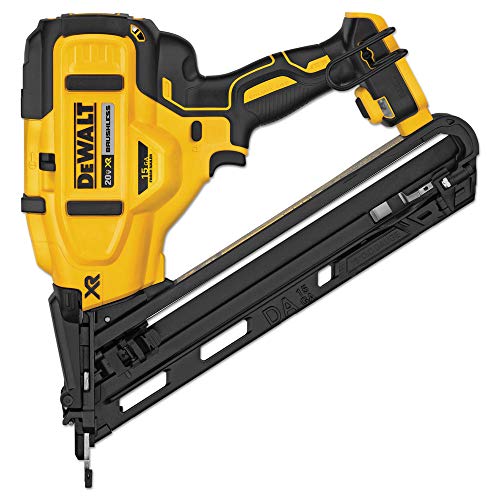
DEWALT DCN650B Angled Finish Nailer

Ryobi 18V ONE+ Airstrike Brad Nailer P321

BATAVIA 2-in-1 Cordless Brad Nailer & Stapler
More Details On Our Top Picks
WEN gives you a true starter kit here, since the 2.0Ah battery and charger come with the tool instead of making you source them separately. That matters in a garage or on a small remodel, because you can get to trim, casing, and light finish tasks without building a battery setup first.
The 18-gauge format keeps nail heads small, which is the right kind of subtle for painted trim and molding. The trade-off is simple, it’s not the pick for thicker boards or structural work, but for home projects and first-time cordless use, that restraint is part of the appeal.
Strong Points
- Battery and charger are included, so setup feels straightforward.
- 18-gauge brads suit trim that needs a cleaner look.
- Good entry path for small shops that want cordless convenience.
- You avoid the extra bulk of compressor and hose gear.
Things To Consider
- The kit focus makes it better for light finish work than heavier fastening jobs.
- Battery runtime will depend on your pace and material choice.
- Storage is easier than pneumatic gear, though you still need room for the charger and battery.
Key Specs
Who It Suits Best
First-time DIY remodelers and occasional trim installers will get the most from this setup.
Where Another Pick Suits Better
Makita XNB02Z 18V LXT Straight Finish Nailer suits you better for larger finish work that needs a broader nail range.
Makita’s straight finish layout speaks to more ambitious trim work, especially where you want a 16-gauge nail with enough length for thicker pieces. The 1-inch to 2-1/2-inch range gives you more room to match material thickness, which helps on baseboards, casing, and built-ins.
The cordless setup removes compressor noise and hose management, so your workflow stays cleaner in occupied rooms. One detail worth noting is that the battery is sold separately, which suits someone already inside the 18V LXT line, but adds cost and planning for a newcomer.
What We Like
- Wide 16-gauge nail range supports more serious finish projects.
- Up to 2-1/2-inch nails increase reach on thicker trim.
- Cordless operation keeps setup simple in finished rooms.
- Works well for people already using Makita 18V batteries.
Softer Spots
- Battery is separate, so the upfront setup is less complete than kit versions.
- It carries more tool focus than budget focus, which may not suit light weekend use.
- The straight finish style is less specialized than angled models for tight corners.
Feature Snapshot
Made For
Trim carpenters and committed DIYers who already own Makita 18V batteries will appreciate the fit here.
A Better Fit Elsewhere
DEWALT DCN650B Angled Finish Nailer suits you better for corner work and tighter access around cabinets.
That tiny 23-gauge format is what makes this pick stand apart from the brad nailers above, because pin nails leave a much smaller mark on delicate surfaces. For picture frames, small moldings, craft projects, and fine furniture details, that cleaner touch can matter more than raw holding power.
The source details lean on protection coverage rather than tool mechanics, so the exact runtime and capacity story is less clear here. The honest read is that this makes the most sense for careful, light-duty work where neat finishing matters more than broad construction range.
Bright Spots
- 23-gauge pins leave a very subtle fastening mark.
- Compact profile suits small parts and tight work surfaces.
- Good match for decorative or precision-oriented projects.
Areas To Watch
- It’s built for light fastening, not larger trim or heavy boards.
- Source details focus more on support coverage than tool specs.
- Pin fasteners can feel too small for jobs that need stronger holding.
Technical Sheet
Right Fit For
Detail-minded hobbyists and furniture repair work suit this tool better than broader trim projects.
Swap It Out When
WEN 20V Max Brad Nailer 2.0Ah Kit (20512) fits you better for general trim work and an all-in-one starter setup.
Metabo HPT brings a more complete brad-nailer profile here, especially for people who spend real time on trim and want a kit that feels ready for work. The 5/8-inch to 2-inch nail range covers a useful spread, and the 700-shots-per-charge figure suggests a strong fit for longer sessions without constant battery anxiety.
Its compact build and MultiVolt compatibility add flexibility, which is handy in a shop that already juggles several tools. The trade-off is that this sits closer to a serious workhorse than a casual weekend add-on, so the value starts to make more sense as your projects get bigger.
Highlights
- 2.0Ah battery is included in the kit.
- 700 shots per charge supports longer trim runs.
- 5/8-inch to 2-inch range covers a useful spread of brads.
- Compact body helps in active jobsite or shop use.
- MultiVolt compatibility adds setup flexibility.
Points To Note
- It makes more sense for frequent use than for occasional touch-up jobs.
- Battery and charger ownership still shape the full setup experience.
- Compact tools can feel less relaxed in larger hands during long overhead work.
Core Details
The Right Fit
Frequent remodelers and trim specialists who want a capable cordless brad nailer will get the most from this setup.
Another Choice May Suit
CRAFTSMAN V20 Brad Nailer CMCN618B suits you better if you already live inside the CRAFTSMAN battery family.
This CRAFTSMAN tool-only brad nailer makes sense for anyone who already owns V20 batteries and wants to stay inside that setup. The 18-gauge format keeps it in the same trim-and-molding lane as the WEN and Metabo HPT picks, but the bare-tool approach changes the value story quite a bit.
The 420-nail-per-charge figure gives you a rough sense of runtime, though your real result will still depend on material hardness and pacing. The honest read is that it rewards existing CRAFTSMAN owners most, because you avoid paying again for parts of the platform you already have.
Reasons To Buy
- Tool-only packaging suits existing V20 setups.
- 18-gauge brads fit common home trim jobs.
- Up to 420 nails per charge gives a useful runtime reference.
- Simple cordless format keeps cleanup and storage easier than pneumatic gear.
Small Caveats
- You need separate batteries and charger if you are not already in the V20 line.
- Runtime is lower than some of the more work-focused picks here.
- Bare-tool buying can feel incomplete for a first-time cordless setup.
Feature Card
Best Suited To
Current CRAFTSMAN V20 owners and budget-conscious trim helpers will get the clearest value here.
Look Elsewhere When
Ryobi 18V ONE+ Airstrike Brad Nailer P321 suits you better if your battery stash already leans Ryobi.
DEWALT’s angled 15-gauge format gives you a more specialized finish-nailing tool than the brad models above. That angled nose helps in corners and tighter working angles, which is exactly where cabinet trim, stair parts, and detailed finish carpentry tend to slow people down.
Because the source data here focuses on the support package, the hardware story is thinner than on some other picks, but the model itself is clearly aimed at higher-end finish work. You may find it especially useful in rooms where access matters as much as hold strength.
Best Bits
- Angled layout helps in tight corners and awkward approaches.
- 15-gauge nails add a stronger finish-nailing presence.
- Well suited to cabinet and trim work where access is tricky.
- Battery-powered format keeps the work area uncluttered.
Worth Noting
- It sits farther from light trim duty than 18-gauge brad tools.
- Source details don’t spell out nail length or included battery setup here.
- Angled finish tools can feel more specialized than a general-purpose brad nailer.
Details At A Glance
Who Will Love This
Cabinet installers, trim carpenters, and serious remodelers who work into corners will appreciate this style most.
Reach For A Different Pick When
Makita XNB02Z 18V LXT Straight Finish Nailer is the better match for someone who wants a straight 16-gauge layout and broader nail length range.
Ryobi’s Airstrike line has a strong case for anyone who already owns ONE+ batteries, because the tool-only format keeps the platform switch simple. Like the CRAFTSMAN brad nailer, it expects you to bring your own power ecosystem, but Ryobi’s broader home-tool footprint often makes that easier for weekend projects and around-the-house trim work.
The 18-gauge format keeps it in the same practical lane as the WEN and Metabo HPT brad nailers. The trade-off is that you still need to budget for battery and charger if they are not already sitting on your shelf, and that’s a real part of the ownership picture.
Positives
- ONE+ compatibility helps existing Ryobi users stay in one battery family.
- 18-gauge brads suit common finish tasks around the house.
- Tool-only packaging keeps the purchase focused on the nailer itself.
- Good fit for trim touch-ups and weekend upgrades.
Points To Note
- Battery and charger need to be owned or added separately.
- The tool-only approach is less convenient for a first cordless setup.
- It overlaps heavily with other 18-gauge choices, so your battery lineup should guide the decision.
Spec Overview
Who Should Grab It
Home improvers who already own Ryobi ONE+ batteries will get the clearest fit from this brad nailer.
Where Shoppers Go Wrong
BATAVIA 2-in-1 Cordless Brad Nailer & Stapler suits you better for upholstery or light craft work that needs both staples and brads.
BATAVIA takes a different route from the other picks, since it combines a brad nailer and stapler in a single lightweight tool. At 1.6 pounds, it should feel easier in hand during upholstery work, craft tasks, or quick home fixes where a bulky body would get old fast.
The 1500mAh battery and stated output of up to 1,200 staples on a charge suggest this is meant for lighter, repetitive work rather than heavy trim. That makes the tool useful in a busy garage or small workshop, though it’s less suited to the thicker finish jobs covered by the Makita or DEWALT picks.
Upsides
- Two-in-one design handles staples and brads.
- 1.6-pound weight keeps handling easy for longer sessions.
- Battery-powered setup avoids hose clutter.
- Good for upholstery, craft work, and light home repairs.
Hidden Buying Traps
- It is a light-duty tool, so it won’t replace heavier finish nailers.
- Two-in-one convenience can come with narrower job focus.
- Storage is simple, but you still need to keep track of both fastener types.
Feature Rundown
Built With In Mind
DIY upholsterers, hobby crafters, and light-duty home fixers will get the best match from this hybrid tool.
Where Shoppers Hit Limits
Metabo HPT Brad Nailer NT1850DG 18V Kit suits you better for longer trim work and a more dedicated finish-nailing setup.
How To Choose The Right Cordless Nailers
Nail Gauge Comes First
Nail gauge tells you the thickness of the fastener, and that choice drives the whole feel of the tool. 18-gauge brad nailers cover trim, molding, and most light finish work, while 16-gauge finish nailers add more holding strength for thicker stock. A 23-gauge pin nailer leaves smaller marks, but it also gives up grip, so it belongs in delicate work rather than general trim.
The trade-off is simple, smaller nails look cleaner, thicker nails hold more. That’s why the WEN, Metabo HPT, and Ryobi picks make sense for trim-heavy homes, while the Makita and DEWALT models lean toward more demanding finish jobs.
Battery Setup Changes Ownership
Tool-only models work well for people already locked into a battery platform, because you can keep using the packs you own. Kit models cost more up front, but they remove the extra step of buying batteries and chargers separately, which matters for a garage that starts from zero.
Runtime also shapes the experience, especially on longer installs. A tool that lists shots per charge gives you a rough sense of how often you’ll pause, and that’s often more useful than vague marketing language.
Size And Access Matter In Real Rooms
Compact bodies are easier to control on ladders, inside cabinets, and during overhead trim. Angled finish nailers help in corners and tight approaches, while straight models stay straightforward for open trim runs and flat surfaces.
You’ll feel those differences fast in an actual room. The DEWALT angled finish nailer is built for reach, while the BATAVIA 2-in-1 keeps weight low for light, repetitive tasks instead of heavy carpentry.
Match The Tool To The Fastener Type
Brad nailers handle trim and molding more neatly than staplers, and staplers make more sense for upholstery or craft attachment work. That’s why a hybrid like BATAVIA helps some project lists, but a dedicated model usually fits better once you know your main task.
Storage and upkeep are easier with cordless tools than with air setups, yet you still need to keep batteries charged and fasteners organized. The right pick is the one that matches your usual materials, not the most feature-packed box on the shelf.
Things Worth Knowing Before You Choose
Common Shopping Slip Ups
Many shoppers start with the wrong gauge, then end up forcing a tool into the wrong kind of work. A brad nailer is not the same thing as a finish nailer, and a pin nailer is even more specialized.
Battery ownership is another easy miss. Tool-only versions make sense only when you already own the matching platform, while a kit like the WEN avoids that mismatch from day one.
The Upgrade Payoff
Higher-tier cordless nailers usually cost more because they bring stronger motors, more refined ergonomics, and better runtime planning. Angled noses, wider nail ranges, and included batteries all add real utility, especially on longer jobs.
That extra spend is worth it when you work on trim often, need better access in corners, or want fewer pauses during a long install. For lighter weekend projects, a simpler 18-gauge tool often feels more sensible.
Frequently Asked Questions
What’s the difference between a brad nailer and a finish nailer?
A brad nailer uses thinner fasteners that leave smaller marks on trim and molding. A finish nailer uses thicker nails for more holding strength and broader carpentry work.
Do you need a battery and charger with every cordless nailer?
Not always, because some models are sold as bare tools only. Kit versions include the power gear, which is easier for a first setup.
Which cordless nailer suits trim work best?
Most trim work fits well with 18-gauge brad nailers. The Metabo HPT and WEN picks cover that use case well, while the DEWALT leans into tighter finish access.
Is a pin nailer enough for general home projects?
A pin nailer works best for delicate tasks and small parts. It is too light for many trim and finish jobs where you want stronger holding power.
Why does nail length matter so much?
Longer nails suit thicker boards and tougher joinery, while shorter nails stay cleaner on light trim. The right length keeps the fastener matched to the material instead of forcing a poor fit.
Closing Thoughts
Your best cordless nailer comes down to the work you do most often, not the longest feature list. Trim-heavy homes tend to favor 18-gauge brad nailers, while deeper finish work benefits from 15- or 16-gauge options. Compact pin nailers and stapler hybrids fill narrower jobs that would be awkward with a standard brad tool. Once you match the tool to your usual materials and battery setup, the right choice becomes much easier to see.