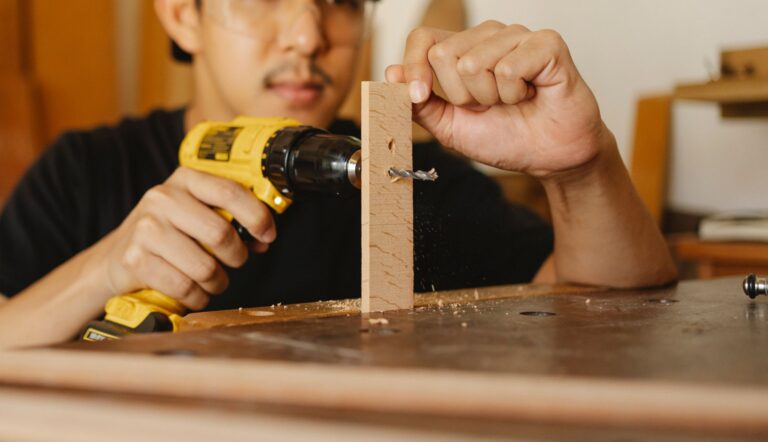
Custom framing calls for a hammer that feels steady in the hand, lands cleanly, and holds up through long sessions on wood, fasteners, and the occasional pry task. You’ll notice the difference quickly in a busy jobsite, a garage build, or a weekend framing project where comfort starts to matter as much as swing weight. This roundup keeps the focus on durable heads, grip design, and the features that actually change how the tool feels after an hour or two.
Quick Look At The Shortlist

IRWIN Hammer, Fiberglass, Claw, 16 oz. (1954889)
IRWIN Hammer, Steel, Claw, 20 oz. (1954888)
Spec Ops Tools Nailing Hammer 20 Oz

ESTWING Ultra Series Hammer 19 oz E19S

ESTWING Ultra Series Hammer 19 oz E6-19S

ESTWING Ultra Series Hammer 19 oz EB-19SM

ESTWING 20 oz Framing Hammer

VAUGHAN DALLUGE 16 oz Titanium Framing Hammer VN07180
More Details On Our Top Picks
That fiberglass handle makes this IRWIN feel less harsh in the hand than a bare steel pattern, which matters during trim-out work or a long afternoon of framing layouts. The forged steel head adds the kind of durability you want for repeated striking, while the ProTouch grip aims to stay comfortable as your grip gets tired.
For small framing jobs, general carpentry, or a garage tool kit, the 16 oz weight gives you a lighter swing than the heavier options later in this list. The trade-off is plain, though, you give up some driving force compared with the 20 oz models from IRWIN and Estwing.
Strong Points
- Fiberglass handle helps soften hand feel during repetitive work.
- 16 oz head keeps the swing manageable for lighter tasks.
- Forged steel head supports long-term jobsite use.
- ProTouch grip is built for comfort during extended sessions.
Points To Note
- Less mass than the heavier framing hammers here, so it suits lighter drive work better.
- Fiberglass does not give the same classic feel as solid steel or leather-grip designs.
Feature Snapshot
Who It Suits Best
Home framers, finish carpenters, and casual DIYers who want a lighter claw hammer will get the most from this one.
A Better Fit Elsewhere
ESTWING 20 oz Framing Hammer suits carpenters who want a heavier, more forceful swing for tougher framing lumber.
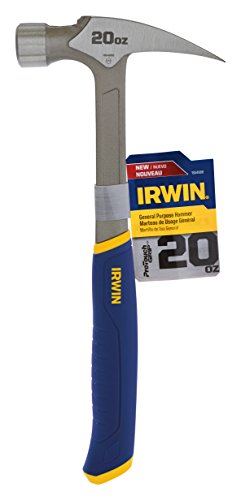
This steel-handled IRWIN leans sturdier than the fiberglass version just above it, and that difference shows up in the way it feels during harder framing work. The ProTouch grip is meant to cut down hand fatigue, so you get a firmer tool without giving up comfort completely.
The 20 oz head gives you more driving weight than the 16 oz IRWIN, which is useful for structural lumber and longer nail runs. The honest read is that the extra mass can feel a little less nimble, so it suits people who value momentum over featherweight handling.
What We Like
- Steel handle brings a solid, work-ready feel.
- 20 oz head adds more driving force than the lighter IRWIN model.
- ProTouch grip is aimed at reducing hand strain over time.
- Good match for framing tasks that need a stronger swing.
Small Caveats
- Heavier feel may take more effort during overhead work.
- Steel construction can seem less forgiving than fiberglass on long days.
Core Details
Who Will Love This
Framers and serious DIYers who want more swing weight than a 16 oz hammer offers should feel at home with this pick.
Another Choice May Suit
IRWIN Hammer, Fiberglass, Claw, 16 oz. (1954889) makes more sense for lighter tasks and users who prefer a gentler handle feel.
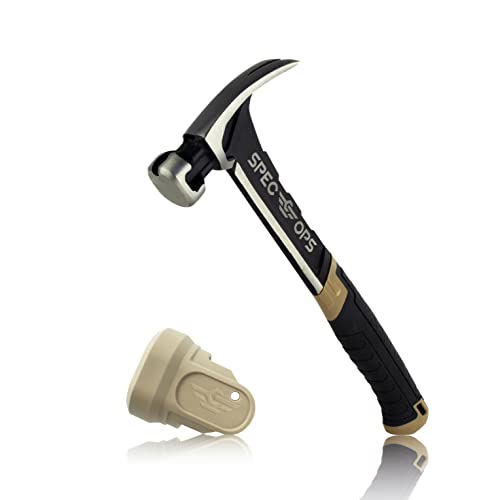
Spec Ops takes a more task-mixing approach than the two IRWIN hammers, with a rip claw, smooth face, and shock-absorbing grip aimed at framing, carpentry, and demolition. The 20 oz nailing hammer format suits jobsite work where you want one tool to cover more than one phase of the day.
That mallet-cap detail matters because it broadens how the hammer can be used around wood surfaces without always feeling like a pure framing tool. You may find it especially handy in a garage build or renovation where nail driving, prying, and light persuasion all happen in one stretch.
Best Bits
- Rip claw adds nail-pulling and pry-bar style utility.
- Smooth face fits standard framing and carpentry work.
- Shock-absorbing grip should help on longer work sessions.
- Mallet cap expands the hammer’s jobsite flexibility.
- 20 oz weight gives it enough heft for framing use.
Areas To Watch
- All those features can feel like more tool than you need for simple household repairs.
- A multi-role design may not feel as focused as a classic framing hammer.
- Grip care matters, since jobsite dust can build up around textured handle surfaces.
Details At A Glance
Built With In Mind
You’ll get the most from this one in framing, carpentry, or renovation work where a single hammer needs to do more than one job.
Where A Sibling Pick Shines
ESTWING Ultra Series Hammer 19 oz E6-19S is a cleaner fit for users who want a more straightforward framing hammer with less multi-tool emphasis.
This ESTWING leans into a traditional framing look, and the genuine leather grip gives it a feel that stands apart from the molded handles above. The smooth face and 19 oz head make sense for framing work where control matters as much as driving power.
For remodels, rough carpentry, and tool belts that already carry a few specialty tools, it offers a familiar no-nonsense setup. One thing worth considering is that leather grips tend to appeal most to people who like an older-school hand feel rather than a soft, cushioned surface.
Bright Spots
- Genuine leather grip gives the hammer a distinct hand feel.
- 19 oz weight keeps it in strong framing territory without feeling excessive.
- Smooth face supports clean strikes on common carpentry work.
- USA-made construction will matter to some tool-focused users.
Worth Noting
- Leather grip style asks for a user who likes a more traditional surface.
- It does not add the extra nail-starting help found on some other picks here.
Key Specs
Made For
You should look here for framing work, carpentry, and remodel projects where a classic grip and balanced weight sound right.
Skip It When
VAUGHAN DALLUGE 16 oz Titanium Framing Hammer VN07180 makes more sense for anyone who wants a lighter tool with a magnetic nail holder.
Compared with the leather-grip ESTWING just above, this version swaps in the Shock Reduction Grip, which points straight at comfort during repeated swings. That matters on long framing days where hand fatigue can creep up before the job is finished.
The rip claw keeps the tool useful for pulling nails and light demolition, so it still feels like a real jobsite hammer rather than a comfort-only piece. The catch is that the grip-focused design may appeal less to folks who prefer the firmer, more traditional feel of wood or leather.
Upsides
- Shock Reduction Grip is built for longer, less tiring sessions.
- 19 oz head keeps it firmly in framing territory.
- Rip claw adds useful nail-pulling and prying ability.
- Smooth face supports standard carpentry strikes.
Room For Improvement
- Grip style is more modern than classic, which won’t suit every hand preference.
- No magnetic nail starter, so one-handed starts are not part of the package.
Feature Rundown
Right Fit For
Framers and remodeling crews who spend long hours swinging a hammer will appreciate the comfort angle here.
Look Elsewhere When
ESTWING Ultra Series Hammer 19 oz E19S suits users who want the same general category with a more traditional leather grip.
This version keeps the same shock-dampened handle approach as the E6-19S, but the milled face changes the way the hammer meets the nail. A milled face has a textured striking surface, which can help reduce glancing slips on certain nails and work surfaces.
That makes this a sensible step up for glove-heavy work or rougher framing conditions where a smoother face can feel a little too slick. The honest trade-off is that a milled face may leave more surface marks, so it fits structural work better than finish-sensitive tasks.
Reasons To Buy
- Milled face adds extra bite for jobsite framing.
- Shock Reduction Grip helps make repeated swings feel easier.
- 19 oz head keeps the hammer squarely in framing range.
- Rip claw still gives you nail-pulling utility.
Trade Offs
- Textured face is not the friendliest choice for appearance-sensitive surfaces.
- It asks a little more care in storage so the face stays clear of debris.
Technical Sheet
The Right Fit
Carpenters working on rough framing, decks, or renovation tear-out will get the most from this textured-face design.
Swap It Out When
ESTWING Ultra Series Hammer 19 oz E6-19S is the easier pick for anyone who wants the same comfort-focused grip with a smoother striking face.
This ESTWING sits closer to a no-frills pro framing hammer, and the one-piece forged steel build gives it a very direct feel in the hand. Compared with the more comfort-tuned E6-19S and the leather-grip E19S, it leans harder into pure durability and a classic jobsite personality.
The 20 oz head provides the heaviest swing in this ESTWING group, so it fits demanding framing, prying, and demolition work. For most jobsite users, that extra heft is useful, though smaller hands or lighter-duty weekend projects may prefer one of the 19 oz or 16 oz options.
Best Suited To
- One-piece forged steel construction feels built for hard use.
- 20 oz head gives strong momentum for framing and demo.
- Rip claw design adds practical pulling and prying utility.
- Shock Reduction Grip helps keep the hammer manageable.
Softer Spots
- Heavier swing can wear on you during lighter work.
- Its pro-style setup may feel more than basic household users need.
Spec Overview
Whose Shelf It Belongs On
Experienced framers and serious renovators who want a heavier, straightforward steel hammer should feel right at home here.
Reach For A Different Pick When
IRWIN Hammer, Fiberglass, Claw, 16 oz. (1954889) is the easier carry for lighter jobs and users who want less fatigue in the wrist.
Titanium changes the whole character of this Vaughan, because it’s built for strong swings with less mass in hand than the steel-heavy options above. The magnetic nail holder is especially handy for linemen, framers, and builders who want one-handed starts on metal or sheet work.
The milled face adds grip at the nail head, so the tool makes sense where control and fast starts matter more than brute weight. You may find the 16 oz format best for precise work or day-long carry, while pure heavy framing crews may still prefer the 19 oz and 20 oz steel picks.
Highlights
- Titanium head keeps the tool light for its class.
- Magnetic nail holder helps with one-handed starts.
- Milled face adds bite on contact.
- Good fit for metal and sheet projects.
- Useful for users who carry tools all day.
Minor Gripes
- 16 oz weight gives up some driving mass versus heavier framing hammers.
- Specialized features may be more than casual DIY users need.
- Magnetic hardware should be kept clear of packed dust and debris.
Feature Card
Best Suited To
Framers, linemen, and builders who want a lighter, more precise hammer for all-day carry will get the most value here.
Where A Sibling Pick Shines
ESTWING 20 oz Framing Hammer fits people who want more raw striking weight and a simpler steel-focused setup.
How To Choose The Right Custom Framing Hammers
Head Weight And Swing Feel
Head weight changes how the hammer moves, and that matters more than most people expect once the work day gets long. A 16 oz model feels easier to steer and carry, while 19 oz and 20 oz hammers bring more driving force for bigger framing jobs. You usually feel that difference most when setting long runs of nails or working overhead, where heavier tools can become tiring faster.
Handle Material And Grip Design
Fiberglass, steel, leather, shock-absorbing polymer, and titanium each bring a different feel to the same basic tool. Fiberglass and shock-reduction handles usually feel easier on the hand, while steel and forged one-piece builds lean toward a firmer, more direct strike. Leather grips can appeal to anyone who likes a classic hand feel, though they ask for a different preference than molded grips.
Face Style And Nail Control
Smooth faces make sense for general framing and cleaner striking habits, while milled faces add texture that can help the hammer stay planted on the nail head. That extra bite helps in rougher jobsite conditions, but it can leave more marks, so it’s better for structural work than finish-sensitive tasks. Magnetic nail starters change the rhythm too, because they let you set a nail with one hand before you swing.
Match The Tool To The Job
Carpenters, framers, and demolition-heavy users rarely need the exact same setup. A remodeling crew may value a rip claw and shock-absorbing grip, while a weekend project tool kit may do better with a lighter 16 oz option that feels easier to store and carry. The right choice comes from the kind of lumber, reach, and repetition you face most often.
Things Worth Knowing First
Common Shopping Slip Ups
Many people focus on weight alone and miss the grip or face style, which can matter just as much over a long session. A hammer that feels fine for a few strikes can feel clumsy after an hour, especially on overhead framing or repeated nail setting.
Another easy miss is choosing a general-purpose claw hammer for work that really calls for a framing layout. The better move is to match the hammer’s head weight, claw style, and strike face to the kind of job you handle most.
The Case For Spending Up
Higher-tier framing hammers usually cost more because of the material choices and the engineering behind the grip, face, and head balance. Titanium, one-piece forged steel, magnetic nail holders, and shock-dampening handles are all aimed at better control or less hand fatigue.
That upgrade tends to matter most for contractors, remodelers, and anyone who swings all day. For occasional use, a simpler 16 oz or 19 oz hammer may be enough, but heavier-duty work usually justifies the better-feeling handle and more refined build.
Frequently Asked Questions
What makes a framing hammer different from a regular claw hammer?
A framing hammer usually has a heavier head and a longer, more job-focused shape. That extra mass helps with structural lumber, nail driving, and rough carpentry.
Is a milled face better than a smooth face?
A milled face adds texture that can help it grip the nail head. A smooth face is cleaner for general use and may be the better fit for surfaces where marks matter.
Does titanium really matter in a hammer?
Titanium mainly changes weight and feel, so the hammer can swing strongly without feeling as heavy in your hand. That helps on long days or when you carry tools a lot.
What head weight works best for most framing jobs?
Many users feel comfortable in the 19 oz to 20 oz range for serious framing work. Lighter 16 oz models suit easier carry and less demanding tasks.
Should you care about a magnetic nail starter?
It matters most when you want one-handed nail placement or work in awkward positions. For simple bench work, it’s helpful but not essential.
Closing Thoughts
The right custom framing hammer depends on how hard you swing, how long you carry it, and how much comfort you want after the first hour. The IRWIN pair gives you lighter and heavier steel-backed options, the ESTWING lineup covers classic steel framing feel with more grip choices, and the Vaughan titanium pick stands out for lighter carry plus one-handed nail starts. For most people, the best choice comes down to whether you want raw driving weight, grip comfort, or a lighter tool that stays easy to live with. Pick the one that fits your work rhythm, and the rest usually falls into place.