Deck prep gets a lot easier once you match the tool to the job. Some of these picks lean toward fast material removal, while others make more sense for smoothing, finishing, or handling larger flat areas without wearing you out too quickly.
You’ll find a mix here, from handheld random-orbit sanders to deck-removal and longboard-style tools. That matters because rough boards, old coatings, and broad surfaces each ask for something a little different.
Quick Look at the Shortlist

WORKPRO 5-Inch Random Orbit Sander 6 Variable Speeds 2.5 Amp

Wood Deck Removal Tool 4-1/2 in.
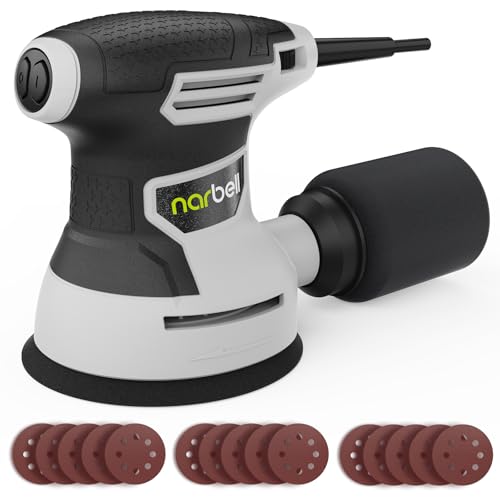
NARBELL Orbital Sander 3.0AMP 14000RPM Random Orbit Sander Tool

Metabo HPT 5-Inch Random Orbit Finishing Sander SV13YST

Goldblatt 9 Inch Drywall Sander with 30pcs Sanding Discs
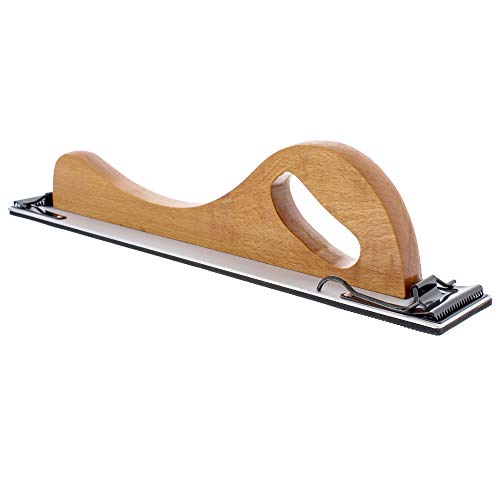
TCP Global Wooden Handle Longboard Sander for PSA Sandpaper
More Details On Our Top Picks
For general deck prep, this WORKPRO model keeps the focus on control rather than brute force. Six speed settings and a 2.5 amp motor give you room to soften rough edges without feeling locked into one pace.
The 5-inch format suits smaller spans, rail boards, and spot sanding around repairs. The dust collector helps keep cleanup more manageable, though you’ll still want to expect some mess around corners and grooves.
What We Like
- Variable speed control helps you match the cut to softer wood, weathered boards, or finish smoothing.
- The 5-inch pad size feels practical for deck boards and detail work around tight sections.
- Dust collection support cuts down on airborne debris and keeps the work area easier to see.
- The included 15 sanding sheets make it easier to get started on common prep tasks.
Things To Consider
- The 2.5 amp motor suits light to moderate sanding more than heavy stock removal.
- Decking with deep ridges or old coatings may take multiple passes, especially on larger spans.
- Dust collection still needs regular emptying and cleaning to stay useful.
Feature Snapshot
Who It Suits Best
Home improvers who want a simple, adaptable sander for deck boards, trim, and furniture-style cleanup will get the most from it.
A Better Fit Elsewhere
Metabo HPT SV13YST suits you better for longer finishing sessions, thanks to its lighter comfort-first shape and hose connector.
This Diamabrush-style deck removal tool belongs at the roughest part of the job, not the finishing stage. Mounted to a 4-1/2 inch angle grinder, it’s aimed at stripping worn deck material before a finer sander takes over.
That makes it a very different tool from the handheld sanders above, and the trade-off is plain: faster removal, less finesse. For tired boards with stubborn surface material, the honest read is that this kind of cutter is about getting you back to bare wood sooner.
Strengths
- Purpose-built for deck removal work rather than light sanding.
- The 4-1/2 inch size fits common angle grinder setups.
- Good match for stripping old surface material before refinishing.
- Useful on large, worn sections where hand sanding would take much longer.
Room For Improvement
- It is not meant for the smooth finish work you’d do after removal.
- Requires a compatible angle grinder, so setup matters.
- More aggressive tools tend to create more cleanup and wear on consumables.
Core Details
Who Should Grab It
DIYers tackling old decking and surface stripping before refinishing will find this the most direct fit.
Skip It When
WORKPRO 5-Inch Random Orbit Sander suits you better for smoothing, edge cleanup, and lighter wood prep after the heavy work is done.
NARBELL gives you a fairly complete sanding kit in a familiar 5-inch random-orbit format. The 3.0 amp, 360W motor and 14,000 RPM top speed point to a tool built for steady wood prep, not just light touch-up work.
Compared with the WORKPRO, this one leans a bit harder on motor output, while still keeping the same six-speed flexibility. For deck railings, bench parts, and general sanding around the house, that balance can feel very useful.
Highlights
- 3.0 amp, 360W motor gives it solid everyday sanding muscle.
- Six speed settings make it easier to match the task.
- Includes 15 sandpapers and a dust bag, so the kit feels ready out of the box.
- 5-inch pad size works well for broad boards and smaller project pieces alike.
- The light gray finish keeps the look simple and clean.
Points To Note
- Dust bags fill quickly on messy sanding jobs, so emptying them is part of regular upkeep.
- The included sandpaper assortment is useful, though serious deck projects may call for extra grits.
- It still follows the usual random-orbit limits, so deep stripping work asks for patience.
At A Glance
Best Suited To
You’ll appreciate this most for regular home sanding, especially where you want a modest power boost without moving to a bulkier tool.
A Better Fit Elsewhere
Goldblatt 9 Inch Drywall Sander suits wider wall and panel work better, while Metabo HPT SV13YST is the calmer pick for finish-focused sessions.
Metabo HPT’s SV13YST looks built for people who spend real time on finishing, not just a quick pass before paint or stain. The palm-style grip, compact body, and lighter feel make it easier to keep a steady hand over longer sessions.
Its 9,000 to 13,000 RPM range is slightly narrower than the NARBELL’s headline speed, but the trade-off shows up in control and comfort. For deck railings, detailed boards, and projects where hand fatigue matters, that’s often the better bargain in practice.
Upsides
- Palm-style grip supports a more natural hold during longer work.
- Compact and lightweight design helps reduce strain on arms and wrists.
- Dust collection hose connector makes it friendlier for connected shop cleanup.
- Variable speed keeps it adaptable for finish sanding and light prep.
Areas To Watch
- The speed ceiling is lower than some of the other handheld sanders here.
- Best suited to finishing and smoothing, not heavy stripping.
- Hose setup adds one more thing to manage during storage and setup.
Details At A Glance
Whose Shelf It Belongs On
This suits finish-minded DIYers and weekend woodworkers who care about comfort during repeat sanding passes.
Where A Sibling Pick Shines
WORKPRO 5-Inch Random Orbit Sander suits you better for a wider speed span, while NARBELL gives you a stronger all-around kit feel.
This Goldblatt setup is more of a surface prep accessory than a full power sander, and that distinction matters. With a 9-inch size and hook-and-loop discs in 80, 100, and 180 grit, it fits wall cleaning and polishing jobs where broad coverage helps.
Compared with the handheld tools above, this pick makes more sense for large flat areas than for railings or tight deck details. The disc mix is handy, though you’ll want a steady hand and a separate power tool setup that matches the task.
Bright Spots
- The 9-inch format covers large surfaces efficiently.
- Hook-and-loop attachment makes disc changes straightforward.
- Mixed grits give you useful starting points for different wall jobs.
- Good fit for cleaning and polishing broad panels or similar flat areas.
Softer Spots
- This is more of an accessory set than a complete standalone sanding solution.
- Better for walls and panels than for narrow deck boards or corners.
- Discs are consumables, so keeping extras on hand is part of ownership.
Feature Rundown
Built With In Mind
This fits you best for drywall work, broad wall cleanup, and other large, flat prep jobs where coverage beats finesse.
Another Choice May Suit
TCP Global Wooden Handle Longboard Sander suits you better for long, even hand strokes on flat panels and trim surfaces.
The TCP Global longboard takes a very old-school route, and that can be a good thing for flat work. The wooden handle and extended shape suit broad, controlled passes, especially where you want even pressure across a long surface.
It accepts PSA sandpaper, which means pressure-sensitive adhesive backing, so the abrasive sticks directly to the board rather than using a hook-and-loop pad. That makes it a strong match for shop work and hand-guided deck refinishing, though it’s less forgiving than powered sanders for fast correction.
Best Bits
- Longboard shape helps you keep sanding strokes even across broad areas.
- Wooden handle gives it a simple, familiar hand tool feel.
- PSA compatibility supports continuous rolls or cut sheets.
- Good for controlled surface prep where power is less important than consistency.
Minor Gripes
- Manual sanding asks for more effort than a powered random-orbit tool.
- PSA paper setup takes a little more prep than quick-change disc systems.
- Best on flatter surfaces, so tight corners still need a different tool.
Quick Facts
Right Fit For
Handy for finishers and detail-oriented DIYers who like manual control on flat wood surfaces.
Reach For A Different Pick When
Metabo HPT SV13YST suits you better for powered comfort, while the WORKPRO is the more versatile all-around machine.
How To Choose The Right Decking Sanders
Sanding Style Comes First
Decking work starts with the kind of surface you’re facing. Random-orbit sanders are the flexible choice for general smoothing, edge cleanup, and prep before stain or paint, while removal tools make sense for badly worn boards that need more aggressive material stripping.
A longboard or manual sander brings a different kind of control. It suits flatter stretches where even pressure matters more than speed, which is handy on broad deck boards or panel-like surfaces.
Power, Speed, And Control
Motor size and speed range tell you a lot about how hard a tool can work. Lower-output sanders are usually easier to handle for finish work, while stronger motors and higher RPM ranges help on rougher surfaces, though they can also make the tool feel less forgiving.
Variable speed is especially useful because weathered decking does not behave like fresh pine. You can slow the tool down near edges or soft spots, then raise the pace on sturdier sections that need more bite.
Comfort Matters On Bigger Projects
Deck refinishing can take longer than you expect, so grip shape and weight deserve real attention. Palm-style handles, compact bodies, and lighter builds reduce fatigue, especially during overhead or repetitive passes on railings and stairs.
Dust control also changes the experience more than people expect. A collector, bag, or hose connector does not make sanding clean, but it does help you see the surface and keep the work area more manageable.
Match The Tool To The Finish Goal
The honest read is that no single sander handles every deck job well. A removal tool clears the way, a random-orbit sander evens things out, and a longboard helps with broad, straight surface work.
That’s why it helps to think in stages instead of chasing one all-purpose tool. For a full deck project, the right setup often comes from pairing two tools that cover different parts of the same job.
Things Worth Knowing Before You Choose
Mistakes Worth Dodging
One common slip is choosing too much tool for the job. A removal wheel can be a headache for light smoothing, while a small finishing sander can feel slow on badly weathered decking.
Another is ignoring abrasive support. Disc count, grit variety, and attachment style matter because deck work eats sanding material faster than casual household projects.
Where The Extra Money Goes
Higher-tier picks usually spend money on comfort, control, and cleanup support. Better grip design, steadier speed control, stronger dust routing, and a more durable feel are the features that tend to separate a basic tool from a nicer one.
That upgrade tends to matter most on larger projects or for people sanding often. For occasional spot work, a simpler model can be enough, especially when the main goal is basic prep rather than all-day use.
Frequently Asked Questions
What makes a sander better for deck work?
A good deck sander balances control, surface coverage, and the right amount of cutting power. Random-orbit models handle general prep well, while removal tools suit worn surfaces that need more aggressive work.
Do you need variable speed for decking?
Variable speed helps because deck boards are rarely uniform across an entire surface. It gives you more control near edges, softer wood, and areas that only need light smoothing.
Is a 5-inch sander enough for a deck?
A 5-inch random-orbit sander is useful for many deck tasks, especially edge work, railings, and spot repairs. Large open sections still take time, so broader tools can save effort on bigger jobs.
What’s the difference between a removal tool and a finishing sander?
A removal tool is built to strip material quickly, while a finishing sander is meant to smooth and refine the surface. They solve different parts of the same project, and many deck jobs benefit from both.
Should you choose a dust bag or a hose connector?
A dust bag is simpler and easier to move around with, which suits portable work. A hose connector usually fits better in a more fixed setup where cleanup and visibility matter more.