You want a depth finder that helps you stay on school fish without turning your dash into a science project. For crappie fishing, that usually means a clear display, sane controls, and sonar that makes shallow cover, brush, and drop-offs easier to read on the water.
This roundup focuses on seven very different setups, from full-screen fish finders to simpler in-dash depth units and portable options. You’ll see which models suit a weekend pontoon, a kayak, or a boat that needs a clean install with less fuss.
Quick Look At The Shortlist

Garmin Striker Vivid 7cv

Lowrance HOOK Reveal 5 SplitShot

Humminbird HDR 650 In Dash Depth Sounder

HawkEye DT2BX-TM In-Dash Depth Sounder
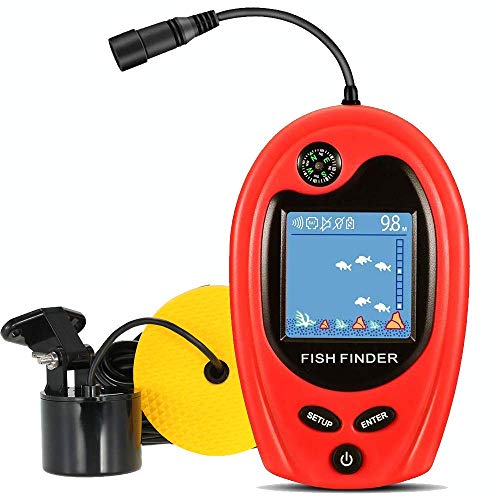
LUCKY Sonar Portable Fish Finder

FishPod 5X Bluetooth Fish Finder

JOYWEE FF688C 3.5-inch Phiradar Color LCD Fish Finder
More Details On Our Top Picks
The larger 7-inch display gives you more room to read sonar returns without squinting, which matters on a moving boat with changing light. Built-in GPS and CHIRP ClearVü sonar make it a strong fit for locating brush piles, ledges, and the kind of scattered cover crappies tend to hold around.
The trade-off is that this is more screen and more capability than a barebones depth-only unit, so it suits anglers who want extra information rather than the simplest possible setup. For lake runs, it feels like a dashboard with room to breathe.
Strong Points
- 7-inch color screen is easier to read from a seated helm.
- CHIRP sonar helps separate returns better than a basic depth beep.
- ClearVü side of the package is useful around brush, timber, and dock edges.
- Built-in GPS helps you revisit productive spots without extra clutter.
- Vivid palettes let you tune the display for glare or low light.
Worth Noting
- The feature set is broader than many crappie-only anglers need.
- A 7-inch unit takes more dash space than compact in-dash options.
- More functions can mean a bit more setup time at first launch.
Feature Snapshot
Who Will Love This
You’ll like this most if you fish from a small or mid-size boat and want sonar detail without going into ultra-complex chartplotter territory.
A Better Fit Elsewhere
Humminbird 407860-1 HDR 650 In Dash Depth Sounder suits you better if your only goal is a clean, dedicated depth readout with less screen management.
The 5-inch display keeps this model compact, yet the SplitShot transducer gives you a more useful view than a plain depth screen. Preloaded C-MAP Inland mapping adds context on lakes and reservoirs, which helps you stay oriented while chasing crappies along humps, points, and channel swings.
Compared with the Garmin above, this one leans a bit more toward compact navigation help and a simpler footprint. That balance makes sense for anglers who want map support without giving up too much dash room.
Highlights
- Preloaded inland mapping saves you from starting with a blank screen.
- SplitShot transducer gives you both scanning and standard sonar views.
- 5-inch size fits smaller consoles more easily than a 7-inch unit.
- Useful for tracking structure on lakes and reservoir runs.
- Good middle ground between simple depth readouts and fuller fish-finding packages.
Areas To Watch
- The smaller screen can feel tight compared with larger displays.
- Mapping helps most on inland water, so saltwater-focused use is a poorer match.
- Owners who want a very basic depth alert system may find extra features unnecessary.
Core Details
Made For
You’re a strong match for this model if you split your time between sonar use and route awareness on inland lakes.
Where Another Pick Shines
Garmin Striker Vivid 7cv fits better for anglers who want a larger screen and more visual sonar separation.
This is the cleanest no-nonsense option in the group. As an in-dash digital depth sounder, it suits a boat where you want a dedicated depth readout without the screen clutter of mapping menus or extra sonar modes.
The included transom mount transducer makes it easier to plan a straightforward installation on many boats, especially older rigs and utility setups. For crappie fishing, that kind of simplicity can be very welcome on a busy console.
Best Bits
- Dedicated depth display keeps the interface simple.
- In-dash format helps the helm look tidy.
- Included transom mount transducer supports a more complete install.
- Good fit for anglers who mainly need depth awareness.
Small Caveats
- No large color display or mapping layer to help with structure hunting.
- It is more about reading depth than interpreting detailed sonar images.
- In-dash installs suit some boats better than others, depending on panel space.
Details At A Glance
The Right Fit
You’ll appreciate this most on a boat where depth matters more than maps, menus, or large display graphics.
Swap It Out When
Lowrance HOOK Reveal 5 SplitShot suits you better if you want mapping plus a fuller sonar view for roaming bigger inland waters.
This HawkEye model keeps the same console-friendly in-dash approach as the Humminbird, but adds temperature readouts for air and water. That extra context helps you make sense of changing conditions on a cool morning or during a slow bite.
The included transom mount transducer gives you the pieces you need for a more complete setup, though the install still depends on your boat’s dash layout. It’s a good fit for anglers who like a little more environmental context without moving into a bigger fish-finder system.
Upsides
- Depth, air temperature, and water temperature in one unit.
- In-dash form keeps the console visually tidy.
- Included transom mount transducer helps simplify setup planning.
- Useful for spotting conditions that affect fish behavior around structure.
Points To Note
- Not as information-rich as a charting fish finder.
- In-dash fit depends on available panel space and existing cutouts.
- Extra temperature data helps, but it does not replace sonar detail.
Technical Sheet
Best Suited To
You’re a good match for this pick if you want a compact dashboard unit that tells you more than depth alone.
Another Choice May Suit
Humminbird HDR 650 In Dash Depth Sounder fits better for you if you want the cleanest possible depth-only setup.
Portable sonar changes the conversation for kayaks, rentals, and small boats where permanent wiring feels like too much trouble. This LUCKY unit gives you a wired transducer setup, so you can carry the display and still read depth without mounting a full console system.
Compared with the in-dash picks above, the appeal here is mobility rather than polish. The honest read is that you give up the tidy, built-in look, but you gain flexibility for short trips and changing boats.
Bright Spots
- Portable format works well on kayaks and light boats.
- Wired transducer gives you a real sonar connection instead of a purely guess-based tool.
- Handheld style makes storage and transport easier between outings.
- Good match for anglers who fish from more than one craft.
Softer Spots
- The portable layout means more setup and pack-away steps.
- Less seamless than a fixed dash install on a dedicated fishing boat.
- Wiring can feel a little less tidy in a very compact cockpit.
Feature Rundown
Whose Shelf It Belongs On
You should look at this one first if you fish from a kayak, jon boat, or borrowed craft and want a carryable sonar option.
Reach For A Different Pick When
HawkEye DT2BX-TM In-Dash Depth Sounder fits you better if your boat already has a clean panel space and you prefer a permanent install.
Bluetooth changes how you think about a fish finder because the display lives on your phone instead of a dedicated screen. For anglers who already keep a phone close at hand, that can simplify the helm and cut down on extra hardware.
The AI Technology label suggests a more app-driven experience than the classic sonar boxes in this list, so it stands apart from the Garmin and Lowrance units above. You may find that setup more natural on a modern compact boat, though it also means your comfort with phone-based control matters quite a bit.
Reasons To Buy
- Phone-linked setup keeps the hardware footprint light.
- Bluetooth pairing can reduce the need for a separate display unit.
- Useful for anglers who prefer app-based control.
- Different feel from the more traditional dash-mounted choices.
Room For Improvement
- Relies on your comfort with a phone-centered workflow.
- Less traditional than the fixed-screen units in this roundup.
- Could feel less intuitive for anglers who want simple dedicated controls.
Core Details
Perfect Match For
You’re likely to appreciate this most if you want a light, phone-based setup rather than a traditional dash display.
Look Elsewhere When
Garmin Striker Vivid 7cv fits better if you want a larger built-in screen and more classic on-boat control.
This little color LCD unit keeps things simple with a 3.5-inch screen, dual sonar frequencies, and an 80 m, 240 ft detection figure in the listing. That makes it a straightforward entry point for anglers who want sonar help without moving into a larger, pricier-looking setup.
Compared with the Garmin and Lowrance units, the display is clearly more modest, but that also helps keep the unit approachable on smaller boats. For a first sonar setup, that balance can feel easier to live with than a stack of extra features.
Positives
- 3.5-inch color LCD is compact and easy to place.
- Dual sonar frequencies add a bit more flexibility than a single-band unit.
- Auto zoom helps you keep an eye on the water column without constant manual adjustment.
- Multi-language support broadens its appeal for mixed-language households or crews.
Trade Offs
- The smaller screen limits how much detail you can view at once.
- More basic feel than the larger Garmin and Lowrance picks.
- Best suited to simpler fishing setups rather than feature-heavy consoles.
Quick Facts
Built With In Mind
You’ll get the most out of this if you want an affordable color sonar screen for casual crappie trips.
Where Shoppers Go Wrong
Lowrance HOOK Reveal 5 SplitShot is the better fit when you want inland mapping and a more polished sonar package.
How To Choose The Right Depth Finder For Crappies
Screen Size, Readability, And How You Fish
For crappies, the screen matters because you’re often watching brush, edges, and depth shifts at the same time. A 7-inch display like the Garmin Striker Vivid 7cv gives you more room to interpret returns, while a 3.5-inch unit like the JOYWEE FF688C keeps the setup compact and simple.
Brightness and color handling matter too, especially on open water or in a boat with a low dash angle. Vivid palettes, color LCDs, and larger text can reduce eye strain during a long day, but the trade-off is usually a bigger footprint and a little more power draw.
Sonar Type And Structure Reading
CHIRP sonar sends a sweep of frequencies rather than one narrow ping, which helps separate targets and bottom detail in busy water. That’s useful around brush piles and submerged timber, where crappies can stack tight to cover.
ClearVü and SplitShot-style packages matter for anglers who want a better read on structure, not just depth. Simpler depth sounders, like the Humminbird HDR 650 and HawkEye DT2BX-TM, keep the picture cleaner, but they give you less visual help when you’re locating fish-holding cover.
Mount Style And Boat Fit
In-dash units suit boats with a neat console and a permanent place for electronics. Portable and handheld models make more sense for kayaks, rentals, and smaller rigs where drilling holes or running extra cable feels like too much work.
Think about storage, too. A portable sonar unit is easier to move, but it also asks for more setup every trip, while an in-dash model usually feels steadier once it’s installed.
Extra Features That Matter More Than They Seem
GPS helps you mark a productive point and come back to it later, which is useful on lakes with a lot of similar-looking water. Inland mapping can be just as helpful, especially on reservoirs where channel bends and humps matter as much as the fish finder itself.
Temperature readouts are a quiet advantage, not a headline feature. Air and water temperature can help you make sense of changing bite windows, but they don’t replace solid sonar or a screen you can read fast.
Things Worth Knowing First
Mistakes Worth Dodging
Many shoppers focus on screen size alone and miss the value of sonar type, transducer fit, and mounting style. A large display won’t help much if the unit doesn’t match your boat or the way you fish.
Another common slip-up is choosing more features than you’ll use. A dedicated depth sounder can be the better call for simple boat setups, while a full mapping unit only earns its keep when you really need navigation help.
The Upgrade Payoff
Higher-tier depth finders usually cost more because they bundle better screens, more capable sonar, and often GPS or mapping. That extra money goes into faster reading, cleaner detail, and a more complete picture of the water.
The upgrade makes sense for anglers who fish new lakes often or spend long days trying to stay on a pattern. For short, familiar trips, a simpler model can be easier to live with and just as sensible.
Frequently Asked Questions
Can You Use A Depth Finder For Crappies In Shallow Water?
Yes, shallow-water crappie fishing is exactly where a depth finder can help you stay on the right edge of cover. A unit with clear shallow readings and responsive sonar makes more sense than one built only for long-range chart work.
Do You Need GPS For Crappie Fishing?
You do not need GPS for every trip, but it helps a lot on bigger lakes and reservoirs. Marking brush piles, points, and channel turns can save time on repeat runs.
Is A Small Screen Enough?
A small screen can work well on compact boats or for simple depth checks. The trade-off is less room for detail, so it can feel cramped once you start watching structure and fish returns together.
What Is The Difference Between A Depth Sounder And A Fish Finder?
A depth sounder focuses mainly on water depth, while a fish finder usually adds more sonar detail for structure and fish location. For crappies, that extra detail often helps because these fish tend to gather around cover.
Which Setup Works Best For A Kayak?
A portable or handheld sonar unit usually fits a kayak better than an in-dash system. You get less installation hassle and easier transport, which matters a lot on small craft.