Dust control gets a lot easier once you match the tool to the task. A small nail station needs something very different from a garage shop, and a cordless vacuum has a separate job from a floor-standing collector. The right pick keeps cleanup faster, the air clearer, and your workspace less cramped with stray debris.
That’s the mix you’ll see here, from compact extractors for tight spaces to larger systems for woodworking and shop use. You’ll also find a few trade-offs worth knowing, because capacity, portability, filtration, and hose setup all change how a tool feels in daily use.
The Shortlist At A Glance

Vacmaster Professional Beast Series VFB511H 0201 5-Gallon Wet/Dry Vac
BOSCH GAS18V-3N 18V Cordless Wet Dry Vacuum 2.6 Gallon

Dust Right Dust Separator 36-inch Flex-Form Hose
WEN Woodworking Dust Collector DC3401 12-Gallon Bag

DEWALT Dust Separator DXVCS002 6-Gallon Poly Tank

SAVILAND Nail Dust Collector with Lamp 40W
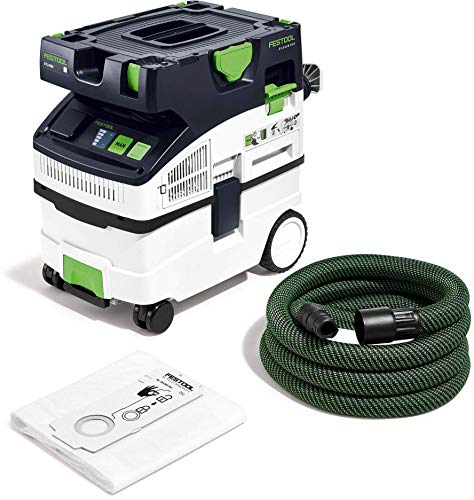
Festool 574837 CT Midi I HEPA Bluetooth Dust Extractor

Festool CTL SYS Dust Extractor (Black, Green, White)
More Details On Our Top Picks
In a garage that picks up sawdust, drywall grit, and the occasional spill, this Vacmaster leans into rough-duty cleanup rather than finesse. The 5-gallon tank keeps it from feeling oversized, while the wet/dry design gives you a wider cleanup range than a standard dry-only extractor.
The honest trade-off is size, because a more capable vac still asks for more storage room than a compact canister. That said, the black finish and contractor-style layout suit home shops that need one tool for mixed messes, and it’s a sensible fit for people who want straightforward cleanup after project work.
Strong Points
- 5-gallon capacity gives you room for routine shop debris without constant emptying.
- Wet/dry handling makes it useful after spills as well as dry dust pickup.
- Its straightforward layout suits everyday garage use, where speed matters more than polish.
- Good match for messy workbenches, sanding corners, and post-project floor cleanup.
Things To Consider
- It takes more storage room than a compact portable unit.
- The format is practical, but not the sort of tool you casually tuck on a shelf.
- Wet/dry versatility still means regular emptying and cleaning after heavier jobs.
Feature Snapshot
Who It Suits Best
Home DIYers, garage tinkerers, and property managers who want one cleanup tool for dust and spills will get the most from it.
A Better Fit Elsewhere
Festool CTL SYS Dust Extractor (Black, Green, White) suits you better for carry-around work in tight spaces where portability matters more than tank size.
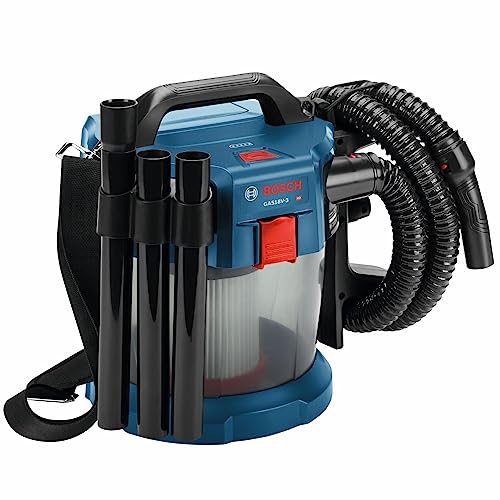
This Bosch is built for movement, not for sitting in one place all day. The cordless format helps you clean stairs, vans, fresh work areas, or quick jobsite messes without dragging a cord behind you, and the 2.6-gallon size keeps it trim.
The HEPA filter is worth noting too, since HEPA means high-efficiency particulate air and that usually matters most in finer cleanup work where trapped dust is the point. The trade-off is battery dependence, so this fits best for people who already live in Bosch 18V tools and want a fast grab-and-go vacuum rather than a stationary collector.
Highlights
- Cordless design keeps cleanup flexible around vehicles, ladders, and scattered work zones.
- 2.6-gallon size stays manageable for carrying between rooms or across a site.
- HEPA filtration suits finer dust control in spaces where cleanup detail matters.
- Bare-tool format works well for households already using Bosch 18V batteries.
Room For Improvement
- Battery and charger are separate, so the total setup matters to your tool ecosystem.
- Smaller capacity means more emptying during messy renovation work.
- It’s more mobile helper than full shop extraction solution.
Details At A Glance
Right Fit For
Mobile trades, apartment maintenance, and anyone who wants a light cleanup tool for fast jobs will appreciate this Bosch most.
Where A Sibling Pick Shines
Vacmaster Professional Beast Series VFB511H 0201 5-Gallon Wet/Dry Vac is the better call for heavier garage messes where tank size matters more than cordless convenience.
Instead of replacing a shop vac, this Dust Right separator helps your existing setup work harder for longer. It turns a compatible vacuum with a 2-1/4-inch inside-diameter outlet into a two-stage cyclone system, which means the larger chips and sawdust get caught before they reach the vac.
That matters in a woodshop because a clogged filter can slow cleanup and make the whole system feel weaker than it should. Compared with the Bosch and Vacmaster picks, this is more of an add-on than a standalone machine, so it suits woodworkers who already have a good vac and want to protect suction over time.
Positives
- Two-stage cyclone setup helps keep larger debris out of the vacuum body.
- Works with shop vacs that have a 2-1/4-inch inside-diameter outlet.
- The separator can reduce how quickly the main filter loads up during sanding cleanup.
- That setup can help your existing vac feel more consistent in daily shop use.
Points To Note
- It depends on a compatible vacuum, so it’s not a self-contained solution.
- The hose-and-separator layout adds more pieces to store and maintain.
- Best results come from a setup that’s already suited to woodworking dust collection.
Core Details
Whose Shelf It Belongs On
Woodworkers who already own a compatible shop vacuum and want better debris separation will get the clearest value from this setup.
Another Choice May Suit
WEN Woodworking Dust Collector DC3401 is the stronger stand-alone route for a small shop that needs its own collection machine instead of an accessory.
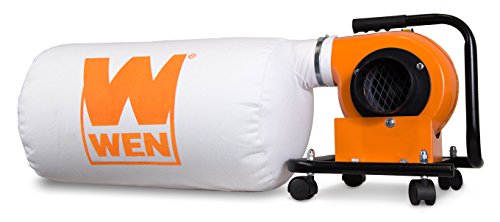
This WEN feels aimed at a small woodworking space that needs a fixed collector without going full industrial. The 5.7-amp motor and 12-gallon bag put it closer to a workshop staple than a handheld cleanup tool, and the mobile base helps you roll it where the dust lives.
The wall-mount option adds flexibility for a tighter shop, though that also means you’ll want to think through installation before you settle on a spot. Compared with the Dust Right separator, this is the fuller collection solution, while the Festool CTL SYS is far more portable but less suited to shop-wide dust capture.
Upsides
- 12-gallon bag gives you a useful buffer for shop debris.
- Mobile base helps move the unit near tools without lifting.
- Optional wall mounting works well in shops where floor room is tight.
- Better suited to a dedicated woodworking area than a casual cleanup tool.
Worth Noting
- Wall mounting means you need a clear plan for placement and access.
- It’s a shop machine, so storage and setup take more thought than with portable vacs.
- Best fit is woodworking dust, not general household spill cleanup.
Feature Card
The Right Fit
Small-shop woodworkers who want a dedicated collector with placement flexibility will appreciate this WEN most.
Look Elsewhere When
Dust Right Dust Separator 36-inch Flex-Form Hose makes more sense for a shop that already has a compatible vacuum and only needs better separation.
This DEWALT separator is built for people who want the vacuum to spend less time choking on dust and more time pulling it in. The 6-gallon poly tank is a practical size for pairing with a shop vac, and the cyclone layout helps separate debris before it reaches the main filter.
The 99.5% efficiency figure is the headline here, but the real value is simpler: less fine mess reaching the vac, less filter attention, and a cleaner path through heavy cleanup. Compared with the Dust Right separator, this one looks more self-contained and premium in feel, while the WEN is still the better choice for a dedicated woodworking system.
Best Bits
- Cyclone separation helps keep larger debris away from the vacuum.
- 6-gallon poly tank gives you a practical collection chamber.
- The high efficiency claim points to strong fine-dust handling on paper.
- Useful for shops that want to protect vacuum filters from heavy loading.
Areas To Watch
- It still depends on a compatible vacuum setup behind it.
- Separator systems add parts to clean and store.
- Best results come from pairing it with a vac that already fits your workflow.
Spec Overview
Built With In Mind
Garage woodworkers and cleanup-focused shop owners who want a separator with a more polished setup will get the most from it.
Swap It Out When
Festool CTL SYS Dust Extractor (Black, Green, White) is the better fit for mobile jobs where a compact all-in-one unit matters more than a separator add-on.
Salon tables and home nail stations need a very different kind of dust control, and this SAVILAND unit speaks that language directly. The built-in lamp helps you keep the work area visible, while the reusable filter and 40W fan format make it a focused tool for acrylic and gel nail cleanup.
One thing worth considering is care around liquids, since the product notes warn against letting water inside the machine. Compared with the woodworking picks, this is far more specialized, but that specialization is exactly why it fits nail techs and hobbyists who want a tidy bench without hauling in a shop vac.
Bright Spots
- Built for manicure dust rather than general workshop debris.
- Integrated lamp helps brighten the work zone at the table.
- Reusable filter keeps upkeep simple for regular salon use.
- Compact format suits personal nail stations and smaller counters.
Small Caveats
- It’s specialized for nail work, so it won’t replace a general shop extractor.
- Water exposure is a practical concern during cleanup and storage.
- Best results come from routine filter care.
Details At A Glance
Made For
Nail techs, home manicure setups, and beauty stations that need focused dust capture with a smaller footprint will benefit most here.
Where Shoppers Go Wrong
WEN Woodworking Dust Collector DC3401 is a better match for anyone who wants a shop-wide dust solution rather than a nail-specific machine.
This Festool sits in the serious-shop lane, where consistency and workflow matter more than basic cleanup. The HEPA setup speaks to finer dust handling, and Bluetooth adds a convenience layer that suits power-tool pairings in a busy woodworking space.
Compared with the WEN, this looks like the more refined and portable-minded option for people who spend long hours at a bench. The trade-off is obvious enough, it’s a higher-tier path, so it makes the most sense for users who want a smoother fit with premium tools rather than a simple dust bucket with a motor.
Reasons To Buy
- HEPA filtration is a strong match for finer dust management.
- Bluetooth support adds convenience in a modern tool setup.
- Compact enough to suit a serious workshop without taking over the floor.
- Feels tailored to woodworkers who want more than basic suction.
Honest Caveats
- It sits in a more premium tier, so it’s not the casual entry option.
- Best value shows up in a well-equipped workshop rather than a weekend-only setup.
- Like most advanced extractors, it asks you to think about matching accessories and workflow.
Quick Facts
Who Will Love This
Experienced woodworkers and shop owners who value refined handling and connected-tool convenience will appreciate this Festool most.
Skip It When
Festool CTL SYS Dust Extractor (Black, Green, White) is the smarter fit for mobile work where compact size matters more than advanced features.
The CTL SYS is the compact option in this lineup, and that makes it easy to picture on service calls, small workshops, or crowded benches. Its black, green, and white styling keeps the look clean, but the real appeal is its smaller footprint and the way it fits mobile work.
Compared with the CT Midi I, this model is more about portability than advanced feature depth. That’s exactly why it belongs with tradespeople and installers who need an extractor that doesn’t hog space in the van or on the floor.
Standout Traits
- Compact form keeps it easy to carry and store.
- Fits mobile work where every inch of van or shop space matters.
- Works well for smaller tasks and tighter work zones.
- Simple footprint makes it less intrusive around active job areas.
Areas To Watch
- Compact size means less room for heavy debris.
- Better suited to mobility than to large-scale dust collection.
- You may find a larger shop setup more practical for long, dusty sessions.
Core Details
Best Suited To
Installers, mobile trades, and shop users with tight storage space will get the most from this compact Festool.
A Better Fit Elsewhere
Festool 574837 CT Midi I HEPA Bluetooth Dust Extractor makes more sense for users who want more advanced extraction features in a still-manageable shop unit.
How To Choose The Right Dust Extractors
Match The Tool To The Mess
Workshop dust, nail filings, drywall residue, and wet spills each ask for a different tool shape. A wet/dry vac like the Vacmaster makes sense for mixed cleanup, while a separator such as the Dust Right or DEWALT unit fits better when you want to protect a vacuum from heavier debris. Nail stations are their own category, so the SAVILAND belongs in a beauty setup, not a garage.
Capacity matters too, because a 2.6-gallon cordless vac feels very different from a 12-gallon collector. Larger tanks mean fewer pauses, but they also mean more bulk, so the right balance depends on whether you move the tool often or leave it parked near a workbench.
Think About Filtration And Airflow
HEPA means high-efficiency particulate air, and in plain terms it points to finer particle capture. That matters most in sanding-heavy work, detail cleanup, and indoor settings where dust tends to linger, which is why the Bosch and Festool models stand out for more controlled environments.
Separators change the airflow story in a useful way, because they catch larger debris before it reaches the main vacuum filter. That can help a shop vac keep suction steadier over time, though the trade-off is extra setup and another part to empty.
Choose Portability Or Stationary Use
Cordless designs help when you move between rooms, vehicles, or job areas, and the Bosch fits that rhythm well. Stationary collectors, like the WEN, make more sense for a dedicated shop where you want a fixed place for dust capture and storage room is less of a problem.
Compact models also reduce friction in daily use. The Festool CTL SYS is easy to move, but the smaller footprint comes with less capacity, so it’s a smarter match for mobile trades than for long sanding sessions.
Look At System Fit, Not Just The Box
Some picks work as stand-alone machines, while others are add-ons that improve an existing setup. The Dust Right separator is only as useful as the vacuum behind it, and that’s fine for a shop already built around a good vac.
Tool ecosystem matters as well. The Bosch bare tool makes the most sense for someone already using Bosch 18V batteries, while the Festool CT Midi I fits best when you want a more integrated workshop feel.
Things Worth Knowing First
Hidden Buying Traps
A lot of shoppers focus on suction language and miss the rest of the setup. Tank size, hose compatibility, and where the unit will live in the shop often matter more in daily use than a headline spec.
Another common miss is choosing a separator when what you really need is a full collector, or buying a full collector when you only need a portable cleanup tool. The cleaner match usually saves you from clutter and frustration later.
The Upgrade Payoff
Higher-tier extractors usually ask more from your budget because you’re paying for better filtration, stronger accessory ecosystems, and more thoughtful ergonomics. In this group, that shows up in the Festool units and, in a different way, the DEWALT separator’s more refined debris handling.
The upgrade makes sense when you spend long stretches in the shop or need a setup that feels smoother every day. For occasional cleanup, a simpler unit often gets you there without extra complexity.
Final Thoughts
You’ve got a wide spread here, from garage cleanup to nail-table dust control, and the right choice comes down to where the mess happens. The Vacmaster and Bosch cover mobile and mixed-use cleanup well, while the WEN, DEWALT, and Festool picks serve more focused shop needs. Choose the one that fits your space first, then your dust type, and the rest gets easier.