Electric meters only earn their place when they make a specific job easier, whether you’re checking a wall outlet, tracking whole-home usage, or tracing a stubborn electrical issue. The list below spans simple plug-in monitors, handheld multimeters, clamp-style tools, and app-connected home energy systems, so you can match the tool to the job instead of guessing. Some are built for everyday household checks, while others fit the kind of work that calls for a steadier hand and broader measurement range.
The Shortlist At A Glance

HBN Watt Meter Plug with Backlight

Fluke 17B+ Digital Multimeter

Fluke 15B+ Digital Multimeter
Emporia Vue 3 Home Energy Monitor

AstroAI Digital Multimeter DM200M

FNIRSI DMC-100 Clamp Meter

Klein Tools MM420 Digital Multimeter

Eyedro Home Energy Monitor
More Details On Our Top Picks
This plug-in meter fits the person who wants a fast read on a lamp, small appliance, or other corded load. The backlit LCD uses a wide viewing angle, so the numbers stay readable from the side, and the display shuts off after 15 seconds to save power.
Compared with the handheld multimeters later in this list, this one is simpler and more home-focused. You lose advanced probing, but you gain a direct view of wattage, amps, voltage, and usage patterns without opening a panel.
What We Like
- Backlit screen stays readable in dim utility spaces.
- Wide viewing angle helps when the outlet sits low or awkwardly placed.
- Plug-in format keeps everyday checking straightforward.
- Helpful for spotting which devices draw the most power in normal use.
Things To Consider
- Built for plug-in loads, so it does not replace a full multimeter.
- The backlight times out, which is sensible but a little repetitive during long checks.
- Bulkier wall plugs can crowd neighboring outlets.
Feature Snapshot
Who It Suits Best
Homeowners who want a simple way to watch one outlet-powered device will get the most from this pick.
A Better Fit Elsewhere
Fluke 17B+ Digital Multimeter suits anyone who needs a broader tool for outlet troubleshooting and general electrical checks.
After the plug-in meter above, this Fluke steps into broader electrical work with a more serious range of measurements. It covers AC and DC voltage up to 1000V, current to 10A, plus resistance, continuity, diode, capacitance, frequency, and temperature, which matters when you need one handheld tool for a lot of jobs.
The CAT III 600V rating makes it a stronger fit for common residential, commercial, and industrial settings than a basic consumer meter. The honest trade-off is that a fuller feature set usually asks more attention from you, so it fits someone comfortable reading the screen and selecting the right mode.
Bright Spots
- Wide measurement range covers many routine electrical checks.
- CAT III 600V rating suits common working environments.
- Temperature, frequency, and capacitance readings add depth for diagnosis.
- Solid match for people who want one handheld meter for many tasks.
Worth Noting
- More modes mean more setup attention than a simple plug-in meter.
- It can feel more serious than many home-only users need.
Core Details
Who Will Love This
Technicians, serious DIYers, and property maintenance folks who want a dependable all-around meter fit this model well.
Another Choice May Suit
AstroAI Digital Multimeter Voltage Tester DM200M is the easier step for someone who wants a lighter-feeling meter with a friendlier feature spread.
Because the 17B+ already covers a wider feature spread, this 15B+ makes sense for you if you want the Fluke name and a more focused core meter. It measures AC and DC voltage and current up to 1000V and 10A, then adds resistance, continuity, diode, and capacitance for common troubleshooting.
The trade-off is straightforward, fewer specialty readings than the 17B+, but also less clutter in day-to-day use. For garage work, basic service calls, and home circuit checks, that simpler shape can feel easier to live with.
Upsides
- Strong core range for general electrical troubleshooting.
- Includes the most common test functions most users reach for.
- Less intimidating than a meter packed with extra modes.
- Works well for steady, repeat use around the house or shop.
Small Caveats
- Does not add the expanded feature spread found on the 17B+.
- Less specialized than a clamp-style meter for certain tasks.
Details At A Glance
Best Suited To
You get the best fit here when you want a familiar handheld meter for routine electrical work without extra complexity.
Where A Sibling Pick Shines
Fluke 17B+ Digital Multimeter suits you better once temperature, frequency, and broader diagnostic coverage start to matter.
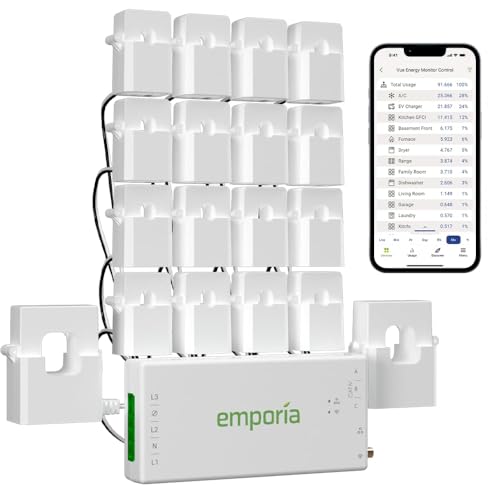
This one moves beyond a single outlet and into whole-home tracking, which changes the conversation fast. The Vue 3 is built as a smart home automation module, and it supports real-time monitoring, solar metering, and net metering, so you can watch how power flows through the house rather than guessing at a single device.
That broader view makes sense for homeowners who want patterns, not just spot checks. The trade-off is installation complexity, so it belongs with someone comfortable handling a more involved setup or bringing in help for it.
Reasons To Buy
- Whole-home visibility gives you a fuller picture of usage.
- Solar and net metering support adds value for homes with panels.
- Real-time monitoring helps you connect behavior to power draw.
- Better suited to long-term energy tracking than a handheld meter.
Areas To Watch
- Installation is more involved than a plug-in or handheld meter.
- Best suited to a fixed home setup rather than portable use.
Spec Overview
The Right Fit
Homeowners who want a deeper read on whole-house energy use, especially with solar in the mix, fit this pick well.
Swap It Out When
HBN Watt Meter Plug with Backlight makes more sense for quick outlet-level checks and simple appliance monitoring.
This AstroAI sits in the middle ground nicely, with enough feature depth for household troubleshooting without feeling overbuilt. It covers AC and DC voltage, AC and DC current, resistance, continuity, and diodes, and the backlit screen helps when you’re under a sink, in a basement, or working late in a dim garage.
Extras like data hold, max value recording, auto shutoff, and the low battery indicator make the meter easier to live with from day to day. The silicone case and kickstand are practical touches, though the overall feel still leans more toward affordable utility than field-grade toughness.
Positives
- Useful range of functions for common home diagnostics.
- Backlit display improves visibility in darker spaces.
- Data hold and max recording make readings easier to track.
- Silicone case adds a bit of everyday protection.
- Kickstand helps when you want the meter propped on a bench or shelf.
Points To Note
- More of a general-use tool than a specialist meter.
- The included protective case helps, but the class still asks for careful handling around the workbench.
Feature Rundown
Who Should Grab It
Homeowners and casual tinkerers who want a practical, readable meter with useful convenience features fit this model well.
Look Elsewhere When
Fluke 17B+ Digital Multimeter suits more demanding electrical work that calls for a broader measurement set and a more worksite-ready feel.
Clamp meters suit work where you need current readings without breaking into a circuit, and this FNIRSI leans hard into that convenience. It handles AC and DC current up to 600A, adds 10,000 counts for finer readout steps, and pairs that with TRMS, which stands for true root mean square, a method that gives a more accurate reading on many non-smooth waveforms.
The 2-inch TFT screen and curve recording make it feel more advanced than the basic handheld meters above it. That said, the learning curve is steeper, so it makes the most sense for HVAC, auto work, or anyone who already knows why a clamp form factor saves time.
Highlights
- Clamp design avoids direct break-in for current measurement.
- 600A range suits tougher jobs than a basic home meter.
- Curve recording helps you watch changing readings over time.
- TFT screen gives the display a clearer, more modern feel.
Minor Gripes
- Clamps can feel bulky in tight panels or crowded engine bays.
- Advanced features ask for more familiarity from the person using it.
Quick Facts
Whose Shelf It Belongs On
HVAC techs, automotive troubleshooters, and advanced DIYers who need clamp convenience fit this meter well.
Reach For A Different Pick When
Klein Tools MM420 Digital Multimeter is the simpler route for general household diagnostics and lighter day-to-day use.
Once you move from clamp tools to a more traditional handheld multimeter, the MM420 lands in a very usable middle zone. It’s auto-ranging, which means the meter selects the measurement range for you, and that reduces the chance of fiddling with settings in the middle of a job.
It measures AC and DC voltage up to 600V, AC and DC current to 10A, and resistance up to 50MΩ, then adds continuity, temperature, capacitance, frequency, duty cycle, and diode test. That makes it a versatile tool for someone who works around outlets, fixtures, appliances, and low-voltage checks without wanting the bulk of a clamp meter.
Best Bits
- Auto-ranging keeps routine measurements quick and less fussy.
- Wide set of modes handles many everyday troubleshooting tasks.
- Temperature and frequency readings add practical depth.
- Good middle ground for home, shop, and field carry.
Room For Improvement
- Does not reach the current-handling convenience of a clamp meter.
- Very advanced users may want a model with even broader diagnostic depth.
At A Glance
Made For
General-purpose DIYers and service-minded homeowners who want one straightforward meter for many small jobs fit this model well.
A Better Fit Elsewhere
FNIRSI DMC-100 Clamp Meter is the smarter step when current work and recording features matter more than handheld simplicity.
Eyedro is for the homeowner who wants a long view of the house, not just a snapshot at one outlet. With WiFi and Ethernet connectivity, reports, history, solar net metering, and two sensors, it gives you a broader picture of usage patterns across the home.
That kind of tracking is especially useful in a house with a fixed monitoring setup, where daily habits and appliance cycles matter more than portability. The trade-off is that it lives in the install-and-monitor category, so it asks for a little patience up front, then pays you back with ongoing visibility.
Standout Traits
- Whole-house view helps you understand energy habits over time.
- WiFi and Ethernet support cover different network setups.
- Reports and history make pattern spotting easier.
- Two sensors expand what you can monitor at once.
- Solar net metering support is useful for homes with panels.
Honest Caveats
- Best suited to a fixed home installation rather than portable use.
- Setup takes more effort than a plug-in meter.
- It makes the most sense once you want ongoing tracking, not quick one-off checks.
Core Details
Who Will Love This
Homeowners who want a monitoring system that stays in place and keeps a running record of usage fit this pick well.
Where Another Pick Fits Better
HBN Watt Meter Plug with Backlight is the easier fit for quick outlet checks and simple appliance tracking.
How To Choose The Right Electric Meters
Match The Meter To The Job
A plug-in watt meter suits appliances, lamps, and other corded devices that draw power from a wall outlet. A handheld multimeter fits broader electrical work because it can measure voltage, current, resistance, continuity, and more. Clamp meters fill a different need, since they read current without opening the circuit, which saves time in HVAC and automotive work.
Read The Measurement Range Carefully
Voltage and current limits matter more than flashy extras. A meter that reaches 1000V and 10A gives you room for more demanding tasks than a compact household checker, while a clamp meter with a 600A ceiling serves heavier current work. The right range depends on the systems you actually touch, not the biggest number in the listing.
Look For Usability Details You’ll Notice Daily
Backlit screens, auto-ranging, data hold, and clear displays affect how annoying a tool feels in real use. Auto-ranging means the meter chooses the scale for you, which helps when you want faster readings and fewer mistakes. A backlit LCD matters in basements, utility closets, and garages where lighting never seems quite right.
Think About Setup And Storage
Some meters travel easily in a tool bag, while others belong in a fixed home setup. Plug-in monitors are simple to store, handheld meters are easy to carry, and whole-home monitors ask for a more permanent installation. The honest read is that convenience and depth usually move in opposite directions, so you’re choosing between speed and scope.
A Quick Reality Check
Common Shopping Slip Ups
A lot of people start with too much meter or too little meter. A whole-home monitor can feel excessive for someone who only wants to check a space heater, while a simple plug-in unit won’t help with panel work or automotive troubleshooting. Matching the tool to the task saves frustration later.
Another common miss is overlooking the display and form factor. A crowded panel, dim basement, or awkward wall outlet can turn a good meter into a clumsy one. Clean setup and readable numbers matter more than a long feature list.
What The Higher Tier Buys
Higher-end meters usually spend the money on broader measurement coverage, better safety ratings, richer displays, and sturdier build details. In this category, that often means more modes, better current handling, or a whole-home system with reports and history. You’re paying for flexibility and context, not just a fancier shell.
That upgrade makes sense for serious DIYers, techs, and homeowners who keep running into the same electrical questions. For casual outlet checks, the simpler HBN-style meter is enough. For panel work, diagnostic depth, or ongoing energy tracking, the extra spend feels easier to justify.
Closing Thoughts
The right electric meter is the one that fits your habits, not the one with the longest feature list. A plug-in monitor keeps household checks simple, a handheld multimeter covers day-to-day troubleshooting, and a clamp or whole-home system steps in when the work gets more involved. You can keep the choice practical and still end up with a tool that feels useful every time you reach for it.