Electric palm sanders earn their keep on cabinet edges, tabletops, trim, and the kind of small repair work that never looks small once dust starts flying. You get smoother finishes, less hand fatigue, and a lot more control than sanding by hand, especially in a garage, workshop, or busy home project space.
Some of these picks lean toward tight corners and detail work, while others are better for flatter surfaces and faster material removal. That mix matters, because the right sander can feel like a steady hand rather than a noisy extra task.
The Shortlist At A Glance

BOSCH GSS20-40 Orbital Finishing Sander 1/4-Sheet, 2 Amp
Genesis Detail Palm Sander GPS080
NARBELL Orbital Sander 3.0AMP 14000RPM
Hammerhead HAPS020 1/4 Sheet Palm Sander

16.8V Cordless Electric Sander 3.0Ah Battery
DWT Detail Sander 1.5A 15000 OPM
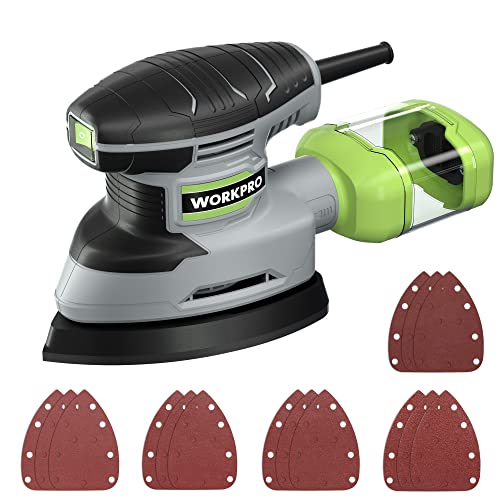
WORKPRO Detail Sander 1.6Amp 13000 OPM
More Details On Our Top Picks
Flat panels, cabinet doors, and painted trim are where this Bosch makes sense. The 1/4-sheet format keeps paper easy to source, and the 2 amp motor gives you a straightforward corded setup for steady shop use.
You may find it less handy for deep corners than a detail sander, but that trade-off is normal for a finishing tool like this. It suits someone who wants a dependable, no-fuss sander for repeat home projects rather than a tiny specialty head.
What We Like
- 1/4-sheet format works well for common finishing jobs.
- Corded power keeps output consistent for longer sanding sessions.
- Dust collector helps limit cleanup around a bench or garage floor.
- The layout suits larger flat surfaces better than many detail-focused picks.
Things To Consider
- Quarter-sheet tools are not built for the tightest corners.
- The cord adds reach limits compared with cordless options.
- Dust collection still benefits from regular emptying after messy jobs.
Feature Snapshot
Who It Suits Best
Home improvers who sand mostly flat surfaces and want a familiar corded setup will get the most from this Bosch.
A Better Fit Elsewhere
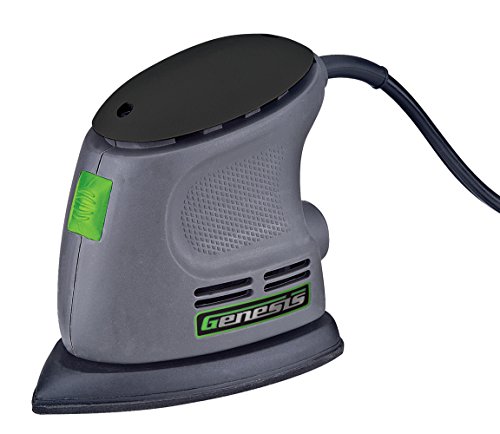
Genesis Detail Palm Sander GPS080 suits tighter trim work better, especially for someone who spends more time on corners than cabinet faces.
For trim, furniture edges, and small repair touch-ups, the Genesis GPS080 keeps things simple. The palm grip helps the tool sit naturally in your hand, and the vacuum port gives you a cleaner path when dust starts piling up on detail work.
Hook-and-loop paper changes are quick, which matters more than it sounds when you move through several grits in one afternoon. The dust-proof switch is a small but sensible detail, though this model still feels best suited to light-duty, close-up sanding rather than broad surface work.
Highlights
- Palm grip encourages better control on narrow surfaces.
- Vacuum port supports cleaner work at a bench or in a small room.
- Hook-and-loop attachment makes paper changes faster.
- Dust-proof switch is a thoughtful touch for workshop use.
- Compact detail shape fits places larger sanders miss.
Room For Improvement
- Detail sanders like this are slower on larger flat panels.
- The compact body can feel too small for long finishing sessions.
- Dust control still depends on how well the port is connected.
Core Details
Made For
Detail-oriented home projects and light woodworking tasks suit this sander well, especially around edges and awkward corners.
Another Choice May Suit
Hammerhead HAPS020 is the better match for someone who wants a more general 1/4-sheet format for flatter panels and routine sanding.
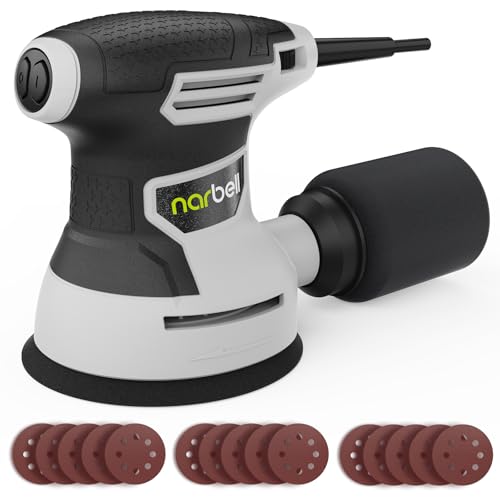
This Narbell leans more toward versatility than the Bosch or Genesis picks. The 3.0 amp motor, 14000 RPM top speed, and six speed settings give you more room to match the tool to paint prep, smoothing, or lighter finishing work.
The included dust bag and 15 sanding sheets make it feel ready for a new workshop setup, though the larger feature set also means a little more to manage. For someone who wants one corded sander to cover a mix of household and hobby jobs, that flexibility is hard to ignore.
Upsides
- Six speed settings help you tune the pace to the task.
- Higher top speed suits faster material removal on simple surfaces.
- Dust bag adds a basic collection option for bench work.
- Included sanding sheets let you get started right away.
- Good fit for a mixed-use home workshop.
Points To Note
- More settings also mean a little more setup attention.
- The corded format keeps you near an outlet.
- Dust bag upkeep still matters after heavier sanding sessions.
Feature Rundown
Whose Shelf It Belongs On
DIYers who move between prep work and finishing work will get the most value from this more adjustable sander.
Where A Sibling Pick Shines
BOSCH GSS20-40 Orbital Finishing Sander 1/4-Sheet, 2 Amp suits you better for cleaner, more straightforward finishing on broad flat panels.
The Hammerhead HAPS020 keeps the formula familiar, which helps for home sanding that happens in short bursts. A 2.0 amp motor, 14000 OPM rating, and soft-grip design make it feel aimed at steady utility rather than fancy extras.
The included dust box and vacuum adaptor are useful in a garage or spare room, where cleanup can otherwise become the longest part of the job. It’s a sensible match for someone who wants a basic 1/4-sheet sander and doesn’t need a lot of moving parts in the decision.
Bright Spots
- 2.0 amp motor gives it enough muscle for routine sanding.
- 14000 OPM keeps the tool lively for common prep work.
- Soft grip makes longer sessions easier on your hand.
- Dust box and adaptor help manage mess in small work areas.
Softer Spots
- The plain feature set may feel basic beside Narbell’s wider speed range.
- Quarter-sheet tools still leave corners to more specialized sanders.
- Dust box emptying becomes part of regular upkeep.
Details At A Glance
Built With In Mind
Home renovators who want a plain, dependable palm sander for basic sanding tasks will feel at home with this one.
Reach For A Different Pick When
DWT Detail Sander 1.5A 15000 OPM is a sharper fit for corner work and trim where a smaller nose matters more.
This cordless option stands apart from the corded Bosch, Hammerhead, and Narbell models because it moves with you. The 3.0Ah battery, 3500 RPM top speed, and included 36 sanding sheets make it feel well suited to quick repairs, porch work, or jobs spread around a property.
The compact body helps in awkward places, though cordless convenience usually comes with less continuous runtime than a plug-in tool. That trade is easy to live with for spot work, and less appealing for long sanding sessions on a large tabletop.
Reasons To Buy
- Cordless setup gives you more reach around a job site or yard.
- 3.0Ah battery supports portable use without constant tethering.
- 3500 RPM is useful for lighter sanding and touch-up tasks.
- 36 sanding sheets add decent starter coverage.
- Lightweight, compact design helps in cramped work areas.
Areas To Watch
- Battery tools need recharging, which adds planning to longer projects.
- 3500 RPM is modest beside the faster corded sanders here.
- Best suited to smaller or lighter jobs rather than heavy stock removal.
Quick Facts
Right Fit For
Property maintenance, mobile repair work, and quick DIY fixes suit this cordless sander best.
Look Elsewhere When
NARBELL Orbital Sander 3.0AMP 14000RPM makes more sense for someone who wants a faster corded tool with broader speed control.
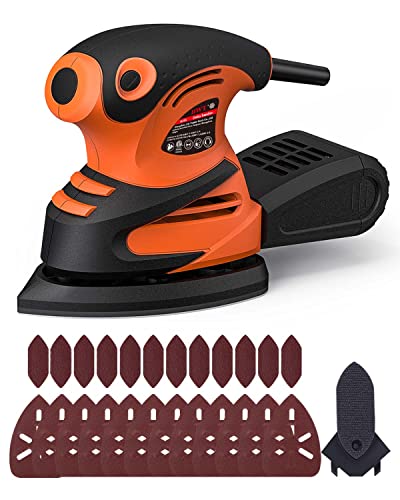
Small trim, inside corners, and shaped surfaces are where this DWT model earns attention. The detail finger attachment adds reach for narrow spots, and the soft grip helps the tool stay comfortable during careful work.
The efficient dust collection system is a useful practical touch, especially in a house where cleanup matters as much as the sanding itself. Compared with the broader Hammerhead and Bosch picks, this one is clearly aimed at precision over surface coverage.
Best Bits
- Detail finger attachment helps reach narrow edges and corners.
- 15000 OPM gives the tool a lively sanding pace.
- Soft grip adds control during careful shaping work.
- Dust collection system helps keep the work area cleaner.
- 24 sanding sheets provide a useful starter supply.
Minor Gripes
- Small detail tools are not meant for broad panels.
- The compact shape can feel less relaxed on long sessions.
- Dust collection works best when the sanding sheet stays matched to the task.
At A Glance
The Right Fit
Detail-focused DIY projects and woodworking touch-ups suit this tool, especially in tight interior spaces.
Swap It Out When
WORKPRO Detail Sander 1.6Amp 13000 OPM is the more comfortable fit for someone who wants a slightly broader compact option with dust collection.
The WORKPRO fits into the same detail-first lane as the DWT, but with a slightly lower 13000 OPM pace and a 1.6 amp power rating. That balance can suit you well for tight spaces, small finishing jobs, and sanding where control matters more than speed.
The dust collector is useful in enclosed rooms, and the 15 included sanding sheets mean you have a small starter set for common grit changes. It feels like a sensible compact choice for light woodworking, though it is still the kind of tool you keep for detail work rather than large surface prep.
Standout Traits
- Compact shape fits into narrow working spaces.
- Dust collector helps keep fine debris under control.
- 1.6 amp rating gives it enough power for routine detail use.
- 15 sanding sheets cover the basic start-up needs.
Worth Noting
- 13,000 OPM leaves it a little slower than the DWT.
- Detail tools still need careful paper changes and cleaning.
- Large panels call for a broader sander from this list.
Core Details
Who Will Love This
People who handle trim, shelves, or other compact woodworking tasks will appreciate the controlled feel of this sander.
Skip It When
BOSCH GSS20-40 Orbital Finishing Sander 1/4-Sheet, 2 Amp makes more sense for larger flat surfaces and steadier finishing coverage.
How To Choose The Right Electric Palm Sanders
Match The Sander To The Surface
Flat doors, shelves, and cabinet faces favor 1/4-sheet sanders because the paper format spreads evenly and stays easy to replace. Tight profiles, trim, and corners lean toward detail models with smaller noses and finger attachments.
The wrong shape slows you down fast. A broad finishing tool feels clumsy on molding, while a tiny detail sander can feel undersized on a tabletop.
Think About Power And Speed
Amps matter for corded tools because they give you a quick read on motor strength. OPM, or orbits per minute, tells you how fast the sanding head moves, which matters for both speed and surface control.
Higher numbers can help on rougher prep, but they also demand a steadier hand on delicate finishes. For sanding furniture or painted trim, a tool with variable speed settings gives you more room to adjust.
Corded Or Cordless Comes Down To Where You Work
Corded sanders suit benches, garages, and repeat indoor projects because they keep running as long as power is available. Cordless models help more on ladders, porches, and jobs spread around a property.
The trade-off is simple, corded models usually bring steadier runtime, while cordless tools bring easier movement. For mobile repairs, battery convenience can matter more than raw speed.
Dust Management Changes Daily Use
Dust bags, dust boxes, and vacuum ports all help, but none of them remove cleanup entirely. Better collection means clearer sight lines on the workpiece and less grit settling across the room.
That matters a lot in apartments, shared workshops, and finished interiors. It also affects maintenance, since dust buildup around switches, paper clamps, and vents can make any sander feel less pleasant over time.
Before You Click Amazon
Common Shopping Slip Ups
Many people choose a sander by speed alone and miss the shape of the job. A high OPM rating means little on trim work if the head is too large for the area.
Another common miss is skipping dust handling. A bare-bones setup can work, but cleanup grows fast once you sand paint or dry wood indoors.
The Upgrade Payoff
Higher-tier sanders often cost more because they add variable speeds, better grip surfaces, stronger motors, and more thoughtful dust handling. Those extras matter most when you sand often or move between coarse prep and finer finishing.
The upgrade makes less sense for the occasional shelf repair. It pays off faster in workshops, renovation jobs, and homes where a sander comes out every few weekends.
Final Thoughts
Your best match depends on the surfaces you handle most and how much control you want in your hand. The Bosch and Hammerhead favor straightforward flat-surface work, while the Genesis, DWT, and WORKPRO make more sense for corners and trim. Narbell adds flexibility, and the cordless Vkndoynt gives you the easiest movement. Choose the tool that fits your projects now, not the one that only looks powerful on paper.