Electrician work asks for more than a plain claw hammer. You need reach for outlet boxes, a face that lands cleanly, and a grip that stays steady after a long day on ladders, joists, or a busy service call. The eight picks below cover that range, from general-purpose hammers to tools tuned for Romex work and lineman tasks. You’ll also see where each one feels most natural, so you can match the hammer to the job instead of guessing.
Quick Look At The Shortlist

IRWIN Hammer, Fiberglass, Claw, 16 oz. (1954889)
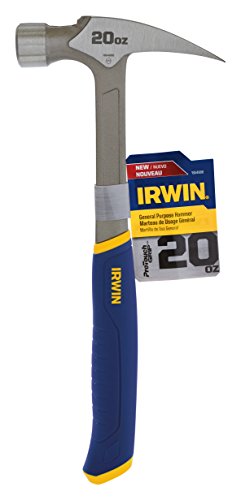
IRWIN Hammer, Steel, Claw, 20 oz. (1954888)
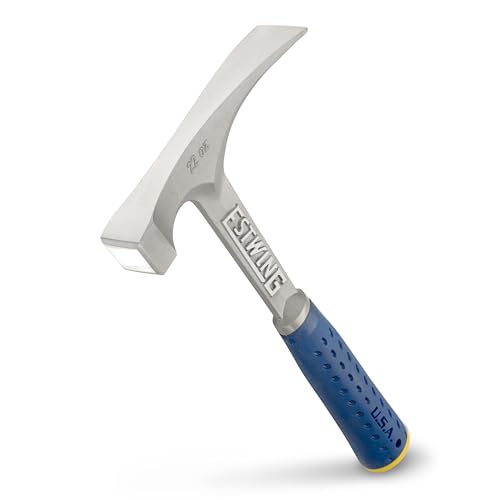
ESTWING Bricklayers/Mason’s Hammer 22 oz

Southwire Bmeh-18 Heavy Duty Romex Electrician’s Hammer

ESTWING Ultra Series Hammer 19 oz E19S

ESTWING Ultra Series Hammer 15 oz E6-15SR

Klein Tools H80718 Straight-Claw Hammer 18-Ounce

Klein Tools 832-26 Lineman’s 26-Ounce Claw Milled Hammer
More Details On Our Top Picks
The 16-ounce weight makes this IRWIN feel like the kind of hammer you can keep in a service bag without thinking twice. A fiberglass handle tends to soften vibration better than bare steel, and the ProTouch grip is the detail that matters most during long runs of fastening, light demolition, or punch-list work.
Compared with the heavier Southwire and Klein utility-style picks later in this list, this one stays simpler and more general. That makes it a sensible fit for you if your day mixes trim work, small repairs, and the occasional framing task, not just one trade lane.
What We Like
- Fiberglass handle helps take the edge off repeated strikes.
- Forged steel head gives you a durable striking surface.
- 16-ounce weight keeps it versatile for everyday carry.
- ProTouch grip suits long shifts and gloved use.
Areas To Watch
- General-purpose geometry leaves less room for electrician-specific access work.
- Steel-head alternatives in this roundup may feel more planted for harder strikes.
Feature Snapshot
Who It Suits Best
Service electricians and general handymen who want one hammer for mixed jobs will get the most from it.
Where A Sibling Pick Shines
Southwire Bmeh-18 Heavy Duty Romex Electrician’s Hammer suits you better for outlet-box work and staple pulling.
This IRWIN leans harder into mass, so it makes sense for rougher jobs where a 16-ounce hammer starts to feel light. The steel handle and forged steel head point toward a sturdier, more planted feel, which you may appreciate during demolition, stubborn fasteners, or shop work with a lot of striking.
Compared with the fiberglass IRWIN above, this one is less about vibration softening and more about direct feedback in the hand. That trade-off suits you if you prefer a firmer hit and do not mind carrying a little extra weight through the day.
Bright Spots
- 20-ounce head adds authority for stubborn material.
- Forged steel head supports demanding shop use.
- Steel construction gives a very direct striking feel.
Small Caveats
- Steel handle can transmit more impact than fiberglass.
- Heavier head may feel less friendly in all-day carry.
- General-purpose shape still lacks electrician-specific reach.
Core Details
Who Will Love This
You’ll get the most from it in workshops, renovation jobs, and any task that rewards extra driving power.
Another Choice May Suit
IRWIN Hammer, Fiberglass, Claw, 16 oz. (1954889) suits you better for lighter carry and easier daily handling.
The mason’s hammer sits in a different lane from the general claw models, and that’s exactly why it stands out here. Its 22-ounce forged steel construction, along with the shock reduction grip, makes sense for brick, block, and related masonry work where control matters as much as force.
Compared with the IRWIN hammers, this one is more specialized and less about daily catch-all use. For you, that’s a good thing in a masonry-heavy workflow, but it can feel like overkill for someone who mostly hangs boxes, drives small nails, or does trim repairs.
Reasons To Buy
- 22-ounce head brings useful mass for masonry tasks.
- Forged steel body suits hard-use environments.
- Shock reduction grip helps the handle feel calmer in the hand.
- Made-for-masonry shape fits brick and block work better than a claw hammer.
Worth Noting
- Specialized shape is less flexible for general carpentry.
- Heavier build can feel bulky for lighter electrical service work.
- Finish may vary, so the look can differ from unit to unit.
Quick Facts
Made For
Bricklayers, masons, and trade pros who spend real time around block and mortar will appreciate the fit.
Skip It When
ESTWING Ultra Series Hammer 19 oz E19S is a better match for general framing and mixed carpentry tasks.
This Southwire is the first tool in the list that feels tuned for electricians rather than just handy with nail work. The extra-long neck helps reach into outlet boxes and other cramped spots, while the Romex staple remover adds a very specific utility that general claw hammers usually skip.
The honest read is that this one makes the most sense on electrical installs, not around every job site task. Compared with the IRWIN hammers, it gives you more trade-specific function and less all-purpose flexibility, which is exactly the trade-off many electricians want.
Highlights
- Extra-long neck helps you work inside tight boxes and recesses.
- Romex staple remover adds a purpose-built electrical feature.
- 18-ounce forged steel head gives a solid working feel.
- Tether hole supports safer tool retention in elevated work.
Points To Note
- More specialized shape is less universal for carpentry tasks.
- Metal build can be overbuilt for very light household repairs.
- Keeping the staple remover area clean matters after dusty conduit work.
Details At A Glance
Built With In Mind
You’ll like this most on residential wiring jobs, service calls, and closet or attic work with plenty of tight access.
Reach For A Different Pick When
Klein Tools H80718 Straight-Claw Hammer fits you better for a lighter fiberglass feel and a smoother general-use profile.
The leather grip is the detail that gives this ESTWING a more traditional, tool-belt kind of feel. With a 19-ounce head and smooth face, it sits in a sweet spot for framing, punch-list work, and anything where you want solid strike control without jumping to the heavier utility models.
Compared with the Southwire electrician’s hammer, this one is less specialized but more comfortable for mixed carpentry and service tasks. That balance helps you if you move between framing, repair, and installation work in the same week.
Upsides
- Genuine leather grip feels familiar and secure.
- 19-ounce head gives useful striking mass.
- Smooth face suits cleaner nail starts and controlled hits.
- USA-made construction will appeal to tool-focused tradespeople.
Minor Gripes
- Leather grip asks for a little more care than molded synthetics.
- Framing format is broader than a true electrician specialty tool.
- Heavier than compact service hammers for belt carry all day.
Technical Sheet
The Right Fit
Framers, remodelers, and electricians who also handle carpentry chores will get strong use from it.
Look Elsewhere When
Southwire Bmeh-18 Heavy Duty Romex Electrician’s Hammer suits you better for outlet-box reach and Romex work.
Short-handle hammers tend to feel more direct, and that’s the main reason this ESTWING earns a place here. The integrated magnetic nail starter helps one-handed nail placement, which can be handy when you’re on a ladder, framing in a cramped corner, or keeping your other hand busy with material.
Compared with the 19-ounce E19S, this one is lighter and easier to tuck into tighter work zones. You may find that the trade-off is less driving momentum, so it suits detail work and controlled use more than brute-force swinging.
Best Bits
- Short handle improves close-in control.
- Magnetic nail starter supports one-handed positioning.
- Shock reduction grip helps soften repeated strikes.
- 15-ounce head feels manageable for carry and quick tasks.
Room For Improvement
- Shorter handle can limit leverage on tougher hits.
- Light head weight may feel modest on heavy framing work.
- Magnetic starter needs routine cleaning after dusty use.
Feature Rundown
Whose Shelf It Belongs On
You’ll appreciate it most in trim work, small repair jobs, and compact service spaces.
Swap It Out When
ESTWING Bricklayers/Mason’s Hammer 22 oz is the better fit for masonry-heavy work and harder striking needs.
Klein gives you a straight-claw layout with a smooth head, which keeps the tool familiar but still work-focused. The fiberglass handle and non-slip shock-absorbing grip should appeal to you if your day includes ladder work, service calls, or long stretches where hand comfort matters as much as the strike.
Compared with the IRWIN fiberglass hammer, this Klein feels more purpose-built for utility work and less like a general all-around shop hammer. The tether hole is a useful detail for elevated jobs, though that same utility focus can make it feel a bit specialized for casual household use.
Standout Traits
- Straight-claw shape stays useful for pulling nails and light prying.
- Fiberglass handle helps dampen harsh vibration.
- Non-slip grip supports control in sweaty or gloved hands.
- Tether hole adds a practical safety attachment point.
Softer Spots
- 18-ounce weight sits in the middle, so it may feel average rather than specialized.
- Smooth head is better for control than aggressive surface bite.
- Utility-first design may be more tool than some casual users need.
At A Glance
Perfect Match For
Utility crews, service electricians, and hands-on maintenance folks who want a dependable general-use hammer will like it.
A Better Fit Elsewhere
Southwire Bmeh-18 Heavy Duty Romex Electrician’s Hammer is the smarter choice for Romex staple removal and tight-box reach.
This Klein is built for heavier utility work, not light around-the-house use. The milled face, which means a textured striking surface, helps with bite on some fasteners, while the large head gives you the mass you’d want for staples, lag bolts, and off-center hits on poles or other demanding setups.
Compared with the 18-ounce Klein straight-claw model, this one is plainly more specialized and more muscular. That makes it a strong fit for linemen and utility crews, though the extra weight will feel like too much for many general electricians who spend most of the day indoors.
Reasons To Buy
- 26-ounce head brings serious striking mass.
- Milled face can give better surface bite on certain fasteners.
- Fiberglass handle helps tame some vibration.
- High-visibility orange improves tool spotting on busy sites.
Honest Caveats
- Large head is more than many indoor electrical tasks need.
- Milled face is less forgiving on delicate finish work.
- Heavier carry can feel tiring over a long route.
Feature Card
Who Should Grab It
Lineworkers and utility-pole crews who need a heavy striking tool will get the best match here.
Not Your Match When
IRWIN Hammer, Fiberglass, Claw, 16 oz. (1954889) makes more sense for lighter daily carry and broader general work.
How To Choose The Right Electrician Hammers
Match The Hammer To The Job
Electrician work is not one-size-fits-all, and the hammer should reflect that. A Southwire-style electrician’s hammer makes sense for outlet-box access and Romex staple removal, while a more general IRWIN or Klein model works better for mixed service calls. For masonry or utility-pole tasks, the ESTWING mason’s hammer and Klein lineman’s hammer move into their own lanes fast.
Weight matters too. A 15-ounce model feels easier on the belt, a 18 or 19-ounce head offers a practical middle ground, and a 22 to 26-ounce tool brings more authority but asks more from your arm. The right choice depends on whether your day leans toward light installation work or heavier fastening and demolition.
Think About Handle Material And Grip
Fiberglass handles usually suit electricians well because they help soften shock and keep the tool comfortable over a long shift. Steel handles feel firmer and more direct, which some pros like, but they can pass more vibration into the hand. Leather grips, like the one on the ESTWING Ultra Series E19S, give you a classic feel, though they generally ask for a bit more care.
Grip shape matters just as much as handle material. A ProTouch-style grip or non-slip shock-absorbing grip can make a difference when your hands are sweaty, gloved, or working in damp spaces. That small comfort gain adds up after dozens of strikes.
Look For Access Features That Save Time
For electricians, the little design details often do the real work. An extended neck helps you reach into tight electrical boxes, a tether hole helps with lanyard use on elevated jobs, and a magnetic nail starter can speed up one-handed work when the other hand is busy holding wire or hardware. Those features sound minor until you use them all day.
General claw hammers still have a place, especially for service calls that mix trades. Still, a tool built around electrical access usually saves more frustration than a plain framing hammer when your hands are in cramped spaces.
Pick For Daily Carry Or Heavier Swinging
Daily carry favors lighter, more compact hammers with a comfortable grip and enough balance to avoid fatigue. Heavier picks make sense when you are driving more fasteners, pulling more stubborn nails, or spending time on rougher work like masonry or utility service. The honest read is that carrying too much hammer for too long gets old quickly.
Start with your most common job, then work backward from there. That approach keeps you from overbuying mass you will rarely use and helps you land on a hammer that feels right in the hand instead of just looking capable on paper.
What To Weigh Before You Click Through
Common Shopping Slip Ups
Many shoppers focus on head weight alone and ignore handle shape, reach, or job-specific details. That can leave you with a hammer that feels fine on a shelf but awkward inside an outlet box or too bulky for a service pouch.
Another common miss is buying a general claw hammer for a task that really wants an electrician-specific tool. Southwire’s Romex staple remover or Klein’s tether hole may seem niche, but those features pay off fast in the right setting.
What The Higher Tier Buys
More expensive hammers usually bring better material choices, more specialized shaping, and features that save time on site. You are often paying for forged construction, better grip materials, and added utility like a magnetic starter or a milled face.
That upgrade makes sense when you use the tool daily or work in tighter, more demanding conditions. For occasional household tasks, a simpler fiberglass model usually does the job without extra bulk.
Closing Thoughts
Your best electrician hammer comes down to your normal day, not the boldest spec on the page. IRWIN covers general service work well, Southwire is the most clearly electrician-focused pick, and Klein leans hard into utility and field use. For masonry or utility tasks, the ESTWING and Klein lineman options bring the weight and shape those jobs ask for. Choose the tool that matches your most common work, and the rest of the list falls into place.