Knife-handle epoxy lives at the crossroads of grip, gap filling, and durability, so the right choice depends on how you use your knives. A hobby maker shaping a full tang handle, a home cook fixing a loose scale, and a field-knife owner who needs a water-resistant bond all care about different things. You’ll see quick-set syringes, slower working formulas, and putties that behave more like repair clay than liquid adhesive. That mix is exactly why this shortlist helps.
The Shortlist At A Glance

Boncart High Strength AB Epoxy Putty 200g
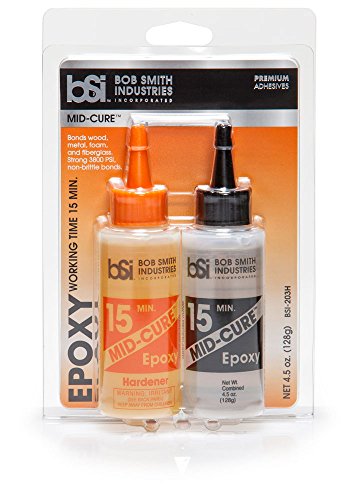
Bob Smith Industries BSI-203H Mid-Cure Epoxy 4.5 oz.

Gorilla Epoxy Ultimate 0.85oz Syringe

Bob Smith 206 Slow-Cure 9oz Epoxy

Devcon 20845 High Strength 5-Minute Epoxy 0.84 oz.
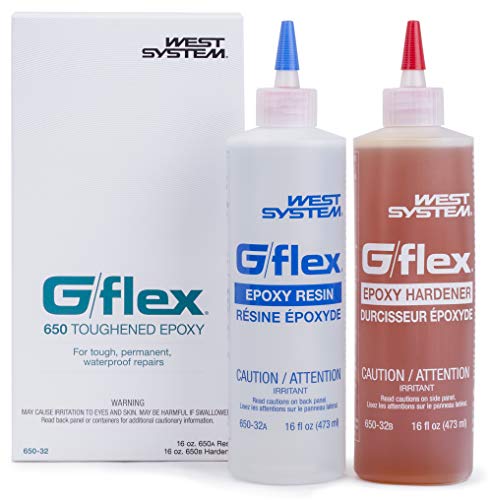
G/FLEX Epoxy QT Kit

Brampton Multi-Purpose Epoxy Quick 30-Minute Set 4 oz

Brampton Extra Strength Epoxy 20-Minute Work Life 4 oz
More Details On Our Top Picks
For knife handles with damaged scales, missing corners, or ugly gaps around a tang, this steel-filled putty makes sense fast. The putty format matters because you can press it into voids and shape it before it hardens, which is useful on shop repairs where a liquid epoxy would run out of place.
Compared with the thinner formulas in this roundup, it leans more toward filling and rebuilding than delicate glue work. The trade-off is less elegance and more cleanup, so it suits handled tools, field knives, and rough restoration jobs better than a refined showpiece finish.
Strong Points
- The putty body helps you rebuild chipped handle areas without chasing drips.
- Steel reinforcement adds useful bulk for repairs that need more body than a thin resin.
- It works across metal, wood, tile, and ceramic, so your bench use stretches beyond knives.
- Water resistance gives you a sturdier feel for kitchen drawers, tackle boxes, and outdoor gear.
Things To Consider
- The white finish stands out, so you may need extra blending on dark handle materials.
- Putty usually needs more hand cleanup than a syringe-style adhesive.
- Fine cosmetic work can take patience, especially on slim handle contours.
Feature Snapshot
Who It Suits Best
You’ll get the most from this pick if you repair hard-used knives, multitools, or shop gear with broken sections that need filling as much as bonding.
Where A Sibling Pick Shines
Bob Smith Industries BSI-203H Mid-Cure Epoxy is the better fit for cleaner handle bonding and slower alignment work on fitted scales.
Knife handles often need a calm middle ground, and that’s where this mid-cure formula fits nicely. Fifteen minutes of working time gives you room to align scales, clean squeeze-out, and adjust pins before the bond starts to lock in.
Unlike the faster Devcon 20845, this one gives you more breathing room without going all the way to a slow shop epoxy. The light amber color can be a plus on warmer woods, though it may stand out on very light or dark handle materials, so finish planning matters.
What We Like
- The 15-minute working window gives you usable time for handle alignment and cleanup.
- Cure time of 30 to 45 minutes supports faster turnaround on repairs and craft jobs.
- It bonds wood, metal, fiberglass, glass, ceramics, and most plastics, which broadens your repair options.
- The rigid finish suits knife scales that need a firm, stable joint.
- Its strength profile helps on projects that need lasting hold rather than temporary tack.
Worth Noting
- The rigid cure is less forgiving on handles that flex a lot.
- Light amber tint may show on some handle finishes.
- Mixed adhesive sets at a pace that rewards quick, organized work.
Details At A Glance
Made For
You’ll appreciate this most for fitted handle work, craft builds, and repair jobs where you want time to line everything up cleanly.
Look Elsewhere When
Boncart High Strength AB Epoxy Putty 200g suits deeper voids and rebuilt sections better than this liquid-style adhesive.
A small syringe like this is handy for handle fixes that need speed more than volume. The ten-minute set keeps you moving, and the black finish can be helpful on dark synthetic scales or black liners where a visible bond line would be distracting.
Compared with Bob Smith Industries BSI-203H Mid-Cure Epoxy, this one pushes harder toward quick repairs. That makes it practical for a kitchen drawer emergency or a field knife that needs to return to service without a long wait, though the short set leaves less room for detailed alignment.
Highlights
- The small syringe format is easy to store in a drawer or tool roll.
- Ten-minute set time helps when you need a fast handle fix.
- Water resistance supports use around damp storage or outdoor carry.
- The black cure can blend well with darker handle materials.
Small Caveats
- The fast set leaves little time for slow, careful repositioning.
- 0.85 oz suits small repairs more than full handle rebuilds.
- Black cured epoxy may stand out on pale woods or bright resin handles.
Core Details
The Right Fit
You’ll like this for fast, small-scale handle repairs, especially on dark knives kept in a garage, pack, or tackle setup.
Another Choice May Suit
Bob Smith 206 Slow-Cure 9oz Epoxy is better for careful custom builds that need more open time and larger batch capacity.
Slow-cure epoxy is the patient person’s friend, and knife-handle work often rewards that patience. The longer open time helps you position scales, clamp neatly, and clean excess before the bond starts to tighten, which matters on custom handles with tight tolerances.
Compared with the mid-cure Bob Smith Industries BSI-203H, this one gives you more room to think and adjust. The trade-off is a slower turnaround, so it fits shop projects and careful restoration work better than quick household fixes.
Reasons To Buy
- The slower set gives you a generous window for alignment and squeeze-out cleanup.
- Large 9 oz size suits repeated handle jobs or broader workshop use.
- Made by Bob Smith Industries with U.S.-based sourcing noted on the listing.
- Good fit for custom knife handles that need careful placement instead of rushed assembly.
Room For Improvement
- The slower pace is less convenient for small same-day repairs.
- The larger package makes more sense in a shop than in a pocket kit.
- Detailed work still asks for clamps and patient cleanup, so setup matters.
Technical Sheet
Whose Shelf It Belongs On
You’ll get the most value from this in a shop where custom handles, layered scales, and slower assembly are normal.
Skip It When
Devcon 20845 High Strength 5-Minute Epoxy suits faster household fixes better than this slower, more patient formula.
Five-minute epoxy keeps things simple for quick handle touch-ups, loose pins, and small bonding jobs. It fits the sort of repair that happens on a workbench after dinner, not a long restoration session, so the compact size makes sense for occasional use.
Compared with Gorilla Epoxy Ultimate, this Devcon pick gives you the same fast-turn feel without the black-cure emphasis. The flip side is a smaller package, so it works best for modest jobs rather than a run of handle rebuilds.
Upsides
- Five-minute set timing supports quick fixes on knife handles and nearby gear.
- The small tube is easy to keep in a drawer, toolbox, or travel kit.
- Good for routine repairs where speed matters more than long shaping time.
- Useful as a general-purpose adhesive around the house and garage.
Areas To Watch
- Fast set means your alignment plan needs to be ready before mixing.
- 0.84 oz is better for smaller jobs than repeated large assemblies.
- Short working time can feel rushed on tight knife-handle fits.
Feature Card
Best Suited To
You’ll likely like this most for routine home fixes and small handle repairs that need a quick turnaround.
Swap It Out When
Bob Smith 206 Slow-Cure 9oz Epoxy is the smarter fit for detailed custom handle work that needs more open time.
Knife handles that see hard use can benefit from an epoxy that handles a bit of flex instead of feeling brittle. That’s the appeal here, especially on outdoor knives or handles that may get knocked around in transit, where a rigid adhesive can feel less forgiving.
Compared with Bob Smith 206 Slow-Cure 9oz Epoxy, this kit leans toward resilience rather than long open time. The trade-off is less visible detail about the formula from the source data, so you’re mainly choosing it for the G/flex reputation and the fit-for-stress use case.
Best Bits
- The kit format works well for repeat repair sessions.
- Flexible bond behavior suits handles that may take shock or movement.
- Useful for knife scales that live in outdoor or heavy-use settings.
- The quart kit size makes sense for frequent workshop work.
Softer Spots
- The source details leave less clarity on timing and mix handling.
- Larger kit size may be more than a casual fix needs.
- Cleanup still matters, especially on textured handle materials.
Quick Facts
Perfect Match For
You’ll like this most for knife handles that take hard knocks, outdoor carry, or regular shop abuse.
Reach For A Different Pick When
Gorilla Epoxy Ultimate 0.85oz Syringe suits tiny fast fixes better than this larger kit.
This Brampton kit lands in a useful middle zone for knife handles that need more than a fast tack but less than a long shop cure. The 1:1 mix is straightforward, and the sandable, paintable finish gives you room to shape the repair once it sets, which matters on custom grips and visible handle joints.
Compared with the Gorilla syringe, it asks for a little more planning but gives you a broader finishing path. For a kitchen or workshop where appearance matters, that extra sanding and painting flexibility can make the repair feel more finished, though the smaller 4 oz size keeps it aimed at modest projects.
Bright Spots
- The 1:1 ratio keeps mixing simple for first-time epoxy users.
- Thirty-minute set time gives you a workable middle ground.
- Sandable and paintable curing helps with visible knife-handle repairs.
- Works on tile, metal, ceramic, glass, wood, and stone.
Minor Gripes
- The source details do not spell out handle-specific use, so fit is based on the adhesive profile.
- Four ounces is enough for many jobs, but not a large build kit.
- Surface prep still matters, especially on oily or polished handle materials.
Spec Overview
Built With In Mind
You’ll appreciate this for knife handles that need a neat, finishable repair rather than a rough structural patch.
Where A Sibling Pick Shines
Bob Smith 206 Slow-Cure 9oz Epoxy is the better match for longer custom work and larger batches in a dedicated shop.
This one stretches the working window a bit, which helps when a handle fit needs slow alignment or careful cleanup. Twenty minutes of work life can feel comfortable for first-timers, and the same sandable, paintable finish helps the final repair look more deliberate on visible scales.
Compared with Brampton Multi-Purpose Epoxy Quick 30-Minute Set, the extra time before it sets is the main reason to choose it. The trade-off is still a modest 4 oz size, so it suits thoughtful repairs more than large-scale production work.
Positives
- Twenty-minute work life gives you more room to align parts carefully.
- The 1:1 mix keeps prep simple in a busy workshop.
- Sandable and paintable finish helps with visible handle touch-ups.
- Waterproof formula supports use around damp storage or outdoor gear.
- Works on a broad set of common repair surfaces.
Points To Note
- More open time also means you need a little more patience before handling the piece.
- The 4 oz size suits modest projects better than repeated large builds.
- Finish quality still depends on how carefully you prep the handle surface.
Core Details
Who Should Grab It
You’ll like this most for careful handle work where a little extra open time makes the repair feel less rushed.
Where Another Pick Suits Better
Devcon 20845 High Strength 5-Minute Epoxy is the quicker choice for very small fixes that need a faster wrap-up.
How To Choose The Right Epoxy For Knife Handles
Match The Cure Speed To Your Pace
The right cure speed depends on how you work at the bench. Fast-set epoxies, like Devcon 20845 or Gorilla Epoxy Ultimate, are handy for simple repairs and loose handle parts, but they leave very little room for repositioning once mixed. Slower formulas, like Bob Smith 206 Slow-Cure or Bob Smith Industries BSI-203H Mid-Cure, give you more time to align scales, clamp cleanly, and wipe away squeeze-out.
That timing matters even more on knives than on many other tools. Handle parts are small, and a few seconds of hesitation can throw off alignment. For most home repairs, a mid-range cure window is the safest middle ground.
Choose Between Liquid, Syringe, And Putty
Epoxy for knife handles doesn’t all behave the same. Liquid and syringe styles spread thinly into tight seams, while putty acts more like moldable filler, so it helps when the handle has chips, gaps, or missing material. Boncart High Strength AB Epoxy Putty is the clearest example here, since it can fill and shape at the same time.
The trade-off is finish quality versus gap control. Thin adhesives usually look cleaner on fitted scales, while putties are better at rebuilding damaged areas. Your handle condition decides the format more than brand loyalty does.
Think About Finish, Color, And Cleanup
Color sounds minor until you see cured epoxy beside a dark walnut scale or a pale resin handle. Black-cure or amber-tint formulas can blend better on some knives, while white putty may need extra cosmetic work. Sandable and paintable formulas, like both Brampton kits, help you refine the look after curing.
Cleanup also deserves attention. Kitchen knives, field knives, and display pieces all leave different levels of residue risk on the table. A formula that sands well saves time later, especially on visible handle seams.
Use Case Beats Raw Strength Alone
Strong numbers sound nice, but knife handles need the right kind of strength, not just the biggest claim. A rigid adhesive works well on stable scale-to-tang joints, while a more flexible epoxy can suit knives that get bounced around in packs or gear bins. G/Flex stands out in that stress-prone lane, while the slower Bob Smith 206 is better for careful custom builds.
Your own use pattern should drive the final call. A kitchen drawer knife, a field knife, and a shop-made showpiece ask for different balance points. Once you know that, the shortlist narrows quickly.
A Quick Reality Check Before You Order
Hidden Buying Traps
Handle work gets messy when the epoxy choice ignores the actual repair shape. Shoppers often reach for a fast glue when the handle needs gap filling, or pick a putty when the job calls for a thin seam bond. The easier fix is to match the adhesive format to the damage first, then think about cure time.
Another common slip is forgetting the finish. Dark handles can make a bright cured epoxy look obvious, and rough sanding later is harder than choosing a better color match upfront. That little detail matters more than the label on the front.
The Upgrade Payoff
Higher-tier epoxies usually cost more because they give you more control, better handling, or a more useful finish profile. Slower working time, flexible behavior, or a sandable and paintable cure all add real value for custom knife handles. You’re paying for fit, not just glue.
That extra spend makes the most sense on knives you use often or care about aesthetically. A field knife, a custom kitchen piece, or a handle restoration with visible grain benefits from better working time and cleaner finishing. For a quick drawer fix, a simpler epoxy can still be enough.
Final Thoughts
For knife handles, the best epoxy is the one that matches the repair in front of you, not the flashiest label on the shelf. Putty works for rebuilding, mid-cure formulas help with alignment, and fast syringes suit small urgent fixes. The cleaner your handle fit, the easier the choice becomes. A little patience at the selection stage saves a lot of cleanup later.